How I Heard About the Unexpected Diversion
Honestly, I was sipping my morning chai when my friend Ramesh sent me a WhatsApp forward that said, “Bomb threat on United flight, passengers evacuated!”. I thought it was another click‑bait story, but when I clicked, the headline screamed the same words I had just read. It turned out to be the breaking news I hadn’t expected to see on a day when I was just planning to watch the latest cricket match.
What got me hooked was the detail that the flight was coming from Chicago, bound for New York, and had to make an emergency landing in Pittsburgh. I remember hearing similar stories on the news channel while waiting for my train at the station. The idea that a plane at 37,000 feet could suddenly hear a beeping sound and decide to turn suddenly felt like something out of a movie, but it was real, and it was the kind of viral news that spreads fast across India.
The Flight’s Journey Before the Panic
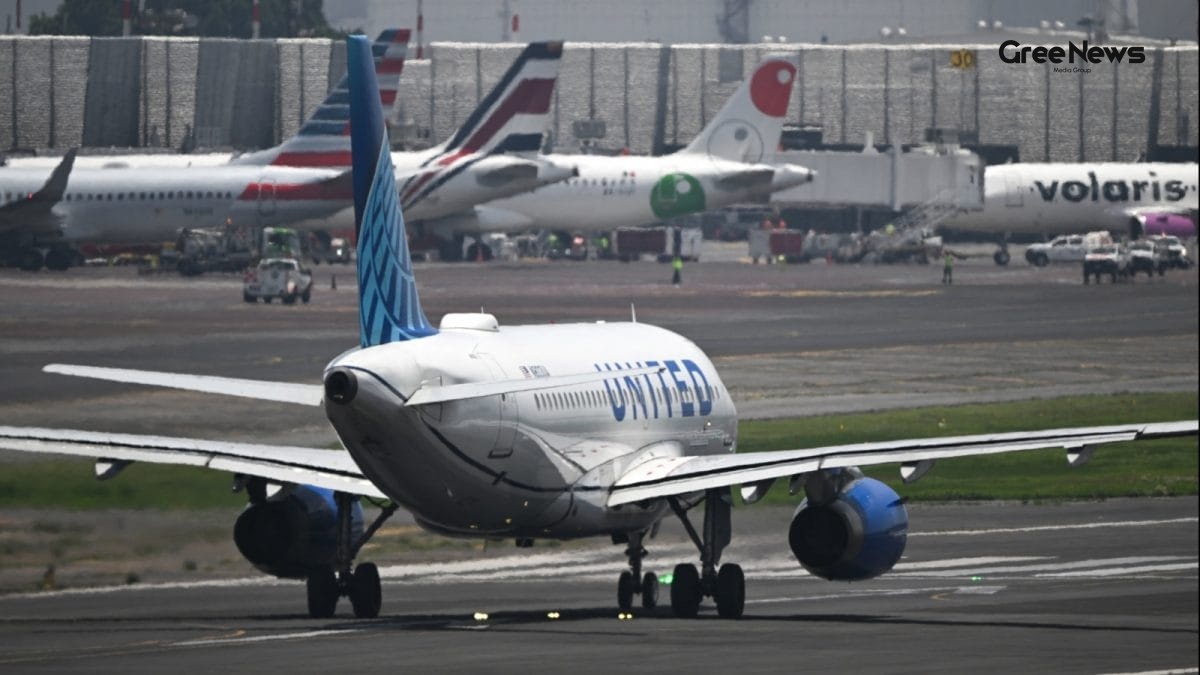
According to flight‑radar data, United Airlines flight UAL2092 took off from Chicago O’Hare with 159 passengers and six crew members on board. The airline shared the count, and it matched what the tracking websites showed. As the aircraft climbed, it reached its cruising altitude of about 37,000 feet. Normally, that is when passengers settle down, maybe watch a movie, or drift into a nap.
But instead of a smooth cruise, something odd happened. The pilot’s transponder, which usually stays on a normal squawk code, was switched to Squawk 7700 the universal distress signal. A quick glance at the flight’s ATC communications revealed a short, urgent message: “ONE SECOND COUNT PER BEEP / POSSIBLE BOMB.” The wording was a bit cryptic, but the urgency was clear.
To be honest, I wasn’t familiar with the exact meaning of Squawk 7700, but a quick Google search (yes, I did that while waiting for the next train) told me it’s the code pilots use when there’s an emergency on board. That explained why the aircraft made an abrupt, steep right turn heading east, away from its original route to New York. It was like a car suddenly taking a sharp turn to avoid a pothole only a lot, a lot more serious.
What the Pilot Heard and Reported
The most startling part of the story, as per the audio captured on LiveATC.net, was the pilot reporting a “beeping” item moments after takeoff. It wasn’t a typical engine warning; it sounded like a small electronic device that kept ticking. The crew apparently thought it could be a bomb or an explosive device with a timer, which explains the “possible bomb” phrasing in the message.
Imagine being on a flight, hearing that your pilot just said there’s a beeping sound that could be a bomb. For most of us, the mind races to worst‑case scenarios. My cousin, who works as a cabin crew member for an Indian airline, once told me how the crew undergoes rigorous training for such situations. They have to stay calm, assess the threat, and decide whether to continue the flight or divert. In this case, they chose the safest option divert to the nearest suitable airport, which turned out to be Pittsburgh.
What caught people’s attention was the timing of the alarm. The flight had just climbed, and the crew had to make a split‑second decision. The phrase “ONE SECOND COUNT PER BEEP” hints at how every second mattered a tiny delay could have meant staying longer in a potentially dangerous situation.
The Landing in Pittsburgh and Passenger Evacuation
When United flight 2092 finally touched down in Pittsburgh, the airport’s emergency crews were already on standby. Passengers were instructed to stay seated until the cabin doors were opened, and then they were evacuated via the emergency slides a scene that looks like a slice of an action movie, but in real life.
According to United Airlines, the evacuation went smoothly, and no injuries were reported. That relief was palpable on social media many users posted pictures of the slide deployment, and the comments were full of “thank God everyone is okay!”. In most cases, such evacuations are fast, but they can be chaotic if passengers panic. The crew’s training evidently paid off.
On a personal note, the whole episode reminded me of the time I flew from Delhi to Mumbai and the flight hit a sudden turbulence that made the cabin shake. The crew’s calm instructions kept us all relaxed, and we landed safely. It’s the same principle preparation and swift action can turn a scary moment into a safe outcome.
Past United Incidents A Pattern or Pure Coincidence?
The story of flight 2092 isn’t the first time United Airlines faced a critical situation. Back in January, another United flight almost crash‑landed at Orlando International Airport due to a mechanical issue. The video that went viral showed the nose wheel wobbling just before touchdown, creating a nerve‑racking moment for everyone on board.
Then, there was the incident last year when a United Boeing 737 MAX 8, cruising from Denver to Los Angeles, experienced a cracked windshield at 36,000 feet. The damage led to an emergency landing, and unfortunately, one pilot suffered an injury. These incidents, while unrelated to each other, have kept United in the headlines, and each time, the airline’s response has been closely scrutinized.
For many Indian travellers who often fly with United on long‑haul trips, these events become part of the trending news India conversation. We discuss them over chai, compare safety records, and sometimes even look up the airline’s safety rating before booking a ticket.
How the Incident Has Fueled Online Discussions
After the news broke, the comment sections of Indian news portals lit up. People shared theories some thought it could be a prank, others were worried about terrorism. A few even suggested it might be a technical glitch misreported as a bomb threat. The mix of speculation is typical of viral news cycles.
One of the most common reactions was empathy for the passengers. Many users posted personal stories of being on a flight that experienced a sudden emergency, and how the crew’s calm demeanor helped them stay composed. Some even reminded each other to keep the emergency exits in mind when boarding a reminder that’s often glossed over during the hectic boarding process.
In most cases, the conversation drifted towards airline safety standards. Indian aviation authorities, like DGCA, often compare international carriers’ safety protocols with domestic airlines. This incident gave the public a chance to discuss whether airlines should adopt more stringent measures, especially in dealing with potential security threats.
What This Means for Passengers and Airlines
From my perspective, the key takeaway is that safety protocols work when there’s a clear line of communication between pilots, crew, and air traffic control. The quick decision to divert to Pittsburgh, the immediate activation of the emergency code, and the orderly evacuation all point to procedures that saved lives.
For airlines, this incident is a reminder to keep training drills up‑to‑date and to maintain equipment that can detect suspicious devices. Passengers, on the other hand, might feel a bit more anxious, but they can also feel reassured knowing that the crew is trained for such emergencies.
In the end, it’s a mix of technology, training, and quick thinking. The fact that the passengers walked out unharmed is a testament to that blend.
Final Thoughts A Glimpse Into Modern Air Travel Challenges
So, what happened next? The passengers were taken to the airport terminal, re‑checked, and given assistance to reach their final destination. United Airlines issued an official statement confirming that no injuries were reported and that an investigation would follow.
Reading through the whole episode reminded me of how quickly a routine flight can turn into a headline‑making event. It also made me realise the importance of staying informed whether you’re a frequent flyer or just a news enthusiast, the latest news India about global events often has a ripple effect on our own travel choices.
So, the next time you hear a beeping sound on a plane, remember that pilots and crew have a whole set of protocols ready to handle it. And if you ever find yourself on an unexpected diversion, trust that the system is there to keep you safe, just as it did for United flight 2092.