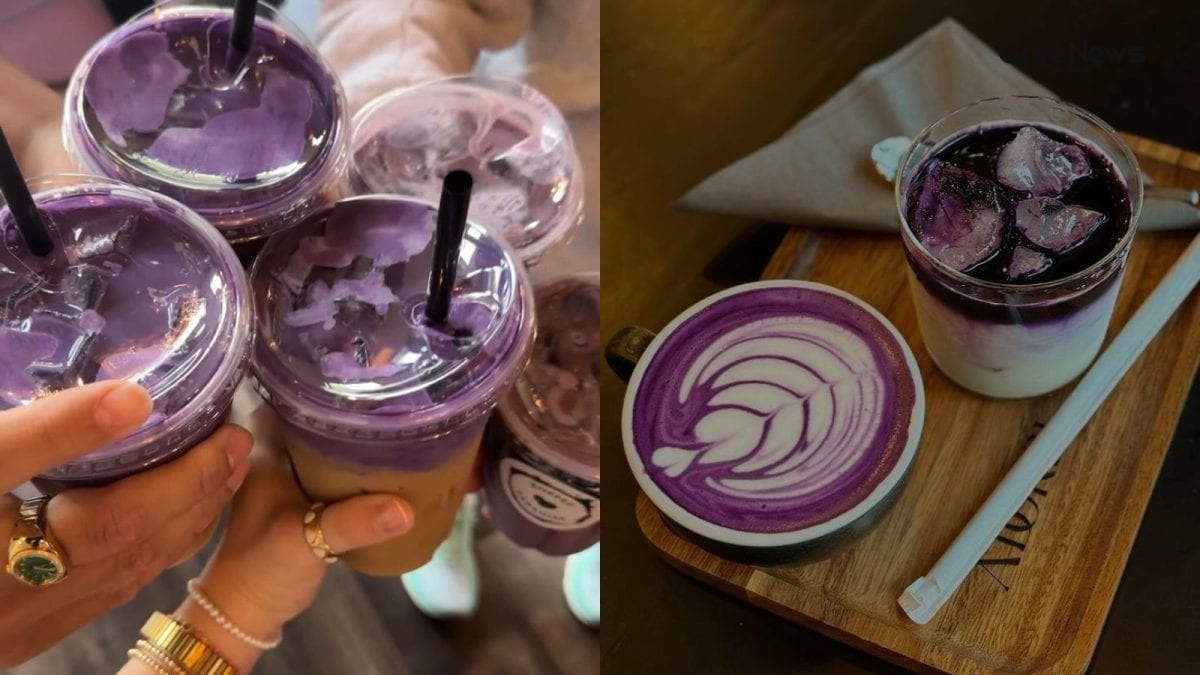
Why a purple dessert might become your next favourite
Honestly, when I first saw that deep violet colour popping up on my Instagram feed, I thought it was some Photoshop stunt. But the more I scrolled, the clearer it became ube, the Filipino purple yam, is making a massive splash in Indian cafés, and it’s not just a one‑off thing. If you’ve been following the trending news India section on any social platform, you would have noticed that the #ube tag has crossed the half‑million mark, and that’s a clear sign something big is brewing.
What’s funny is that just a few months back, matcha was the king of the Instagram‑able beverage world. Its emerald hue was everywhere from latte art to bakery displays. But now, the Green is losing its throne to a richer, more playful shade of purple. You know the feeling when you see a new colour that just makes your mouth water? That’s what’s happening with ube right now.
And it’s not just the colour that’s catching people’s eye. The taste is a whole different story sweet, milky, with soft notes of vanilla and a hint of nuttiness that reminds me of white chocolate. It’s almost like a comfort food that also looks like it belongs on a runway.
The anti‑matcha: why we’re hooked
Let me be straight matcha is a love‑or‑hate kind of thing. Its grassy, sometimes bitter flavour can be a turn‑off unless you’re a true aficionado. I tried it a few times, and honestly, it felt a bit too strong for my palate. Ube, on the other hand, is a crowd‑pleaser from the first sip. The moment I tried a creamy ube latte at a corner café in Bengaluru, I knew it was different. The sweetness was gentle, the texture silky, and the colour oh, that colour! made the whole experience feel special.
The magic behind that colour is anthocyanins, the same antioxidants you find in blueberries. So, while you’re posting that perfect snap, you’re also getting a little health boost Vitamin C and potassium, to be exact. That “health halo” is another reason why the viral news around ube isn’t just hype; it’s backed by real nutritional benefits.
And here’s a little secret that surprised many people: the Ube trend actually started getting a push from the beauty world. A major cosmetics brand rolled out a Ube‑themed collection in India, with lilac‑tinted palettes that resonated with the food trend. It was like a cross‑industry love affair that trickled down to our menus.
What really got me thinking was how quickly this wave travelled. From street food stalls in Manila to the high‑end cafés of New York, and now to the bustling lanes of Delhi and the tech‑y suburbs of Bengaluru, ube has become a truly global phenomenon. It feels like the world is collectively saying, “Let’s go purple!”
My first ube encounter a personal story
Picture this: a scorching summer afternoon, I’m sitting at a local coffee shop in Bengaluru, the air buzzing with the hum of fans and chatter. The barista asks, “Matcha or ube today?” I laughed, because honestly, I was still unsure about the Green stuff. I chose ube on a whim, and the moment that purple foam touched my lips, I felt a burst of sweet nostalgia like tasting a childhood dessert I never had before.
After that, I started hunting down ube treats wherever I went. From ube soft‑serve at a mall food court to ube pancakes at a rooftop brunch spot, each bite felt like discovering a new favorite. I even tried making ube at home a simple mash of boiled ube mixed with condensed milk turned into a delightful tiramisu‑style dessert that impressed my family.
What surprised me the most was the reaction of my friends. Some were skeptical at first, but after one taste, they were all over the purple trend, posting pictures and tagging their friends. The whole thing turned into a mini‑social experiment “Who will be the first to try ube?” and the response was overwhelming.
This personal journey mirrors what many Indian food lovers are experiencing: a switch from curiosity to obsession, all driven by that perfect blend of taste, health, and visual appeal.
Ube’s rise in Indian cafés the DDMMYY (Day Month Year) story
One café that really capitalised on the purple wave is the DDMMYY (Day Month Year) cafe in Bengaluru. They went all‑in, launching an entire ube‑centric menu that includes a creamy ube latte, ube match, and even a fluffy ube cloud dessert. The owner told me that they saw the rise of ube on latest news India feeds and decided to be among the first in the city to offer a dedicated ube line.
What’s interesting is how they keep the menu fresh. Last week they introduced ube ice‑cream sandwiches, and next month they plan a ube‑infused chai latte imagine the classic masala chai with a subtle purple twist. Their social media posts are filled with vibrant images, and the engagement numbers are through the roof. It’s a classic case of “if you can’t beat the trend, ride it”.
Other cafés across Mumbai, Kolkata, and Hyderabad have followed suit. You’ll now find ube pastries in upscale bakeries, ube bubbles in tea stalls, and even ube‑flavoured ice‑cream in grocery aisles. The whole country is seeing a violet renaissance.
What’s more, the trend isn’t limited to desserts. Some restaurants are experimenting with ube in savoury dishes think ube‑infused paneer tikka or ube‑colored rotis. The versatility of the ingredient is what makes it a chef’s playground.
Health buzz and the ‘Instagram‑able’ factor
Beyond the aesthetic appeal, people are drawn to ube for its health perks. The anthocyanins not only give it that stunning colour but also act as antioxidants, fighting free radicals. In India, where wellness trends are booming, that extra health boost is a big selling point.
And let’s not forget the Instagram factor. A good food post can fetch hundreds of likes in minutes, and ube dishes are guaranteed to wow the crowd. I’ve seen friends skip regular coffee just to get that perfect ube latte shot the purple foam works like a magnet for likes and comments. It’s a win‑win: you enjoy a tasty treat and get a boost to your social media game.
That’s why many food influencers label ube as “the new matcha”. The buzz around matcha once seemed unstoppable, but now the conversation has shifted. In most cases, the timeless question “Matcha or ube?” is popping up on comment sections, and the consensus is leaning heavily towards the purple side.
Will it stick? The future of ube in India
People often wonder if such trends are just flash‑in‑the‑pan. From my observation, ube has a few things that make it more likely to stay. Firstly, its flavour is not polarising unlike matcha, which can be an acquired taste. Secondly, the health benefits add credibility, especially as Indians become more health‑conscious.
Moreover, the culinary community is already experimenting beyond desserts. I heard about a chef in Delhi blending ube into a sauce for grilled fish, creating a sweet‑savory profile that’s getting rave reviews. When professionals start integrating an ingredient into main courses, it’s a sign the trend is moving from novelty to norm.
What I find most exciting is how this trend is influencing home cooks. Many Indian households are now stocking ube powder and fresh ube tubers, using them in everyday recipes like parathas or even in festive sweets during Diwali. That kind of grassroots adoption is a strong indicator of longevity.
All in all, the rise of ube is a fascinating blend of breaking news, social media influence, and genuine culinary innovation. If you haven’t tried it yet, give it a go you might end up sharing your own ube story on the next trending feed.