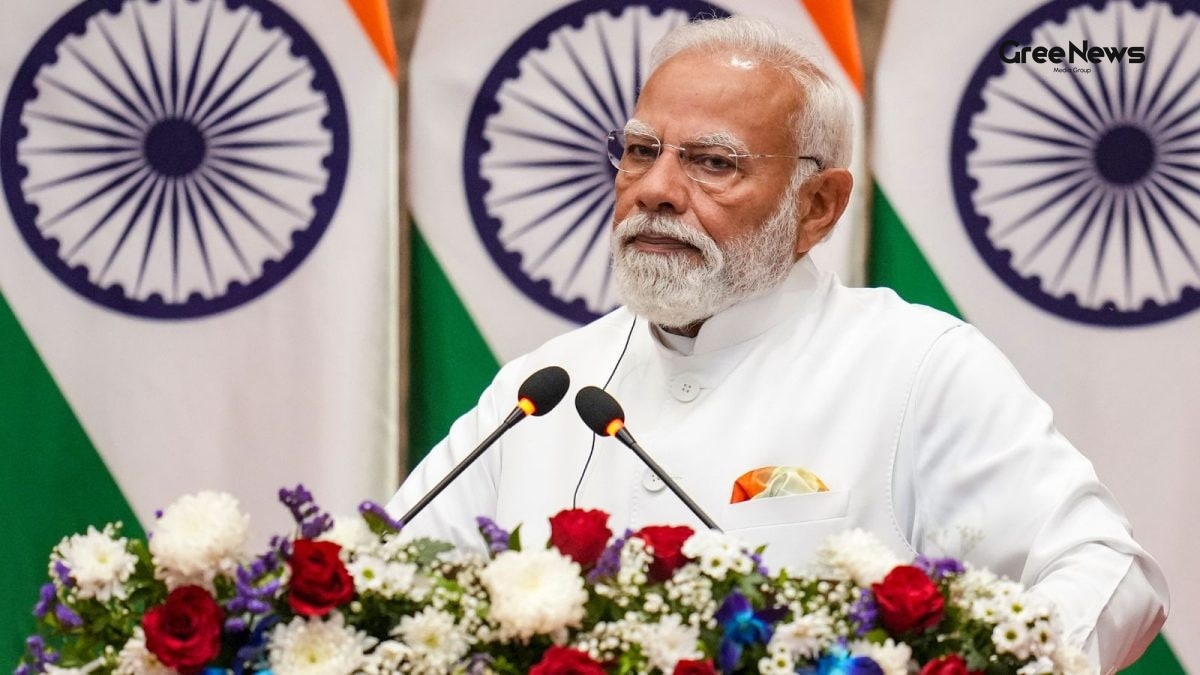
Why I was watching Modi’s address like it was a cricket final
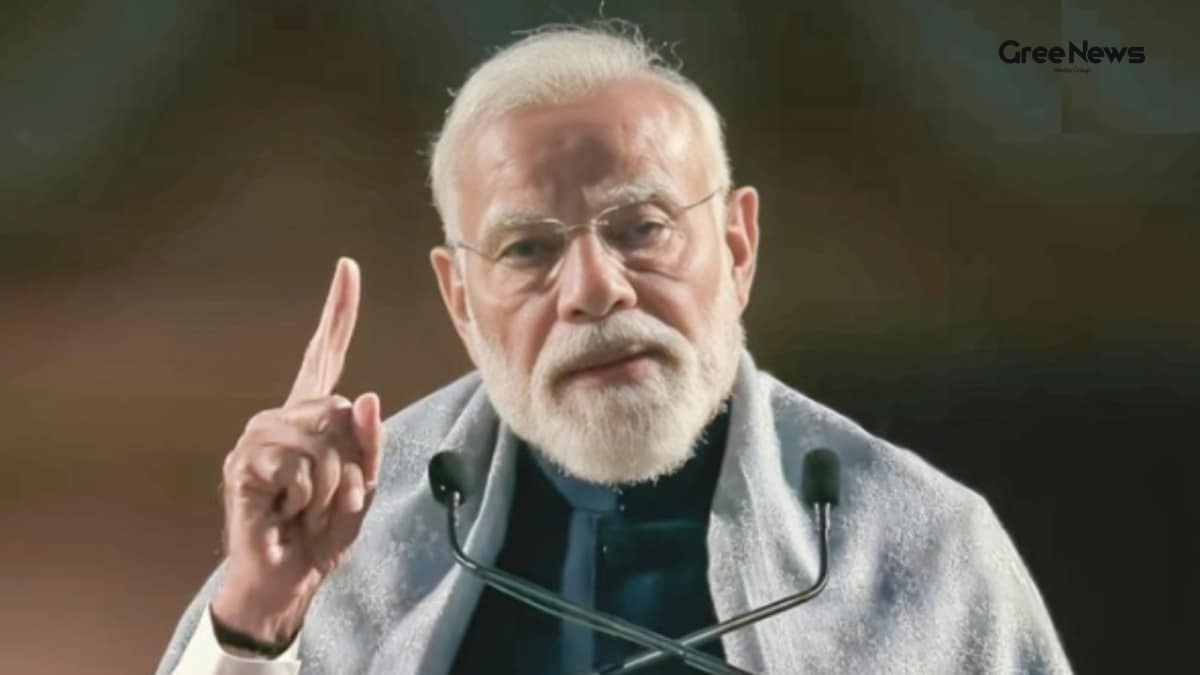
Honestly, when I heard the news that the Constitution (131st Amendment) Bill had been rejected, I felt a swirl of emotions a bit of shock, a pinch of curiosity and, of course, a dash of hope that the story might turn into something positive for women. In most Indian households, any political talk after dinner turns into a full‑blown debate, and that night was no different. The moment the TV screen lit up with Prime Minister Narendra Modi’s face at around 8.30 pm, I grabbed a cup of masala chai, settled into my living‑room sofa, and prepared for a speech that felt more like a personal diary entry than a formal address.
What happened next is interesting: instead of the usual measured speech, Modi went straight into a heartfelt confession. He said he felt “pain” seeing opposition leaders from Congress, DMK, TMC and Samajwadi Party clapping and thumping their desks as the bill’s defeat was announced. If you have ever been in a Lok Sabha session, you know that such celebrations are not just noise; they are a signal of triumph. Modi, however, painted this moment as a betrayal of women’s empowerment a phrase he repeated, calling it a "betrayal of Nari Shakti".
Now, you might think it’s just another political rant, but the way he framed it made it feel personal almost like a friend telling you about a fight at the office that was more about ego than the actual issue. He said the government had “most sincere and clean intentions”, yet fell short of the 66 percent support needed in the Lok Sabha. In my mind, that line echoed the feeling we all get when a project at work doesn’t get the Green light, despite putting our heart and soul into it.
The ‘Betrayal’ Narrative How Modi turned a vote into a drama
Modi didn’t just stop at a personal apology. He turned the whole episode into a moral tale. He told us that while the Parliament may have denied the bill, the government still carries “100 per cent of the country’s women” with it. That line surprised me because, in most political speeches, leaders tend to hedge with vague statements. Here, he claimed full support from women across India from the bustling streets of Delhi to the quiet panchayat meetings in villages.
He also pointed out that the opposition’s clapping was not about a technical delimitation exercise but a protection of what he called their “dynastic fiefdoms”. It felt like watching a Bollywood movie where the hero calls out the villains for being scared of the common man. He argued that these parties feared that ordinary women from panchayats and local bodies could eventually outshine the traditional leaders if the proposed 33 percent reservation under the 850‑seat expansion were put into practice.
What caught people’s attention next was his explanation of the 131st Amendment’s purpose. He said it was not a “Trojan horse” to reduce Southern state representation a claim floated by the INDIA bloc but a step towards “equal growth for every state”. He painted the opposition’s focus on a North‑South divide as a diversionary tactic, calling it “parasite‑like politics”. The way he wove these points together made the speech feel like a story rather than a dry policy explanation, and that’s why the phrase “betrayal of Nari Shakti” started trending on social media within minutes.
Breaking down the opposition’s charge The ‘delimitation trap’ myth
Let’s step back for a second. The INDIA bloc had accused the bill of being a “Trojan horse” meant to reduce the representation of Southern states. In my own conversations with friends from Karnataka and Tamil Nadu, I heard concerns about losing political clout. Modi, however, dismissed these fears head‑on. He said the real aim was to modernise a 55‑year‑old electoral map and ensure that the Nari Shakti Vandan Adhiniyam, passed in 2023, does not stay a “paper law”. For many of us, that sounded logical after all, who wants a law that only sits on a shelf?
He also highlighted that the opposition’s narrative was a classic “delimitation trap” a term I hadn’t heard before but instantly understood as a political ploy to distract from the core issue of women’s reservation. According to Modi, the opposition was more interested in preserving their “dynastic fiefdoms” than genuinely debating the merits of expanding the Lok Sabha to 850 seats.
That’s when the phrase “people’s punishment” entered the conversation. Modi warned that those who “insulted the sentiments of the framers of the Constitution” would face the public’s wrath. In the Indian context, that line feels like a call to the masses, a rallying cry that could easily be turned into memes and viral news. It was a clear signal that the BJP intended to make the bill’s defeat a central theme in upcoming state elections especially in West Bengal and Tamil Nadu, where the opposition parties have strong grassroots networks.
From Lok Sabha to the living room Why this became trending news India
As soon as the speech aired, the hashtags #BetrayalOfNariShakti and #ModiSpeaks started trending on Twitter, Instagram, and even on regional chat groups. My cousin in Mumbai sent me a voice note saying, "Did you hear what he said about the opposition? That was slick!" And I could hear the excitement in his voice because it felt like a fresh episode of a political drama something that the Indian audience craves. The use of everyday language, the personal anecdotes about “pain”, and the stark contrast between the opposition’s clapping and the women’s empowerment narrative made the story both relatable and share‑worthy.
Even traditional newspapers added a side story, linking the speech to the “latest news India” section, and many news portals flagged it as “breaking news”. In most Indian homes, after the initial shock, people start discussing the implications over tea. My neighbour, who runs a small grocery store, mentioned that the story would definitely affect how voters in his area view the upcoming state polls. That’s where the “viral news” factor kicks in a political speech that spurs discussions at the chai‑stall, in the office break‑room, and across WhatsApp groups.
The roadmap to 2029 and the promise of a ‘people’s court’
Modi didn’t announce any new legislative measure in the speech no joint session, no immediate re‑vote. Instead, he hinted that the battle would now move to a “people’s court”. In plain terms, that means the government intends to take the issue directly to citizens, probably through rallies, public meetings, and perhaps a digital campaign. It’s a strategy we have seen before: turn a parliamentary defeat into a grassroots movement.
He also gave a subtle nod to the 2029 timeline, suggesting that the expansion of seats and the 33 percent reservation for women are “the need of the hour”. For a country as diverse as India, that statement resonates, especially when you consider how many women still lack representation at the local level. By positioning the issue as a long‑term goal, Modi is trying to keep the momentum alive beyond the next general elections.
Many political analysts I follow say this speech is a masterstroke for the BJP’s upcoming campaigns a way to frame the opposition as anti‑women and anti‑progress. It also cleverly shifts the focus from the procedural failure (the 298‑to‑230 vote) to a moral high ground, making the opposition appear as the real culprits of a “status quo” that holds back “aspirational India”.
How I see the future personal reflections
Watching the whole episode unfold, I couldn’t help but compare it to the many rallies I’ve attended in my hometown of Varanasi. The energy, the chants, the feeling of being part of something bigger that’s exactly what Modi tried to recreate, just through a televised address. He ended on a defiant note, promising all “mothers and sisters” of India that the government remains committed to its mission. It felt like a pledge made not just in Parliament but in every household that was watching.
In most cases, political speeches fade after a day or two. But this one seems to have planted a seed. With the opposition parties still celebrating their win in the Lok Sabha, many of us are left wondering whether the next big showdown will happen in the streets, at panchayat meetings, or maybe even on social media platforms where the next wave of “viral news” will be born.
For now, I’ll keep an eye on how the narrative evolves, especially as the BJP gears up for the West Bengal and Tamil Nadu assembly polls. If the speech is any indication, the theme of “Nari Shakti” will stay front‑and‑center, and I expect we’ll see more stories, more debates, and maybe even more legislative attempts in the near future. Until then, we’ll continue to discuss, argue, and share our thoughts just like we always do when a big political event turns into the latest breaking news India can’t stop talking about.