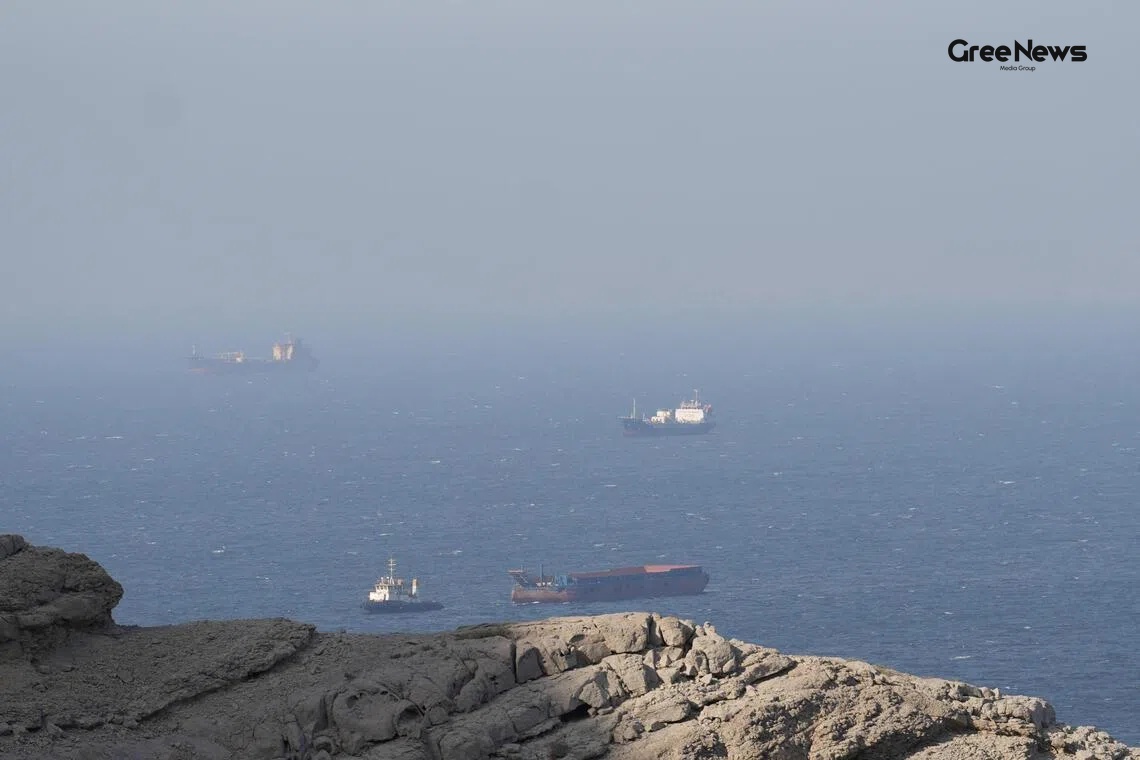
Honestly, when I first heard about the two Indian‑flagged oil tankers being attacked in the Strait of Hormuz, I thought it was just another piece of breaking news that would fade away quickly. But the more I dug into the story, the more I realised how serious it was not just for the crews on those ships but for India’s energy security as a whole.
According to a statement from India’s Ministry of External Affairs, both vessels were carrying crude oil and were shot at while trying to cross the strait on the same day. The ministry confirmed the incident, and that’s the official line we have from New Delhi.
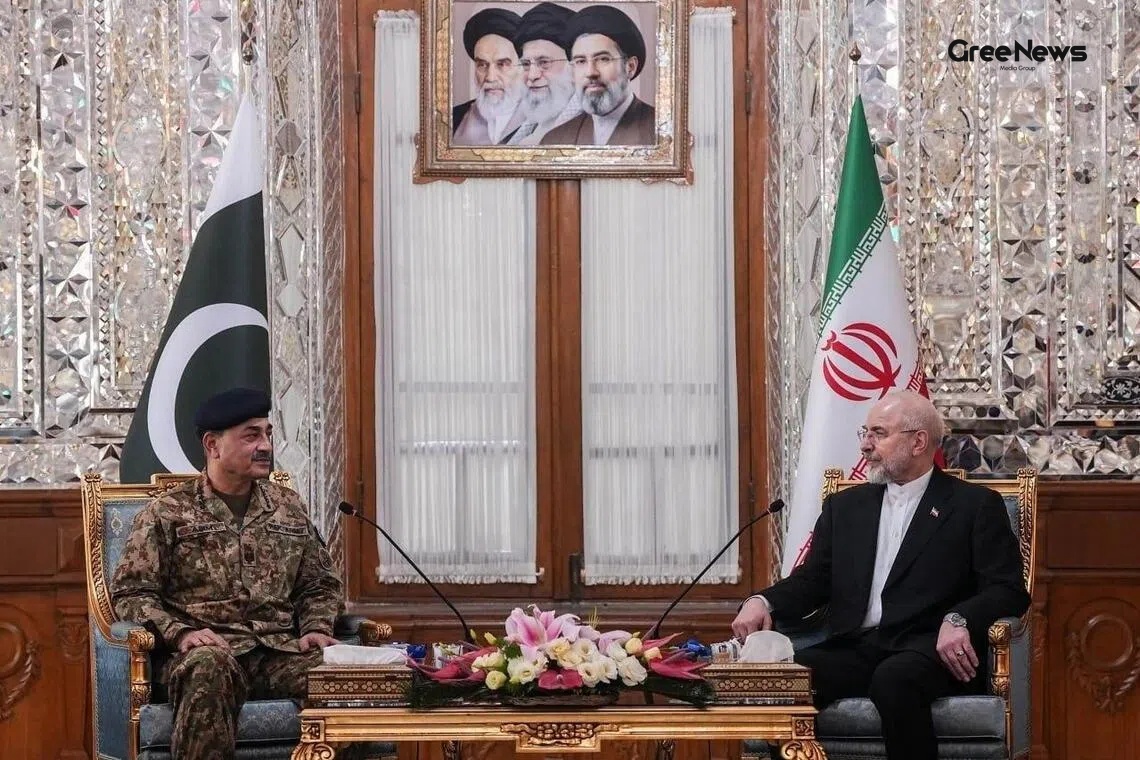
What caught people’s attention was that the Indian government didn’t just issue a brief comment. They actually called in Iran’s ambassador to New Delhi, Mr Mohammad Fathali, for a face‑to‑face meeting with the country’s Foreign Secretary, Mr Vikram Misri. During that meeting, Mr Misri made it clear that India was deeply concerned about the shooting.
He urged the ambassador to pass on India’s views to the relevant Iranian authorities and to get the process of facilitating India‑bound ships across the strait back on track as soon as possible. In most cases, such diplomatic nudges can take weeks, but here the tone was urgent like a neighbour knocking on your door saying, “Hey, can you sort this out right now?”
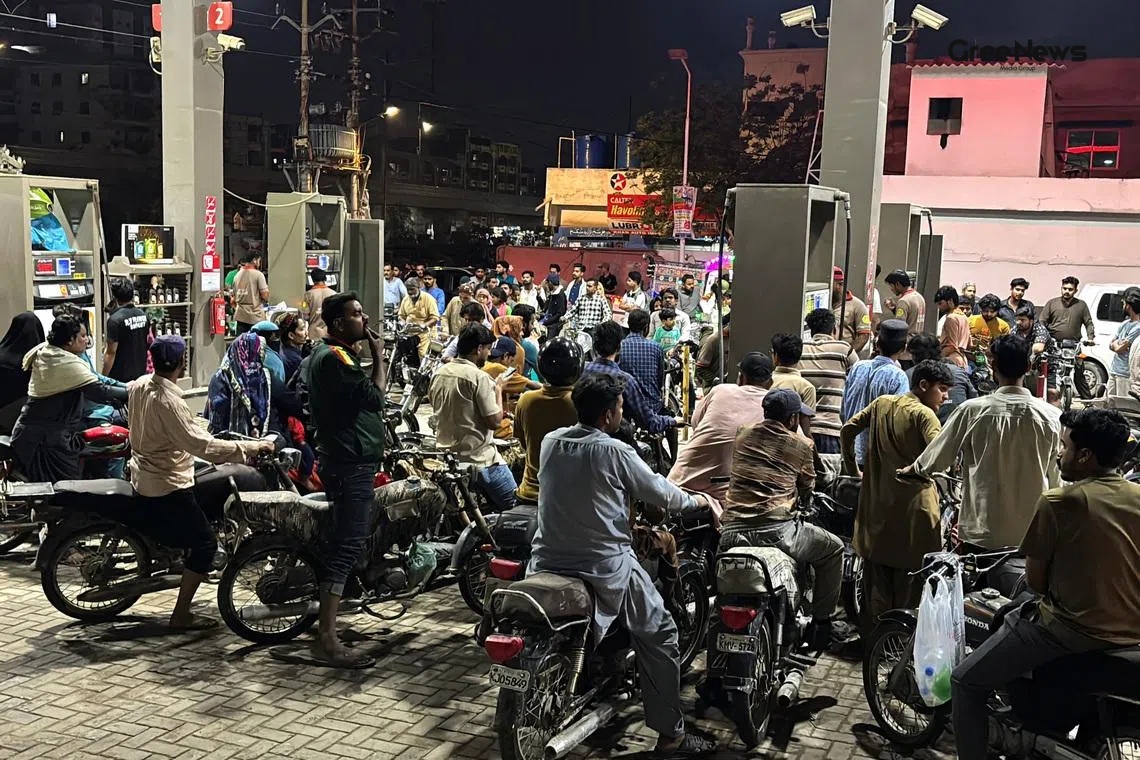
Now, you might wonder why this matters to everyday Indians. Well, a big chunk of the crude oil that fuels our power plants and vehicles comes via the Persian Gulf, and the Strait of Hormuz is the main chokepoint. If ships can’t pass safely, it eventually hits fuel prices at the pump and the cost of running a small business.
What the U.S. and Iran Said
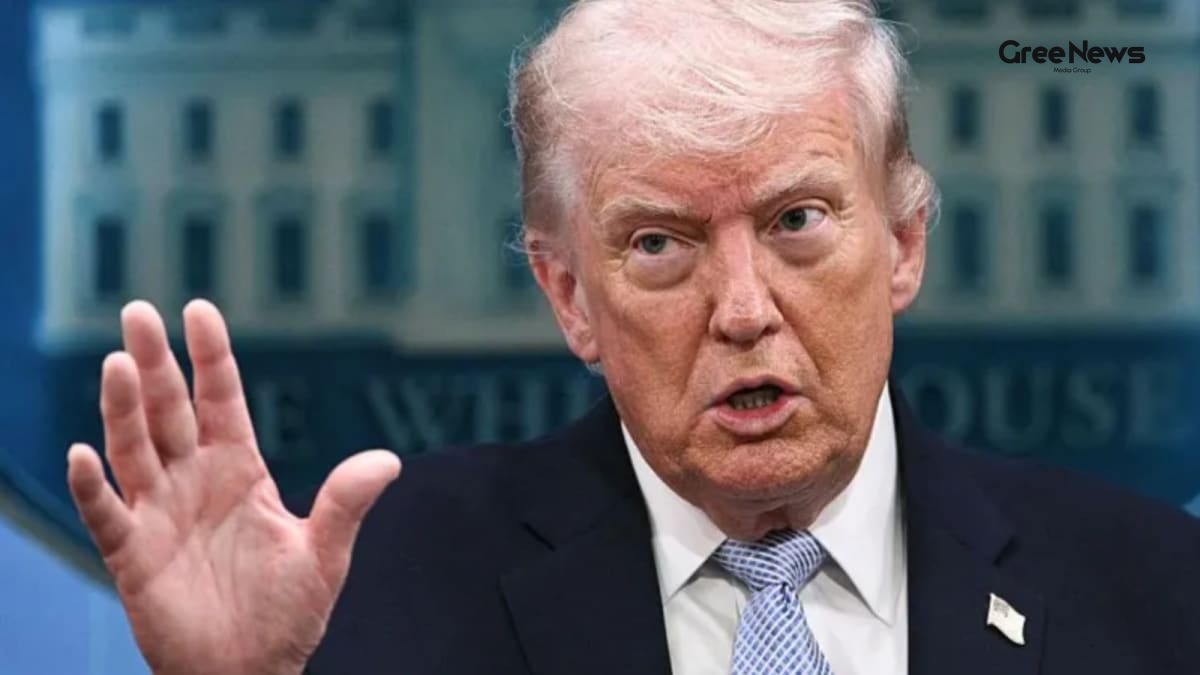
Here’s where the story gets even more interesting. The day before the attack, the U.S. President you know, the one who often makes headlines for his direct Twitter style said that Iran had aGreed to open the strait. That sounded like a big step towards normalising traffic after a long period of tension.
But Iranian officials quickly fired back (no pun intended) saying they wanted the United States to fully lift its blockade on Iranian tankers. In their view, the U.S. restrictions were the real obstacle, not the strait itself.
Shipping data later showed that more than a dozen tankers, including three that were under sanctions, managed to sail through after a 50‑day blockade was lifted on the 17th. So for a brief window, it looked like things were settling down.
Then, on the 18th the very next day Iran re‑imposed its own restrictions and, according to reports, fired at some vessels. That sudden flip‑flop is what turned the incident into what many are calling viral news across the sub‑continent.
Many people were surprised by this rapid reversal, especially because the international community had just started to breathe a sigh of relief. The whole episode has since become trending news India, with analysts debating whether it’s a move of brinkmanship from Tehran or a reaction to pressure from Washington.
Why the Strait of Hormuz Is So Critical
If you ever watched a documentary on global oil routes, you’ll know the Strait of Hormuz is like the beating heart of the oil world. Roughly a fifth of the world’s petroleum passes through that narrow waterway every day. For India, which imports a sizeable portion of its oil from the Gulf, any hiccup there can ripple through the economy.
Picture this: a truck driver in Delhi waiting for a fuel delivery that’s stuck because a ship can’t get through the strait. He ends up waiting longer, fuel prices go up, and his daily earnings shrink. That’s how a distant conflict can feel very real back home.
The incident also has a psychological angle. When headlines read “Indian ships attacked in Hormuz,” it sends a shiver down the spine of shipping companies, insurers, and even the families of the crew. It raises insurance premiums, which again can translate into higher freight costs a classic case of how geopolitical tension can affect the average citizen.
India’s Diplomatic Moves A Closer Look
During the meeting with Mr Fathali, Mr Misri didn’t just express concern; he specifically asked Iran to convey India’s stance to its own authorities and to restart the facilitation process for Indian‑bound ships. He used phrases like “deep concern” and “urgently resume,” signalling that India is not willing to sit back.
What’s noteworthy is that India chose to handle the matter through diplomatic channels rather than public condemnation. In most cases, you’d see a press release full of strong language. Instead, the Indian foreign ministry opted for a more measured approach, perhaps hoping to keep the dialogue open and avoid escalating things further.
This strategy aligns with India’s broader foreign policy of balancing relationships with both the United States and Iran. While we have strong strategic ties with Washington, we also have long‑standing energy and trade links with Tehran. Navigating that tightrope is tricky, and this incident shows just how delicate the balance is.
In the end, the meeting aimed to bring back normalcy for ships heading to India. If successful, we might see a gradual return of oil tankers to the strait, which would be a relief for both the shipping industry and the Indian market.
What This Means for the Average Indian
At first glance, a skirmish hundreds of kilometres away might seem irrelevant to our day‑to‑day lives. But the reality is that the price of every litre of petrol, diesel, or even the cost of running a small diesel generator in a village can be affected by these events.
When shipping lines face uncertainty, they often pass on extra costs to customers. That’s why we sometimes see a sudden spike in fuel prices at the petrol pump without any obvious reason. It’s like a hidden tax that only shows up when the global oil supply chain gets disrupted.
Moreover, the incident has sparked a flurry of discussions on social media a typical case of trending news India. People are sharing articles, debating the motives of Iran, and even questioning whether the United States is playing a bigger game behind the scenes.
For those of us who keep an eye on the news, this is a reminder that geopolitics isn’t just something you read about in a textbook; it has a direct impact on our wallets, our businesses, and sometimes even our safety.
Bottom Line
So, what happened next is interesting. While we wait for a clear statement from Iran on whether they will ease the restrictions again, the Indian government is pressing for a quick resolution. The incident has already become a piece of breaking news and a topic of viral news across forums, with many hoping for a swift de‑escalation.
Until then, the best we can do is stay informed after all, staying updated is part of being a responsible citizen. Keep an eye on the latest news India, because the ripple effects of what’s happening in the Strait of Hormuz might just reach our doorstep sooner than we think.
DeeperDive is a beta AI feature powered by Taboola. Refer to full articles for the facts and do not input any personal information.
Gree
UGreen
$28.79
$54.99 48% off
Dreame
$89.00
$299.00 70% off
Le Creuset
$111.76
$179.00 38% off
Muji
$60.00
$99.00 39% off
Sony
$453.68
$649.00 30% off
La Gourmet
$18.90
$59.90 68% off
Blue Elephant
$57.33
$120.00 52% off
Actto
$59.42
$106.95 44% off
Muzigae Mansion
$9.81
$27.90 65% off
Bellroy
$119.20
$149.00 20% off
YOULIMEIJIA
$23.91
$56.05 57% off
Lego
$194.88
$259.90 25% off
EuropAce
$399.00
$599.00 33% off
Vanish
$12.66
$14.90 15% off
Disney
$27.90
$55.90 50% off