Listen, I was sipping my morning chai when I saw a headline that screamed, “Sri Lanka’s Energy Minister resigns over coal import graft”. It felt like one of those breaking news alerts you get on your phone, the kind that makes you sit up straight, wondering what’s next. Honestly, I never thought I’d be that interested in Sri Lankan politics, but the story had all the drama of a Bollywood thriller corruption, a high‑profile resignation, and a whole nation’s power grid hanging in the balance.
How It All Started The Coal Controversy
So, here’s the lowdown. Sri Lanka relies totally on imported fuel coal, diesel, furnace oil for its power plants. The Lakvijaya Power Plant, the only coal‑fired plant on the island, is a big deal because it supplies around 40 % of the country’s electricity. The plant needs about 2.25 million metric tonnes of coal each year. That number sounds huge, but imagine the scale of a country where even a tiny dip in supply can cause widespread blackouts.
What actually happened was a series of shipments that, according to a special audit released earlier this year, turned out to be low‑quality coal. The audit highlighted that this inferior coal was choking the plant’s efficiency a problem that pushed the government to scramble for an emergency order of 300,000 tonnes in March and to fire up more diesel‑fueled generators. The situation got worse when the island’s fuel reserves started to dwindle, prompting the authorities to declare every Wednesday a public holiday just to manage the limited stock. If you’ve ever witnessed a traffic jam on a rainy day in Delhi, you can imagine the frustration when lights flicker off unexpectedly.
The Resignation A First in Recent History
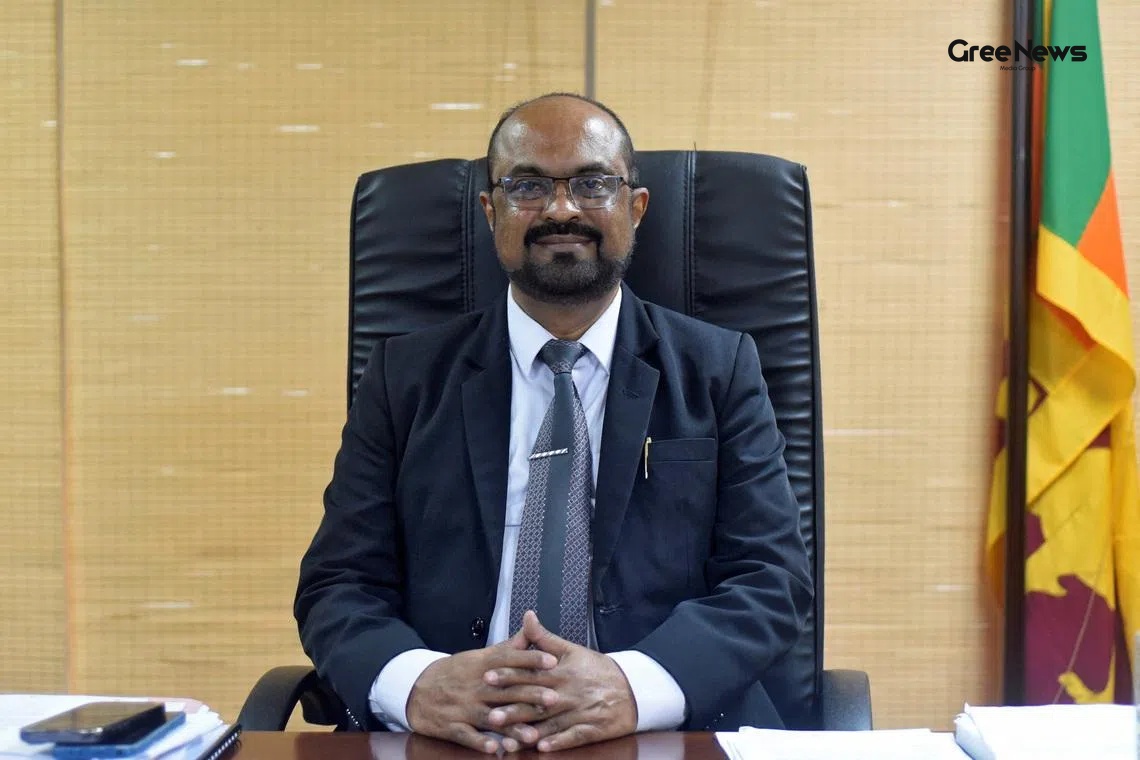
Enter Kumara Jayakody, the Energy Minister, and Udayanga Hemapala, the ministry secretary. On a crisp morning, they walked into President Anura Kumara Dissanayake’s office and handed over their resignation letters. What made this move stand out was that it wasn’t just another cabinet reshuffle it was the first time a senior minister voluntarily stepped down over graft allegations after surviving a no‑confidence motion in parliament.
Jayakody said he was stepping aside so that a proper investigation could happen without any political interference. To be honest, I wondered why he didn’t resign earlier, especially after the no‑confidence vote was defeated. Maybe he thought the storm would pass, but the public outcry was too loud to ignore. The resignation was handed to President Dissanayake, who immediately ordered a full‑scale probe into all coal imports dating back to 2009.
What caught people’s attention was the President’s acknowledgement that the low‑quality coal had a direct impact on the Lakvijaya plant’s output. That admission was a big deal it meant the highest office in the land was admitting a systemic problem that could have cost the country millions in lost productivity.
Why This Matters Power, Politics, and the People
Now, you may ask, why does this story matter to an Indian reader? Apart from being trending news India because it’s happening so close to home, there are a few practical reasons.
- India and Sri Lanka share a lot of energy trade any disruption in Sri Lanka’s power sector can affect import‑export dynamics.
- Both countries face similar challenges with fuel imports, especially after the Middle East crisis. Seeing how Sri Lanka managed the emergency coal order gives us a glimpse of potential strategies we might adopt.
- The political fallout shows how corruption allegations can shake even the most senior cabinet positions.
For the everyday citizen, the ripple effect is visible in higher electricity bills and occasional brownouts. If you’ve ever watched a city in India switch to diesel generators during a power crunch, you’ll understand the economic strain it creates.
The Investigation What’s Being Looked Into?
President Dissanayake’s order is pretty comprehensive. He wants a deep‑dive into every coal shipment received since 2009, looking at the quality certificates, price differentials, and the tender processes. The ministry is also checking whether any middlemen were colluding to supply sub‑standard coal at inflated prices.
In most cases, such investigations take months, but the pressure from the public and opposition parties is intense. The opposition, which had tabled the no‑confidence motion, is now demanding swift action and possibly criminal charges. Many people were surprised by how quickly the government moved after the resignation it creates a sense that the administration is trying to restore trust.
What happened next is interesting: the energy ministry announced a temporary suspension of all new coal contracts until the probe concludes. This pause has already caused some viral news discussions on social media, with users sharing memes of coal trucks stuck in traffic and jokes about “coal‑free Mondays”.
Impact on the Lakvijaya Power Plant
The Lakvijaya plant, located in the north‑east, is a massive complex with eight turbines. When it runs at full capacity, it lights up cities from Colombo to Kandy. However, the audit revealed that the low‑grade coal was causing the turbines to fire less efficiently, leading to an estimated 15 % drop in output. That shortfall forced the state electricity board to import emergency coal, which is far more expensive and often of varying quality.
If the plant can’t get the right kind of coal, the whole grid suffers. The government responded by issuing directions to use more diesel and furnace‑oil based generators a move that considerably hikes the cost of power generation. For a country already battling fiscal constraints, every extra rupee spent on fuel is a blow.
What’s more, the plant’s reliance on coal highlights a broader issue: the island’s energy mix is still heavily dependent on imported fossil fuels. The current crisis could act as a catalyst for accelerating renewable energy projects, something both India and Sri Lanka have been talking about for years.
Political Repercussions A Cabinet Shake‑up?
Jayakody’s resignation sets a precedent. When a senior minister bows out voluntarily, it sends a signal to the rest of the cabinet: corruption allegations will be taken seriously, and the parliament isn’t just a rubber‑stamp. The President might now consider a broader reshuffle, especially if the investigation uncovers deeper rot.
Opposition leaders are already gearing up for a possible motion of censure, and there’s talk of bringing in fresh faces with a clean image to restore public confidence. In my neighborhood, the talk is that the next energy minister might be someone from the renewable sector maybe an engineer who knows about solar and wind.
This development also plays into the broader narrative of governance reforms that many South Asian countries are undergoing. Countries like India have been pushing for greater transparency in procurement processes, and this Sri Lankan episode could become a case study for regional policy makers.
Regional Context Why India Should Pay Attention
From an Indian perspective, there are a few takeaways. First, the energy corridor between the two nations especially the proposal for a submarine power cable could be affected if Sri Lanka’s coal dependency continues to cause volatility. Second, the way Sri Lanka handled the crisis from emergency coal imports to declaring public holidays mirrors some of the emergency measures we saw in India during the early phases of the pandemic.
Moreover, the story has been trending across Indian social media platforms, tagged under #SriLankaEnergyCrisis and #CoalGraft. It’s become part of the latest news India feed, showing how interconnected our regional narratives are. For business leaders, understanding these dynamics helps in making informed decisions about investments in the energy sector.
Finally, the crisis underscores the importance of diversifying energy sources. India’s own push for solar, wind, and hydro projects gains more relevance when you see a neighbour grappling with coal quality issues.
What’s Next? Possible Scenarios
Looking ahead, there are a couple of likely scenarios:
- Swift Reform: The investigation could uncover clear evidence of graft, leading to criminal charges against the officials involved. This might push the government to fast‑track renewable energy projects and reduce reliance on coal.
- Political Stalemate: If the probe drags on without conclusive findings, public frustration could grow, leading to protests and further political pressure. The energy sector might continue to be hamstrung by costly diesel generation.
Either way, the episode is a textbook example of how energy security, governance, and public sentiment intersect. For anyone tracking viral news or keeping an eye on trending news India, this story will likely stay on the radar for weeks.
Wrap‑Up A Personal Takeaway
Honestly, reading about Sri Lanka’s energy minister walking out of his office made me think about how fragile our own power infrastructure can be. We often take electricity for granted until there’s a sudden blackout. This saga reminded me that behind every flick of a switch, there’s an entire chain of policies, contracts, and sometimes, shady deals.
For you, dear reader, whether you’re a student, a businessperson, or just someone who enjoys staying updated with the India updates feed, the key lesson is that transparency and accountability matter, especially in sectors that fuel our daily lives.
So, the next time you hear about a minister resigning over a coal scandal, remember it’s not just political drama it’s a signal that the energy world is changing, and we’re all part of that change.
Sponsored & Related Content
UGreen High‑quality accessories at a discount.
Le Creuset Premium cookware now 38% off.
Muji Minimalist home items, up to 39% off.
Sony Latest electronics, discounts up to 30%.
Blue Elephant Thai cuisine kits, 52% off.
Bellroy Wallets and bags, 20% off.
YoU LiMeiJia Trendy fashion, 57% off.
Lego Creative building sets, 25% off.