Let me tell you what’s been happening on the economic front ever since the Iran war broke out. It feels a bit like the breaking news we all saw back in 2020 when Covid‑19 hit India the whole country got shaken, and the after‑effects are still lingering. Now, senior officials in New Delhi are saying this war could be just as damaging, maybe even more, because it messes with our energy imports, something we rely on heavily.
What’s interesting is that the government is actually pulling out the same playbook they used during the pandemic. Remember the credit guarantee scheme that helped small businesses stay afloat? They’re looking at a new one worth somewhere between 2 and 2.5 trillion rupees that’s about US$34 billion aimed at small and medium enterprises. Officials asked to stay anonymous because the talks are still private, but the gist is clear: they want to cushion firms from sky‑high gas prices and the spike in oil bills.
Why the oil shock matters so much
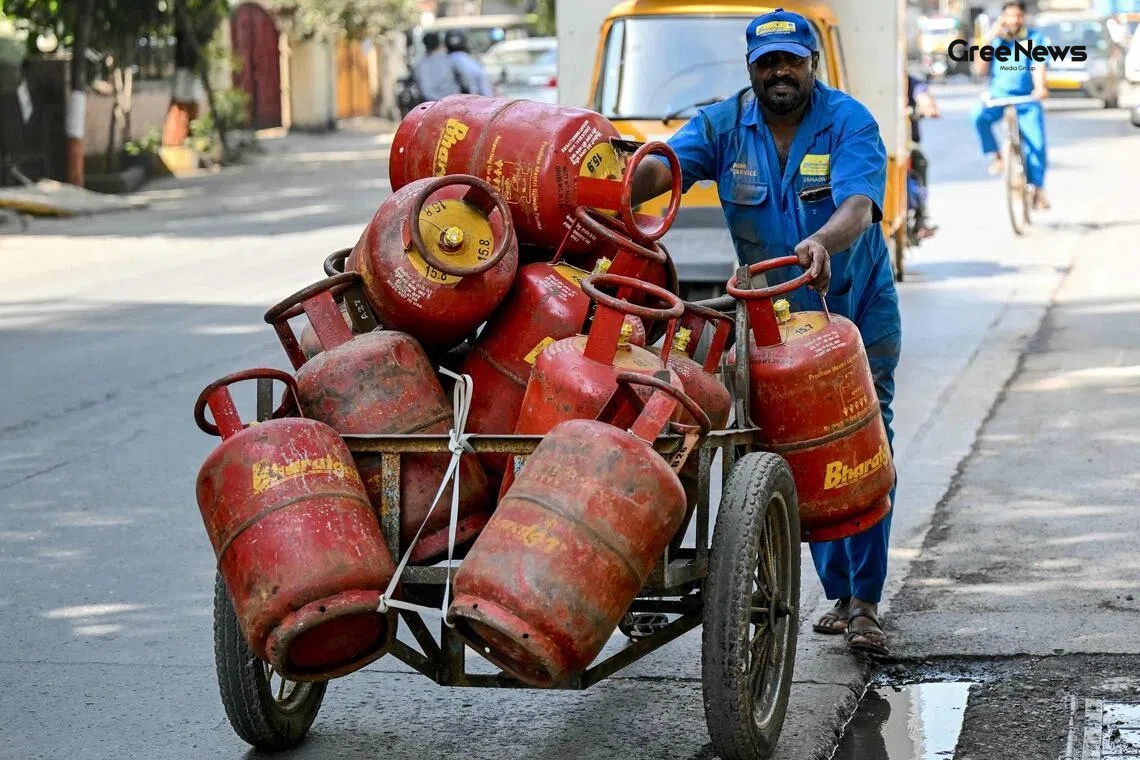
India is the world’s third‑largest oil consumer and about 90 % of our gas comes from the Middle East. So when the Gulf countries start feeling the heat from the Iran war, it reverberates straight to our tank‑stations and households. Even if the fighting stops tomorrow, experts say it could take years for liquefied petroleum gas (LPG) and other energy products to flow normally again while Gulf nations repair damaged facilities.
The Finance Ministry has already sketched out a few scenarios. One of them assumes crude oil will average around US$120 a barrel for the whole year. That’s a huge jump from the pre‑war price levels, and it directly translates into higher costs for everything from diesel‑run buses to the diesel you use for your generator during summer power cuts.
That’s why you keep seeing headlines about “latest news India” and “trending news India” talking about soaring fuel prices they’re not just hype, they’re reflections of a very real strain on our economy.
Growth forecasts under pressure
Before the conflict, the government was confident about keeping growth between 6.8 % and 7.2 % for the fiscal year ending March 2027. But a number of economists have already started pulling the numbers down. Goldman Sachs now sees growth at about 5.9 % for 2026, and Oxford Economics is pegging it at 6.2 %.
Policymakers still argue India can hit 7 % to 7.5 % growth, even stretch to 8 % if we avoid repeated shocks. That’s the magic number to meet Prime Minister Narendra Modi’s economic agenda. But as Alexandra Hermann from Oxford Economics puts it, “the vulnerability is unusually broad‑based.”
She points out that the rupee, household purchasing power, remittances from Gulf workers, fiscal space and private investment are all feeling pressure at once. Right now, the shock looks more cyclical than structural but if high energy costs stick around, it could start bleeding into the potential growth rate.
What the government is doing right now
Since the joint US‑Israel strike on Iran, the Modi administration has rolled out several fiscal steps. They have slashed taxes on diesel and petrol to keep pump prices stable, and they’ve put together a relief package for exporters that have business in the Middle East.
There’s also an economic stabilisation fund of about US$6.2 billion (roughly S$7.88 billion) that’s ready to be tapped if the shock deepens. For small businesses, officials are mulling a loan programme similar to the one from May 2020 basically 100 % guaranteed, collateral‑free loans to help with liquidity crunches.
During the pandemic, India’s fiscal deficit blew out to 9.5 % of GDP in 2020‑21 as the government pumped in stimulus. Combined, the central bank and the finance ministry pumped about 15 % of GDP into the economy through loan moratoriums, corporate tax cuts, and free food grains for migrant workers.
For this year, Finance Minister Nirmala Sitharaman had targeted a fiscal deficit of 4.3 % of GDP, but many analysts, including Standard Chartered’s Anubhuti Sahay, think the gap could widen by 0.7‑0.9 percentage points because of the oil price shock.
Impact on investors and the rupee
Foreign investors are already nervous. In the first few months of this fiscal year, overseas funds pulled nearly US$19 billion out of Indian markets that’s close to the full‑year record set in 2025. The rupee even slipped past the all‑time low of 95 per dollar, prompting the Reserve Bank of India (RBI) to take some of its most aggressive steps in a decade to curb speculative bets by banks.
If the supply shock deepens, we might see a gradual rise in retail fuel prices, says DBS Bank economist Radhika Rao. That could lead to “some deGree of demand destruction”, much like what we saw after Russia’s invasion of Ukraine in 2022.
And it’s not just fuel. Inflation in March nudged up, partly because of concerns about a weaker monsoon. The RBI kept interest rates on hold last week, but many banks, including Goldman Sachs and Standard Chartered, say the chances of a rate hike have gone up because inflation pressure is beginning to build again.
Shaktikanta Das, the principal secretary to Modi and former RBI governor, even said the recent Gulf hostilities have revived memories of the “demand destruction and severe supply‑side disruptions” we all felt during Covid‑19.
Why this matters to everyday Indians
Think about the daily commute a rise in diesel prices means higher bus fares, and a hike in petrol translates into more expensive rides for auto‑rickshaws. For a family that relies on a generator during load‑shedding, the cost of LPG can bite hard into the household budget.
And for the many Indians working in the Gulf, slower economies there could mean reduced remittances, which many families depend on for education, medicine, or even a bit of extra spending.
That’s why you’ll keep seeing viral news and India updates about the oil shock on social media it’s hitting the lives of ordinary people, not just big‑ticket numbers.
What happened next is interesting: the government is trying to balance immediate relief with long‑term fiscal prudence. While they have some room to manoeuvre after years of spending restraint, the widening deficit means they can’t keep pouring money without limits. So the challenge is to protect the most vulnerable without jeopardising the nation’s fiscal health.
Looking ahead
All eyes are on how long the Iran conflict will last and whether the Strait of Hormuz stays blocked. If the chokepoint remains shut, oil prices could stay elevated, and the knock‑on effects could deepen.
In the meantime, the central bank is keeping a close watch, and policymakers are ready to tweak the credit guarantee scheme, tax cuts or the stabilisation fund as needed. As someone who’s seen both the Covid‑19 shock and now this geopolitical one, I feel a mix of anxiety and cautious optimism anxiety because the headline numbers are scary, but optimism because the government seems to be learning from past mistakes.
Stay tuned, keep an eye on the latest news India feeds, and maybe consider a little extra budgeting for fuel and groceries the next few months could be a roller‑coaster.
World
Asia
Asia
Opinion
Opinion
Singapore
Sport
BLOOMBERG
Xiaomi
$9.59
$14.90 36% off
Muji
$60.00
$99.00 39% off
La Gourmet
$18.90
$59.90 68% off
Muzigae Mansion
$9.81
$27.90 65% off
Bellroy
$119.20
$149.00 20% off
Sony
$449.99
$649.00 31% off
Actto
$59.42
$106.95 44% off
Lego
$196.17
$259.90 25% off
EuropAce
$399.00
$599.00 33% off
Vanish
$10.43
$14.90 30% off
YOULIMEIJIA
$30.50
$56.05 46% off
Le Creuset
$108.00
$179.00 40% off
Disney
$27.90
$55.90 50% off
Dreame
$149.00
$299.00 50% off