So, the other day I was scrolling through my phone, checking the latest news India feed, when I stumbled upon a piece that instantly caught my attention. It was one of those breaking news stories you don’t want to miss because it could affect millions of households, not just across borders but also right here in neighboring Pakistan. The headline read something like “Pakistan announces power cuts in bid to control energy prices,” and I thought, “What’s going on?” I decided to dig deeper, and what I found was quite a mix of geopolitics, oil routes, and everyday life.
What the government said the basics
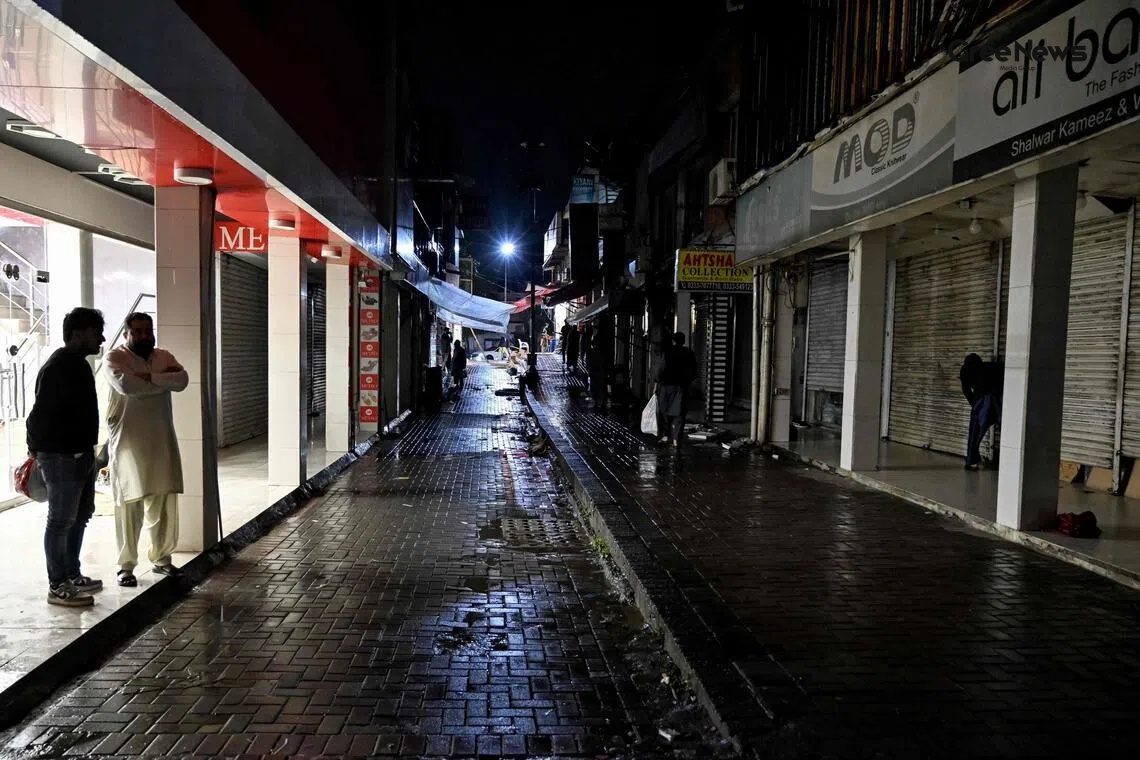
The energy ministry released a statement saying that, starting soon, most of Pakistan will face a scheduled suspension of electricity for about two‑and‑a‑quarter hours each evening. The window is between 5 pm and 1 am that’s the time when families are usually having dinner, kids are doing homework, and TV sets are switched on for the night’s shows. The cuts won’t happen all at once nationwide; instead, they will be rolled out region by region, so you won’t see the whole country go dark simultaneously.
One key point that surprised many including me is that Karachi, the colossal southern metropolis of over 20 million people, is exempt from these cuts. The ministry explained that the city, along with Hyderabad, enjoys access to cheaper power-generation sources in the southern region, so they can keep the lights on while the rest of the country faces the dimming.
When I read that line, I wondered what would happen when the power finally goes off in the smaller towns. Would street vendors lose business? Would hospitals have backup generators? The article promised more details, and the story quickly turned from a simple notice into a full‑blown trending news India topic.
The bigger picture why the cuts are needed
To understand why Pakistan is taking this step, you have to look at the wider geopolitical drama. Since late February, the US‑Israeli coalition launched a war against Iran. That conflict has turned the Strait of Hormuz a narrow waterway that ships more than a fifth of the world’s oil and natural gas into a dangerous choke‑point. Because of the fighting, many tankers have been forced to reroute, and those that still manage to pass are paying a massive premium.
Now, think about it: Pakistan imports a huge chunk of its energy through that very strait. When the oil price spikes, the cost of running those furnace‑oil‑fired power plants which are already the most expensive part of the mix shoots up dramatically. During peak‑usage hours (the evenings we mentioned earlier), the demand for electricity is at its highest, and the grid has to rely heavily on those costly plants to fill the gap left by reduced hydroelectric generation.
What caught my eye was the phrase “preventing a sharp rise in tariffs.” Essentially, the government is trying to keep the electricity bill from sky‑rocketing for ordinary consumers. If they hadn’t acted, the next month’s power bill could have been a shocking surprise for every household, pushing many into financial strain. It’s a classic case of short‑term inconvenience for long‑term stability a concept we often hear in Indian news too, especially when there’s a sudden surge in fuel prices.
How the rolling blackouts will work
Imagine you live in Lahore. According to the plan, your area will lose power for roughly two‑and‑a‑quarter hours each night. But it won’t be the same two‑hour slot every day. The ministry said the schedule will be rolled out, meaning different districts will experience the cut at different times within that 5 pm‑1 am window. The idea is to balance the load on the grid and avoid a total collapse.
From a practical standpoint, this means you might have to shift your cooking, laundry, or even study time depending on when the lights go out. I can picture students in towns like Multan trying to finish their school projects with a flashlight, while shop owners in smaller cities brace for reduced footfall after sunset.
What happened next is interesting many people on social media started sharing tips on how to cope: using battery‑powered fans, charging phones earlier in the day, or even scheduling TV shows in the early evening. This chatter turned the announcement into a viral news story, with memes popping up about “no power, no problem” and the government’s efforts to keep the nation’s heart beating.
Impact on Karachi and Hyderabad why they’re safe
Karachi and Hyderabad’s exemption is not just a random decision. Both cities sit close to the southern power‑generation hubs that use liquefied natural gas (LNG) and other cheaper fuels. Because of that proximity, these metros can rely on low‑cost electricity even when the rest of the nation is forced to cut back.
For a resident of Karachi, the news might feel like a sigh of relief. My friend in the city texted me, “Finally, we won’t have to worry about the evening power outage like the rest of the country.” He also mentioned how many businesses there have already invested in backup generators, which further cushions the impact.
Meanwhile, in Hyderabad, the story was similar the city’s power plant runs on natural gas, which is cheaper than the furnace‑oil plants elsewhere. This difference in fuel sources is what allows the ministry to exempt these two major urban centres while still pursuing the overall goal of curbing tariff jumps.
What this means for everyday folks my take
From where I sit, the plan feels like a double‑edged sword. On one side, it saves the average household from an unexpected surge in electricity bills. On the other side, it forces people to adapt their daily routines, which could be especially hard for those with limited resources. In many Indian villages, we’ve seen similar adjustments during load‑shedding seasons: families rely on kerosene lamps, children do homework under candlelight, and street vendors use small diesel generators.
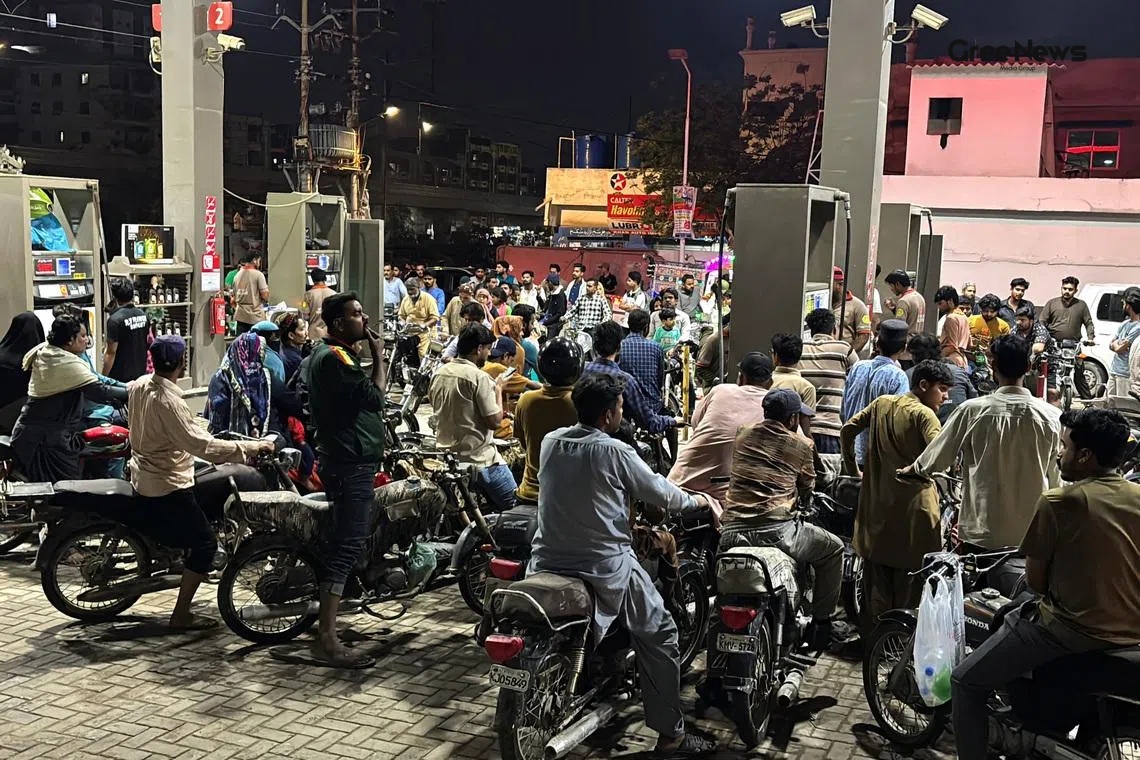
Many Pakistanis have already voiced concerns that the cuts could affect small businesses that operate in the evenings think of tea stalls, tuk‑tuk drivers, or even the countless street food vendors who serve dinner after dusk. If their lights go out, sales could dip, and that’s a real worry for families living hand‑to‑mouth.
But there’s also a flip side: the move might push a faster shift towards renewable energy and better storage solutions. Some local entrepreneurs are already talking about installing solar panels and battery banks to become less dependent on the grid. This could be a silver lining a chance for Pakistan to accelerate its transition to cleaner, more affordable energy, much like India’s push for solar rooftop installations.
Why the international conflict matters to us
It’s easy to think of the US‑Israeli war on Iran as a distant event, but its ripple effects are very real for the common man. The blockage of oil shipments through the Strait of Hormuz has turned into a price shock for every country that depends on those flows Pakistan the most, but also India, Bangladesh, and even some African nations.
When I read that “about a fifth of the world’s oil and natural gas supplies pass through the strait,” I realized how intertwined our economies really are. A single geopolitical flash‑point can cause our electricity prices to climb, leading governments to make tough choices like power cuts. It’s a reminder of why energy security is such a crucial topic in the latest news India circles.
Many people were surprised by this connection. A friend from Delhi shared a post saying, “If the Strait of Hormuz is closed, it’s not just a Middle‑East problem, it’s our morning chai problem too.” The analogy struck a chord, turning a complex international issue into something relatable.
What could happen next? future scenarios
Looking ahead, there are a few possibilities. If the war drags on and oil prices remain high, Pakistan might have to extend the rolling blackouts beyond the initial period, or even consider permanent load‑shedding during peak hours. Conversely, if diplomatic talks ease the tension and the strait reopens, fuel prices could stabilise, allowing the government to lift the cuts sooner.
Another scenario I’m keeping an eye on is the acceleration of renewable projects. The government could use this crisis as a catalyst to invest more in solar and wind farms, which would reduce reliance on imported oil in the long run. This would be a win‑win: lower tariffs and cleaner air, something both Pakistan and India desperately need.
Many people were curious about how long the public would tolerate these cuts. In my own experience with Indian load‑shedding, patience runs thin after a few weeks. Public sentiment can shift quickly, turning supportive policies into protests. So the authorities will have to walk a tightrope between managing costs and keeping the populace calm.
Wrapping up my personal reflection
All in all, this story felt like a perfect mix of global geopolitics and everyday life. It reminded me how a breaking news headline can evolve into a trending news India discussion that reaches every kitchen, office, and street corner. The fact that Karachi is exempt made me think of the inequalities that often pop up in such policies a reminder that not everyone shares the same resources.
For anyone living in Pakistan, or even for us Indians watching next door, the key takeaway is that energy markets are fragile, and any shock can rapidly trickle down to the lights in our homes. Whether you’re cooking dinner, studying for exams, or just scrolling through your phone, the power you take for granted could be switched off at any moment and that’s exactly why staying informed about the latest news India and regional developments is so important.
So, the next time you hear about a power cut somewhere, remember there’s a whole chain of events behind it from wars in distant lands to the price tags on the oil tankers, all the way to the flickering bulb above your desk.