What the Cabinet decided: a quick snapshot
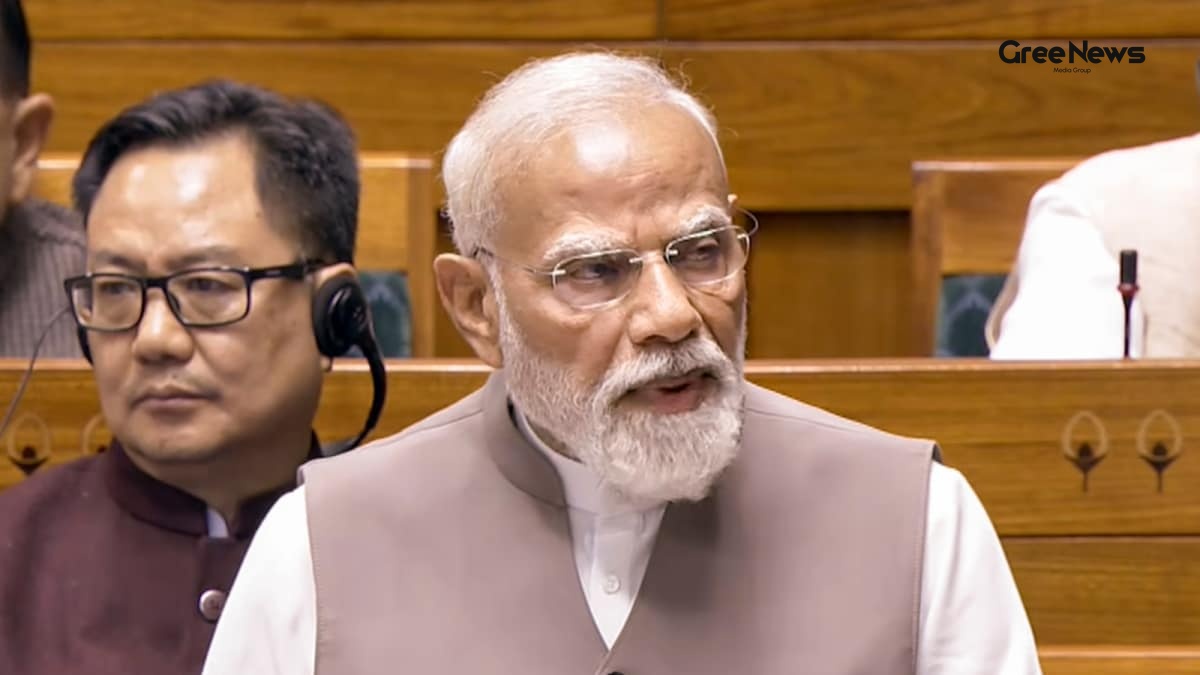
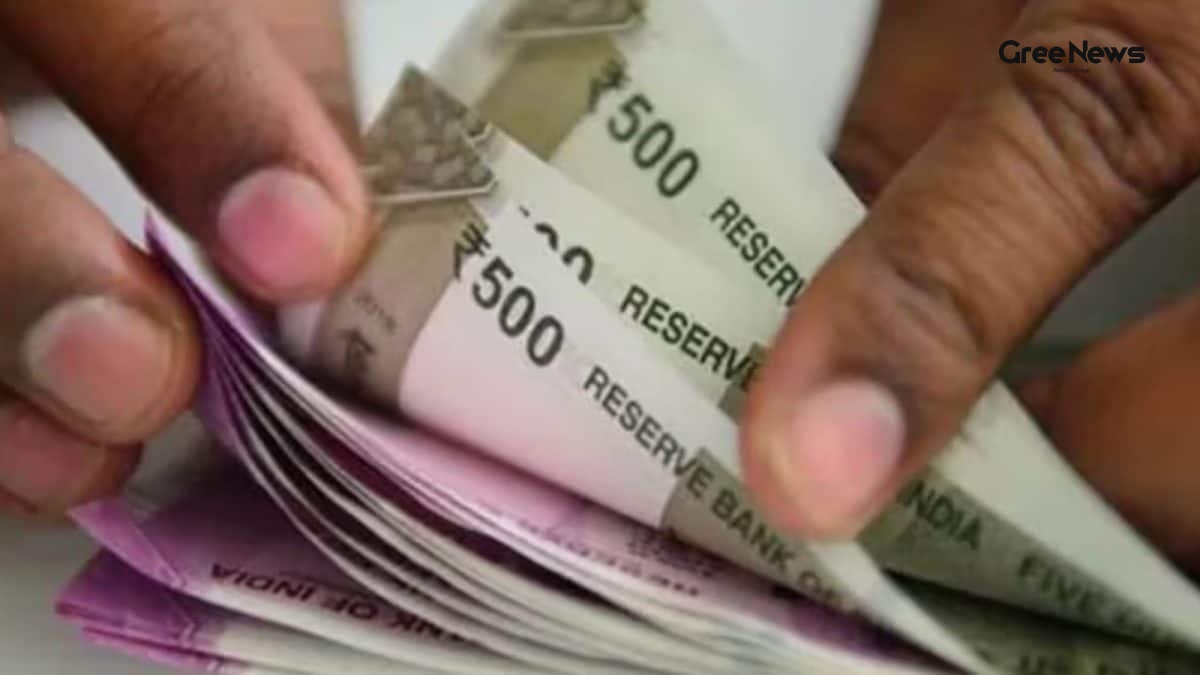
So, the Cabinet this weekend gave the Green light to a 2 percent rise in Dearness Allowance that’s the DA we all hear about when the news talks about cost‑of‑living adjustments. Basically, the existing DA that central government employees and pensioners receive is being nudged up by two percentage points. It sounds simple, but for many of us, especially those with a monthly pension slip, that tweak can mean a few extra rupees that help cover the price hikes at the local kirana store.
When I first read the breaking news, I was sipping chai with a couple of former colleagues. We instantly started comparing the numbers to our own salary slips. It felt like a small win, and honestly, a bit of relief, considering the inflation chatter that’s been trending news India lately.
Dearness Allowance why it matters to everyday folks
Dearness Allowance, or DA as we call it, is essentially a cost‑of‑living adjustment that the government gives to its employees and retirees. The idea is to protect our earnings from the bite of inflation you know, those days when the price of onions suddenly spikes and you wonder how to manage the next month’s grocery bill.
In most cases, DA is calculated on a percentage basis over the basic pay. So, a 2 percent hike doesn’t sound huge, but when you stack it on top of a basic pay of, say, Rs 30,000, it translates into an extra Rs 600 every month. For a pensioner living on a fixed amount, that extra amount can be the difference between buying a new sari or having to make do with an older one.
Many people were surprised by this decision because earlier the talk was largely about waiting for the 8th Pay Commission. Yet, the Cabinet chose to address the immediate pain point of inflation, which is why this piece of India updates quickly went viral across social media platforms.
How the hike will hit the pocket a real‑life view
Let me walk you through a simple scenario. My aunt, who retired from a central ministry last year, receives a pension of Rs 25,000. With the 2 percent DA increase, her monthly pension goes up by Rs 500. It sounds modest, but those extra half a thousand rupees cover her monthly metro card and a few extra vegetables.
On the other side, my friend who is a junior officer in a central department earns a basic of Rs 35,000. Adding the 2 percent DA bumps his take‑home by about Rs 700. That extra cash, he says, lets him take his family out for a weekend movie night something he had to skip earlier.
These stories might sound like personal anecdotes, but they echo what many central government families are feeling right now a tiny but welcome cushion in a time when everything feels pricey.
Employee groups and the bigger picture why the talk of the 8th Pay Commission matters
While the 2 percent DA hike is a relief, it’s also part of a larger conversation that’s been brewing for months. Employee unions and the National Council Joint Consultative Machinery (NC‑JCM) have been pushing for a more comprehensive overhaul of the pay structure.
In a memorandum submitted to the government, the NC‑JCM suggested a fitment factor of 3.83. If that number gets accepted, the minimum basic pay could jump from the current Rs 18,000 to around Rs 69,000. That’s not just a small tweak it’s a massive revision that would reshuffle the entire salary hierarchy for central employees.
Many people were curious about why the NC‑JCM is asking for such a big number. The answer, in most cases, ties back to the rising cost of living and the desire for a salary that truly reflects today’s economic realities. This demand, coupled with the Cabinet’s decision on DA, shows that the government is trying to balance short‑term relief with long‑term reforms a balancing act that’s currently the subject of trending news India.
What does the 8th Pay Commission aim to do?
The Pay Commission, which is set to be the 8th of its kind, looks at all aspects of salary basic pay, allowances, pension benefits, and even other perks like housing and medical facilities. Basically, it’s a massive review that happens every few years to ensure that government compensation stays in line with the economy.
What’s interesting is that the current DA hike was approved just as the NC‑JCM’s memorandum was gaining traction. Many observers think this could be a signal that the government is ready to consider the larger proposals. It’s like when you order a small bite of something spicy, and the chef gives you a whole plate because they sense you might like more.
The upcoming discussions could shape the future of millions of employees. That’s why the whole thing has turned into viral news among civil servants and their families, who are now eagerly watching each development like a cricket match.
Impact on retirees a closer look
Retirees often feel left out of salary talks, but the DA hike directly affects them. Since DA is a percentage of the pension amount, a 2 percent rise lifts every pensioner’s monthly income uniformly.
This kind of relief may sound small, but when you think about the countless retirees across the country, the aggregated effect is significant. It’s exactly the sort of India updates that get highlighted in the latest news feeds, especially as the government strives to show that it cares for its senior citizens.
Why the timing matters inflation’s bite and the government's response
India’s inflation rate has been dancing around the middle single digits for a while now, and everyday items like oil, pulses, and milk have seen steady price climbs. In most cases, the middle‑class family feels the pinch directly at the grocery store.
The Cabinet’s decision to raise DA by 2 percent can be seen as a tactical move to address that immediate pain. It’s a bit like when a doctor prescribes a quick remedy for a fever while ordering more comprehensive tests for the underlying cause.
The fact that this news has been trending across multiple platforms indicates that people are looking for any bit of relief. The Cabinet’s step, albeit modest, aligns with the broader narrative of the government trying to stay responsive to public concerns.
Public reaction what people are saying
Since the announcement, discussions have popped up in WhatsApp groups, on Twitter threads, and even in the local tea stalls. Many employees expressed gratitude, saying the increase feels like a “pat on the back” during tough times.
On the flip side, some senior officials argued that a 2 percent hike is just a band‑aid and urged the administration to fast‑track the Pay Commission’s recommendations. This mixed reaction is what makes the story such breaking news it’s not just a one‑sided narrative.
What caught people’s attention most was the mention of the NC‑JCM’s fitment factor demand. That’s when the conversation shifted from a short‑term tweak to a long‑term overhaul, sparking debates about fiscal responsibility versus employee welfare.
Future outlook what to watch for next
Looking ahead, the key things to keep an eye on are the progress of the 8th Pay Commission and how the government responds to the NC‑JCM’s memorandum. Will they accept the 3.83 fitment factor? If they do, the basic pay structure could change dramatically, affecting not just a handful but millions of staff.
For now, the 2 percent DA hike stands as immediate relief. Many are waiting to see if this will pave the way for bigger reforms. The story is still unfolding, and as a follower of current affairs, I can tell you that the next few weeks will be crucial.
So, keep an eye on the latest news India feeds, because this is one of those updates that could ripple through household budgets, pension statements, and even the next election discourse.