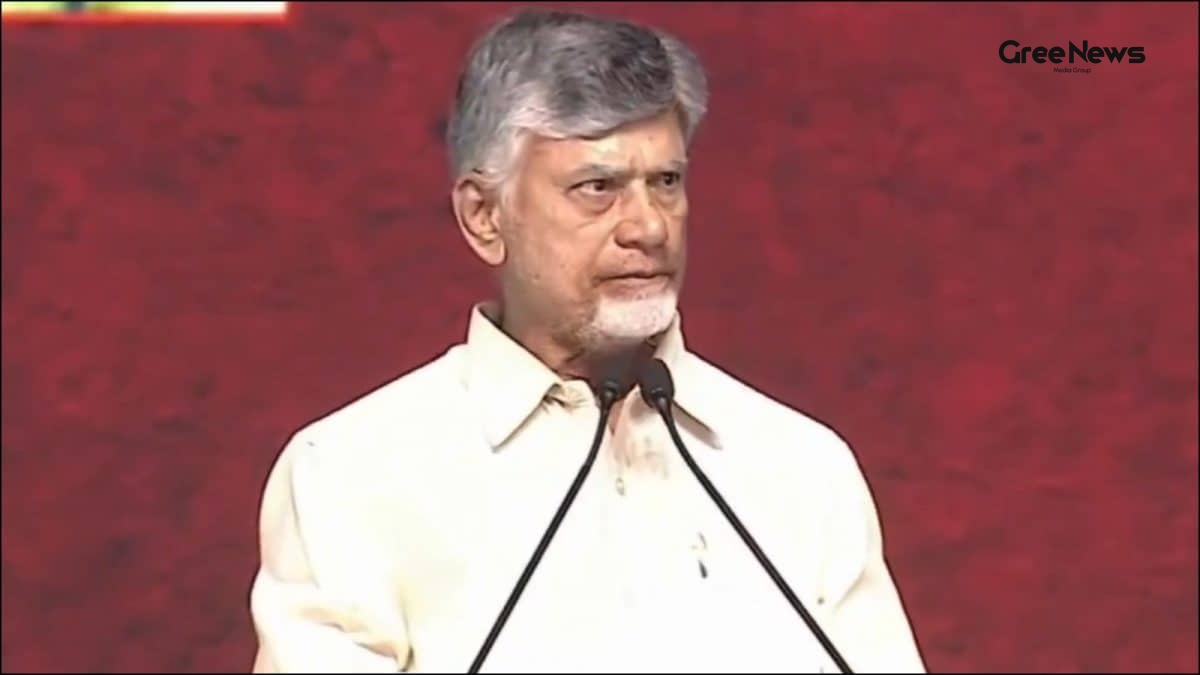
So, I was scrolling through the latest news India feeds on my phone early this morning, and guess what caught my eye? The big uproar in the Parliament over the Women’s Reservation Bill. Turns out, the Lok Sabha didn’t give it the two‑thirds majority it needed, and the whole thing turned into what many are calling a “black day”. I felt compelled to share what happened, especially because the whole saga unfolded right in my hometown of Nidadavolu, where the Andhra Pradesh Chief Minister, N Chandrababu Naidu, was holding a rally.
Honestly, the whole atmosphere at the rally felt like a scene straight out of a Bollywood movie a mix of passionate speeches, crowds chanting, and a lot of emotions. Naidu, who is also the head of the Telugu Desam Party (TDP), took the stage with the usual swagger, but there was something different in his voice that day. He talked about the bill’s defeat as if it were not just a political setback, but a personal blow to every woman who’s ever dreamed of seeing herself in the halls of Parliament.
Naidu’s ‘Black Day’ Narrative
When Naidu started speaking, he said something that stuck with me: “Yesterday was a black day for the country because everyone thought that women would finally get 33% reservation, and this has been pending in the constitutional houses for a long time.” He went on to say that the nation had been fighting for this for decades, and now it felt like a betrayal. He didn’t just call it a political loss; he called it an “injustice to women”. I could see the crowd nodding, people clapping, and a few even wiping tears. It reminded me of the many times I’ve heard folks in my village talk about the lack of women’s voices in decision‑making bodies.
He added, “After so many struggles, when the time has come for everyone to come forward, Congress and its allies have betrayed the women. This is the betrayal of the entire community.” Honestly, that line made the whole place go a bit silent, as if everyone was processing what that betrayal meant for their daughters, sisters, and mothers. The rally was organized by the NDA, and Naidu’s words were clearly aimed at the opposition parties, especially the Congress and its allies, who voted against the bill.
What’s interesting is how he framed the defeat not just as a Parliament issue but as a reflection of the whole country’s progress. He said, “We have wished to see 33% women in Parliament, the Assembly and the Council.” It felt like he was trying to make every Indian person realize that this is about more than politics; it’s about having women’s perspectives in laws that affect our daily lives, from education to health to agriculture.
Actually, while I was listening, I remembered stories from my own family; my aunt, a school teacher, once told me how policies made without women’s inputs often miss out on real ground‑level challenges. That’s why this bill mattered to a lot of us, not just as a statistic, but as a promise of better representation.
The Vote Count and What It Means
Let’s look at the numbers for a second, because the bill’s fate hangs on these figures. The Constitution (One Hundred and Thirty‑First Amendment) Bill needed a two‑thirds majority in the Lok Sabha to pass. That means at least 332 votes out of 543 members. In the end, the bill got only 298 votes in favour and 230 against. So, we fell short by about 34 votes. Those numbers might sound like just statistics, but they translate to real consequences for women’s political empowerment.
Breaking it down, the vote showed a split among the parties: the ruling alliance, which includes the BJP and its partners, largely supported the amendment, while the opposition, especially the Congress, chose to vote against it. The opposition’s stance was justified by them as a matter of procedural concerns, but many, including Naidu, view it as a deliberate move to stall women’s reservation.
In most cases, a bill failing at this stage means it has to go back to the drawing board, perhaps be re‑introduced with changes, orworst casebe shelved indefinitely. The disappointment expressed at the rally mirrors the feeling of millions of women across India who have been waiting for this constitutional change for decades. It’s also become a piece of breaking news that’s one of the top trending news India items right now.
From a personal perspective, I could see the frustration on the faces of the few women who had managed to get seats in local bodies. They shared their stories of how “being heard” in village panchayats made a huge difference. The bill’s failure feels like a step back for them.
Political Reactions Across the Spectrum
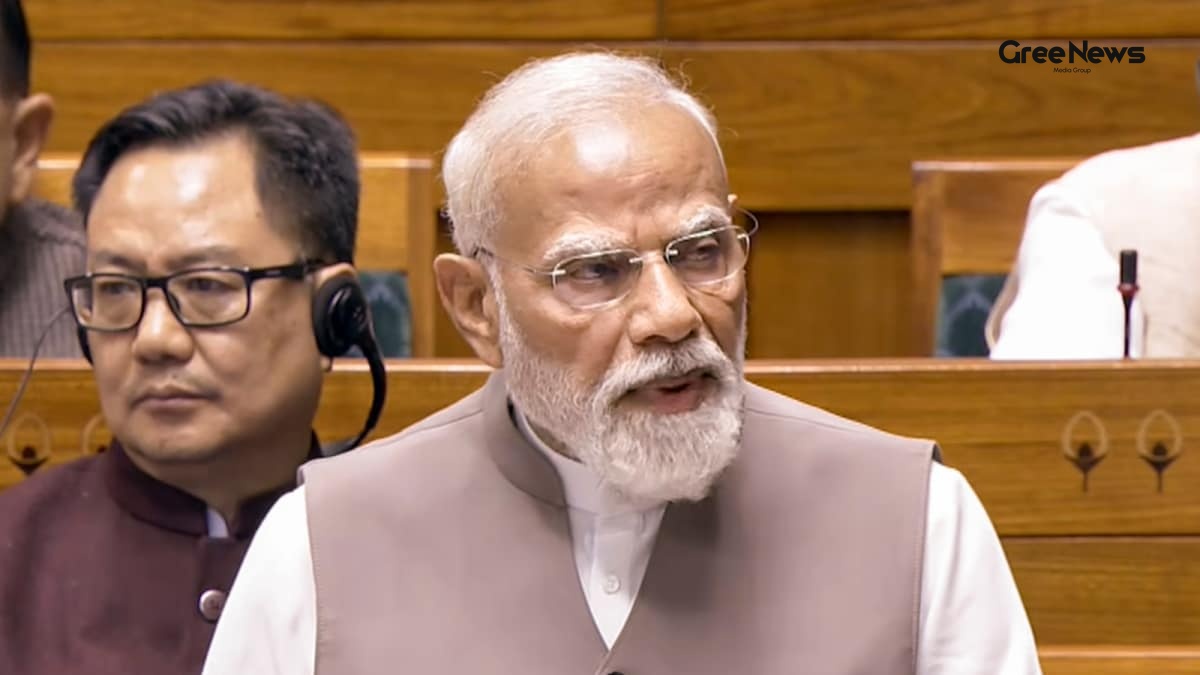
After the vote, political reactions started flooding in like a monsoon. The ruling coalition didn’t waste any time; they went on multiple TV channels and social media platforms denouncing the opposition’s decision. In many breaking news videos, you can hear the Prime Minister’s office describing the outcome as “a setback for gender equality”.
On the other side, opposition leaders defended their stance. Some argued that the bill, as it stood, could cause complications in the electoral process and suggested a need for more discussion. They also mentioned that earmarking a fixed quota could potentially marginalise other under‑represented groups.
But the real story that turned into viral news was Naidu’s rally in Nidadavolu. It wasn’t just about politics; it turned into a community gathering where people discussed how the bill’s failure could affect everything from school admissions to women’s safety schemes. I heard a shopkeeper from the market say, “If women get a seat, maybe we will see more policies for small traders like us”. That sentiment captured the everyday hopes tied to the bill.
Even social media influencers started posting short videos using the hashtag #BlackDayForWomen, urging the government to revisit the amendment. The total reach of these posts added another layer of trending news India that day.
What This Means for Women’s Representation
Now, let’s zoom into the core issue: representation. The Women’s Reservation Bill aimed to reserve one‑third of seats for women in both Parliament and state legislatures. This isn’t just about numbers. It’s about ensuring that voices from the grassroots, especially from rural backgrounds like mine, get heard in national decision‑making.
For example, think about a woman farmer in a remote village of Andhra Pradesh. She knows the challenges of irrigation, seed quality, and market access better than anyone else. If she were sitting in the Lok Sabha, she could push for policies that directly address these pain points. That’s the kind of practical impact many activists have been talking about in the latest news India feeds.
And yet, the bill’s rejection means that these kinds of perspectives remain under‑represented. The reaction on the streets of Nidadavolu reflected a mix of anger and determination. Some youths promised to lobby their local MLAs, while senior citizens recalled the long‑standing promises made during previous governments.
In most cases, the failure also fuels the narrative that the political class is still stuck in old‑fashioned thinking, ignoring the evolving role of women in society. That sentiment is now part of the viral news conversations on various platforms, where people are demanding “real” action rather than just symbolic gestures.
Personal Observations and Everyday Examples
While all this political chatter was happening, my own daily routine reminded me why the reservation matters. I drive my kids to school in the morning, and on the way, I pass by the local council building where a woman councilor is holding a meeting about waste management. She’s literally solving a problem that affects my neighbourhood. If more women like her were in higher legislative bodies, maybe the waste management policies would be more effective across the state.
Also, during a chat with my nephew who’s preparing for his engineering entrance, he mentioned how government scholarships for women can make a big difference. With more women in Parliament, he hopes those scholarships would increase, giving more girls a chance to pursue higher education.
These tiny, everyday experiences are why Naidu’s statements resonated with many of us at the rally. He didn’t just talk about percentages; he linked the bill’s importance to real-life storiessomething that the trending news outlets are now picking up and sharing as personal anecdotes.
What Could Happen Next?
Looking ahead, there are a few possible routes the government might take. They could re‑introduce the bill with some amendments to address the opposition’s concerns, or they might try to negotiate with the parties that voted against it. Either way, the conversation is far from over, and the latest news India keeps the spotlight on this issue.
Some political analysts suggest that the ruling coalition might try to bring in a compromisemaybe a lesser quota initially, with a roadmap to reach the full one‑third over a few electoral cycles. Others think that if the public pressure keeps upthanks to rallies like Naidu’s and the ongoing viral news on social mediathe opposition could be forced to change its stance.
In any case, the story remains a hot topic in the trending news India feeds, and it’s likely to stay that way until a concrete decision is taken. For now, we keep watching, discussing, and sharing our thoughts, hoping that the next chapter will finally bring that long‑awaited 33% representation for women.