Russia tightens control of social media, pressuring influencers with platform bans, speech laws and penalties, hurting incomes and driving self‑censorship and migration.
Honestly, I was just scrolling through my phone, checking the latest news India feeds, when a headline about Russian influencers caught my eye. It felt like one of those breaking news stories that you can’t ignore, you know? I started reading more about how the Kremlin is tightening the screws on anyone who talks online, especially those who have built big followings on Instagram, YouTube and TikTok. What happened next is interesting the whole digital landscape there is shifting, and it’s making a lot of creators nervous.
From open platforms to controlled spaces
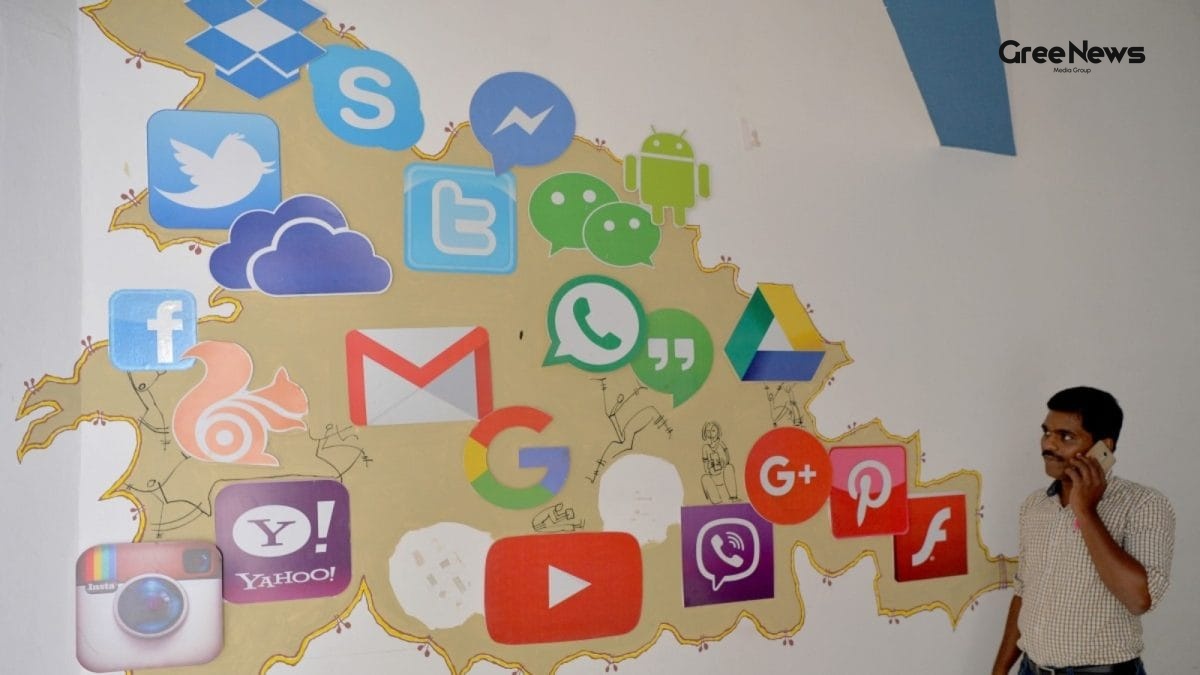
Since the war in Ukraine began, the Russian authorities have been on a mission to push people away from Western platforms. They keep talking about promoting domestic alternatives like a home‑grown version of YouTube or TikTok. I remember my friend in Moscow saying that these new apps are fine for sharing short videos, but they hardly give you the same reach or the same ad revenue. Basically, it feels like they’ve swapped a bustling market for a tiny, tightly‑watched shop. And the irony? The more the state tries to control everything, the more creators feel like they’re walking on thin ice.
Many of the influencers I’ve been following for years used to post freely about fashion, travel, or daily life. Suddenly, they’re being told to stay clear of anything political. You know, a lot of them just switched to showing their pets or cooking recipes anything that won’t draw the regulators’ attention. It’s almost comical how a simple cooking video now feels like a safe haven. Yet, many of them are still worried that even a harmless comment could be mis‑interpreted as criticism.
New rules, growing risks
The government rolled out stricter laws that criminalise spreading "false information" about the military. It sounds like something out of a spy thriller, but it’s very real for these creators. Influencers I know have told me they now have to double‑check every caption, every story, even the hashtags they use. In most cases, if a post is flagged, they can face fines, a temporary or permanent ban, and in the worst scenario, criminal charges.
What’s more, the fear is spreading fast. Many of them have started self‑censoring even on topics that seem harmless. A fashion blogger I follow stopped mentioning any political slogans on her clothes, just to avoid a slip‑up. This caught people’s attention because the shift was so sudden you could feel the tension in the comments sections, where followers started asking, “Are you okay? Are you safe?” Many people were surprised by this reaction, especially since these platforms used to be a place for carefree expression.
Economic impact on creators
Let’s talk money, because that’s where the real pain lies. With the ban on global platforms, advertisers from abroad are pulling out fast. International brands that once partnered with Russian influencers are now hesitant, fearing backlash or just not being able to run ads on the blocked platforms. So, the income streams that many creators depended on have dried up.
I talked to a YouTuber who said his monthly earnings dropped by half after the crackdown. He tried to switch to a Russian platform, but the ad rates there are much lower and the audience reach is limited. Brand partnerships turned into a nightmare he mentioned how a partnership with a popular sneaker brand was canceled because the brand decided to stop all Russian market activities. This kind of story is now trending news India circles, because it mirrors what many freelancers face when the market shifts.
Even those who stayed on domestic platforms are feeling the pinch. Some have started selling merch directly to their followers, but that’s not enough to replace the lost ad revenue. So, you’ll find a lot of influencers quietly leaving the country, heading to places where they can keep using global platforms without fear. It’s a brain drain of digital talent, and that’s a big loss for the local creative scene.
Balancing compliance and creativity
Now, imagine you’re an influencer who loves creating content, but you also have to obey the state rules. It’s a tightrope walk. Many creators are trying to stay authentic while not crossing invisible line‑drawings put by the authorities. I’ve seen posts where influencers cleverly hide political commentary inside jokes, hoping the censors won’t get it. Some call it “coded language,” but honestly it feels a bit like walking in the rain with an umbrella that has holes.
What’s fascinating is how some of them have managed to keep their audience engaged. A lifestyle blogger I follow started a series on “Everyday Indian Snacks” not because she loves snacks, but because it’s a safe topic that still attracts viewers. This kind of pivot shows the resilience and ingenuity of creators. Yet, analysts warn that this kind of constant self‑censorship could eventually kill the spark of creativity altogether. Many say the crackdown is part of a larger Kremlin strategy to control narratives and mute independent voices online.
A changing digital ecosystem
All these pieces come together to form a new digital ecosystem in Russia. It’s increasingly state‑managed, with tighter monitoring of content and less room for dissent. The internet space there is becoming a lot like a TV channel where everything has to be approved before it goes live. While some creators have managed to adapt, many warn that the overall environment is stifling.
One thing that stands out for me, as someone who follows viral news from around the world, is the speed at which this transformation happened. From open, globally‑connected platforms to a heavily‑controlled environment it’s a shift you’d expect in a dystopian novel, not in real life. Many people were surprised when influencers started disappearing from the feeds they loved. The silence is loud, and it makes you wonder how long it will take before the creative community either conforms completely or moves out entirely.
In the end, this whole saga feels like a cautionary tale. It tells us that when governments tighten the reins on the internet, the ripple effects touch not just politics but livelihoods, creativity, and the very way people connect. As we keep an eye on the latest news India and global trends, it’s worth thinking about how similar moves could affect any country’s online space, including ours.