So, the other day I was scrolling through my phone, looking for the latest news India had to offer, when I stumbled upon a piece about Iran’s IRGC‑run “mosquito fleet”. It wasn’t the usual headline about oil prices or cricket scores this was something different, a kind of breaking news that felt like a scene out of a naval thriller.
What really caught my attention was the description of these small, agile boats, each chipped with missiles, machine guns and surveillance gear. Imagine a swarm of buzzing insects, but instead of wings they have outboard motors, and instead of stingers they carry modest missiles. When these boats move together, they become a force that even big warships find hard to ignore.
What Exactly Is This “Mosquito Fleet”?
Let me break it down in simple terms the IRGC has been building a large number of lightweight speedboats. Individually, each craft might look like a fancy fishing boat, but collectively they’re a tactical nightmare for any navy that relies on bigger, slower vessels. The boats are equipped with short‑range missiles, heavy machine guns and a respectable amount of surveillance equipment. Their main strength lies in numbers and speed. A coordinated swarm can overwhelm a much larger ship’s radar, slip through gaps and, if needed, launch quick strikes before retreating into the maze of the strait.
From a personal standpoint, it reminded me of those crowded Mumbai local trains where a handful of passengers push their way through, making it impossible for the regular flow to stay orderly. Similarly, these speedboats can move in swarms, break the predictability of larger naval formations, and force the opposition to constantly adapt.
Why the Strait of Hormuz Is the Perfect Playground
Now, you might wonder why Iran chose the Strait of Hormuz for this game. The answer is simple: geography. The strait is narrow barely a few miles wide at its tightest point and it’s right next to Iranian territory. That means the IRGC’s small vessels can launch from the shore, zip across, and retreat before any larger ship has a chance to respond effectively.
In most cases, a big ship needs a clear line of sight and a decent amount of open water to maneuver. In the cramped lanes of Hormuz, those conditions disappear. In fact, the very congestion that makes the waterway vital for global oil transport also works to Tehran’s advantage. It’s a bit like trying to play cricket on a crowded roadside; the ball can bounce off anything, making every shot unpredictable.
That’s why analysts call this an asymmetric strategy it’s not about matching the US Navy’s firepower, but about exploiting the narrow waters, using speed, numbers and the element of surprise.
Drones, Mines and the Whole Swarm Ecosystem
The mosquito fleet doesn’t act alone. It’s part of a layered defence that also includes sea mines, coastal missile batteries and a fleet of drones that keep tabs on every ship passing through. Think of it as a multi‑layered security system the mines are the hidden traps, the drones are the eyes in the sky, and the speedboats are the quick‑reaction forces.
When a commercial tanker tries to navigate the strait, these boats can either harass it, force it to follow a specific route, or simply escort it under Iranian oversight. The presence of sea mines adds an extra veil of danger even if a navy wants to ignore the speedboats, the mines force them to tread carefully.
From a personal angle, I’ve seen similar layered tactics in everyday life. For instance, when you’re trying to park in a busy market lane, it’s not just one car that blocks you; it’s a whole mishmash of pedestrians, vendors and other vehicles. You have to be extra cautious, just like these navies have to be around Hormuz.
Why Larger Navies Find It Hard to Counter
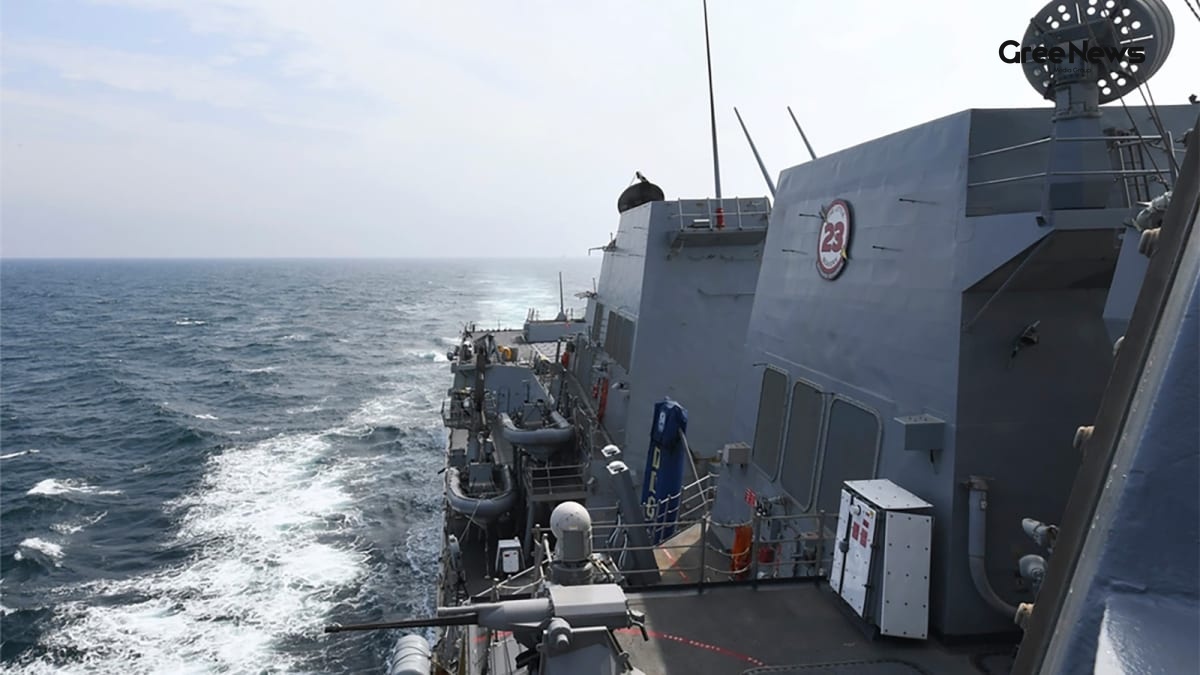
Here’s where the story gets really interesting counter‑operations against these tiny boats are surprisingly tricky. Big warships are designed for open‑sea battles, not for chasing down fast, low‑profile speedboats that can disappear in a blink. Add to that the fact that the strait is a bustling commercial lane, and any aggressive move could risk civilian lives.
Rules of engagement, especially in such a congested area, become a massive headache. Imagine trying to stop a speeding scooter on a crowded Delhi road without hitting anyone else it’s a nightmare. Similarly, the US and allied navies have to decide whether to fire warning shots, use non‑lethal measures, or simply let the speedboats slip by.
Even limited harassment by a swarm can spike insurance premiums for ships, cause minor delays and, perhaps most importantly, create a psychological pressure cooker. Companies start thinking twice before sending their tankers through Hormuz, which in turn can impact global oil prices.
Economic Ripple Effects and Why It Matters to India
Now, why should any Indian reader care about this? Simple the Strait of Hormuz handles roughly 20% of the world’s oil supply. Any disruption, even a minor one, can send shockwaves through the global market, eventually touching fuel prices at a petrol pump in Delhi or the cost of diesel for tractors in Punjab.
When the media picks up on these incidents, they quickly become trending news India and viral news on social platforms. I’ve seen countless posts where people debate whether the rising fuel prices are because of these moth‑eaten speedboats or because of internal politics. Such discussions form part of the broader India updates that keep the public informed and, frankly, a bit anxious.
The strategic leverage Iran gains is not just about military might; it’s about having a bargaining chip in diplomatic talks. By keeping the strait technically “open” but still under tight control, Tehran can claim they’re not blocking trade while still holding the threat of escalation in their back pocket.
My Takeaway: The Future of Naval Warfare
Watching these developments unfold reminded me of how technology is reshaping old paradigms. The mosquito fleet represents a shift from massive battleships to cheap, fast, and networked platforms that can punch above their weight. It’s a bit like the rise of Indian startups small, agile, and disruptive, shaking up established giants.
In most cases, the world will see more of these low‑cost, high‑impact tools, be it on land, in the air, or at sea. For us regular folks, it means staying tuned to breaking news and understanding that the headlines we read are part of a larger chessboard where even the smallest piece can change the game.
If you’re following the latest updates, pay attention to how these tactics evolve. Every time a new swarm is spotted, you’ll likely see the story pop up in the next round of trending news India, sparking debates, memes, and perhaps even policy discussions in the Parliament.
Conclusion: A Tight Grip with Uncertain Outcomes
All in all, Iran’s mosquito fleet, backed by drones, mines and coastal missiles, has turned the Strait of Hormuz into a high‑stakes arena where speed, numbers and ambiguity reign supreme. The strategy gives Tehran a potent lever over a crucial global oil route without needing to close the waterway outright.
For the US Navy and its allies, the challenge lies in developing new counter‑measures that can deal with rapid, low‑profile threats in a congested environment while respecting commercial traffic. And for India, the ripple effects of any disruption reverberate through our energy market, making this story a piece of breaking news that we can’t afford to ignore.
So, the next time you hear about a spike in fuel prices or see a meme about “mosquitoes buzzing in the Gulf”, you’ll know there’s a whole strategic drama behind it a drama that’s very much alive in today’s trending news India and will likely keep us all hooked for a while.