What happened in the Hormuz Strait? My take on the latest reports
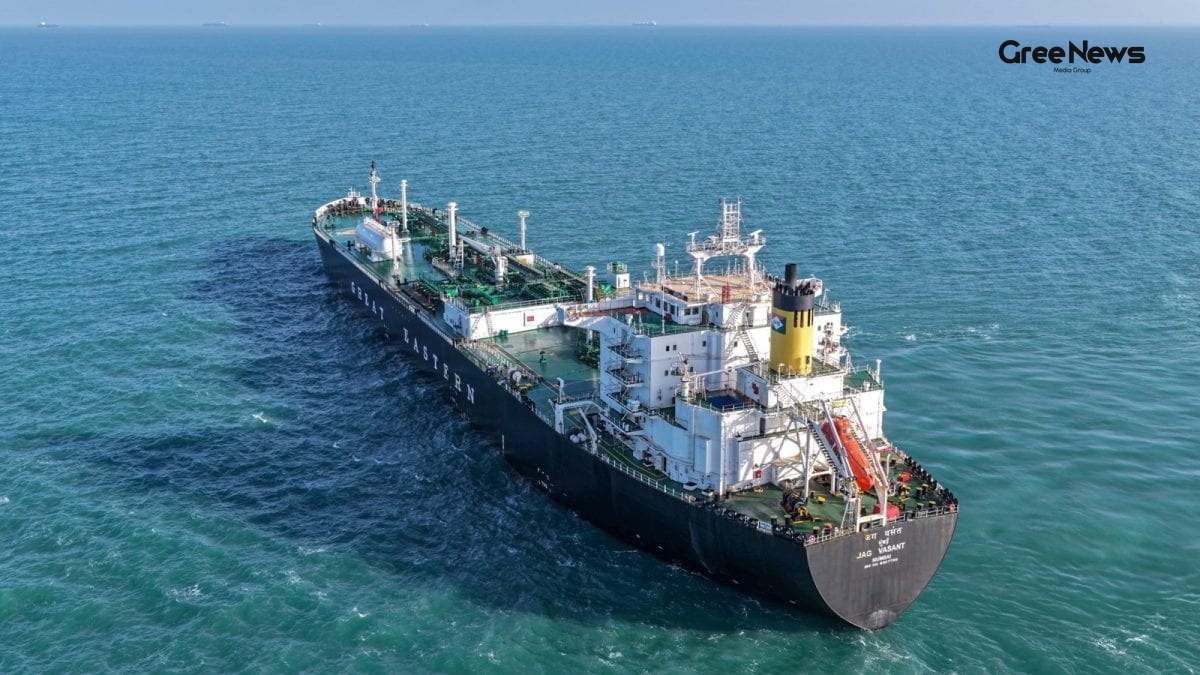
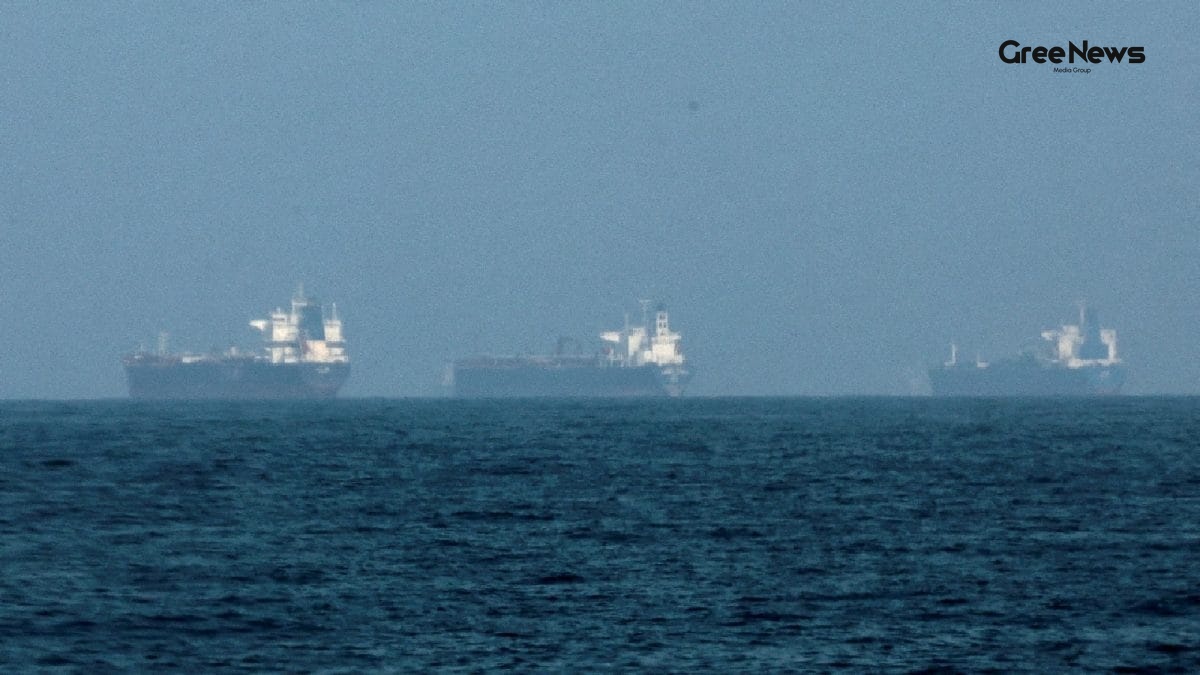
So, the other day I was scrolling through the latest news India feeds when I stumbled upon a story that instantly felt like a scene from a thriller. Apparently, a few Indian‑flagged tankers were trying to squeeze through the narrow Hormuz Strait when suddenly, gunfire rang out. Not the usual kind of "traffic jam" you hear about on the highways, but actual warning shots from Iranian IRGC Navy gunboats. I mean, imagine being on a ship, hearing the thuds of gunfire and then seeing stray bullets hit the bridge windows that’s the kind of stuff that makes you sit up straight, right?
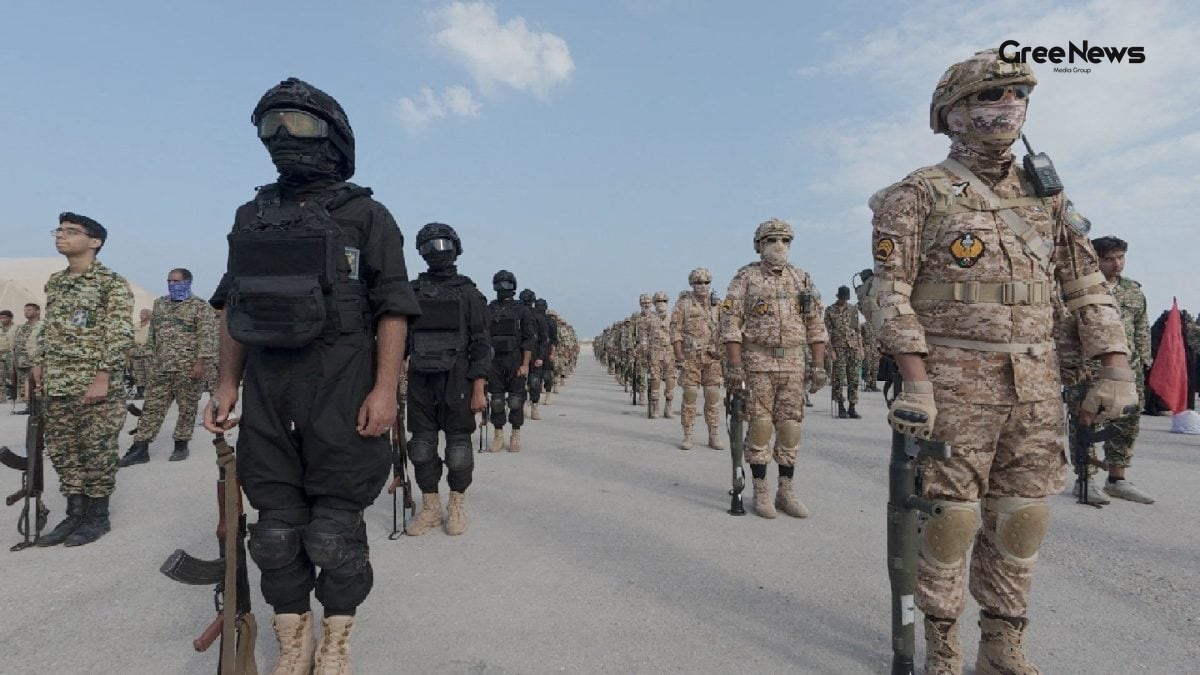
According to top government sources, the IRGC fired those shots because the tankers hadn’t secured prior clearance from the Iranian side. The gunboats were essentially saying, "Hold up, you can’t just zip through without our permission." It’s a subtle but strong reminder that, even though Iran’s foreign minister had earlier assured safe passage during the Lebanon ceasefire, the revolutionary guard still controls the waters and enforces strict rules. This caught a lot of people off‑guard, especially those who thought the strait was fully open again.
Now, you might be wondering were the ships deliberately targeted? The officials clarified that the bullets were stray, not aimed at any specific vessel. Both tankers ended up with minor damage a cracked bridge window on each but thankfully there were no injuries. In most cases such small‑scale incidents don’t make headlines, but because the strait is such a crucial energy corridor handling about a fifth of global oil and LNG any hint of trouble turns into viral news pretty quickly.
Why this matters the bigger picture behind the gunfire
To understand why this particular incident is causing such a stir, you need to look at the bigger canvas. The Strait of Hormuz is literally one of the world’s busiest maritime chokepoints. Think of it as the “highway” for oil that fuels everything from your kitchen stove to the diesel in a bus. When you hear about a disturbance there, it’s not just a local issue it ripples across the entire global supply chain. That’s why shipping companies and insurers are now walking on eggshells, even though the actual damage to the two Indian vessels was minimal.
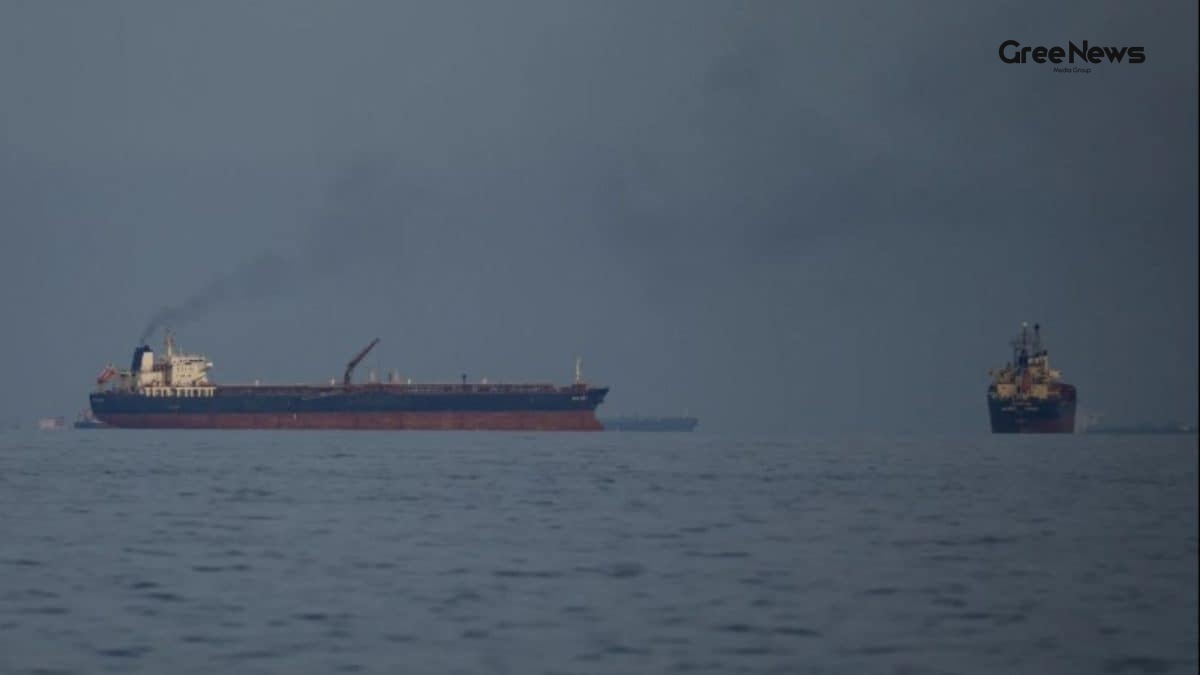
What’s more, the United Kingdom Maritime Trade Operations (UKMTO) logged a separate security incident about 20 nautical miles off the Omani coast. In that case, the captain of a tanker said two gunboats believed to be linked to the IRGC approached his ship and opened fire. Again, no one got hurt, but the psychological impact on the crew was huge. The fear factor is real, and it’s the sort of thing that makes maritime insurers raise their premiums, which in turn pushes up shipping costs for businesses back home. That’s a classic chain reaction that can hit the Indian market directly, especially when you consider our reliance on imported oil.
Adding to the drama, a container vessel in the same region also reported being struck by gunfire. And then, to top it all off, several ships that were navigating the area picked up a VHF radio broadcast allegedly from Iran’s navy. The message was blunt: "The Strait of Hormuz is closed again. No vessel of any type or nationality is allowed to pass through." It sounded like something out of a war movie, and it instantly became the kind of breaking news that trends across social media platforms in India.
How the Indian government is responding possible diplomatic moves
Given the gravity of the situation, Indian officials are not sitting back. Sources say the government is seriously considering summoning Iran’s envoy in New Delhi to press for clearer rules and safe passage for Indian ships. It’s a classic diplomatic play you bring the ambassador into a room, lay out the facts, and ask for concrete steps. Many of us following the story on the latest news India portals were surprised to see how quickly the Ministry of External Affairs moved. The move is also intended to send a signal to the IRGC that India won’t tolerate arbitrary restrictions on its commercial fleet.
Now, this isn’t the first time India has had to navigate tricky waters with Iran. In most cases, we’ve relied on diplomatic channels to sort out differences, and the pattern seems to be repeating. What caught people's attention this time was the mixed messaging Tehran’s foreign minister says the route is open, while the IRGC tightens its grip. That inconsistency is what makes the whole saga so unpredictable, and why the Indian navy is now keeping a closer eye on the situation.
Meanwhile, on the ground or rather, on the sea hundreds of ships are stuck waiting for clearance. Roughly twenty‑thousand seafarers are idling in the Gulf, unable to move forward. For the captains and crews, this waiting game is more than an inconvenience; it translates into loss of earnings, delayed cargo, and a lingering sense of uncertainty. It’s something that the Indian shipping community is watching very closely, especially because any prolonged disruption could affect the price of fuel back home.
What this means for everyday Indians a personal perspective
Honestly, when I first read about the gunfire, my immediate thought was: "Will this affect the price of petrol at the pump?" It’s a question that many of us ordinary citizens share. While the incident itself didn’t cause any oil price spikes overnight, the underlying risk to a route that supplies a massive chunk of our energy needs certainly makes us nervous.
Picture this: you’re planning a road trip, you’ve checked the fuel price, you’ve booked your hotel, and then you hear about a disruption in the source of that fuel. It’s a bit unsettling. That’s why the whole thing has become trending news India readers discuss over chai in the local tea stall because it could eventually filter down to the cost of diesel for trucks, cooking gas for households, and even the price of plastics used in everyday items.
Additionally, the story has revived conversations about the need for alternative routes and diversified energy sources. Many experts are now pushing for more investment in pipelines, renewable energy, and even strategic oil reserves. It’s a classic case of a crisis sparking a broader debate, and that’s what makes this piece of breaking news so compelling.
Looking ahead what to watch for in the coming weeks
So, what should we keep an eye on? First, the diplomatic talks whether India actually summons the Iranian envoy and what the outcome of that meeting is. If there’s a clear resolution, we might see the shipping lanes reopen smoothly, and the market could stabilize quickly. On the other hand, if the standoff continues, we could see more vessels reporting similar incidents, which would feed into viral news stories and keep the public discussion alive.
Second, pay attention to updates from the UKMTO and other maritime security agencies. They usually release bulletins that can give us early warnings about safety concerns. Lastly, keep an ear out for any new VHF broadcasts or official statements from the Iranian navy. Those little radio messages tend to set the tone for what’s happening on the water.
In most cases, the situation will probably settle down once both sides aGree on a clear set of rules. But until then, the uncertainty remains, and that’s why the story continues to dominate the headlines, especially on platforms that focus on the latest news India and trending news India topics.
Final thoughts why this matters to us all
All in all, the gunfire near the Indian‑flagged tankers in the Hormuz Strait is more than just a maritime hiccup. It’s a reminder of how interconnected our world is, and how a small flash of gunfire can ripple through economies, affect daily life, and become a piece of viral news that we all discuss. For me, it’s also a personal reminder that behind every big‑ticket oil deal or LNG contract, there are real sailors and crews facing real dangers.
If you’re following India updates, this is definitely a story to keep on your radar. The next few weeks could bring changes that impact not just shipping companies and insurers, but also the price you pay at the fuel pump, the electricity you use at home, and the broader conversation about energy security in the country.
Stay tuned, stay informed, and keep an eye on the horizon both literally and figuratively because the waters of the Hormuz Strait might just dictate the course of many other stories yet to unfold.