What actually happened in the Strait of Hormuz?
When I first heard about the gunfire, I was sitting at a chai stall in Mumbai, scrolling through my phone for the latest news India. The headline shouted "breaking news" about Indian‑flagged tankers being hit by stray bullets in a narrow stretch of the Strait of Hormuz. I thought, "Is this another rumor?" but the details kept coming, and soon the story turned into trending news India across social platforms.
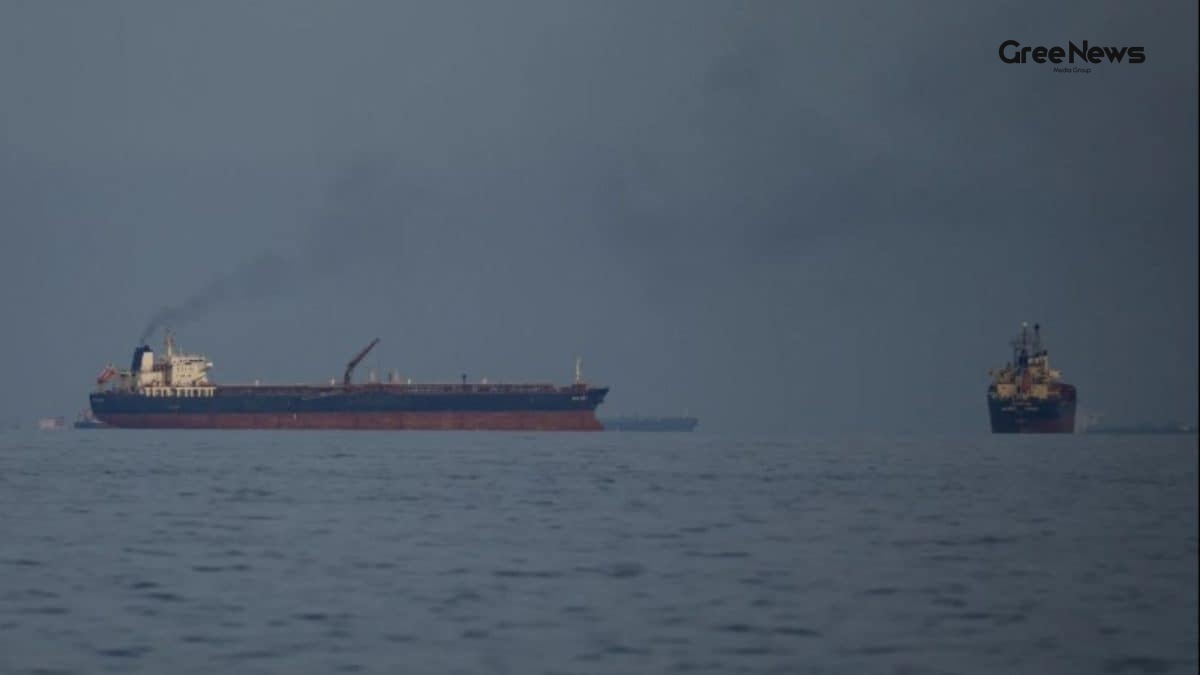
According to reliable government sources in New Delhi, the incident involved general small‑arms fire by the IRGC Navy as the vessels tried to squeeze through a tight segment of the waterway. Both Indian‑flagged tankers ended up with a single cracked bridge window each. Remarkably, there were no injuries to the Indian crew and no further structural damage. In most cases, such "stray bullet" incidents can be brushed off, but the context here made it quite a different story.
Was this a deliberate attack on Indian‑flagged tankers?
From what I gathered, the IRGC gunboats were not aiming to sink the vessels. The official line was that the tankers were "at the receiving end of stray bullets" while navigating a narrow part of the Strait of Hormuz. Yet, intelligence observers in New Delhi argue that the shots were more like "warning shots" or a "go‑back signal" a blunt reprimand for moving without prior IRGC clearance.
High‑level sources tell us that the IRGC had been issuing radio warnings that the Strait remains under strict military control. The firing, therefore, was a way of saying "stop and ask permission". It wasn’t a random act of aggression but a calculated move to enforce a rule that the diplomatic side of Tehran seemed to have softened.
When I discussed this with a senior officer in the Ministry of External Affairs over a cup of filter coffee, he emphasized that the damage a cracked bridge window was minimal, yet the psychological impact on shipping operators was huge. The message was crystal clear: diplomatic assurances do not guarantee safe passage when the IRGC decides to enforce its own agenda.
Why is the IRGC overriding Iranian diplomatic assurances?
The discrepancy between Tehran’s Foreign Ministry statements and the IRGC’s actions is more than a bureaucratic mismatch; it is a glimpse into the internal power play within Iran. Just days before the incident, the Iranian Foreign Ministry, through its spokesperson, declared the Strait of Hormuz "completely open" for commercial traffic. That announcement was welcomed by New Delhi and the global shipping community, leading many operators to schedule transits with optimism.
However, the IRGC, which physically controls the naval operations, chose to send a different signal. By opening fire, the IRGC effectively said that no matter what the Foreign Ministry says, the waterway will only be open under its terms namely, prior clearance and adherence to designated military routes. It’s a stark reminder that in Iran, the military arm often has the final say on strategic chokepoints.
My friend who works with a logistics company in Delhi told me that they had already booked a slot for one of their tankers based on the diplomatic assurances. When the news broke, they had to scramble and reroute the vessel, fearing a repeat of the gunfire. That real‑life scramble turned what could have been a smooth passage into a tense, last‑minute coordination exercise.
What does this mean for Indian maritime security?
For the Indian government, the "stray bullet" incident is a wake‑up call. While the physical damage to the Indian‑flagged tankers was minor, the strategic implication is massive: diplomatic statements alone can’t safeguard Indian vessels in the Strait of Hormuz. New Delhi now has to juggle two parallel realities the public diplomatic narrative from Tehran and the hard‑line demands of the IRGC on the water.
The Ministry of External Affairs has already sent urgent diplomatic notes seeking clarification, but the immediate priority for shipping operators is "quiet coordination". In most cases, this means getting explicit permission from the IRGC before entering the Strait, following their prescribed routes, and staying in constant radio contact.
During a recent briefing with senior naval officers, I learned that the Indian Navy is also reviewing its own protocols for transiting the Hormuz Strait. The focus now is on improving real‑time intelligence sharing, ensuring that any warning from the IRGC is received well in advance, and preparing contingency plans in case of further incidents.
Many people were surprised by how quickly the situation escalated from a minor bullet hole to a full‑blown diplomatic query. It shows that even a single cracked bridge window can spark a cascade of strategic recalculations, especially when the waterway in question is as crucial as the Strait of Hormuz for global oil trade and India’s energy security.
How are shipping companies adapting?
On the ground, shipping firms are tightening their risk‑assessment frameworks. One captain I spoke to said, "We now ask for IRGC clearance every single time, even if the Foreign Ministry says the waterway is open." This shift from relying on diplomatic assurances to demanding concrete, on‑the‑ground permission reflects a new reality for Indian‑flagged tankers.
Companies are also exploring alternative routes, though there aren’t many that match the oil‑carrying efficiency of the Hormuz corridor. Some are considering longer journeys around the Cape of Good Hope, which adds weeks to travel time but eliminates the immediate risk of IRGC gunfire. This trade‑off is being debated in boardrooms across Mumbai and Chennai.
Meanwhile, the incident has become viral news on social media platforms, with many netizens sharing the image of the damaged bridge window and asking, "What will happen next?" The public’s curiosity has kept the story alive, turning it into a piece of trending news India that keeps appearing on news portals and discussion forums.
What could happen next?
Looking ahead, the situation could evolve in a few ways. If the IRGC continues to enforce strict permission‑based transits, Indian‑flagged tankers may have to operate under a quasi‑licensing system for the Strait of Hormuz. That would mean longer paperwork, higher insurance premiums, and a steady stream of diplomatic back‑and‑forth every time a vessel wants to pass.
On the other hand, sustained diplomatic pressure from India, perhaps through multilateral forums, could compel the IRGC to align its actions with the broader diplomatic narrative. In most cases, such alignment takes time, and the short‑term reality remains that Indian‑flagged tankers must heed the IRGC’s explicit instructions.
What caught people’s attention most was the simple fact that a single gunshot could spark a chain reaction affecting oil prices, insurance rates, and the strategic calculations of a nation as big as India. It’s a classic example of how a small incident in a narrow waterway can become a national security story that dominates India updates across newspapers, TV channels, and online portals.
Conclusion: A new reality for Indian maritime navigation
All in all, the incident with the Indian‑flagged tankers in the Strait of Hormuz has turned into a case study for how diplomatic words and military actions can diverge dramatically. While no crew members were hurt and the material damage was limited to a broken window, the strategic message was loud and clear the IRGC will enforce its own rules.
For Indian maritime security, this means a shift from trusting diplomatic assurances to demanding concrete clearance from the IRGC. Shipping companies, naval planners, and policymakers are all re‑evaluating their strategies, and the public continues to follow the developments as breaking news and trending news India.
In everyday conversation, you’ll hear people on trains and in office canteens say, "Watch what happens next; it could change how we ship oil forever." That curiosity, that hook, keeps the story alive, and it’s exactly why this episode has become such a vivid part of India updates on global maritime affairs.