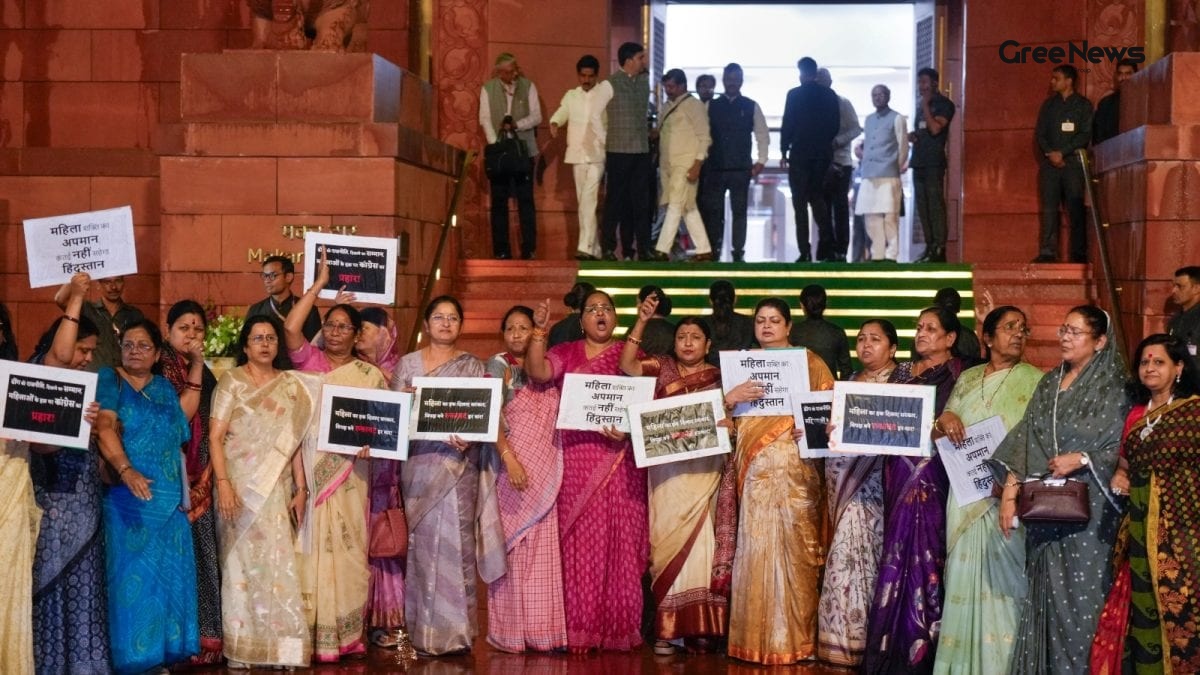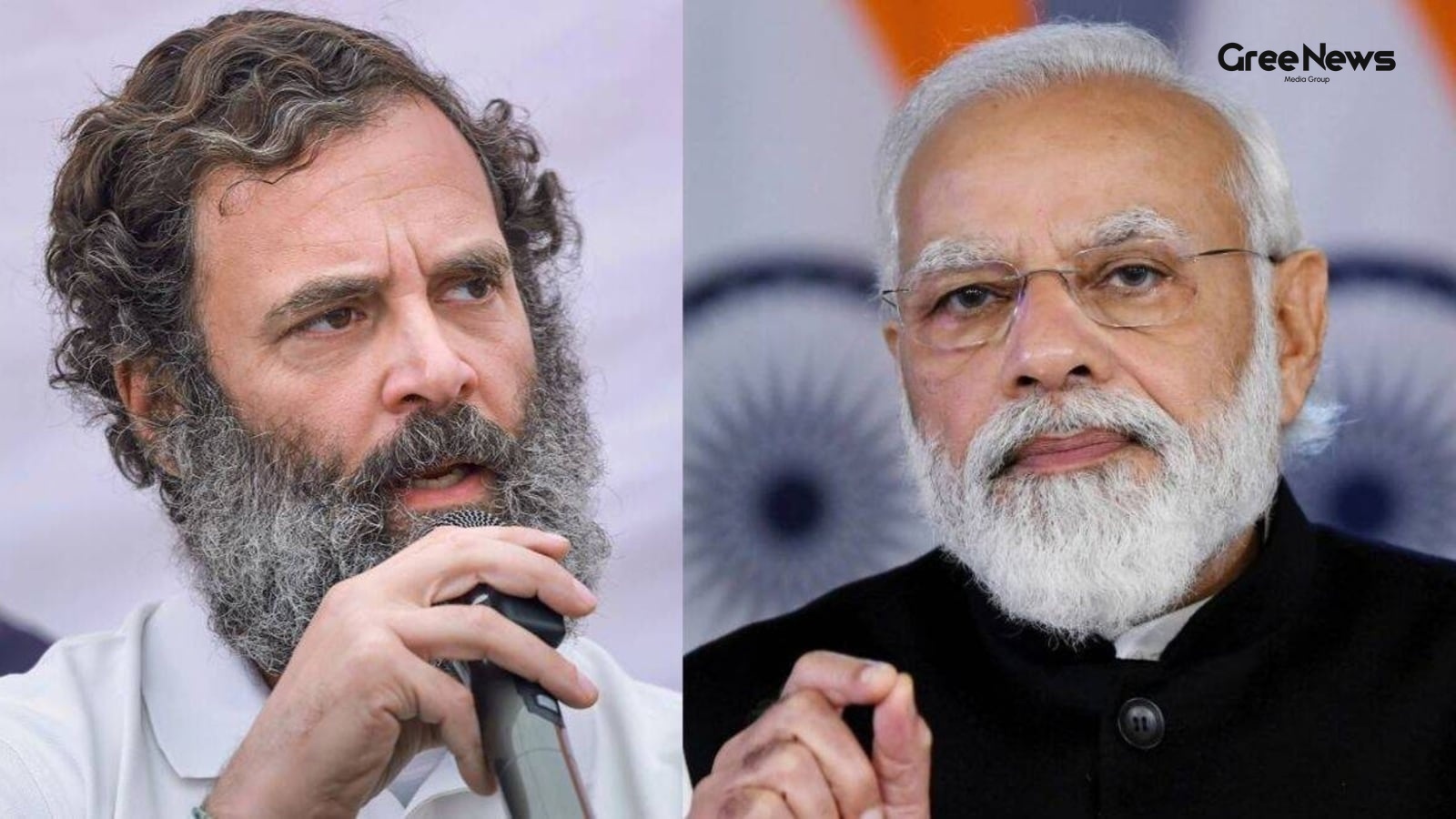
The Opposition has decided to write an official letter to the Prime Minister, demanding the immediate implementation of women’s reservation based on the existing 543 seats
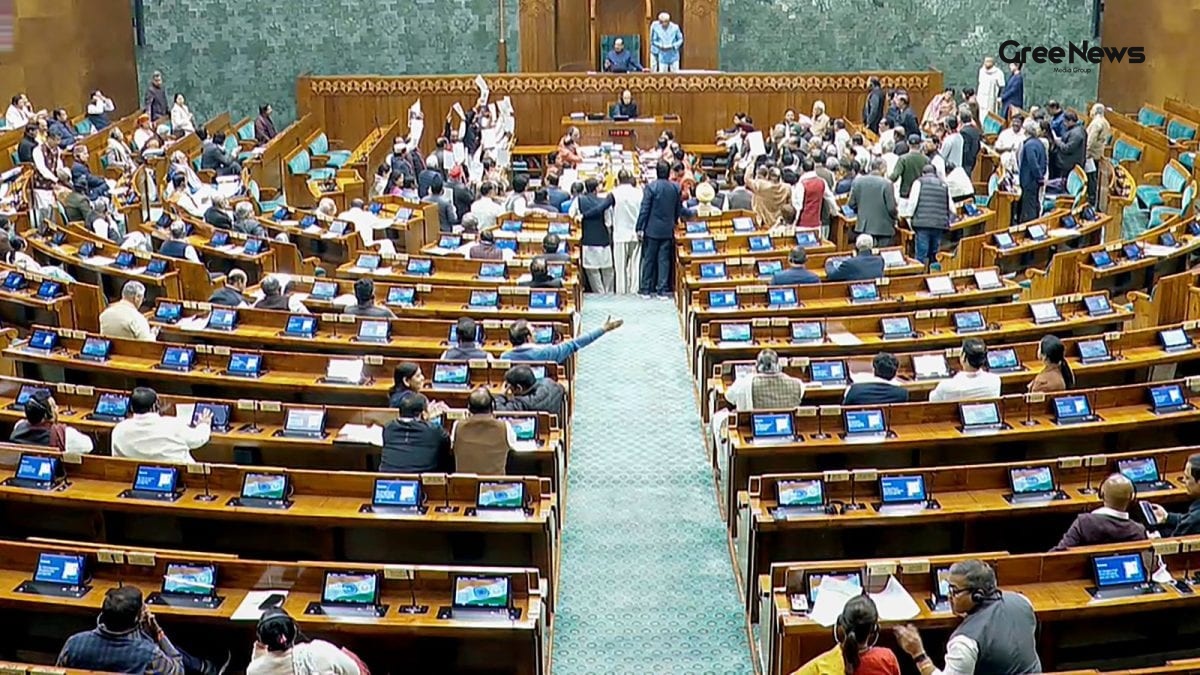
Honestly, when I first caught the breaking news about the Constitution (131st Amendment) Bill falling flat, I was sitting at my kitchen table sipping chai and scrolling through my phone. The whole thing felt like a drama that had suddenly jumped from the Lok Sabha floor to our living rooms, and you could feel the buzz because it was trending news India for hours. I could hear relatives debating over the speaker, and the next day the story was everywhere from the TV news anchors to the memes flooding my WhatsApp groups.
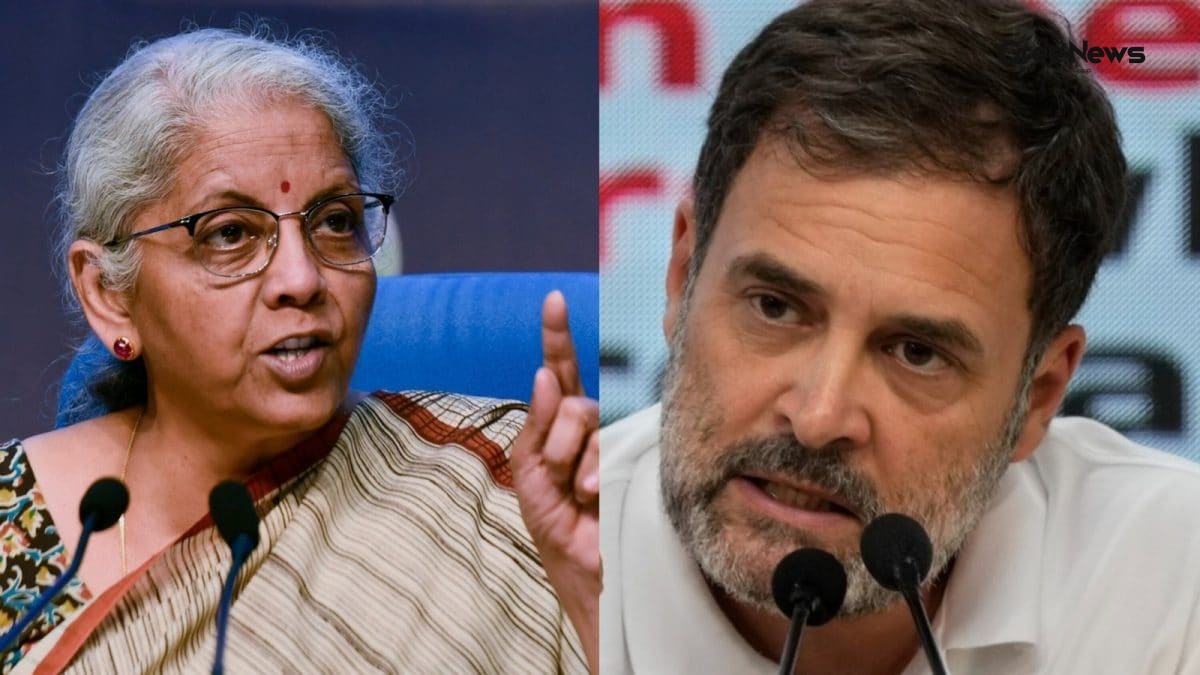
What really struck me was how quickly the narrative shifted. Rahul Gandhi, who had been vocal about women’s representation for a long time, seemed to have an entire strategy up his sleeve. He told reporters that the BJP must have forced the vote knowing they didn’t have the numbers, just to brand the INDIA bloc as the only barrier to women’s reservation. It was a classic political move, and the way I heard it was that the Opposition was now planning to write an official letter to Prime Minister Modi, demanding that the women’s quota be implemented right away, using the existing 543 seats as the basis.
Now, you might wonder why the existing seats matter. The idea, as I understood from friends who follow parliamentary affairs, is to separate the reservation issue from the delimitation exercise the whole redrawing of constituency boundaries that’s been a hot potato lately. By doing that, the Opposition hopes to mute the BJP’s criticism that the quota is just a political ploy tied to maps and numbers. It’s like taking the fire out of the kitchen before someone throws water on the flame.
Why Tamil Nadu Became the Unexpected Chessboard
Living in Chennai, I could feel the pulse of the state’s politics right from my balcony. In Tamil Nadu, the election fever is always high, and the delimitation issue is being treated as a gift by the Congress and DMK. The BJP, meanwhile, has been forging strategic alliances and the “Vijay factor” the rise of a regional heavyweight has been threatening to upset the traditional tallies.
When I chatted with a few locals, they told me the DMK was feeling the pressure. But the recent fallout gave them a chance to switch the narrative to Dravidian pride. They started painting the BJP as an “anti‑South” force, saying that the central party was trying to curb the growth of successful southern states. This narrative feels very familiar it’s like when the central government tries to change GST rates and the states protest, but here it is about representation and maps.
Opposition Unity A Surprise in the Midst of Rivalries
What caught my attention most was the sudden display of unity among parties that have been at odds for years. Just a few days before the vote, Rahul Gandhi had openly accused Mamata Banerjee of heading a “corrupt syndicate” in Bengal. The two leaders have been fierce competitors, and their followers often treat each other like bitter neighbours.
Yet, when the vote on the women’s reservation bill came, both the Congress and the Trinamool Congress put aside that animosity. In my view, that was a clear sign that the opposition is ready to fight a bigger battle the one over women’s political space and the delimitation saga. The moment the bill was defeated, Rahul Gandhi took to the podium at his next rally and called the bill an attack on the “idea of India” and on the representation of the South and the Northeast. It felt like a rallying cry, and the crowd’s reaction was electric you could hear chants of “Bharat ke Mahilaon ki awaaz!” echoing across the venue.
This unity, though, is still fragile. The last I heard from a friend in Kolkata, the fight for Bengal is still raging. Just a day after the legislative bonhomie, Abhishek Banerjee went on national TV and publicly attacked Adhir Ranjan Chowdhury, calling him the “B‑team” of the BJP. That sort of language suggests there are still deep fissures, and the opposition bloc might be holding together only because the immediate crisis forced them to align.
What Might Prime Minister Modi Say Next?
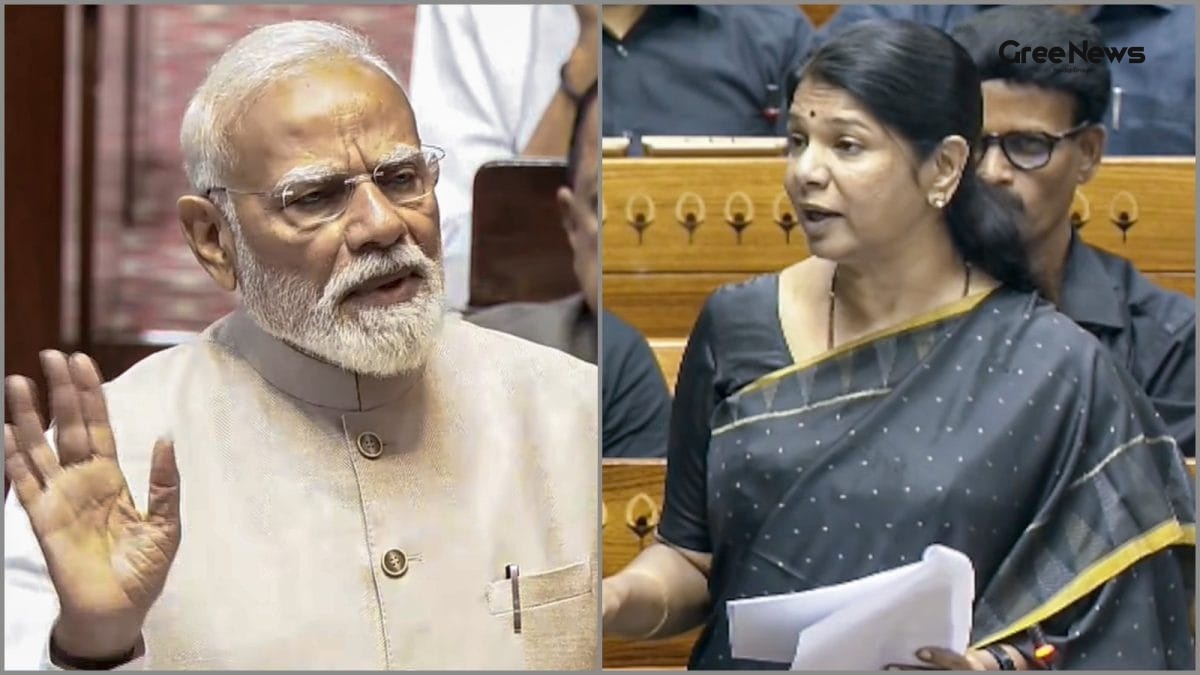
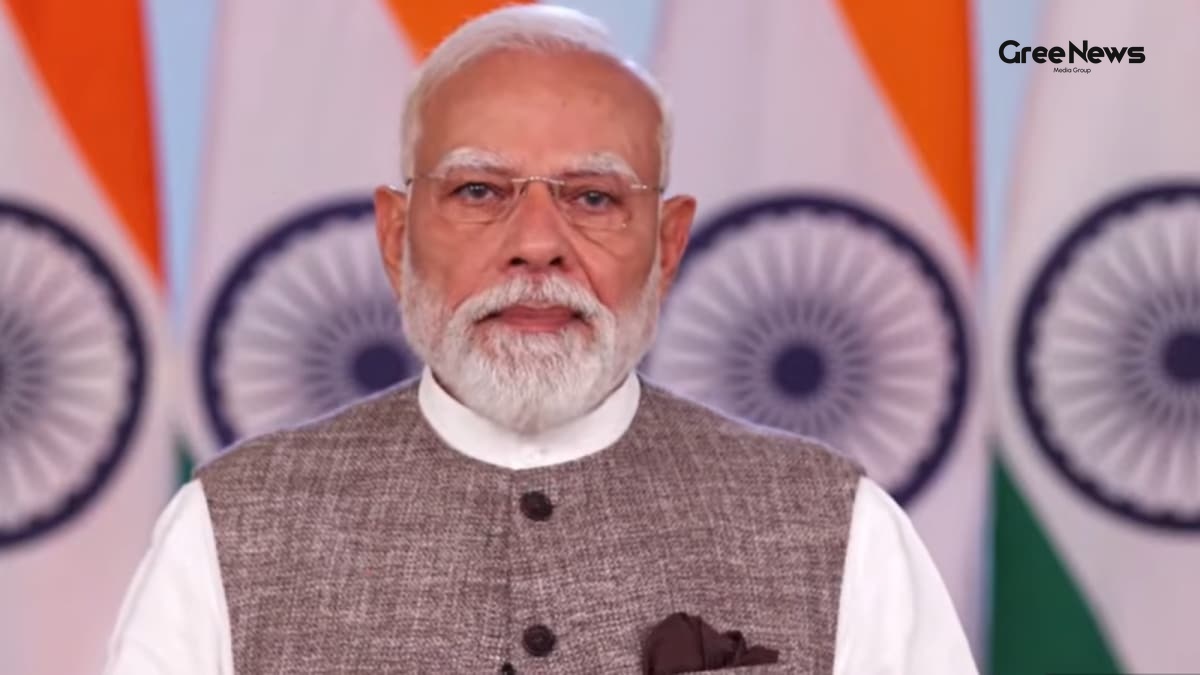
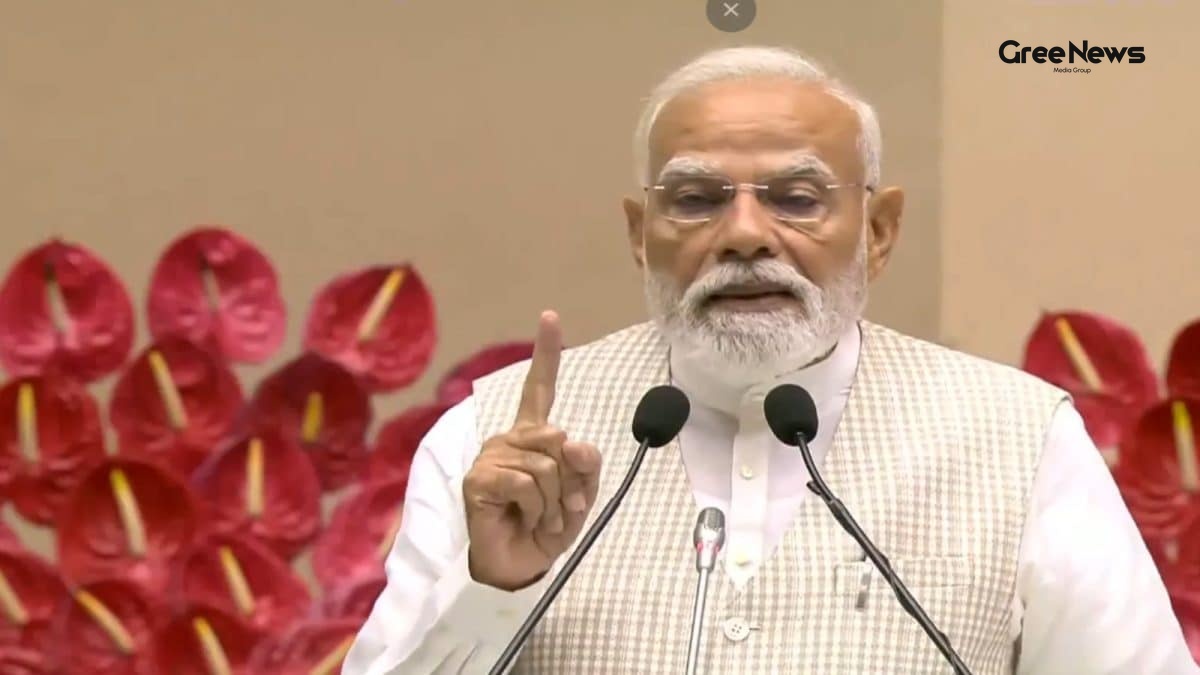
All eyes are now on Prime Minister Modi, who is expected to address the nation tonight. From what I gather from the latest news India, his speech will likely tackle the whole delimitation‑women reservation debate head‑on. The expectation is that he will try to paint the opposition’s letter as an attempt to undermine the central government’s plans and to sow division among states.
In my private conversations, people are already betting on whether the Prime Minister will use the address to push back on the opposition’s narrative or to offer a conciliatory gesture perhaps suggesting a phased approach to women’s reservation that doesn’t interfere with delimitation. The narrative war is now a battle of who can define the week’s events: was the opposition protecting regional identity, or were they betraying the cause of Indian women?
One thing is clear: the story has all the ingredients to become viral news across the country. The mix of gender politics, regional pride, and the classic tussle between the centre and the states resonates with a wide audience. As I was scrolling through my feed, I saw a trending hashtag, #WomenReservationNow, and dozens of memes poking fun at the political drama. This shows how quickly the issue turned from a parliamentary procedure into a cultural conversation.
Personal Reflections Why This Matters to Us
Honestly, reading about all these moves, I feel a bit of a personal connection. As a woman working in a corporate environment, I’ve often heard the talk about “glass ceilings” and the need for more women in decision‑making roles. The idea that the Parliament is debating a quota to ensure women’s voices in law‑making feels like a step toward fixing a problem we face every day at the office or in community meetings.
When I talk to my mother, she tells me how many young girls in our neighbourhood never even think about entering politics because they think it’s a “men’s world”. If the women’s reservation is finally implemented, it could inspire a whole new generation of girls who see a future where they can stand on a podium, just like Rahul Gandhi’s supporters or MK Stalin’s rally crowd.
On the other hand, the delimitation question adds a layer of complexity. The redrawing of constituencies can affect which communities get represented, and the South feels that the central government is trying to dilute its influence. This is why the “anti‑South” narrative hit so hard in Tamil Nadu it’s not just about maps, it’s about recognising the contributions of the South to the nation’s growth.
All these threads women’s reservation, delimitation, regional identity are tightly woven into what we call “India updates”. They’re not just headlines; they’re part of the everyday conversations we have at tea stalls, in college dorms, and on family WhatsApp groups. The fact that this story is now part of the trending news India means it’s reaching people from Delhi to Dhanbad, from the metros to the villages.
What Could Be Next?
Looking ahead, I think we’ll see a few possible outcomes. One scenario is that Prime Minister Modi’s address will open a new round of negotiations, perhaps offering a compromise where women’s reservation is rolled out gradually, while a separate committee looks into delimitation. That could calm the nerves of the Opposition and keep the party lines from breaking further.
Another scenario is that the opposition’s letter will pressure the government into a swift decision, and we could witness the first women’s reservation under the existing 543 seats within the next few months. That would be a massive win for gender equality advocates and would generate a wave of breaking news across the country.
But there’s also the chance that the stalemate continues, with both sides entrenched in their positions, leading to a prolonged narrative battle in the media. In that case, we’ll likely see more viral news pieces, opinion columns, and public debates all of which keep the conversation alive and make sure the issue doesn’t fade away.
Whatever happens, one thing is certain: the story is far from over, and the way it unfolds will shape how we talk about women’s political participation, regional autonomy, and the balance of power in India for years to come. I’ll keep following it closely, and I’m sure many of you will, too after all, it’s not just politics; it’s about the future of our country.