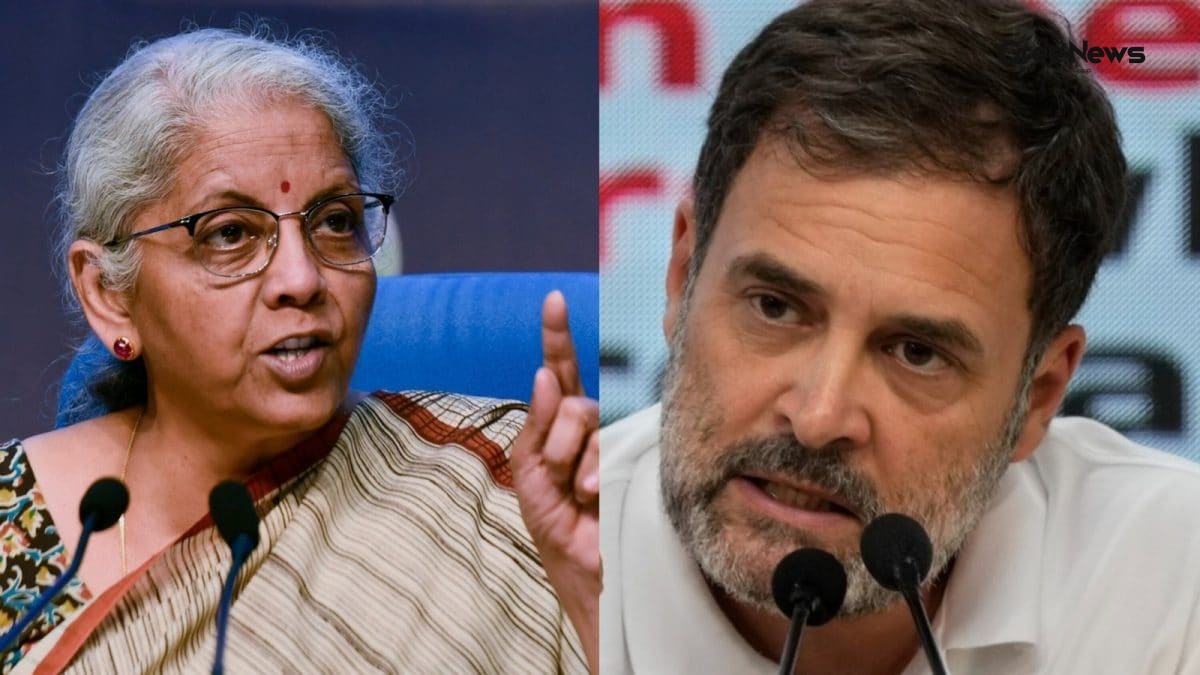
While Congress and DMK celebrate the Constitution (131st Amendment) Bill's fall, BJP and AIADMK paint a picture of missed historical milestones and impending electoral irrelevance
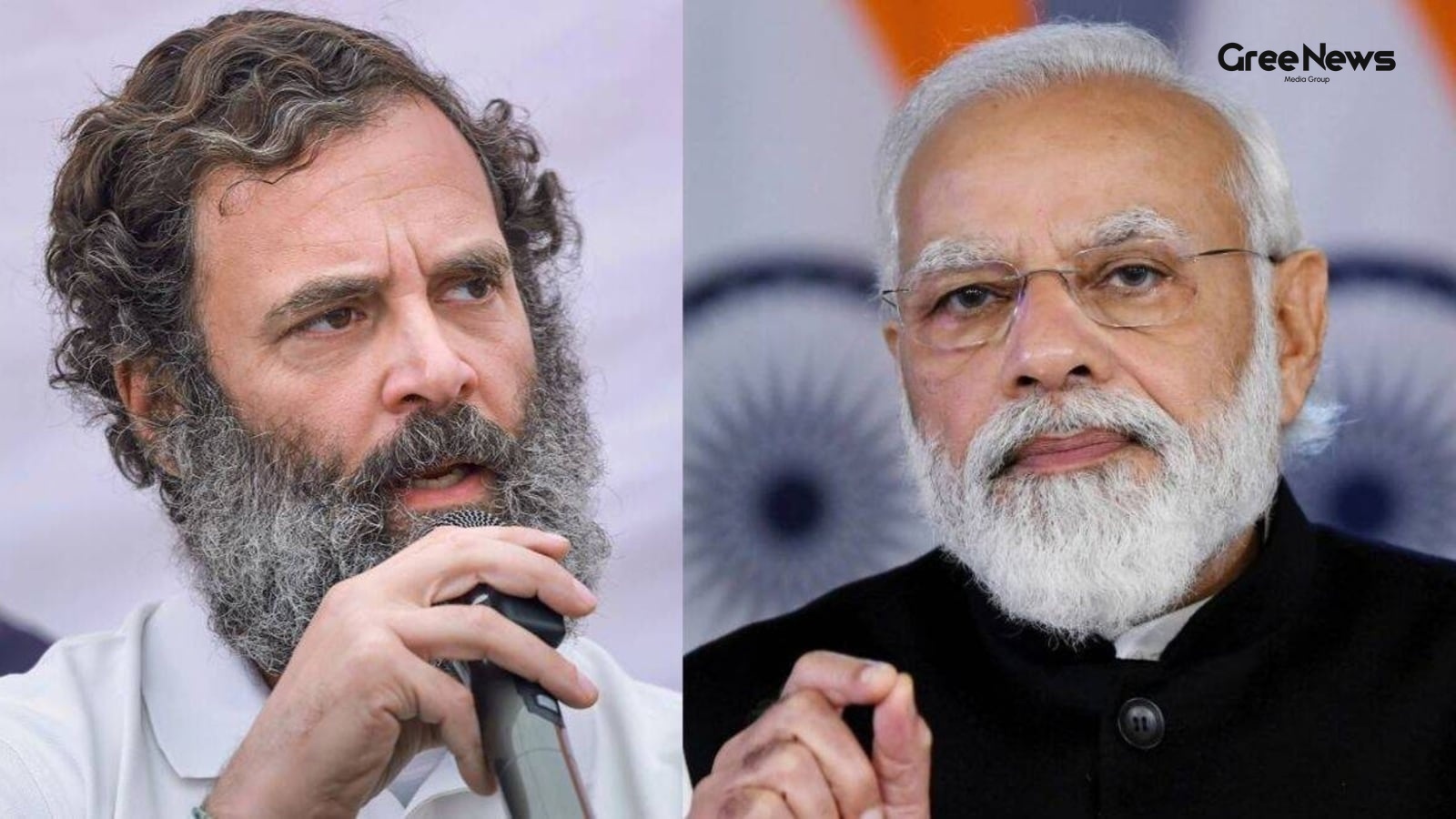
Personally, I was scrolling through my phone this morning, checking the latest news India when I stumbled upon a thread that looked like it could set the internet ablaze. It was Rahul Gandhi posting a long rant about the Constitution (131st Amendment) Bill, and honestly, the tone felt more like a street vendor shouting about a price rise than a typical parliamentary debate. Rahul Gandhi framed the bill’s collapse as a win for federalism and regional pride, and what happened next was interesting the entire Tamil Nadu political arena went into overdrive.
Rahul Gandhi argued that the proposed delimitation exercise was a calculated attempt by the BJP to diminish the parliamentary representation of Southern and Northeastern states. By linking the women’s reservation quota to a fresh seat‑sharing map, Rahul Gandhi claimed the government was launching an “attack on the idea of India”, asserting that the INDIA bloc’s intervention saved Tamil Nadu from being penalised for its successful population control measures. This narrative caught people’s attention, especially because it touched on two big topics that are always trending in breaking news: women’s empowerment and the fear of losing political clout.
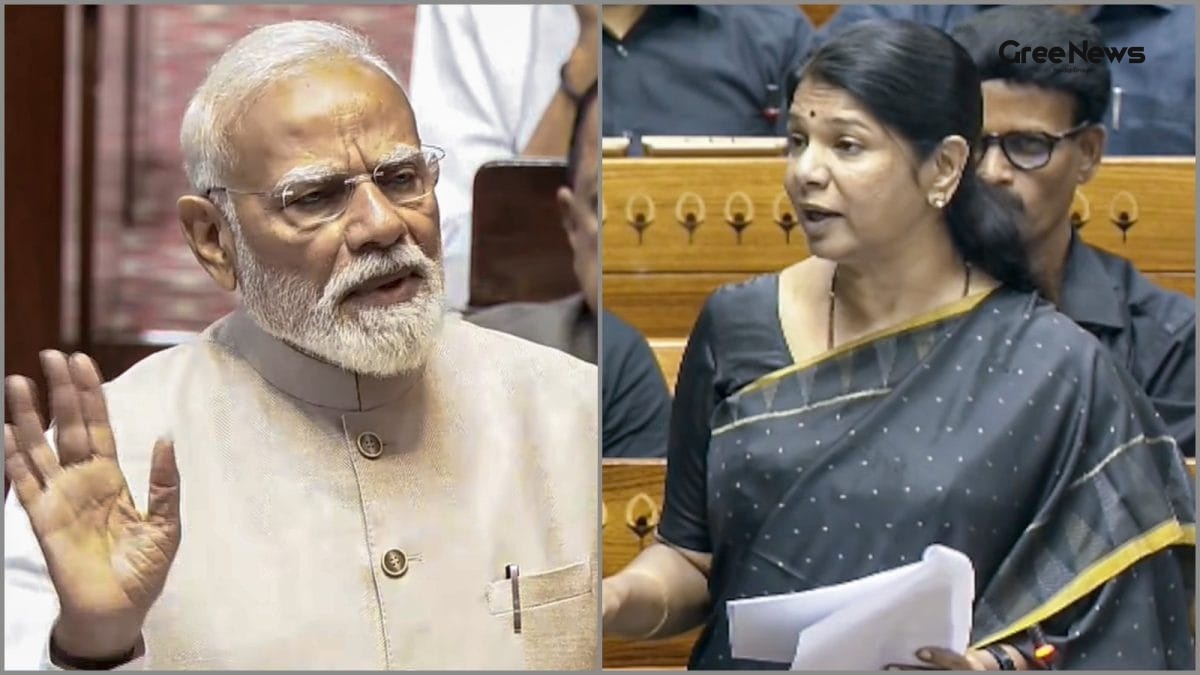
On the other side of the digital fence, Nirmala Sitharaman was not silent. Nirmala Sitharaman shared a graphic that slammed the DMK‑led bloc for what she called “blind hate” and “short‑sightedness”. She went on to suggest that Chief Minister MK Stalin had effectively robbed the women of Tamil Nadu of a historic opportunity for representation. In the same breath, Nirmala Sitharaman framed the opposition’s stance as an anti‑women manoeuvre that ignored the personal assurances of Prime Minister Narendra Modi regarding a “win‑win” proposition for the South. Many people were surprised by this sharp turn of events; it felt like a classic case of political drama where each side tries to out‑do the other.
Edappadi K Palaniswami (EPS) joins the fray with numbers and nostalgia
Just when I thought the story had reached its peak, Edappadi K Palaniswami (EPS) entered the conversation with a spreadsheet‑style post. EPS highlighted the potential mathematical loss for Tamil Nadu in the years to come. He pointed out that while a delimitation based on the 2011 Census might have cost the state nine MP seats, the delay caused by the bill’s defeat means the exercise will now likely be based on the 2026 Census, potentially resulting in an even more drastic reduction of the state’s influence. EPS labelled MK Stalin a “puppet” within the INDIA bloc, accusing the DMK of killing the spirit of women’s empowerment that had been championed by the late J Jayalalithaa as far back as 1998. He questioned what exactly the state government was celebrating, framing the legislative stalemate as a “great injustice” that traded future political leverage for a temporary symbolic victory.
Reading EPS’s numbers felt like watching a cricket match where the scoreboard flips unexpectedly you never know whether the team you’re rooting for will end up winning or losing. In most cases, EPS’s argument leaned heavily on the fear that delaying delimitation could further shrink Tamil Nadu’s voice in the Lok Sabha. The emphasis on historical milestones, especially the reference to J Jayalalithaa’s 1998 initiatives, added a nostalgic flavour that resonated with older voters who still remember the post‑1990s political landscape.
What’s more, EPS’s post went viral quickly, becoming part of the trending news India across regional forums and chat groups. People started sharing memes that juxtaposed EPS’s serious tone with cartoon images of politicians arguing over the size of a cake an obvious metaphor for the share of parliamentary seats.
Why the delimitation debate matters for everyday Indians
Now, you might wonder why a technical issue like delimitation is suddenly the hot topic of every kitchen conversation. The reason is simple: delimitation decides how many representatives each state gets in the Lok Sabha, and that directly influences how many development projects, central funds, and policy priorities flow into a state. In my own neighborhood in Chennai, I have seen how a single MP can bring in a new hospital or a metro line extension. If Tamil Nadu loses a few seats, the impact could ripple down to the level of my local school or the bus service I rely on daily.
Interestingly, the debate also reflects a larger narrative about centre‑state relations in India. Rahul Gandhi’s claim that the BJP is trying to “attack the idea of India” taps into a deep‑seated anxiety among many Southerners that the central government may not respect regional diversity. On the flip side, Nirmala Sitharaman’s defence highlights the central government’s view that national unity sometimes requires difficult compromises. This tug‑of‑war is a classic example of breaking news that keeps evolving, and it feels like every new post adds another twist.
Possible scenarios after the bill’s defeat
Given the current impasse, there are a few plausible outcomes that could shape the political landscape ahead of the 2029 general elections. First, if the delimitation exercise proceeds based on the 2026 Census, Tamil Nadu could lose more than the earlier projected nine seats, potentially weakening the bargaining power of the state’s parties in the national arena. This scenario would likely fuel more criticism from the INDIA bloc, who could claim that the central government deliberately delayed the process to hurt Southern states.
Second, a compromise could be reached where women’s reservation quotas are decoupled from the new seat‑sharing map, allowing Tamil Nadu to retain its current MP count while still enhancing women’s representation through other mechanisms. This would be a win‑win for both Nirmala Sitharaman’s narrative of a “win‑win proposition” and the demands of women activists.
Third, the stalemate could persist, turning the delimitation issue into a permanent political football that parties swing during election campaigns. In that case, the debate itself becomes a tool for rallying voters, with each side using the story to paint the opposition as either anti‑women or anti‑regional.
Many people were surprised by how quickly these scenarios turned from abstract policy discussions into tangible talk‑points in tea stalls across Chennai, Coimbatore, and Madurai. It’s not often that a technical amendment becomes part of the everyday chatter, but that’s exactly what makes this story a perfect example of trending news India that bridges policy and daily life.
What the electorate is likely to think
From my own observations, the Tamil Nadu electorate seems divided. On one hand, there is a strong sense of pride in having successfully controlled the population growth, which many see as a reason to keep the current seat allocation. On the other hand, youth groups and women’s organisations are demanding more representation, fearing that a static seat count will not translate into equal opportunities for all sections of society.
The conversations I overheard at a local chai shop in Egmore highlighted this split. Some regulars praised Rahul Gandhi’s stance, saying it protected Tamil Nadu’s “identity and dignity”. Others, especially younger professionals, leaned towards Nirmala Sitharaman’s argument that the state needs to adapt to changing demographics to stay relevant in the national picture. Even the shop owner, who usually avoids politics, chimed in with a practical concern: “If we lose MP seats, will the centre give us less money for road repairs?” This simple question encapsulated the real‑world stakes of a debate that otherwise could seem far removed from daily life.
In most cases, the electorate’s reaction will likely hinge on how each party frames the narrative in the run‑up to the 2029 polls. If the INDIA bloc can convincingly link the amendment’s defeat to protecting Tamil Nadu’s cultural heritage, they may retain their core base. Conversely, if the NDA and AIADMK can illustrate tangible benefits of a new delimitation that includes more women MPs and better resource allocation, they could swing a segment of voters who are hungry for change.
Conclusion: A high‑octane political showdown
All in all, the fallout from the Constitution (131st Amendment) Bill’s collapse has turned Tamil Nadu into a pressure cooker of political rhetoric, personal convictions, and strategic calculations. Rahul Gandhi, Nirmala Sitharaman, and Edappadi K Palaniswami (EPS) have each brought their own flavor to the debate whether it’s a defence of regional pride, a warning about missed opportunities for women, or a reminder of the numbers that could shape the state’s future.
What is clear is that this isn’t just a story for the political class; it has seeped into everyday conversations, social media feeds, and even the mindset of commuters waiting for the next bus. The episode perfectly illustrates how a legislative amendment can become a viral news item, a breaking news headline, and a trending discussion all at once.
As the next general elections draw nearer, the Tamil Nadu electorate will have to decide whether the defeat of the 131st Amendment was a heroic defence of state rights or a missed chance for gender justice and regional growth. Whatever the outcome, the debate has already left an indelible mark on the India updates that I keep following, and it will likely continue to dominate the headlines and the kitchen tables alike.