When a Simple AC Install Became a Hot Topic in Bengaluru
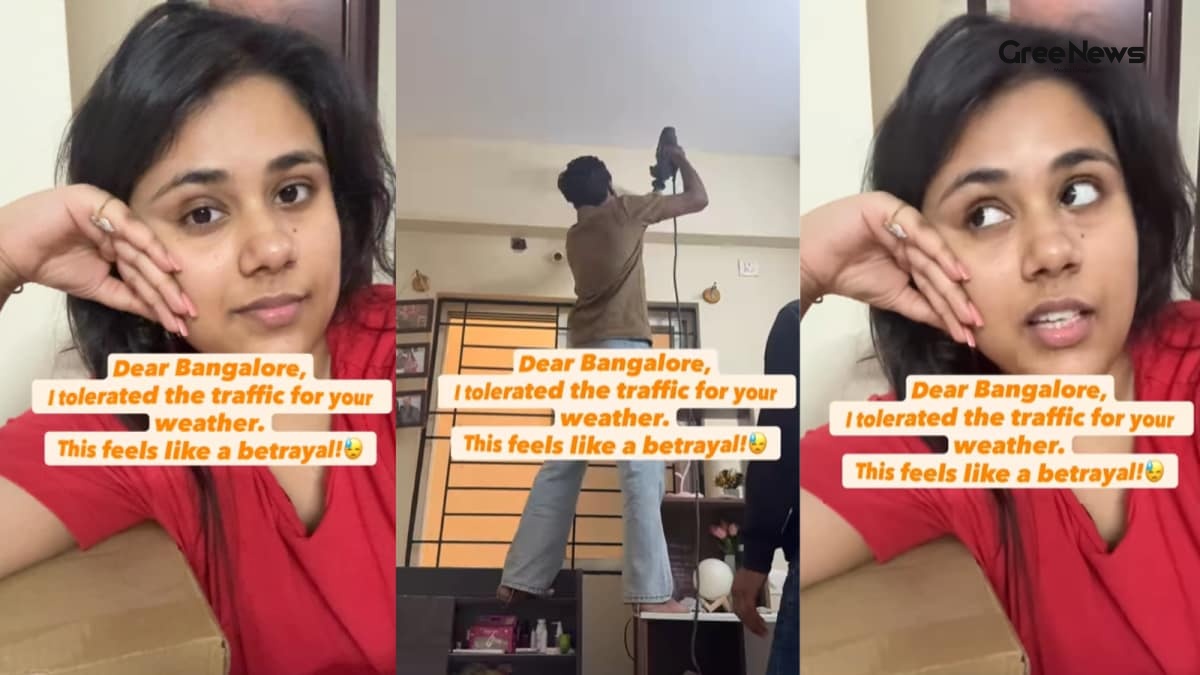
Life in Bengaluru has always been linked with cool breezes, evenings under rain‑kissed skies and the sweet aroma of fresh coffee from street-side stalls. But this year the city felt a different kind of heat the kind that makes you think twice before stepping out for a quick chai. A Bengaluru woman, feeling the sweltering temperatures, decided to bring some relief into her home by installing an air conditioner. What she probably expected was just a few cool hours, but what actually happened was a burst of online chatter that turned her personal choice into a piece of breaking news.
What the Net Said From Light‑Hearted Jabs to Serious Concerns
If you scroll through the comments, the first thing you notice is the playful banter. A user wrote, “True Bangaloreans will never buy an AC. We wait for the rains, haha.” Another chimed in, “As a Bangalorean, buying an AC feels illegal.” The jokes kept coming “And global warming, lol.” It was a classic example of how a city’s identity can turn a simple home improvement into a cultural statement.
But beyond the teasing, many people used the moment to highlight bigger issues. One comment pointed out, “Bangalore’s Green cover went from 78 per cent to 6 per cent. It’s not the city’s fault, it’s overcrowding. Hold the government and illegal construction accountable.” This observation sparked a thread that discussed how rapid development, concrete‑heavy apartments, and the disappearance of trees are reshaping Bengaluru’s micro‑climate.
Even the phrase “Nazar is real” turned into a meme, with people adding their own twist: “Nazar on my AC bill may it go low!” The mix of humour and genuine worry made this piece of trending news India turn into a conversation hub for anyone who loves the city’s old charm.
Environmental Angles Why the Heat Matters More Than Just a Personal Comfort
One of the most insightful comments came from a user who explained, “It isn’t Bengaluru’s fault. People are overcrowding the city, building huge apartments and workspaces with a lot of concrete, while cutting down trees and drying up lakes to accommodate growing needs. The problem is the people, not the city.” This perspective resonated with many, especially those who have watched the city’s lakes shrink in the last decade.
Another netizen added, “The city can recover in a year or two if the population reduces, more trees are planted, and the use of heat‑generating materials is controlled. Homes in places like Jayanagar and interior parts of JP Nagar and Basavanagudi are still cool. Why? Trees!” The comment reflected a common belief that Green cover is the secret sauce behind Bengaluru’s traditional climate.
In most instances, the discussions veered toward a call for better urban planning. People were quick to point out that while an individual’s AC might seem like a small piece of the puzzle, the real heat comes from a combination of increased vehicular emissions, loss of tree canopy, and unchecked construction. This aligns with recent latest news India reports that highlight Bengaluru’s decline in Green cover and the rise in average temperatures.
Hopeful Glimmers Will the Rains Come Soon?
Amidst the heated debates, a few comments tried to stay optimistic. One user wrote, “Few more days. Rains will arrive in May.” Another added, “Cut the trees and then blame Bangalore.” The sarcastic tone indicated a mix of hope and frustration. Yet, many still believed that the city’s monsoon rhythm could provide much‑needed relief. A popular line went, “Arey u should have waited for 2 more weeks! I crib for these 20‑30 days every year.”
Some netizens even turned the whole episode into a personal anecdote, sharing how they also endure the heat for a couple of weeks before the rains break. The overall vibe was that while today’s heat feels unbearable, it might be just a temporary phase although the underlying issues remain.
Why This Story Matters for India Updates
From a broader perspective, this incident reflects a pattern we see across many Indian metros: rising temperatures, dwindling Green spaces, and a push‑and‑pull between modern comforts and environmental stewardship. For anyone following India updates, the Bengaluru woman’s experience offers a micro‑cosm of the challenges facing fast‑growing cities.
When you read the comments, you hear a chorus of voices: some defending the city’s legacy, others urging better policies, and a few just laughing at the irony. This mixture is what makes the story not only a piece of breaking news but also a cultural snapshot of how Indians talk about climate, comfort, and identity online.
What happened next is interesting the post kept gathering likes, shares and even sparked local news outlets to feature the story. It turned into a case study for journalists covering climate‑related urban issues, proving that even a single Instagram reel can become a catalyst for nationwide discussion.