The prime minister's message a mix of anger and apology
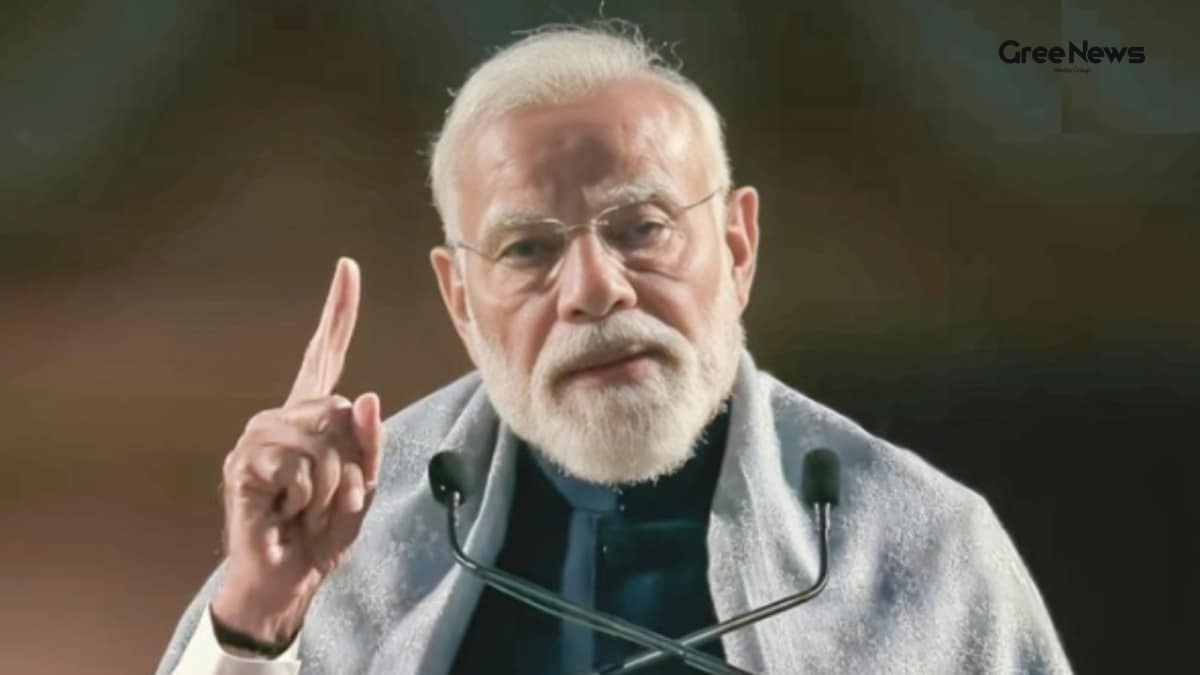
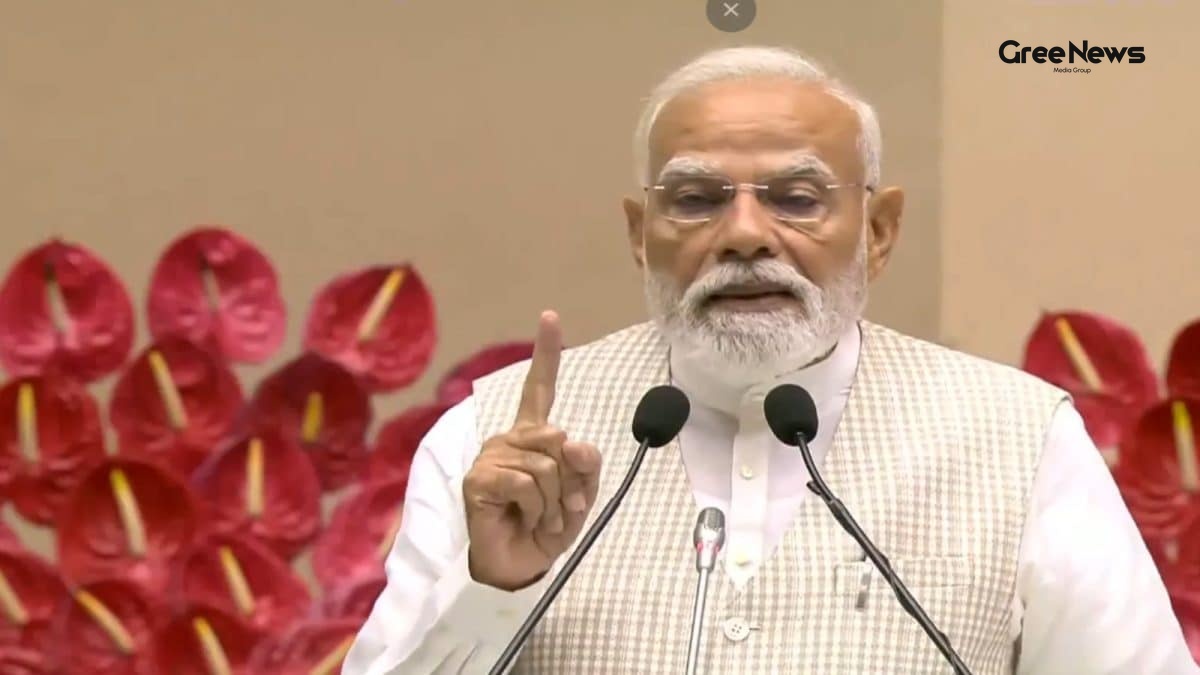
So, I was watching the live telecast on my phone you know, the usual habit when there's a big address. The moment PM Narendra Modi started speaking, you could feel the tension in the room. He began by saying the women’s reservation bill was supposed to expand opportunities for women, not take away seats from any other group. In his own words, the bill was about giving women a proper share in decision‑making, a step many of us had been waiting for.
But then, he turned the tone sharp. "The opposition has committed a sin by opposing women's reservation, and they will surely be punished for this," he said, his voice firm. He went on to claim the opposition parties had "insulted our Constitution" by defeating the bill. For many of us watching, that was a moment of surprise especially because he also asked for forgiveness from all women in the country. I could hear my cousin in the next room muttering, "What happened next is interesting," and honestly, the whole nation seemed to be waiting for the next line.
Why Modi called it a sin the logic behind the harsh words
Modi’s speech wasn’t just an angry outburst; he actually tried to lay out a reasoning. According to him, the opposition’s resistance meant "the march of India’s women has been halted." He said that every citizen could see how the dreams of the country’s women were "mercilessly crushed" because the bill didn’t get through. In most cases, when a government talks about a reform, they try to balance it with political realities. Modi, however, painted the opposition’s stance as purely selfish politics, saying parties like the Congress, DMK, TMC and Samajwadi Party were more interested in “celebrating their political gains at the cost of women’s empowerment.”
He also slammed what he called “family‑run parties,” suggesting they were reluctant to support reforms that could threaten their entrenched interests. "I expected the Congress to correct its past mistakes, but it missed an opportunity to script new history," he said, adding a personal touch that made the whole address feel like a conversation with the common man.
These remarks, in my view, served a dual purpose they appealed to women who felt let down and, at the same time, tried to put political pressure on the opposition. It was a clear example of how breaking news in India often blends policy and politics into a single narrative.
Opposition’s stance what they said and why they resisted
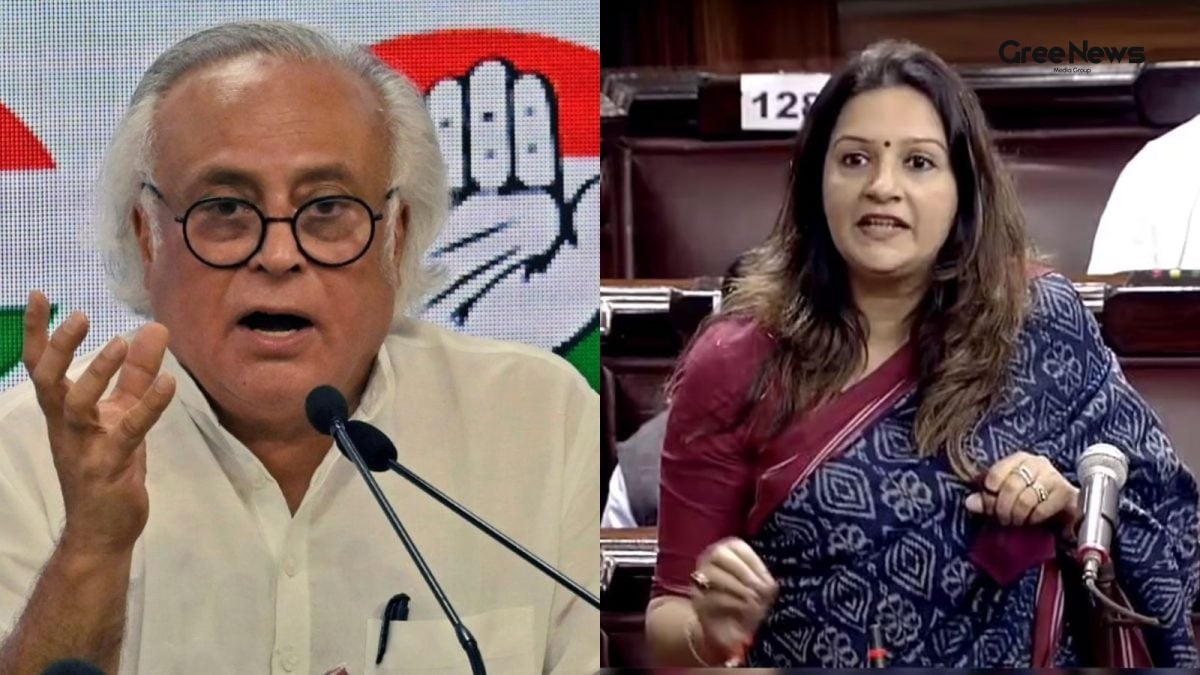
Now, while Modi’s speech captured most of the headlines, the opposition also had its side of the story. The Congress, for instance, argued that the proposed 33% reservation could create a regional imbalance, especially between the North and South. They raised concerns that the amendment might favour certain states over others, a point that sparked a lot of debate in parliament. The DMK, being a regional powerhouse, backed the Congress’s worries about a "North‑South" divide, saying that any reform must consider the diverse demographic realities of India.
Samajwadi Party leaders, on the other hand, hinted that the bill was being rushed without enough consultation with grassroots women's groups. In my conversations with a few political science students, they mentioned that many opposition members felt the timing was off, especially since the government had already been pushing other major reforms. This resistance, they argued, was not just about gender politics but also about preserving a balance of power at the state level.
Whatever the reasons, the opposition’s refusal to support the bill became trending news India, with many social media users taking sides. Some praised the opposition for standing up for federal balance, while others labelled them as “self‑serving,” echoing Modi’s harsh phrasing.
Impact on women’s empowerment what the bill meant for everyday Indians
If you ask any woman in a small town or a big city, the idea of having 33% seats reserved for women in legislatures is almost a dream come true. Such a quota could have meant more mothers, teachers, and local entrepreneurs sitting in the same rooms where policies affecting daily life are decided. Imagine a scenario where a village council has a woman representing the interests of local artisans that could change the way schemes are implemented on the ground.
Modi highlighted these possibilities, saying the bill sought to "expand opportunities for women without reducing representation for any group." He stressed that this was not about taking away seats from anyone but about ensuring a fair share for half the population. In my own neighborhood, I’ve seen a few women leaders who could have benefited from such a reservation, especially in panchayat elections where the competition is fierce.
Many activists, however, warned that a simple quota might not be enough. They argued that without proper capacity building and mentorship, reserving seats might lead to tokenism rather than real empowerment. This nuance often gets lost in viral news stories, where the headline focuses on the "sin" or the "punishment" rather than the underlying complexities.
Public reaction from the streets to the Twitter feeds
When the speech went live, the reaction on social media was immediate. #ModiVsOpposition started trending within minutes, and you could see a mix of memes, serious commentary, and heated arguments. Some users posted screenshots of the prime minister’s quote, "the opposition has committed a sin," while others shared stories of women leaders who felt let down. The hashtag #WomenReservationBill also started appearing on trending news India sites, indicating how quickly the issue spread.
In my own WhatsApp groups, the conversation turned into a debate over whether the opposition was right to raise concerns about regional balance or whether they were simply protecting their vote banks. A friend from Hyderabad argued that the bill was necessary for inclusive development, while a cousin in Delhi felt that the opposition’s stance was a form of political posturing.
Even mainstream newspapers ran op‑eds questioning the prime minister’s sharp language, asking if calling the opposition’s action a "sin" was appropriate for a democratic debate. Yet, the same outlets also highlighted the growing demand for women’s participation in governance, noting that the public sentiment is increasingly favouring gender‑balanced representation.
Political calculations what’s at stake for the major parties?
From a political analyst’s perspective, the whole episode is a classic example of how policy, power, and perception intertwine. For Modi’s government, pushing the women’s reservation bill was a way to showcase its commitment to gender equality a key part of its broader narrative of "development for all." By framing the opposition’s resistance as a moral failure, the prime minister aimed to create a clear "us vs. them" storyline that would resonate with voters.
On the flip side, the opposition parties, especially the Congress, have been trying to revive their relevance after a series of electoral setbacks. By focusing on a "North‑South" imbalance, they tried to position themselves as protectors of federal balance, a topic that often appeals to regional parties and local leaders.
Both sides are playing a high‑stakes game, and the media coverage the latest news India amplifies every move. As we see more articles and TV debates, it becomes clear that this isn’t just about a single bill; it’s about how each party wants to be seen in the eyes of the electorate.
Why the prime minister asked for forgiveness a genuine apology or political strategy?
One of the most talked‑about lines from the address was when Modi said, "I seek forgiveness from all women of the country." At first glance, it seemed like a sincere apology. But if you look deeper, the phrase also serves a strategic purpose. By openly acknowledging a shortcoming, even if it’s the opposition’s, the prime minister positions himself as a leader who cares about the grievances of ordinary citizens.
In most cases, political leaders use such language to soften the blow of harsh criticism, turning a potentially polarising moment into an opportunity to connect with the audience. I remember a similar instance a few years back when a different minister used the phrase "I apologise" after a policy blunder; the public reaction was mixed, with some seeing it as a genuine gesture and others as a calculated move.
For Modi, the apology also allowed him to re‑emphasise his commitment to women’s empowerment, reinforcing the narrative that the government is still dedicated to the cause, even if parliament didn’t pass the bill this time.
Looking ahead what could happen next?
So, what’s next for the women’s reservation bill? Analysts suggest a few possibilities. One is that the government might try to re‑introduce the amendment in a future session, perhaps after negotiating with some of the opposition parties. Another is that the issue could become a broader rallying point for women’s groups, who may organise protests, write petitions, and push for the bill in state assemblies.
There’s also a chance that the opposition could use this episode to demand a more detailed discussion on the bill’s implications, especially concerning regional representation. In many debates, the "North‑South" concern resurfaces, and that could lead to a compromise that satisfies both sides.
In any case, the story will keep popping up in viral news and trending news India platforms, because the public’s appetite for discussions on gender equality and political accountability remains strong. If you’re following the latest developments, keep an eye on both the parliamentary proceedings and the ground-level movements together they’ll shape the final outcome.
Final thoughts why this matters for every Indian
At the end of the day, the whole saga is about more than just a single piece of legislation. It’s about how India balances its democratic ideals with the practical challenges of governance. Whether you’re a student, a housewife, a farmer, or a tech professional, the idea of having more women in decision‑making positions can affect policies that touch everyday life from healthcare to education, from local infrastructure to national security.
Modi’s strong words, the opposition’s resistance, and the public’s reaction all form a complex tapestry that reflects the nature of Indian politics today. As we continue to see more breaking news and trending discussions around the topic, the hope is that the conversation moves beyond slogans and leads to concrete steps that empower women across the country.
That, in my opinion, is the real story behind the headlines a story that will keep evolving, and one that each of us should follow closely.