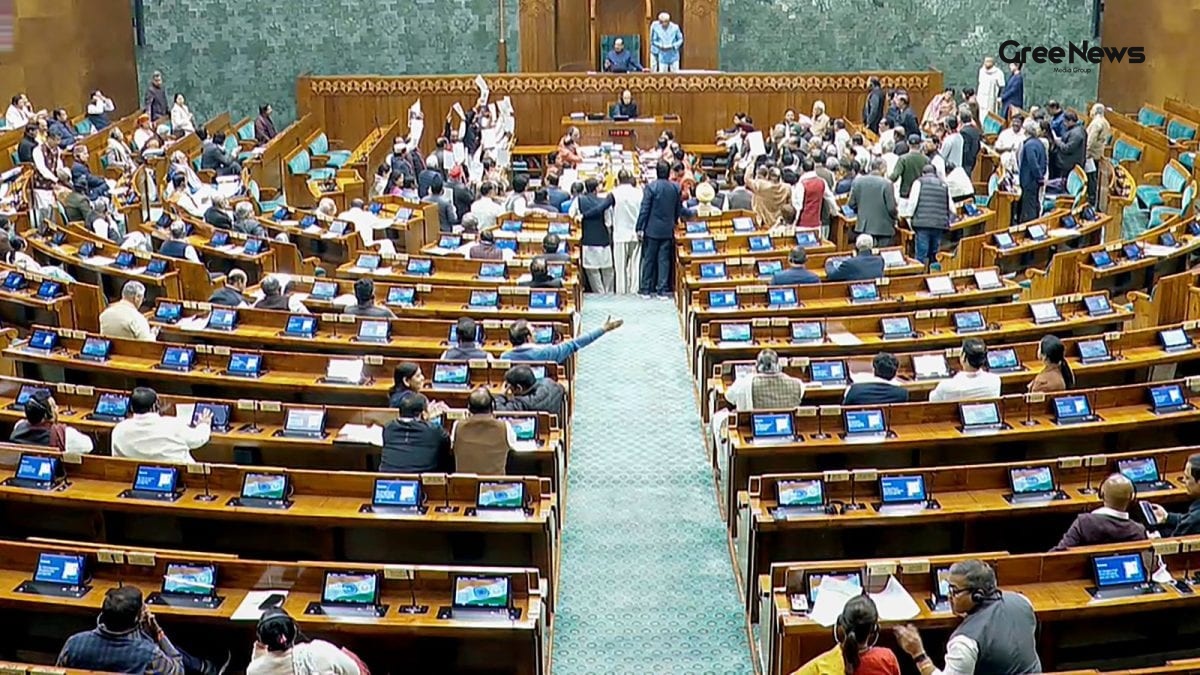
Prime Minister Narendra Modi-led central government's Constitution Amendment Bill on women's quota failed in the Lok Sabha on Friday.
Honestly, I was sitting with my chai watching the live telecast when the news broke that the bill didn't get the required two‑thirds majority. It felt like a sudden pause button on a movie that everyone had been waiting for. The failure of the Prime Minister Narendra Modi‑led central government's Constitution Amendment Bill on women's quota became the headline of breaking news across the country.
Just a day after the BJP‑led NDA government’s Constitution (131st Amendment) Bill was unable to secure a majority in the Parliament, Tamil Nadu’s ruling DMK proposed a private member’s bill instead. The bill aims to delink the reservation from any change in the total number and boundaries of constituencies.
Why the DMK decided to take matters into its own hands
From what I gathered, the DMK felt that waiting for a fresh census was dragging the whole process into an endless loop. In most cases, the opposition parties have been vocal about not wanting the Lok Sabha to expand before the women’s quota is implemented. So, the DMK’s private member’s bill was drafted to ensure that the 33 percent reservation kicks in from the very next election, on the existing 543‑seat Lok Sabha, without any seat increase, delimitation, or census data new or old.
According to the bill proposed by the DMK, the 33 percent reservation from the very next election, on the existing 543‑seat Lok Sabha, without any seat increase, delimitation, or census data, new or old.
DMK serves notice in the Rajya Sabha to debate and pass a bill exclusively focused on women’s reservation.
DMK MP Wilson has introduced a Constitution Amendment Bill designed to provide reservation for women starting from the very next election, without altering the current strength of 543 seats in the Lok Sabha, and without undertaking any delimitation of constituencies or conducting a census.
Background: how the original women’s quota bill fell apart
Earlier in 2023, the women’s quota was originally passed with almost all‑party support; however, opposition questioned that the government over a “hasty” delimitation based on the old, 2011 Census data. That controversy lingered like a cloud over the parliamentary session. When the Prime Minister Narendra Modi‑led central government finally brought the Constitution Amendment Bill to the floor, it was bundled with a massive delimitation exercise and even a proposal to increase the Lok Sabha seats to 816, eventually aiming at 850.
On Friday, the Prime Minister Narendra Modi‑led central government’s Constitution Amendment Bill on women’s quota failed in the Lok Sabha as it was not able to secure the required two‑thirds majority.
Delimitation Debate
The DMK bill proposed to amend the Constitution to make the 2023 women’s reservation operative immediately, without increasing the total number of seats and without waiting for a census or delimitation.
In many conversations I’ve had with friends from different states, the delimitation issue seems to be the biggest hurdle. People keep asking whether the old 2011 figures should still dictate the shape of constituencies when the population has shifted so much, especially in fast‑growing urban areas like Bengaluru and Hyderabad.
Political Standoff
The DMK’s move intensifies the political standoff that marked the special parliamentary session. The government had proposed a package of three bills combining women’s reservation with a large‑scale delimitation exercise based on the 2011 Census, along with expanding the Lok Sabha to 816 seats initially, and up to 850 in the future.
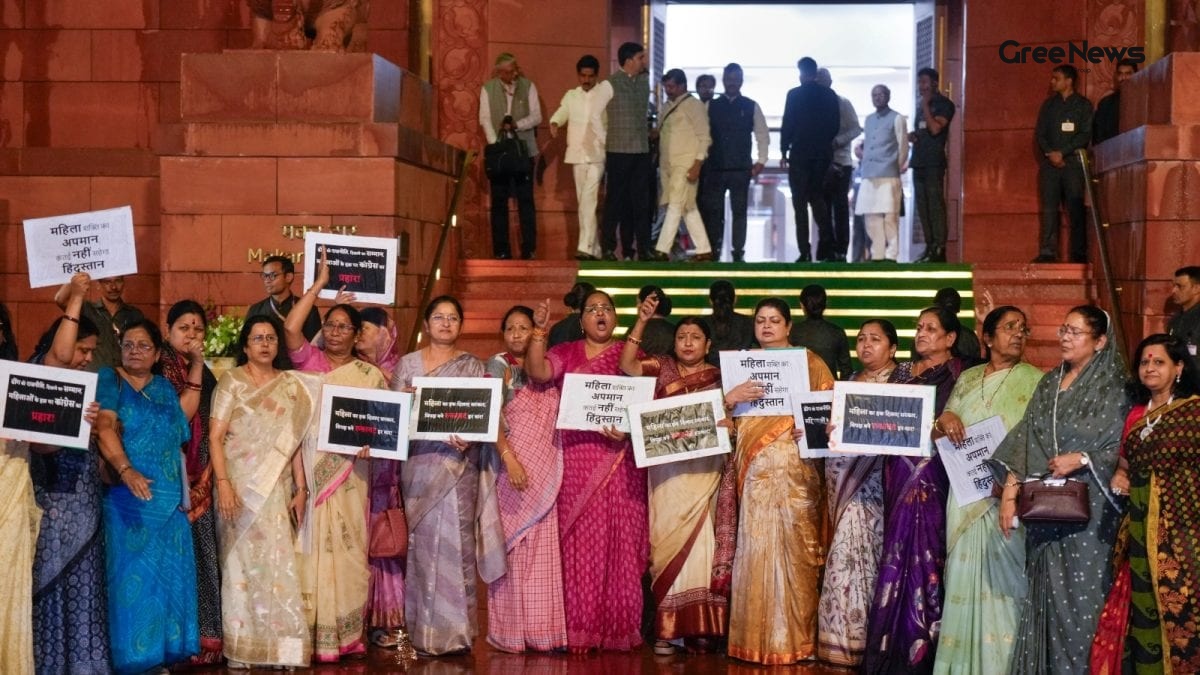
After the Opposition voted these down, the BJP’s response was to accuse the Congress, TMC, DMK and Samajwadi Party of betraying 700 million women. The ongoing debate comes just ahead of the scheduled Assembly elections this year.
Notably, throughout the session, the Opposition leaders argued that reservations could be implemented on the existing 543 seats without any of the contested provisions.
The government has not yet responded to the DMK bill. It has argued in the past that expanding the House altogether would protect current political leaders’ interests while also providing more space for women.
A Union cabinet meeting to be chaired by Prime Minister Narendra Modi is also scheduled for Saturday.
What this means for the upcoming elections and for India updates
From a ground‑level perspective, the news has turned into trending news India, with a lot of locals posting memes and short videos about the “33 percent reservation fight.” I saw a viral news clip where a street vendor in Delhi was shouting, “Give us women’s seats now, no more talks about maps!” That kind of energy shows just how much the issue resonates with everyday people.
If the DMK’s private member’s bill manages to pass in the Rajya Sabha, we could see a scenario where the next Lok Sabha election is contested on a female‑reserved platform, but without any changes to the constituency map. That would be a huge shift for parties that have been planning their candidate lists based on the expected seat increase.
On the other hand, if the government sticks to its original plan, the delimitation process could delay the implementation of the women’s quota for several years, turning this into a long‑running saga that keeps popping up in the latest news India.
Personal take why I think this matters
Honestly, watching all this unfold reminded me of the first time I saw a women’s reservation debate on TV back in 2019. The excitement, the confusion, the hope it all felt like a roller‑coaster. This time, the stakes are higher because the whole country is waiting for a clear answer.
Whether you’re a student in a small town, a shopkeeper in Mumbai, or a tech professional in Bengaluru, the prospect of more women in Parliament affects how policies might be shaped, from education to health. That’s why this story has captured the imagination of so many it’s not just another piece of political jargon, it’s about representation that could change everyday lives.
Looking ahead what could happen next?
We’ll have to keep an eye on the Union cabinet meeting chaired by Prime Minister Narendra Modi. If the government decides to negotiate with the DMK, we might see a compromise that separates the women’s reservation from delimitation. On the other hand, a stalemate could push the issue back to the courts, adding another layer to the already complex political drama.
One thing is clear: the conversation around women’s reservation is not going away soon. It will keep popping up in viral news, in social media debates, and in the corridors of power. I, for one, will be tuning in every time there’s an update, because this is a story that could shape the future of Indian democracy.