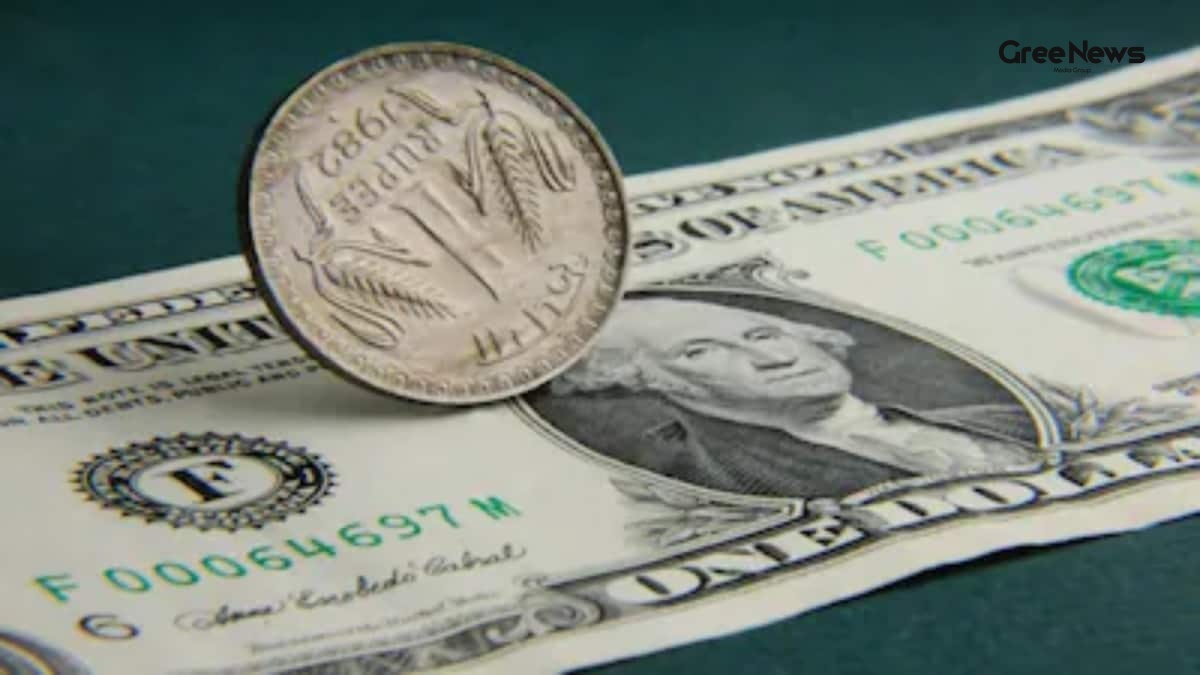
Indian Rupee vs US Dollar explains why Rs 100 buys far more in India than its dollar equivalent in the US, highlighting real purchasing power differences
Indian Rupee Vs US Dollar: When I first looked at the conversion, Rs 100 turned into about USD 1‑1.2. On paper, that seemed okay, even a little promising. But the moment I tried to actually spend that amount in the United States, the reality hit me hard.
Indian Rupee Vs US Dollar: Honestly, Rs 100 doesn’t get you much there.
With about USD 1, you’re mostly looking at very small things maybe a bottle of water, a candy bar, or a single piece of fruit at a supermarket. Even something basic like a cup of coffee usually costs more, often starting around USD 2 or USD 3. I remember standing in a coffee shop in New York, ordering a simple espresso, and watching the total climb well beyond the budget I had set with Rs 100 converted to USD 1.2. It was a bit of a shock.
Now compare that to India.
Here, Rs 100 can still go somewhere. You could grab a decent street‑food meal, pick up a few everyday groceries, or even cover a short auto‑rickshaw ride in some cities. It’s not a huge amount, but it still feels useful. For example, a plate of vada‑pav, a bottle of soda, and a small packet of chips can easily be covered with Rs 100. In the market, you could also buy a handful of fresh tomatoes, a couple of onions, and a small bundle of coriander enough to make a simple dinner at home.
The difference really comes down to how expensive things are in the United States.
Everything from food to services costs more because labour, rent and overall living expenses are higher. So even simple things end up being priced higher than what we’re used to in India.
This is where the idea of “purchasing power” comes in.
It basically means how much your money can actually do. And Rs 100 in India has a lot more purchasing power than its dollar equivalent in the United States. So even though the exchange rate says one thing, the real‑life value feels completely different.
It also depends on where you are in the United States.
In big cities like New York or San Francisco, USD 1 is almost nothing. In smaller towns, it might stretch slightly more, but not enough to make a big difference. I once visited a small town in Ohio; a bottle of water still cost about USD 1, but a plain bagel was USD 2.5 still far beyond the Rs 100 budget.
So the takeaway is pretty simple.
Rs 100 in India still feels like something you can use. In the United States, the same amount converted barely covers the basics.
It’s a good reminder that exchange rates only tell part of the story. What really matters is how far your money actually goes when you try to spend it.
Why the Numbers Differ A Deeper Look at Purchasing Power
When I started digging into the reasons behind this gap, I found a few key factors that keep popping up in the latest news India and the breaking news sections about the economy. First, the cost of labour in the United States is generally higher. Minimum wages in many states hover around USD 7‑15 per hour, whereas in India, the same job might pay a fraction of that amount in rupees. This difference pushes the price of services upward.
Second, rent plays a massive role. In a city like Manhattan, a tiny studio can cost you tens of thousands of dollars a year. In contrast, a modest one‑bedroom apartment in a Tier‑2 Indian city might cost a few thousand rupees per month. Those overhead costs get baked into the price of everyday items.
Third, the supply chain in the United States often involves longer transportation distances and higher fuel prices. The cost of bringing a bag of apples from a farm in Washington State to a supermarket in Texas adds up, and that extra cost is passed on to the consumer.
All these factors contribute to why the buying power of Rs 100 feels higher at home. When you read trending news India about inflation or price hikes, you’ll see similar patterns but the effect is magnified when you compare across borders.
For a personal anecdote, I tried to buy a simple paperback novel in a New York bookstore. The cover price was USD 12 a huge jump from the Rs 100 I had after conversion. Back in Delhi, the same title was on sale for roughly Rs 300, which is just three times my Rs 100 budget. This contrast made the idea of purchasing power hit home.
Real‑World Examples What You Can Actually Get
Here’s a quick list of items that I tried to buy with Rs 100 converted to USD 1‑1.2 in different settings:
- A 500 ml bottle of water costs about USD 1 in most US vending machines.
- A regular-sized candy bar also around USD 1.
- A single banana usually USD 0.30‑0.50, so you could buy a couple, but still not much.
- A basic cup of coffee starts at USD 2‑3 in most cafés.
- A plain bagel with cream cheese roughly USD 2.5‑3.5.
Now, the same Rs 100 can get you:
- Two or three plates of chaat or a plate of thali at a local dhaba.
- A handful of fresh vegetables enough for a simple stir‑fry.
- An auto‑rickshaw ride of about 5‑6 km in cities like Mumbai or Kolkata.
- A packet of biscuits, a sachet of tea, and a small bottle of soft drink.
Seeing these lists side by side, the contrast is stark. Many people reading viral news about travel expenses will be surprised to learn that a simple snack in the US can cost as much as a full meal in India.
How the Exchange Rate Can Mislead A Cautionary Tale
When I first checked the exchange rate, I thought Rs 100 turning into USD 1‑1.2 meant I could spend it almost the same way back home, just in a different currency. That’s a common misconception you’ll often see in India updates circulating on social media.
But the reality is that exchange rates are just a financial conversion tool they don’t account for local price levels. The concept is similar to what economists call “purchasing power parity” (PPP), which attempts to compare how much a basket of goods costs in two different countries. In our case, the PPP between India and the United States shows that Rs 100 can buy a much larger basket of goods at home.
During a recent trip, I tried to use a US‑dollar‑denominated gift card worth USD 5 which is about Rs 400 to buy a small souvenir. The shop owner told me the price was actually USD 10. If I had just relied on the conversion, I would have thought I was getting a great deal, but the local pricing told a different story.
This episode is a classic example of why breaking news about currency fluctuations should always be read with a pinch of salt. The headlines may shout about a “strong rupee” or “weak dollar,” but the everyday impact on your wallet depends on the cost of living wherever you are.
Practical Tips for Travelers Making the Most of Your Money
If you’re planning a trip from India to the United States, here are a few things I learned the hard way:
- Carry a mix of cash and cards. While a cash amount equivalent to Rs 100 won’t cover much, a prepaid travel card can help you manage small purchases without constantly checking your balance.
- Look for discount stores or local supermarkets. A lot of big‑brand items are pricey, but you can find basics like bottled water and snacks for under USD 1 if you shop at discount retailers.
- Consider sharing meals or using food‑delivery coupons. Many apps offer first‑time user discounts that can bring a $10 meal down to $5, making your budget stretch a bit more.
- Use public transport. A single bus ride in many US cities costs around USD 2, which is still more than Rs 100 can handle, but buying a day‑pass can save you a few dollars compared to multiple rides.
These small hacks are often mentioned in trending news India about budget travel, and they really helped me stretch my limited funds.
Conclusion The Real Value of Rs 100
In the end, my little experiment with Rs 100 showed a clear truth: the buying power of Indian Rupee inside India is far stronger than what you get after converting it to US Dollar and spending it abroad. While the exchange rate gives you a numeric figure, the everyday prices, wages, and living costs decide how far that amount really goes.
So the next time you see viral news about “how much does a dollar buy abroad,” remember the story behind Rs 100 a small amount that can still buy you a satisfying snack, a short ride, or a few household items at home, but leaves you reaching for more cash when you’re across the ocean.
This insight isn’t just for travelers; it matters to anyone who follows India updates about the economy, inflation, or currency trends. Understanding the gap between nominal conversion rates and real purchasing power can help you make smarter financial decisions, whether you’re planning a vacation, sending money to relatives, or simply budgeting your daily expenses.
And that, my friend, is why Rs 100 still feels useful in India, while its US‑dollar counterpart barely scratches the surface of basic costs over there.