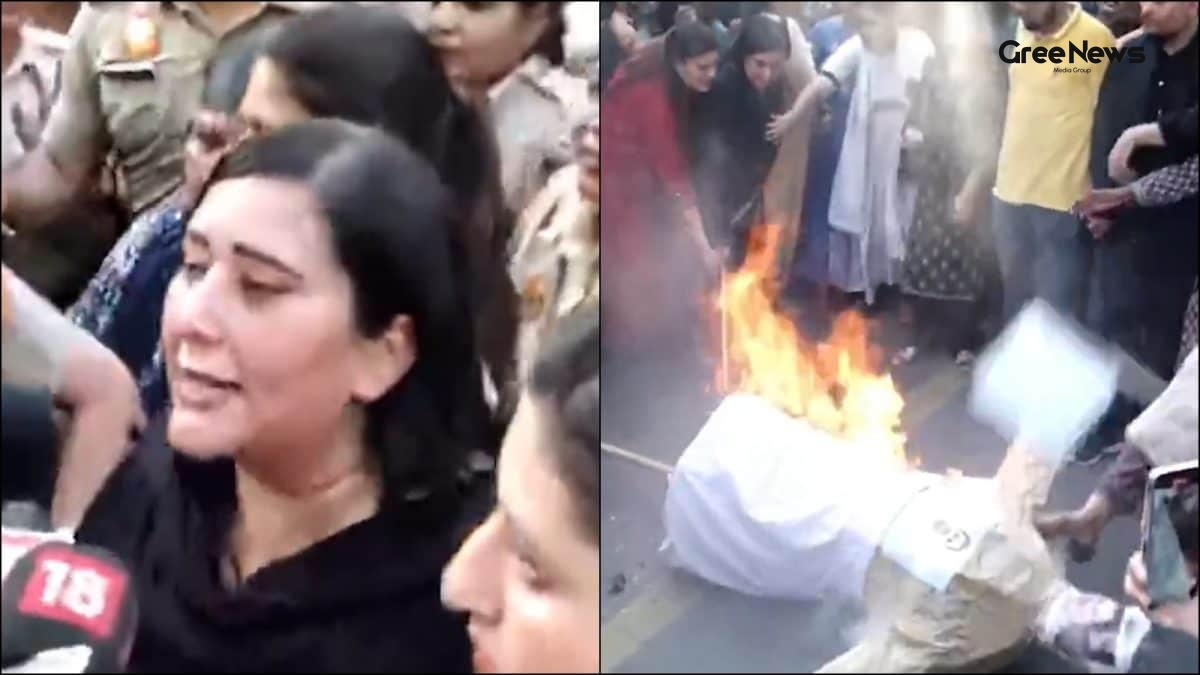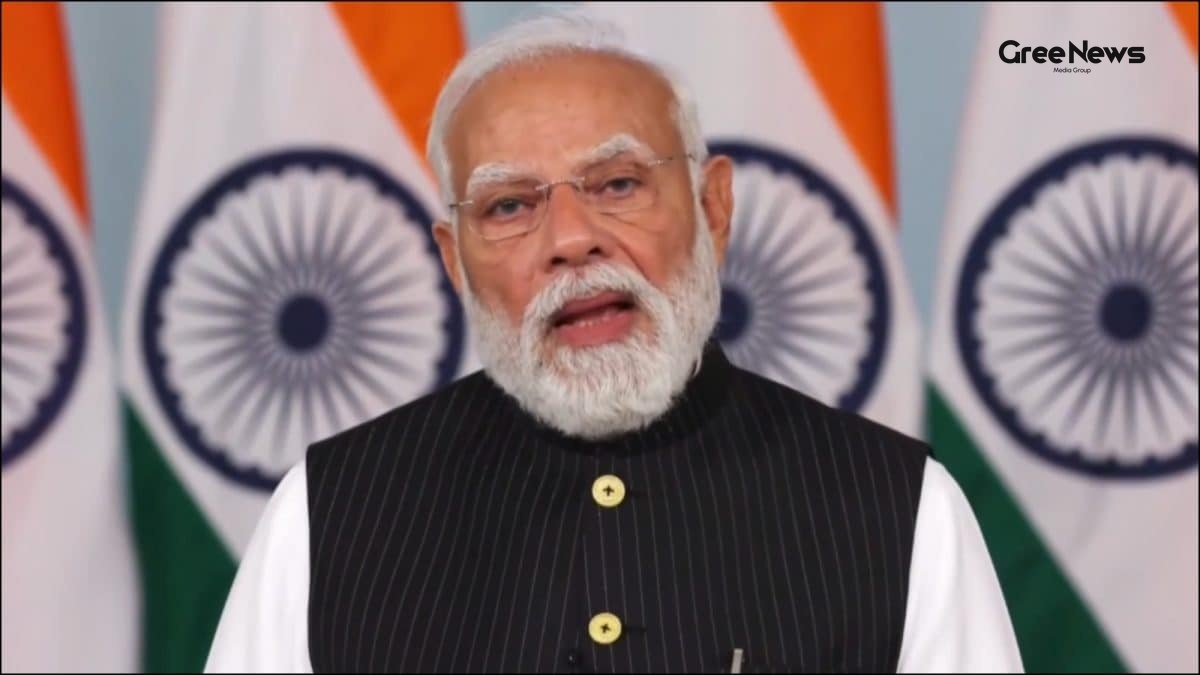
The broadcast follows a seismic legislative event: the defeat of the Constitution (131st Amendment) Bill in the Lok Sabha on Friday
When I first saw the headline about the Constitution (131st Amendment) Bill getting knocked down, I could feel the tremor in my living room. It felt like a scene straight out of a Bollywood thriller the government secured a simple majority, 298 to 230, yet missed the two‑thirds threshold needed for a constitutional amendment. That tiny gap turned the whole house into a news hub, with people glued to their phones for the latest news India. The announcement that Prime Minister Narendra Modi will address the nation tonight at 8:30 pm added another layer of suspense. Everyone’s waiting to see whether he will talk about the defeat, the energy crunch we’re hearing about in the West Asian market, or something entirely unexpected.
Honestly, the whole atmosphere reminded me of those nights when a new PUBG update drops and the entire neighbourhood gathers on the balcony to discuss it. Only this time the stakes are far higher it’s about our constitution, our economy and the direction of the country. As you read on, I’ll walk you through the most iconic PM Modi addresses that have become viral news over the years, ranking them by how much they shook the nation. Trust me, the stories behind each speech are as colourful as a Mughal‑era painting, and what happened next in each case is often more interesting than the headlines themselves.
1. Demonetisation (November 8, 2016)
Let me take you back to November 2016. I was sipping chai in my modest kitchen when the TV flashed a breaking news banner: “Demonetisation in effect 86 % of currency nullified”. In that 25‑minute address, Modi announced that Rs 500 and Rs 1000 notes would become invalid within four hours. The shock value? A perfect 10 out of 10.
Unpredictability: 10/10. Nobody not even senior cabinet members had a clue. The whole thing felt like a secret recipe revealed only at the last moment.
Prep Leaks: 0/10. ATMs were told it was a “technical upgrade” just an hour before the announcement. Imagine the panic in the bank’s control rooms a real-life thriller!
Immediate Fallout: The informal economy came to a standstill, a massive shift to digital payments via UPI took place, and the narrative moved from battling “black money” to championing a “cashless India”. I still remember my neighbour’s shop going silent for days, and the sudden queue at the nearest SBI branch a scene that turned into trending news India for weeks.
Shock Score: 10/10.
That night, my family and I sat together, counting every coin we could find, while the rest of the country was forced into a cash‑crunch. It was one of those moments that later became a part of our collective memory, constantly referenced whenever the government introduces a new economic move.
2. National Covid‑19 Lockdown (March 24, 2020)
Fast forward to early 2020. The world was buzzing with the pandemic, and the Indian government announced a 21‑day total lockdown with just a four‑hour notice. I remember the TV screen flashing the words “National Lockdown” as if it were a horror movie title. The address was both a shock and a lifeline.
Unpredictability: 8/10. While the Janata Curfew had hinted at the possibility, the sudden announcement of a full‑scale, two‑week lockdown was something no one saw coming.
Prep Leaks: 3/10. Rumours about restrictions floated around, but the exact four‑hour window was a logistical bombshell that caught even the most prepared officials off‑guard.
Immediate Fallout: Massive migrant exodus I saw hundreds of trucks packed with workers heading home on foot, the suspension of every train and flight, and streets that had never been empty until then turned into ghost towns. It was a picture that went viral across social media, becoming the talk of the town and a key piece of trending news India.
Shock Score: 9/10.
During those days, my own family tucked themselves inside our tiny flat, cooking only what we had stored, and watching the endless news cycle on the television. When the lockdown finally eased, the feeling of relief was palpable it was as if the whole nation had taken a collective deep breath.
3. Mission Shakti: Anti‑Satellite Test (March 27, 2019)
Remember the day when India announced it had successfully shot down a live satellite? That was Mission Shakti, and it landed right in the middle of a regular weekday. I was at my office, scrolling through the live stock ticker, when a tweet popped up: “Important message from the PM”. Within minutes, the Sensex wobbled, and a wave of panic spread people thought it might be another “note‑bandi”.
Unpredictability: 9/10. An anti‑satellite test being announced in daylight was something nobody expected. The market reaction alone felt like a roller‑coaster ride.
Prep Leaks: 1/10. Even global tracking agencies were taken by surprise; the DRDO mission was so classified that the world’s space analysts were left scratching their heads.
Immediate Fallout: Geopolitical ripples across the US and China, showing India’s entry into the elite club of space‑powers capable of warfare in orbit. It made headlines for days, and the whole episode turned into viral news, sparking debates in cafés and college forums alike.
Shock Score: 7.5/10.
That night, I stayed up late discussing the implications with my friends the idea that India could defend its satellites felt like something out of a science‑fiction movie, but it was very real, and it reshaped our perception of national security.
4. Repeal of Farm Laws (November 19, 2021)
On the morning of Guru Nanak Jayanti in 2021, the nation woke up to a news flash that the government was pulling back the controversial farm laws. It felt like a sudden rainstorm after a long drought a “reverse shock” that caught everyone, including the protestors at Delhi’s borders, off‑guard.
Unpredictability: 7/10. Analysts expected the government to dig its heels in deeper, but the Prime Minister’s apology and the swift repeal turned the political narrative on its head.
Prep Leaks: 4/10. While there were whispers of compromise, the timing of a complete repeal was a surprise even for seasoned journalists.
Immediate Fallout: The year‑long protests that had gripped the capital and several states finally found a tentative resolution, and political parties reset their strategies ahead of the upcoming state elections.
Shock Score: 6/10.
Personally, I remember watching the live address with my parents, hearing the PM’s tone shift from confident to conciliatory. The whole episode became a viral talking point, trending on Twitter and sparking countless memes that still surface during farm‑related discussions.
5. Tonight’s Address (April 18, 2026)
Now we are back to the present. The Prime Minister is set to speak tonight, and the context is buzzing with two major themes: the West Asian energy crisis and the parliamentary defeat of the 850‑seat Lok Sabha expansion plan.
Possible context: Energy shortages in the Middle East have pushed oil prices up, and that feeds into inflation worries back home. At the same time, the Lok Sabha couldn’t muster the two‑thirds majority needed for the big constitutional amendment, which has left many wondering if there will be a joint parliamentary session or an emergency energy protocol announced.
Unpredictability: 5/10. Unlike the 2016 demonetisation shock, the background is already public. The surprise will likely come from the remedial measures he may announce perhaps an emergency fuel allocation or a fast‑tracked legislative fix.
Prep Leaks: 6/10. Recent Cabinet Committee on Security meetings have hinted at “essential supplies” and “legislative hurdles”. Still, the exact nature of any new protocol remains under wraps.
Anticipated Shock Score: 7/10 (pending the surprise element).
What I find fascinating is how each of these addresses, despite being decades apart, still manage to capture the nation’s imagination. The moment the clock hits 8:30 pm tonight, I’ll be sitting in my balcony, phone in hand, ready to see if the PM’s words will become the next piece of breaking news that trends across social media and dominates the morning discussions.