- Devanshe Pandey
PM Modi’s heartfelt apology to mothers and daughters after the women’s reservation bill was derailed
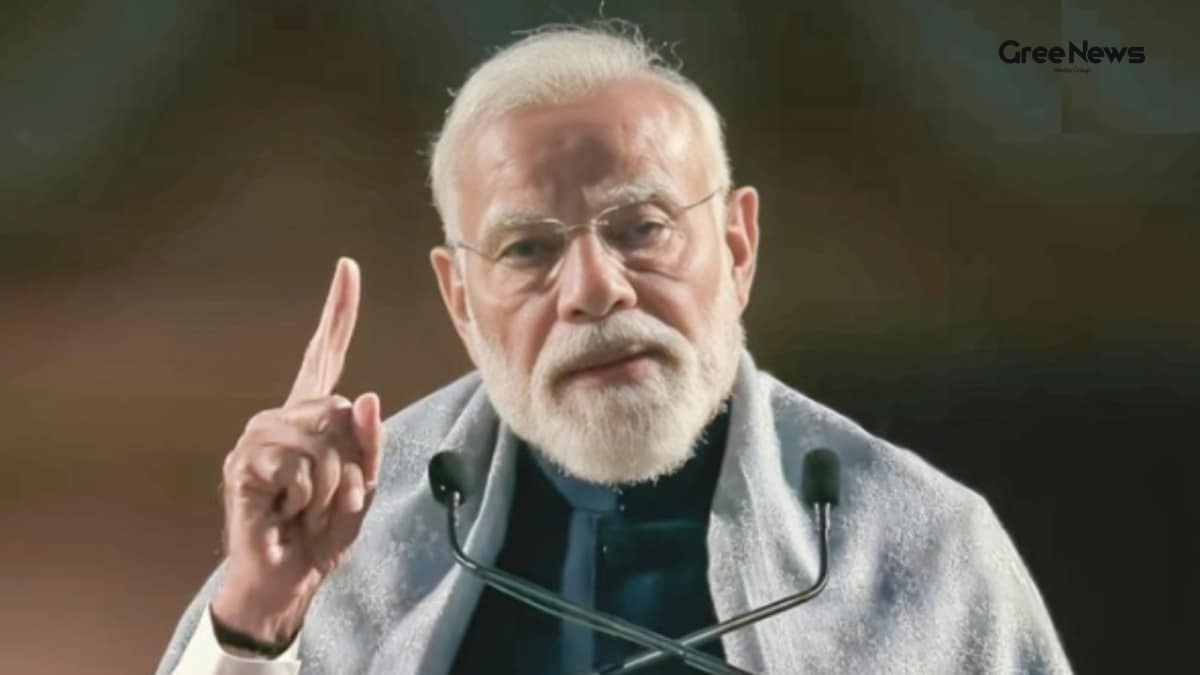
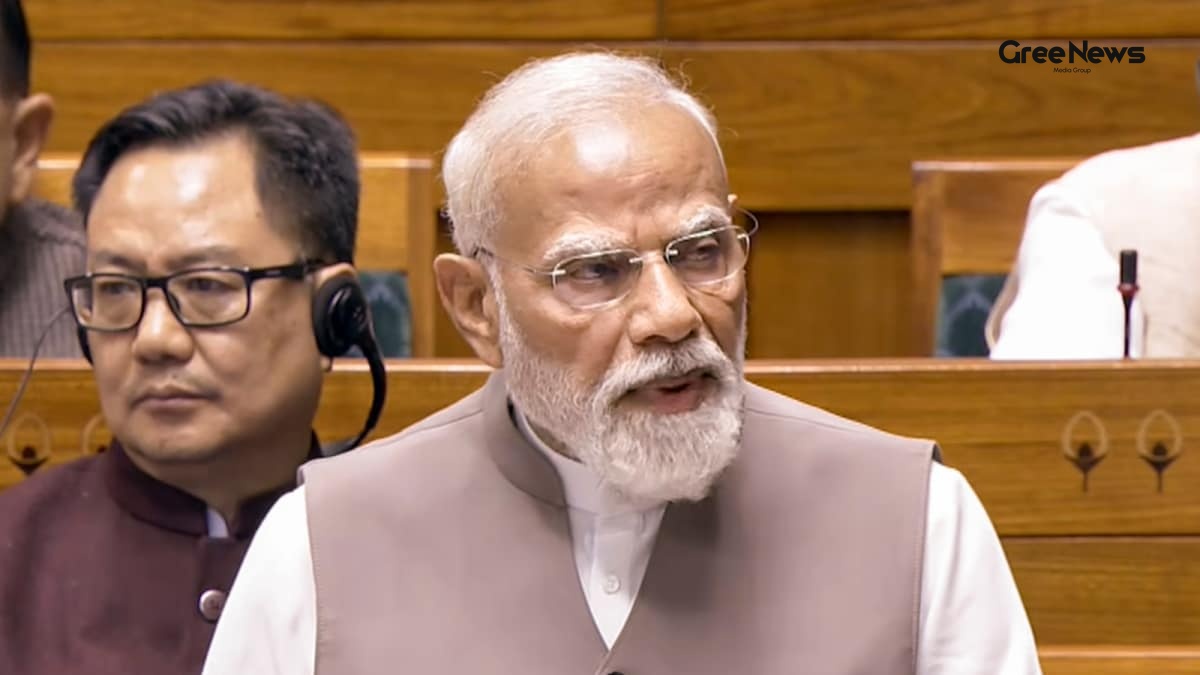
Honestly, when I first heard about the Prime Minister’s speech on the Lok Sabha floor, I thought it would be another routine political rant. But as the breaking news rolled out on the TV and my phone, I realized this was something different a genuine, almost personal, apology that caught my attention.
So, there I was, sipping my chai in a small kitchen in Chennai, watching the live feed. The Prime Minister started by saying he was here to discuss a “very important issue, especially for the women of this country.” He went on to talk about how women’s progress in India seems to have stalled, and how his government’s attempts to push the Women’s Reservation Bill were met with resistance. He then said something that made my heart skip a beat “I apologise to all the mothers and sisters of the nation for this.” I could feel the weight of his words, because for many of us, mothers and daughters are the backbone of every Indian household.
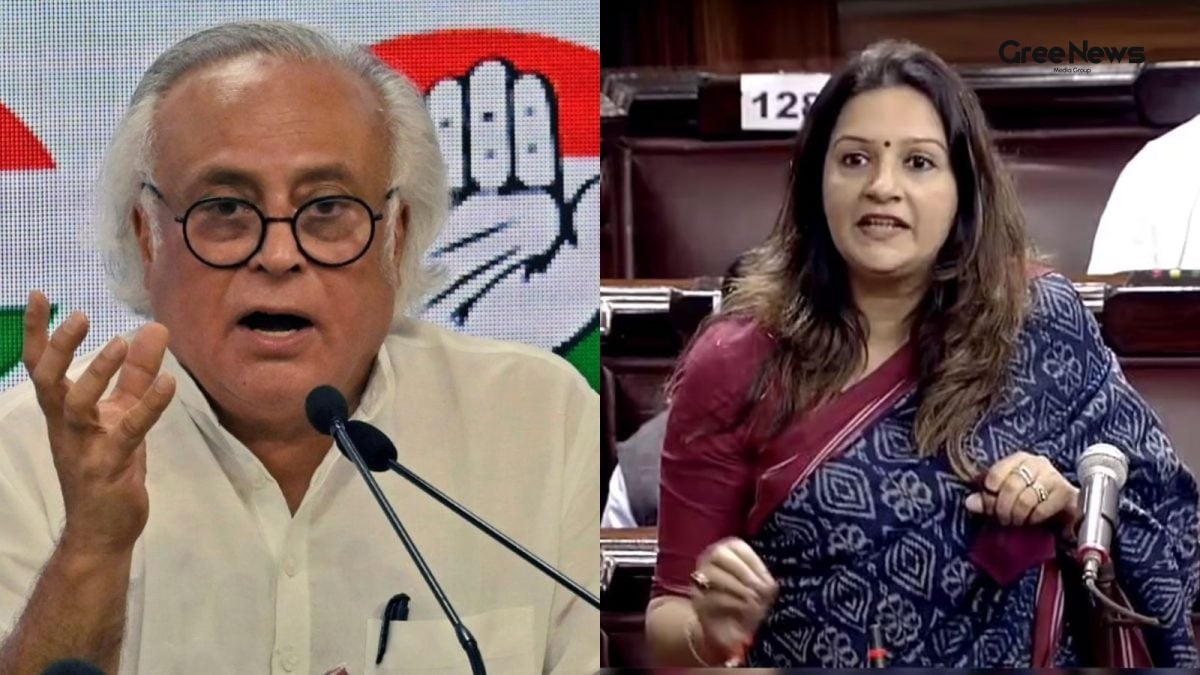
What happened next was interesting: the Prime Minister blamed the opposition specifically the Dravida Munnetra Kazhagam (DMK) and the Indian National Congress for turning the legislation into a “target of hatred and petty politics.” This line instantly became viral news on social platforms, with countless memes and commentary trying to make sense of the political drama. It felt like one of those moments where you see the whole country’s attention shift to a single issue, and you can’t help but wonder what the next day will bring.
To give you a clearer picture, let me break down what the Women’s Reservation Bill actually proposed. The idea was to increase the strength of the Lok Sabha from the current 543 seats to a whopping 816 a move meant to operationalise a 33 per cent quota for women ahead of the 2029 general elections. The increase was supposed to follow a delimitation exercise based on the 2011 Census figures. Similar expansions were also planned for state and Union Territory assemblies, ensuring that women would have a stronger voice not just at the centre but across the country.
Now, here’s where the numbers become crucial. For a bill like this to pass, it needs at least a two‑thirds majority in the Lok Sabha that’s the rule. The BJP‑led alliance, despite its strong presence, fell short of the required tally. In the vote that happened on Friday night, only 298 members supported the bill while 230 voted against it. Out of a total of 528 members who participated in the division, the bill needed at least 352 votes to clear the hurdle. In most cases, such a shortfall reflects deeper fault lines in Indian politics, something I’ve observed during many political debates over the years.
What I found particularly striking was the way people reacted in everyday settings. In a bustling college canteen in Delhi, students were debating whether the bill’s failure was a missed opportunity or a political inevitability. In a small village in Maharashtra, women gathered after the evening puja to discuss how the lack of reservation might affect their chances of getting a voice in the panchayat. Even my neighbour in Bangalore, who usually avoids politics, was suddenly scrolling through the latest news India feeds, sharing articles with a note that read, “This is why we need more women in decision‑making.” This surge of conversation made the story not just a political event, but a societal moment that resonated with ordinary Indians.
When the Prime Minister said, “Despite our best efforts, we haven’t succeeded. Amendments could not be made in the Nari Shakti Adhiniyam,” it sounded like a personal admission. As someone who has seen my own mother struggle for a seat at the table in her workplace, his words hit close to home. I could almost hear the chorus of mothers across the country from the tea stall owner in Kolkata to the software engineer in Hyderabad thinking, "Will we ever get the representation we deserve?" This is why this story turned into trending news India so quickly; it tapped into a collective yearning for equality.
Let’s talk a bit about the political dynamics that led to the bill’s derailment. The opposition parties, especially the DMK and the Congress, argued that the bill’s implementation would lead to a hasty increase in seats without proper deliberation on constituency boundaries. They raised concerns about how the additional seats would be allocated and whether the quota would truly benefit marginalized women or just affluent families. While these are valid policy concerns, the way the debate unfolded made it look more like a game of political chess, where each move is aimed at scoring points rather than solving a societal problem.
In my experience, Indian politics often turns into a theatre of power plays. When I watched the parliamentary session, I could see seasoned politicians exchanging pointed remarks, while the younger members seemed unsure whether to support the bill or side with their senior leaders. The whole episode reminded me of a cricket match where the bowler keeps changing his line and length you never know which ball will finally hit the wickets.
Now, why does this matter to the common man? Imagine a scenario where your daughter, who dreams of becoming a doctor, faces an additional barrier to representation in local governance. With a women’s quota, her chances of becoming a member of the local council or even influencing health policies could increase dramatically. This is not just about numbers; it’s about everyday decisions that affect the lives of mothers, daughters, and even our grandparents.
Many people were surprised by the Prime Minister’s direct apology. In the past, political leaders often resorted to vague statements, but Modi’s approach felt more personal. He said, “I apologise to all the mothers and sisters of the nation for this.” You could feel the sincerity, even though some critics called it a political stunt. Regardless, the apology sparked a wave of discussions on social media platforms like Twitter and Instagram, where hashtags such as #WomenReservation and #ModiApology trended for hours. The sheer volume of posts made this story a piece of viral news that many could not ignore.
What happened next is interesting a flurry of opinion pieces started appearing in newspapers and online portals. Some analysts argued that the bill’s failure could be a catalyst for a renewed push for women’s representation, while others warned that it could demoralise the movement. In my kitchen, over a plate of dosa, I heard my sister argue that this setback might encourage more women to join politics at the grassroots level, ensuring that the demand for quota never dies.
From a broader perspective, this episode adds another chapter to the ongoing story of women’s empowerment in India. We have seen major milestones, such as the Nari Shakti Vandan scheme and the increased presence of women in the civil services. Yet, the struggle for equal representation in elected bodies remains a work in progress. The Women’s Reservation Bill, had it passed, could have accelerated this progress, but its derailment shows that the road is still rocky.
For those of us trying to stay updated, this event quickly became part of the daily India updates we consume. It was featured in the nightly news bulletins, discussed in morning talk shows, and dissected in political podcasts that I tune into during my commute. The fact that it touched so many aspects of public life from policy and politics to family conversations and social media is a testament to its relevance.
Looking ahead, what can we expect? The Prime Minister’s apology may have been a heartfelt gesture, but the real work lies in building consensus across party lines. Some political insiders hinted that a revised version of the bill could be tabled after a thorough consultation with all stakeholders, ensuring that the concerns raised by the opposition are addressed. If that happens, we might see another round of intense debate, perhaps this time with broader public support.
In the meantime, the story continues to dominate the media space, making it one of the most viewed pieces of breaking news in recent times. It reminds us that in a democracy as diverse as ours, the journey towards gender equality is not a straight line but a series of twists and turns, each demanding patience, persistence, and, sometimes, an apology.
As I close this recount, I can’t help but think of all the mothers who have been waiting for their daughters to have a seat at the table. The bill’s derailment may have been a setback, but the conversation it sparked has already planted seeds. Maybe, just maybe, those seeds will grow into a future where women’s voices are not just heard but are an integral part of our nation’s decision‑making process.