Mahua Moitra slams Prime Minister Narendra Modi over his remarks on defeat of women’s reservation bill, says it passed in 2023, was notified recently, and can be implemented now
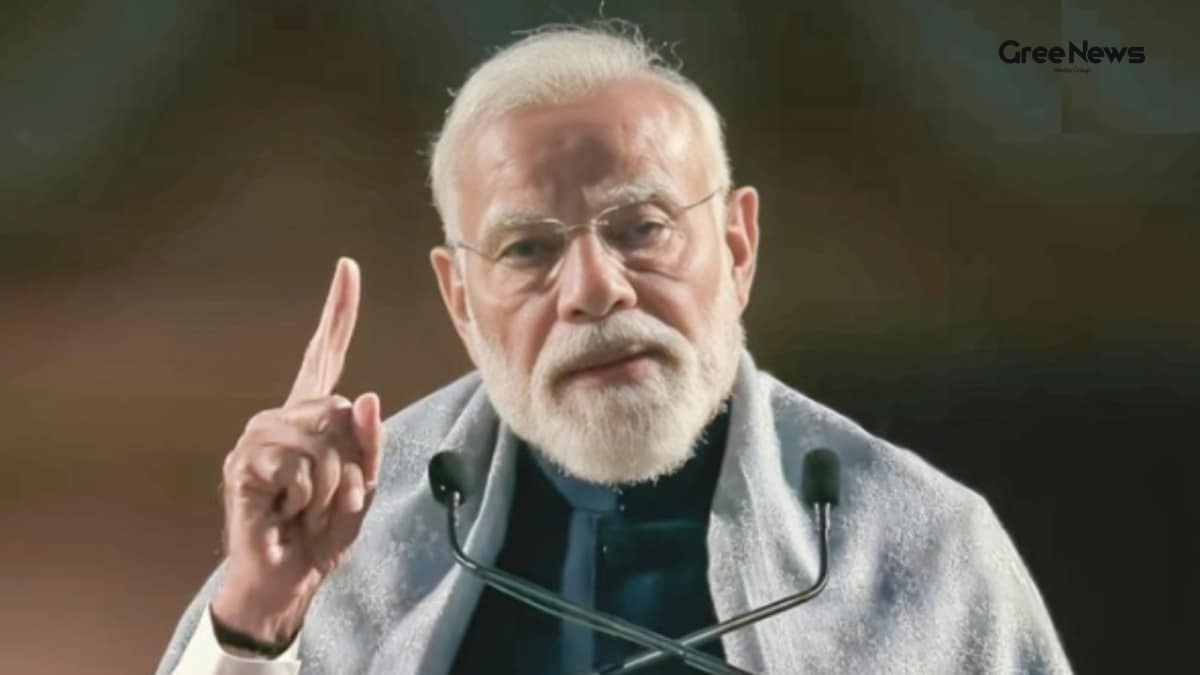
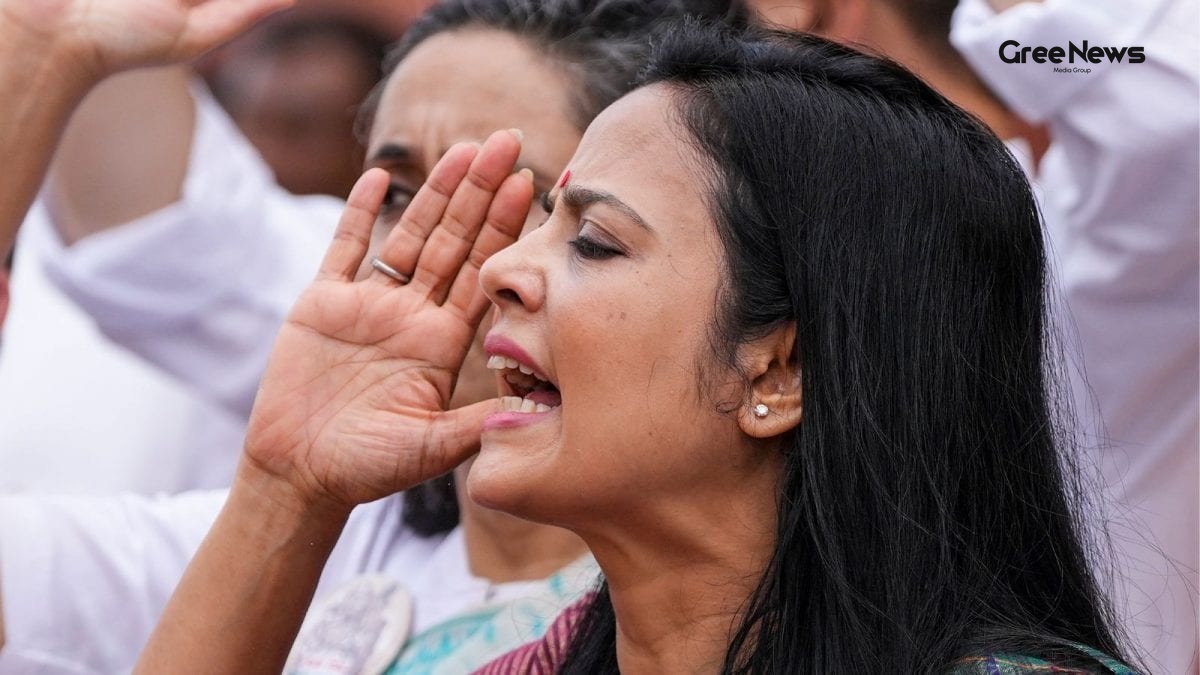
When Prime Minister Narendra Modi took to the nation to talk about the defeat of the women’s reservation bill in Parliament, a wave of reactions thundered across social media. In the midst of the storm, Mahua Moitra, a TMC MP, posted a scathing reply on X that turned the whole discussion into what can only be described as breaking news for many Indian netizens. Mahua Moitra wrote that the women’s reservation bill had already cleared the legislative hurdle in 2023 and had even been officially notified two days ago, meaning there was no legal barrier to putting it into effect immediately. This claim surprised a lot of people because the narrative that the bill was still pending has been echoed by many mainstream news channels for weeks.
In the post, Mahua Moitra used strong language, calling the Prime Minister’s statements “dramebaazi” and accusing the so‑called “Godi media” of trying to hide the truth. The tweet read, “Your dramebaazi & your Godi media script will not hide truth women’s reservation already passed in 2023 & notified 2 days ago.” The simplicity of the wording, combined with the sharp criticism, made the post go viral within minutes, spawning a tidal wave of retweets, memes, and commentary. It quickly became one of the most talked‑about pieces of trending news India, especially among those who follow parliamentary reforms and gender‑quota policies.
What made the situation even more interesting was Mahua Moitra’s follow‑up tweet, where she added, “NOTHING stops you from implementing it now & giving 1/3 of 543 seats to women the way TMC has done.” By directly addressing Prime Minister Narendra Modi, Mahua Moitra turned a policy discussion into a personal challenge, a move that many political analysts say is a classic example of opposition parties using social media to bypass traditional media filters. This kind of direct engagement is quite common in today’s political landscape, where leaders often use platforms like X to speak straight to the public, bypassing the usual press releases.
For those unfamiliar with the background, the women’s reservation bill seeks to reserve one‑third of the seats in the Lok Sabha and state legislative assemblies for women. The idea has been around for decades, but it has faced numerous hurdles, including the need for a two‑thirds majority in Parliament to amend the Constitution. The bill finally cleared the house in 2023, according to Mahua Moitra, and was notified just a couple of days before the Prime Minister’s address. If the notification is accurate, the law is technically ready for implementation, which means the government could start the process of allocating seats without waiting for another round of parliamentary voting.
However, the reality on the ground is more complex. While the bill may have been passed and notified, the actual implementation would still require a series of administrative steps, including delimitation of constituencies and coordination with the Election Commission. This is where Prime Minister Narendra Modi’s narrative about the defeat came into play. In his speech, Prime Minister Narendra Modi highlighted that the bill could not be implemented without a fresh constitutional amendment, emphasizing the lack of a two‑thirds majority. This seemingly contradictory stance sparked a flurry of debate on whether the legal notification truly equates to immediate enforceability.
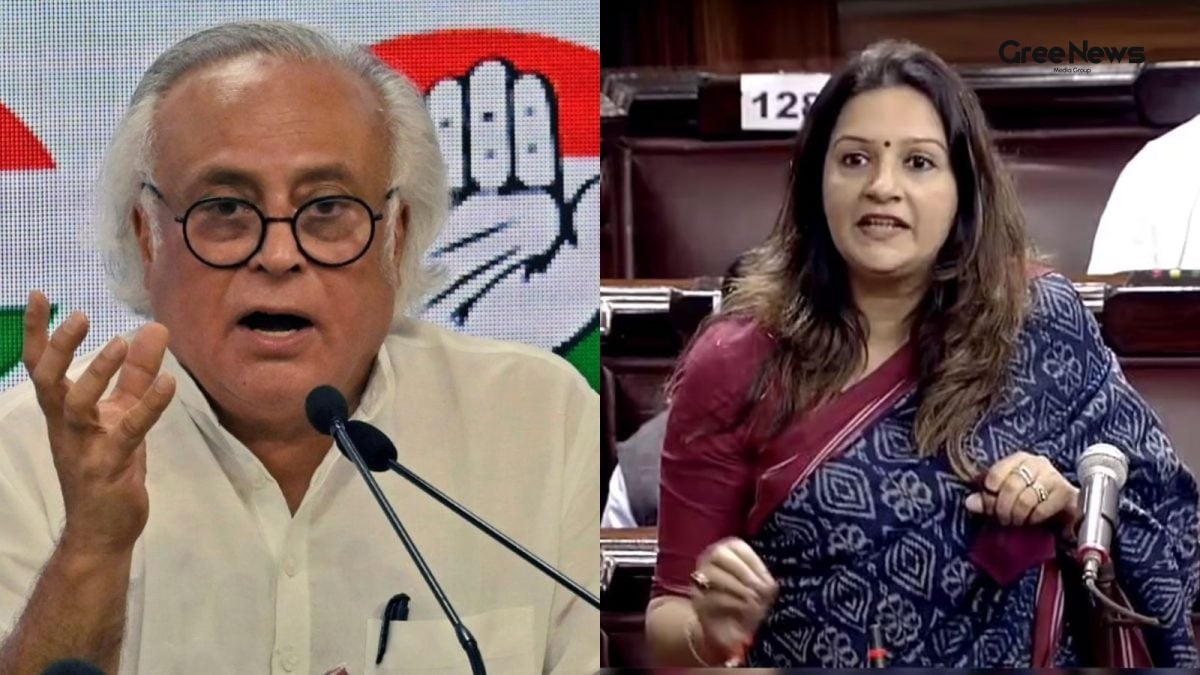
Adding another layer to the drama, another TMC MP, Babul Supriyo, jumped into the conversation with a long‑form critique. Babul Supriyo pointed out that “Parliament is Supreme & Honble PM led Govt under BJP was not even remotely close to getting the 2/3 majority needed for a Constitutional Amendment !! And connecting the Women’s Bill with Delimitation was nothing short of Blasphemy & unethical !! So now, what empowers the Honble PM to misuse the State Television in a democratic country trying to justify the bill? Forget morals, it is unprecedented or correct me if this has happened before or was done by any other past‑PM of our country? PM Sir does innumerable Political Rallies shouldn’t he have saved this for that political platform??” The length and passion of Babul Supriyo’s statement turned it into another piece of viral news, with many users sharing screenshots across WhatsApp groups and Telegram channels.
What happened next is interesting because the reaction wasn’t limited to political circles. Ordinary citizens, especially women’s rights activists, began sharing personal anecdotes about how the assurance of a reserved seat could change the political landscape in their villages and towns. A teacher from a small town in West Bengal wrote, “If the reservation is finally there, girls like me will finally see a chance to serve in the legislature without fighting a male‑dominated system.” Stories like these made the whole episode feel more than just a political tussleit became a human story that resonated with everyday Indians, turning it into a piece of trending news India that many could relate to.
From a media perspective, the whole backlash also highlighted the role of the so‑called “Godi media” that Mahua Moitra mentioned. Many television news anchors and print journalists seemed to echo Prime Minister Narendra Modi’s line of reasoning, focusing on the procedural challenges rather than the fact that the bill had already been notified. This selective coverage, according to several media watchdogs, contributed to a misinformation gap that Mahua Moitra and Babul Supriyo tried to close with their social media posts. This gap became a hot topic in the realm of viral news, with fact‑checkers stepping in to verify the status of the notification and the practical steps needed for implementation.
On the ground, political parties started strategizing. Some senior leaders of the ruling party hinted that they might revisit the issue after the upcoming general elections, suggesting that the timing could be a factor. Meanwhile, opposition parties, especially the TMC, seized the moment to pressurize the government, arguing that delaying the implementation would be a betrayal of the promise made to women voters. The conversation even spilled over to regional media outlets, where local reporters covered the reactions of constituency‑level workers, offering a micro‑view of how the bill’s potential implementation could affect electoral calculus in both urban and rural areas.
When looking at the bigger picture, the clash between Mahua Moitra and Prime Minister Narendra Modi over the women’s reservation bill underscores a deeper question about democratic processes in India: how quickly can a law, once passed, be translated into reality? The situation also serves as a reminder that in today’s digital age, a single tweet can spark nationwide debate, turning a legislative nuance into what could be described as the next big piece of breaking news. For many, this episode has become a case study on the power of social media, political framing, and the importance of clear communication from both the government and the opposition.
In the weeks that followed, the story continued to dominate the latest news India feeds, with discussion panels on television, trending hashtags on X, and endless memes on Instagram. The combination of Mahua Moitra’s bold accusation, Babul Supriyo’s passionate rebuttal, and Prime Minister Narendra Modi’s steadfast narrative created a perfect storm that kept the public glued to updates. For anyone following the developments, the key takeaway is that the women’s reservation bill, regardless of its current legal status, has become a symbol of the larger struggle for gender representation in Indian politicsa struggle that many hope will finally see a decisive victory soon.
Overall, the incident illustrates how a single policy can become the epicenter of political drama, media scrutiny, and public debate. Whether the bill will be implemented in the near future depends on several factors the willingness of the ruling party to act, the pressure from opposition leaders like Mahua Moitra and Babul Supriyo, and the continued engagement of citizens who see this as a chance for real change. As the story continues to unfold, it remains a vivid example of why keeping an eye on India updates is crucial for anyone interested in the evolving democracy of the world’s largest republic.