Why you should care about your toothbrush’s hidden expiry date
Honestly, I never gave a second thought to my toothbrush until a friend from college showed me his brand‑new brush and bragged about how soft the bristles felt. That's when I realised I’d been holding on to the same old one for months, maybe even a year. The truth is, most people in India think of a toothbrush as a permanent companion you grab it in the morning, use it twice a day, and only replace it when it looks downright shabby. But dentists keep telling us there’s an unofficial “expiry date” that arrives sooner than most of us expect.
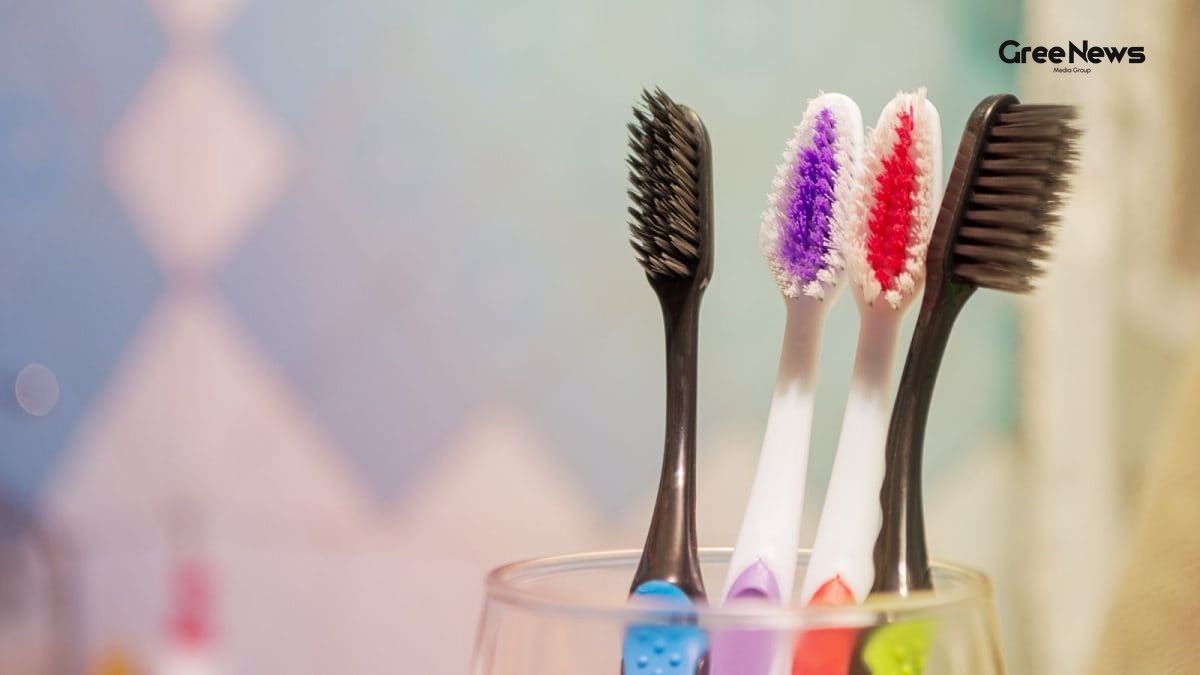
On average, a toothbrush should be swapped out every three months. This isn’t some random guess pulled from the latest news India feeds; it’s backed by research on bristle wear and bacterial buildup.
Now, you might wonder, “what happened next is interesting” after three months the bristles start to fray, lose their shape, and become less effective at cleaning those tricky back molars. Even if the brush still looks decent, it’s already losing its cleaning power.
The science behind bristle wear and why it matters
When you brush, the bristles act like tiny scrubbers. Over time, they get bent, split, or become splayed. Imagine trying to clean a pan with a steel wool that’s lost its grit you’d end up with a lot of leftover residue. Same with teeth: worn‑out bristles can’t reach the interdental spaces as well, leaving plaque behind.
In most cases, you’ll feel the difference if you press the brush against your gums; a fresh brush feels springy, while an old one feels flat or rough. Those subtle cues are actually your mouth telling you it’s time for a change.
And here’s a little tip that many forget even electric toothbrush heads follow the same rule. The motor might be built to last, but the replaceable head needs a fresh set of bristles every few months, just like a manual brush.
Hygiene: The hidden army of germs on your brush
Every time you brush, you’re exposing the bristles to the bacteria that live in your mouth. Rinsing the brush under running water removes the obvious bits, but it doesn’t sterilise it. In fact, when you store your toothbrush in a steamy bathroom, those microbes love the warm, moist environment and multiply like crazy.
Think of it like leaving a damp towel on the sofa before you know it, mould starts growing. The same principle applies to toothbrushes. Over a few weeks, a brush can become a mini‑petri dish of germs, some of which might be resistant to the toothpaste’s mild antibacterial action.
This is why, when you read the latest breaking news about health in India, you’ll often see experts urging people to change toothbrushes regularly it’s a simple step that can curb the spread of oral infections.
Illness and the “reset” rule
Ever had a nasty cold, flu, or a throat infection? If you keep using the same brush after you feel better, you’re basically re‑introducing the same germs back into your mouth. Dentists recommend swapping the brush as soon as you recover. It’s a small habit, but it can prevent a relapse of the infection.
Personally, I once brushed with the same brush during a three‑day bout of fever. The next morning, my gums felt sore and I noticed a slight taste that lingered longer than usual. A quick trip to the nearest store for a fresh brush solved it instantly a classic case of “what you don’t know can bite you”.
Kids, bristles, and the extra‑fast turnover
Children treat toothbrushes a bit like toys. They may chew on the bristles, press harder than necessary, or simply forget to rinse properly. That means their brushes wear out even faster than an adult’s. Keeping an eye on the bristle condition if they’re bent, splayed, or feel rough is crucial.
In my neighbourhood, I’ve seen parents swap their kids’ brushes every two months without even thinking about it. It’s a habit that aligns perfectly with the recommendations from paediatric dentists and also fits nicely into the routine of a school‑day schedule.
So, if you’re a parent, consider marking the calendar maybe a sticky note on the fridge reminding you to replace the little one’s brush after the next school term.
Practical tips to remember the three‑month rule
Here are some down‑to‑earth tricks I’ve tried (and they actually work):
- Mark the day you buy a new brush on the back of the bathroom mirror with a small pencil mark.
- Set a recurring reminder on your phone you can label it “Time for a fresh brush!” it feels like a mini‑challenge.
- Keep a spare brush in the kitchen cupboard or your work bag, so when it’s time, you won’t have to run to the nearest store.
- If you’re on a budget, buy a pack of three brushes at a time; you’ll always have a fresh one ready.
Most people think replacing a toothbrush is a hassle, but in reality it’s one of the easiest health habits you can adopt. Like changing your socks, it costs almost nothing and can make a noticeable difference in how clean your mouth feels.
What the experts say a quick recap
To sum up the key points that pop up in many trending news India pieces about oral health:
- Replace your toothbrush every three months, or sooner if the bristles look frayed.
- After a cold, flu, or sore throat, swap to a fresh brush as soon as you feel better.
- Kids need even more frequent changes because they tend to use the brush more aggressively.
- Electric toothbrush heads follow the same three‑month rule.
- Store your brush in an upright position and let it dry avoid closed containers that trap moisture.
Following these simple steps can keep your mouth healthier and might even save you a few trips to the dentist. And hey, it’s a neat way to stay on top of those viral health tips that keep popping up in the latest breaking news feeds.
Final thoughts don’t let your brush become a silent saboteur
Next time you pick up your toothbrush, glance at the bristles. If they feel a little flat or you can’t remember the last time you bought a new one, that’s your cue. It might not have an expiry date printed on the handle, but it definitely doesn’t last forever.
Remember, a fresh brush is a tiny investment for a big payoff cleaner teeth, fresher breath, and fewer gum problems. So give yourself a pat on the back for catching up with the latest health updates, and head out for a new brush today.
Many people were surprised by how such a simple change could make a noticeable difference. What happened next? My own smile felt brighter, and even my friends commented on how fresh my breath was. Small changes, big impact that’s the story people love to share when they talk about viral news on oral care.
Israel Iran War News Iran US Ceasefire