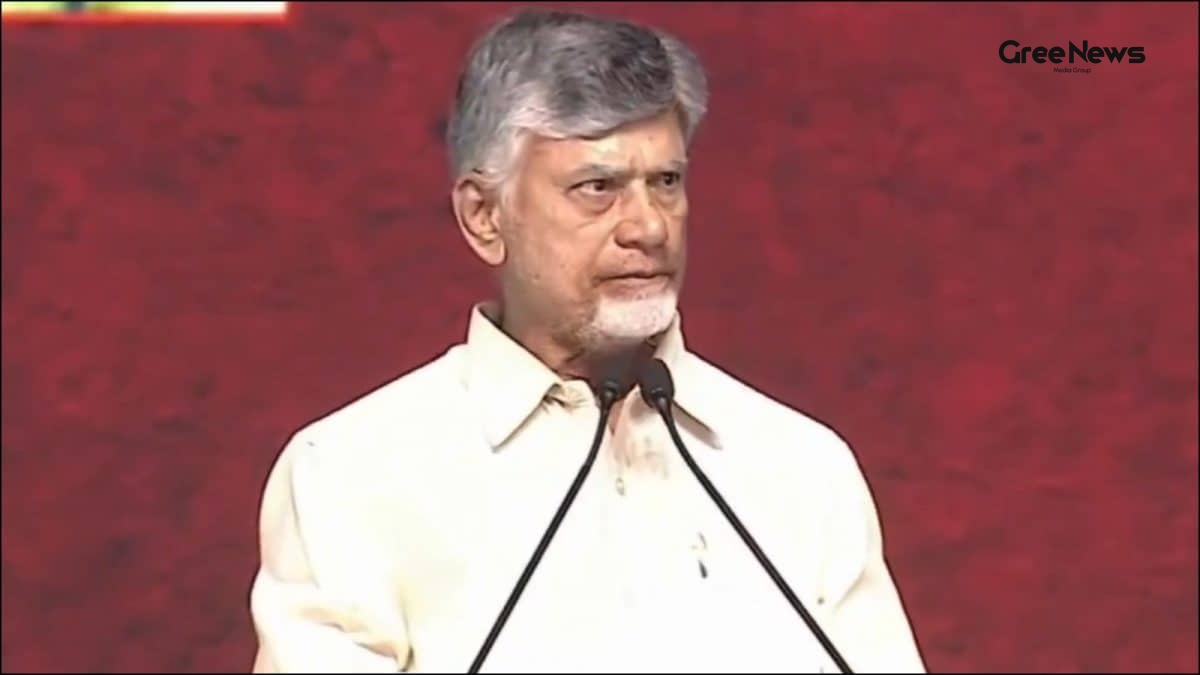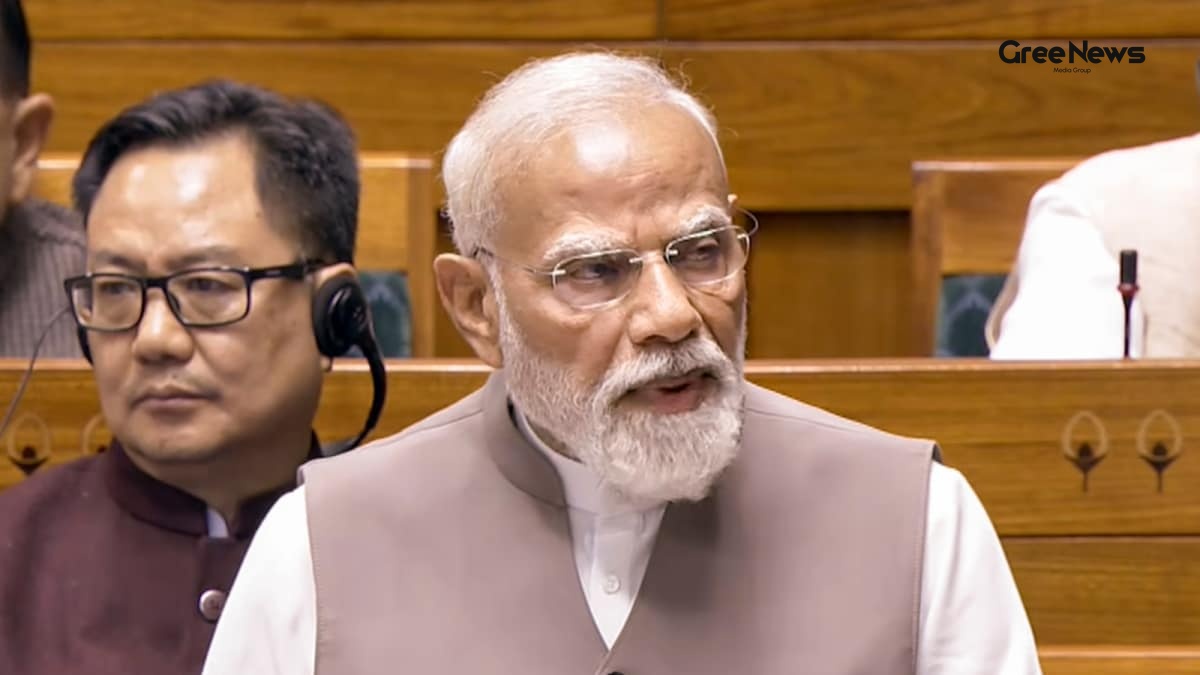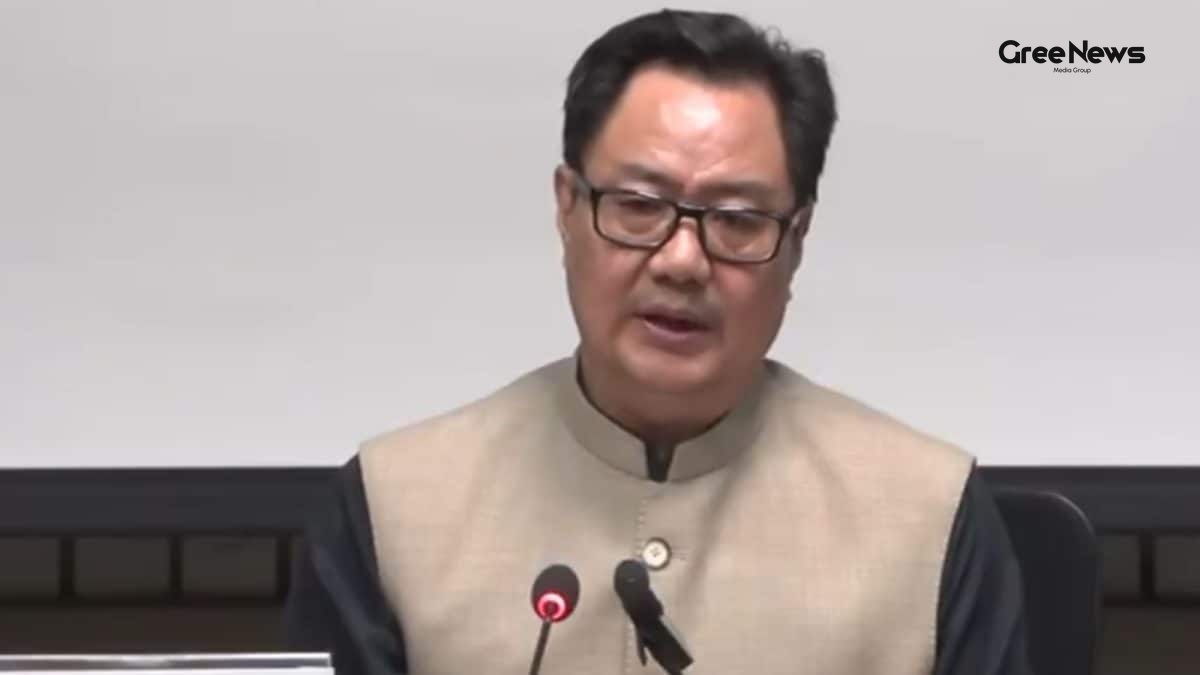
He added that the decision would have wider implications, stating, “We are sad because women of the nation will be affected by this.”
Honestly, when I was watching the live telecast of the Lok Sabha debate, I could feel the tension in the air. The women’s reservation bill a proposal to amend the Constitution so that a certain percentage of seats in both Parliament and State Assemblies are reserved for women by the year 2029 was finally put to vote. I never imagined that the whole episode would turn into such a heated showdown, and then see Union Minister Kiren Rijiju, a member of the BJP, blow up on the opposition. He called the defeat a "black stain on Congress" and said it would hurt women across India.
Now, let me break down what exactly happened, because the whole thing feels like a mix of political drama and social disappointment. The bill needed a two‑thirds majority in the Lower House that translates to at least 352 votes out of the 528 members who cast a ballot. In the end, 298 members backed the proposal, while 230 opposed it. So, the bill lost by a considerable margin, and the numbers make it clear why the government and many activists are upset.
Why This Bill Mattered My Take on the Background
From a personal perspective, the idea of reserving seats for women sounded like a step forward for gender equality. In everyday life, whether it’s a village panchayat meeting or a corporate boardroom, we often see far fewer women participating in decision‑making. That gap has been a recurring topic in my conversations with friends especially those who work in NGOs or teach in schools. When you hear about a constitutional amendment that promises to change that, it feels like a real hope for better representation.
But the opposition’s stance was a surprise. The Congress party, which has historically championed women’s rights, seemed reluctant to push the bill over the finish line. According to the parliamentary record, several opposition leaders argued that the reservation should be introduced gradually and that the current proposal might cause political instability. While there could be genuine concerns about implementation, many of us felt that the core intention giving women a stronger voice in the legislature was being sidelined.
And here’s another interesting angle the timing. The bill’s aim was to be fully in place by 2029, giving legislators a clear roadmap. That deadline made the discussions feel urgent, as if we were racing against a clock. For folks like me, who follow the latest news India closely, it was a moment that felt like breaking news, something that would surely dominate the trending news India sections for days.
Kiren Rijiju’s Reaction A Personal Account
When Kiren Rijiju took the floor, his words were sharp, almost like he was addressing a friend who had just let him down. He started by saying, “We are sad because women of the nation will be affected by this.” It felt genuine, not just a political line. He added that the defeat was not a setback for the BJP or the government it was a loss for women across the country.
He didn’t stop there. Rijiju went on to label the opposition’s celebration of the bill’s failure as "ghor paap" a grave sin. He said, “To celebrate now, after denying women their due, is ‘ghor paap’.” I could see the frustration in his eyes, and it reminded me of the many times I’ve heard people in my hometown celebrate a political victory without thinking about the larger impact on society. In my view, that moment highlighted the disconnect between political strategy and social responsibility.
Rijiju also warned the Congress that they would have to face the wrath of women voters. He said, “Congress will have to face the wrath of women now. They should not celebrate; it is shameful.” For a lot of us, especially young women who are active on social media, that statement felt like a call to hold the party accountable. The comment quickly turned into viral news, with many netizens sharing and commenting, turning the story into… well, viral news indeed.
Opposition’s Perspective What Did They Say?
Even though I didn’t get a chance to hear the opposition leaders directly, the coverage I followed mentioned that they claimed the bill would create "political instability" if forced through. They argued that a gradual approach would be better. I understand the logic sudden changes can lead to administrative challenges but the way it was presented felt more like a political maneuver than a genuine concern.
Rijiju, on his part, said he had met and spoken to Congress leaders repeatedly, but they allegedly didn’t respond. He claimed, “Congress MPs met me and said the government’s intention was correct, but no one can help Rahul Gandhi understand.” Whether that’s entirely accurate or not, the narrative suggests a breakdown in dialogue, which is a shame because open talks could have perhaps avoided the current standoff.
What struck me was the irony the very party that has historically stood for women’s empowerment now appears to be the one hindering a concrete step forward. This contradiction caught people’s attention, and the hashtag #WomenReservation started trending across platforms, becoming part of the breaking news cycle.
Political Fallout Wider Implications
Now, think about the larger picture. If the Congress does face a backlash from women voters, that could reshape upcoming elections. In most cases, parties have to read the mood of the electorate, and the women’s vote is a massive chunk, especially in states like Uttar Pradesh, Bihar, and West Bengal. A misstep here could cost the opposition seats they might have otherwise won.
Rijiju’s comment about the decision having "wider implications" isn’t just rhetoric. The bill’s failure might embolden other regional parties to take similar stances on gender‑related reforms, slowing down the progress we hoped for. On the other hand, the BJP could use this as a rallying point, showing that they stand firm for women’s rights. That’s why you’ll see a lot of the latest news India highlighting how this episode could affect policy‑making in the next few years.
In everyday conversation, my uncle who works in a municipal office told me that many local officials are actually waiting for clear guidelines from the Centre before they can allocate reserved seats. So, the delay at the national level trickles down, affecting grass‑root governance. This is an example of how parliamentary decisions translate into real‑world impacts, something that rarely gets enough attention in news bulletins.
Public Reaction A Grass‑roots View
On the streets, the reaction has been mixed. I overheard a group of women at a tea stall in Delhi debating the bill. Some were angry, saying, “Why do they keep playing politics with our rights?” Others were skeptical about the reservation’s effectiveness, fearing it might become a token gesture rather than real empowerment.
When I later checked social media, the post about Rijiju’s "black stain" comment had already amassed thousands of likes, shares, and comments. Many women expressed relief that the issue was now being talked about, while some warned that merely criticizing Congress won’t solve the problem unless there’s a solid legislative push.
This kind of conversation is what makes a story become trending news India it’s not just the headline, but how it resonates with millions of everyday folks. In many ways, the whole episode turned into a case study of how Indian politics can influence societal attitudes, and why keeping an eye on India updates is essential for anyone interested in the country's democratic journey.
My Personal Reflection Why This Matters To Me
Being a regular reader of breaking news and someone who follows women’s rights closely, I felt a personal disappointment when the bill didn’t pass. I’ve seen how women in my family and community have often been left out of decision‑making, even at the household level. So, when the Parliament debated a law that could change the game, I was hopeful.
But watching Rijiju’s fiery speech, I also sensed a genuine frustration that went beyond politics. He thanked Prime Minister Narendra Modi for fighting for women’s rights, which reminded me of earlier initiatives like Beti Bachao, Beti Padhao. Those campaigns, while well‑intentioned, need legislative teeth to be truly effective. That’s why I think the defeat feels like a missed opportunity.
In most cases, I would say the story is a reminder that democratic processes are messy there will be victories, setbacks, and a lot of back‑and‑forth. Yet, the fact that we are discussing it across kitchens, classrooms, and online forums shows that the issue has finally entered the mainstream conversation. And that, for me, is a small win.
Conclusion What Could Happen Next?
Looking ahead, the question remains: will the Congress rethink its stance, or will the government try to reintroduce the bill with a different strategy? Rijiju’s warning that the party might face the wrath of women voters could serve as a catalyst for change. On the other hand, if the opposition continues to resist, we might see a protracted battle that drags into the next election cycle.
What I’m keeping an eye on is whether any state governments decide to experiment with reservation for women on their own. Some states have already tried reserving seats in local bodies, and those experiments could provide a template for the national level. If that happens, it could turn this setback into a stepping stone.
For now, the story remains one of the most discussed pieces of viral news in the country, and it’s clearly part of the latest news India that will keep influencing political narratives for months to come. As a regular viewer of political debates, I’ll be watching closely to see if the “black stain” label sticks or if the opposition manages to clean the slate with a future amendment.