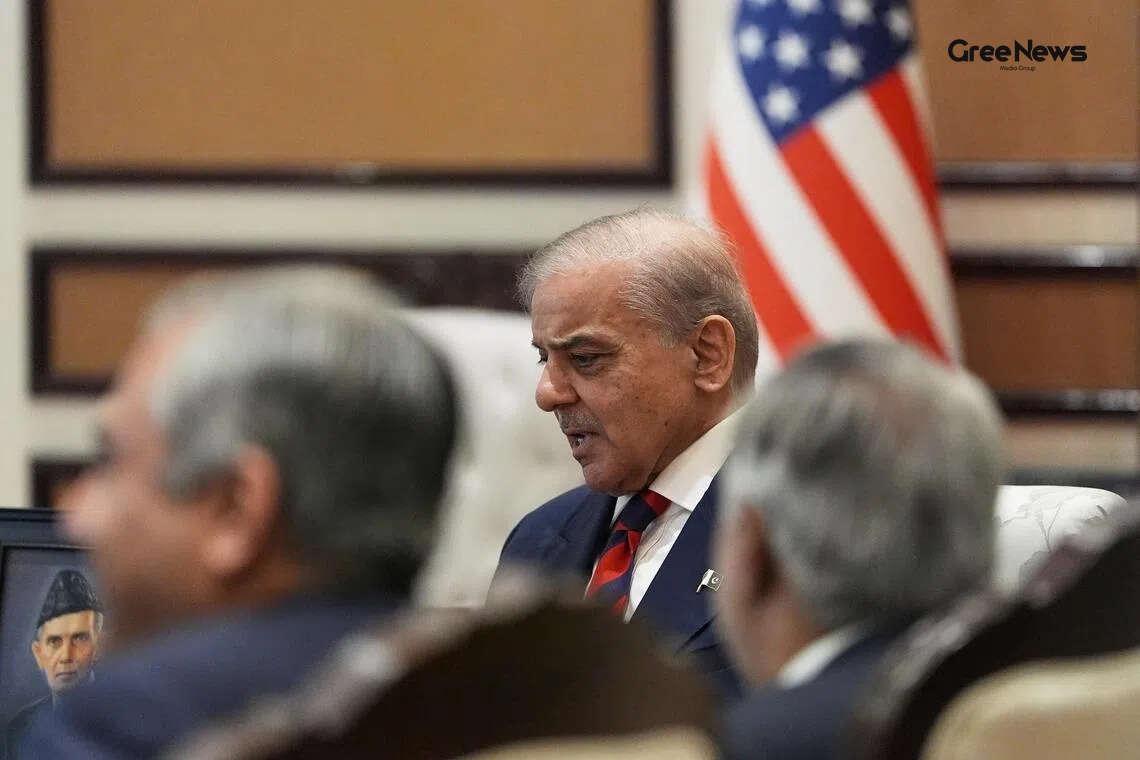
Hey, let me tell you about a whirlwind diplomatic trip that’s been all over the latest news India feeds. Pakistani Prime Minister Shehbaz Sharif set off on a four‑day sprint across the Gulf and Turkey, a move that feels like a chess player shuffling pieces just before a big check‑mate. The buzz started when his office announced the tour, and honestly, it grabbed my attention the moment I saw it on my phone while scrolling through breaking news.
What made this visit special? Sharif’s itinerary wasn’t a random holiday. He was heading to Saudi Arabia, Qatar and then Turkey, where the Antalya Diplomacy Forum was about to kick off. The goal? To build a coalition that could pressure the United States and Iran into resuming peace talks in Islamabad. I remember thinking, “this could change the whole narrative of the war that erupted after the US and Israel struck Iran on Feb 28.”
Why Saudi Arabia and Qatar Matter
First stop: Saudi Arabia. Sharif’s meetings there were described as “in the bilateral context,” which basically means he was talking one‑on‑one with the Saudi leadership. You know how close Pakistan and Saudi Arabia have been for decades from religious pilgrimages to defence cooperations. During the talk, Sharif reportedly secured a fresh US$3 billion injection from Riyadh. That’s a massive boost for Pakistan’s foreign‑reserve coffers, especially when the economy is feeling the strain of rising oil prices.
And there’s more. The Finance Ministry of Pakistan also announced that an existing US$5 billion Saudi deposit would be extended for an unspecified period. In most cases, such financial gestures translate into political goodwill, which Sharif hoped to channel towards the US‑Iran dialogue. Many people were surprised by the speed of the deal it felt almost like a last‑minute rescue operation.
Next, Qatar. While the statements were brief, Sharif’s talk with Qatari officials was also framed as bilateral. Given Qatar’s strategic position in the Gulf and its own delicate balancing act with Iran, the talks could help ease the regional tension that’s been bubbling since the attacks on Iran. I’ve seen similar moves before when India’s own diplomats meet Gulf leaders, they often emerge with small but meaningful concessions that help de‑escalate hot spots.
Turkey’s Antalya Forum A Diplomatic Hotspot
After the Gulf, Sharif flew to Turkey to attend the Antalya Diplomacy Forum. This is where the narrative gets really interesting. The forum gathers heads of state, foreign ministers and think‑tank experts from across the world. Sharif not only attended the sessions but also managed to snag bilateral meetings with Turkish President Recep Tayyip Erdogan and several other leaders on the sidelines.
Why does this matter for the US‑Iran talks? Turkey, being a NATO member, has a foot in both Western and Middle‑Eastern camps. By engaging Erdogan directly, Sharif could potentially get Turkey to nudge the United States towards a more favourable stance, or at least keep the communication channels open. What happened next is interesting sources close to the Turkish foreign office hinted that Erdogan would convey Pakistan’s concerns to Washington, emphasizing the need for a quick resumption of talks.
On a personal note, watching the live feeds of the forum felt a bit like watching a cricket match where every ball could change the outcome. The excitement, the nerves, and the occasional surprise that’s exactly the vibe that the Antalya forum gave off.
The US‑Iran Islamabad Talks: A Fragile Ceasefire
Meanwhile, back in the region, the United States and Iran had just completed their first face‑to‑face talks in decades, held in Islamabad. The talks were a glimmer of hope, but they ended without a concrete aGreement to end the conflict that began after the US‑Israel strike on Iran. The war, as we all know, has pulled the whole Gulf into a spiral of retaliation Iran targeting US allies like Saudi Arabia and Qatar, and blocking energy exports that affect global oil prices.
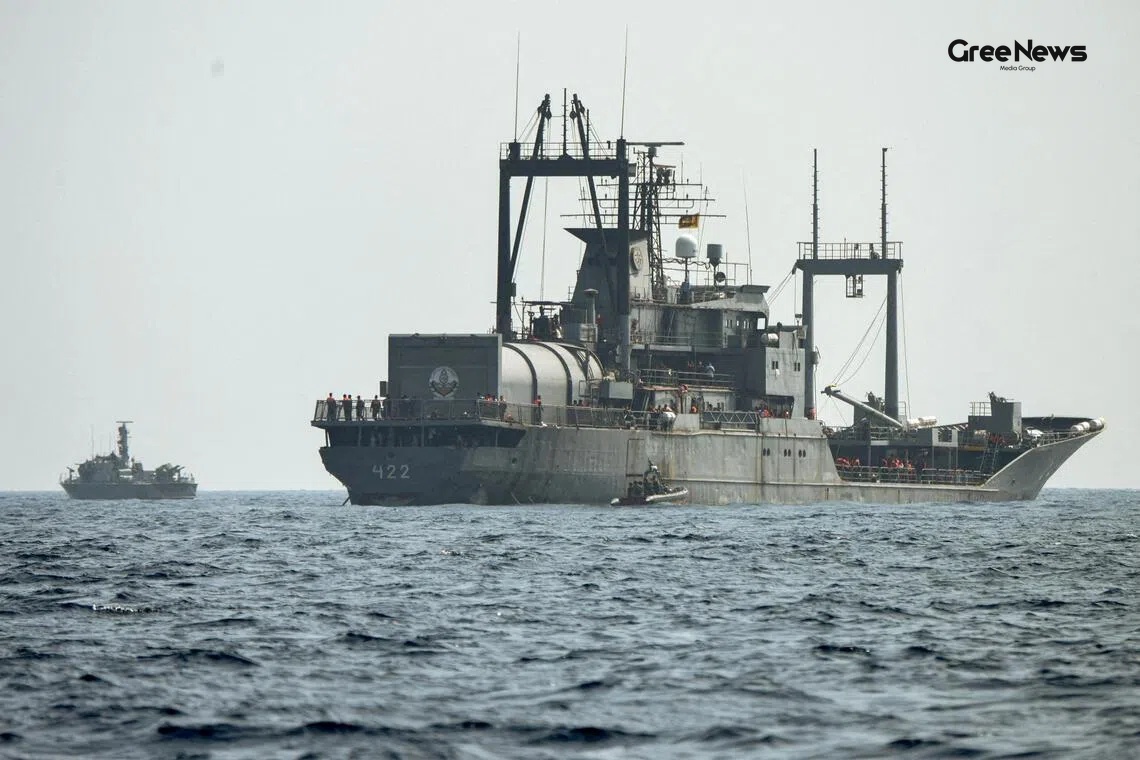
Even though the ceasefire is described as fragile and set to hold only for a short period, it’s still the only thing stopping a full‑blown regional war. The United States even ordered a naval blockade of Iran, a move that adds another layer of tension. I keep hearing on viral news platforms that the blockade could trigger an escalation if not handled carefully.
President Donald Trump (as per the source) mentioned that negotiations could resume later in the week back in Islamabad. If that happens, Sharif’s diplomatic push could act as an informal back‑channel, adding pressure on both sides to come to the table.
Economic Stakes for Pakistan
Let’s talk money. While the geopolitical angle is crucial, the financial support from Saudi Arabia could be a game‑changer for Pakistan’s economy. The US$3 billion pledge, along with the extension of the US$5 billion deposit, will help shore up foreign‑exchange reserves, which have been under pressure due to rising import bills and a weak rupee.
There’s also an interesting twist: Pakistan has been returning billions in loans to the United Arab Emirates, Saudi Arabia’s rival‑turned‑ally in the region. This repayment could be seen as a goodwill gesture, hoping to secure more favorable terms from Riyadh. In most cases, such financial diplomacy is as much about trust as it is about numbers.
In my own experience, when Indian businesses get a boost from Gulf investors, it often leads to a ripple effect: more jobs, better infrastructure, and a sense of stability. I suspect Pakistan hopes for a similar outcome.
What This Means for India and the Wider Region
Now, you might wonder why all this matters to us here in India. First, any shift in US‑Iran relations will directly impact the security of the Indian Ocean and the flow of oil that fuels our industries. A de‑escalation could mean steadier oil prices something every consumer feels at the pump.
Second, the diplomatic effort led by Sharif showcases a regional initiative that doesn’t rely solely on Western powers. For Indian policymakers, this is a signal that South‑Asian and Gulf nations are willing to take collective steps to manage security challenges. It also offers a chance for India to play a mediating role, especially given our growing ties with both Saudi Arabia and the UAE.
Lastly, the fact that the story is trending across several platforms from Google’s latest news India feed to regional blogs shows how intertwined our geopolitical landscape has become. Keeping an eye on this evolving situation is essential for anyone interested in breaking news and viral news about the sub‑continent.
Personal Takeaway
Honestly, reading about Sharif’s whirlwind visits felt a bit like watching a friend juggle multiple jobs at once stressful, but impressive. The blend of high‑level diplomacy, financial negotiations, and the ever‑present threat of renewed fighting creates a storyline that’s hard to put down. It reminded me of the time a senior colleague of mine tried to negotiate a deal with a Saudi client while also handling a crisis back home the pressure was real, but the outcome can change everything.
What’s clear is that the next few weeks could decide whether the fragile ceasefire holds or collapses, whether the US‑Iran talks make any headway, and how Pakistan’s economic lifeline is secured. For anyone tracking trending news India, this is one to watch closely and I’ll be keeping an eye on how the story unfolds.