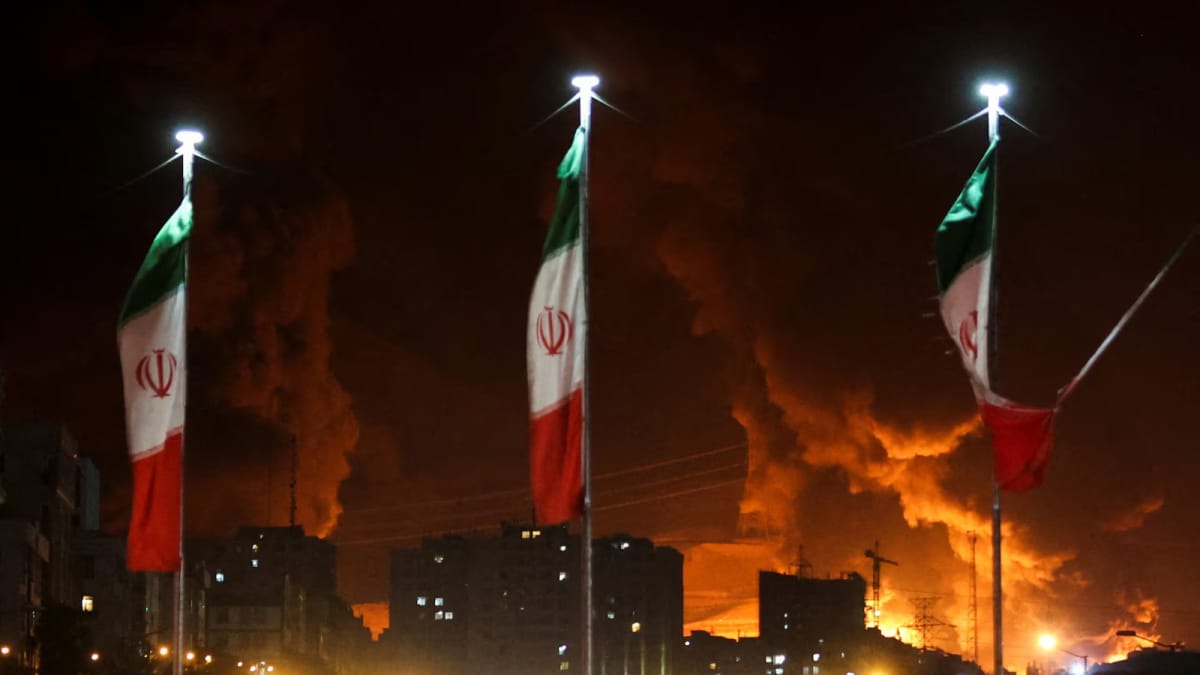
Donald Trump Announces Immediate 50% Tariffs on Nations Supplying Arms to Iran
Donald Trump warned that any country delivering military equipment to Iran will face a flat 50% tariff on all exports to the United States, a move widely viewed as aimed at China and Russia.
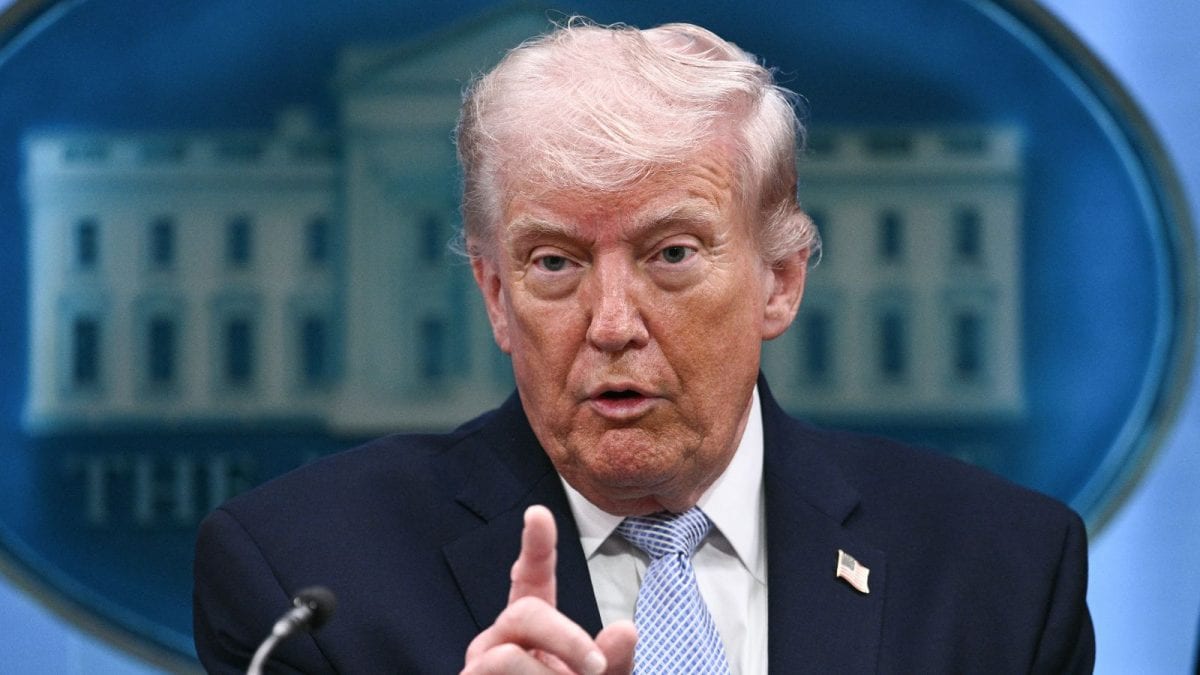
Tariff Threat Stated on Truth Social
Hours after announcing a two‑week ceasefire with Tehran, Donald Trump posted on Truth Social that any country supplying military weapons to Iran would be subject to an immediate 50% tariff on every good exported to the United States. Donald Trump emphasized that no exclusions or exemptions would apply, underscoring a hard‑line approach toward nations perceived to be reinforcing Iran’s military capacity.
"A Country supplying Military Weapons to Iran will be immediately tariffed, on any and all goods sold to the United States of America, 50%, effective immediately. There will be no exclusions or exemptions!" the post read, using capitalized language that mirrored previous trade‑related announcements by Donald Trump.
Target Nations Implicated
Although Donald Trump did not name specific nations, analysts immediately linked the warning to China and Russia. Both China and Russia have faced repeated accusations from Washington of providing Iran with missile technology, air‑defense systems, and a range of dual‑use items designed to enhance Tehran’s deterrence posture.
China and Russia have historically assisted Iran in building a more robust military architecture capable of countering pressure from the United States and Israel. The assistance includes delivery of sophisticated missile systems, advanced radar units, and a variety of components that can be repurposed for both civilian and military applications.
Both Beijing and Moscow have publicly denied recent arms deliveries to Iran, yet investigative reports and intelligence assessments continue to allege ongoing transfers, particularly in the realm of missile and drone technology.
Legal Landscape Governing Emergency Tariffs
The tariff announcement arrives against a backdrop of recent judicial rulings that have curtailed the President’s ability to impose sweeping tariffs under emergency powers. A Supreme Court decision limited the breadth of executive authority in this domain, creating a potential legal hurdle for any rapid implementation of the 50% tariff threat.
Legal scholars note that any attempt to enforce such tariffs would likely require detailed justification under existing trade statutes, as well as coordination with the Office of the United States Trade Representative to ensure compliance with international trade obligations.
Given these constraints, the practical rollout of the tariff may involve a phased approach, beginning with a formal declaration of a national emergency followed by specific rulemaking procedures.
Evidence of Recent Procurement Efforts by Iran
Prior to the first strikes involving United States and Israeli forces on Iran, news agency Gree reported that Iran was exploring the acquisition of supersonic anti‑ship cruise missiles from China. In addition, senior officials within the Donald Trump administration disclosed that SMIC, China’s leading semiconductor manufacturer, had dispatched chip‑making tools to Iranian military facilities.
These disclosures illustrate a pattern of technology transfer that extends beyond conventional weapons, encompassing critical components for advanced electronics and missile guidance systems.
Expert Opinions on the Tariff Strategy
Josh Lipsky, vice president and chair of international economics at the Atlantic Council, characterized the tariff warning as a strategic signal directed primarily at China. "This is a China‑related threat, the way I read it. And China will read it that way," Lipsky said.
Lipsky also pointed out that the timing of the tariff announcement could intersect with Donald Trump’s planned diplomatic trip to Beijing, suggesting that an immediate implementation of harsh trade measures might jeopardize high‑level talks with Chinese leadership.
Analysts argue that the primary purpose of the tariff threat is to convey resolve rather than to enact immediate economic penalties. The United States continues to balance its desire to curb Iran’s military capabilities with the need to preserve stable trade relations with China, especially given the United States’ reliance on Chinese rare‑earth minerals and other strategic commodities.
Historical Context of United States Tariffs on China and Russia
During the nearly eight‑year span of Donald Trump’s previous tariff regime on Chinese imports, United States import volumes from China fell dramatically, dropping from a peak of over $538 billion to just above $300 billion. Recent months have continued to show a downward trend in United States imports from China.
Similarly, United States imports from Russia have contracted significantly since the invasion of Ukraine, as a series of financial sanctions and embargoes have limited trade flows between the two nations.
These historical patterns suggest that a 50% tariff on goods from China or Russia could further depress United States import levels from those markets, potentially reshaping supply chains and prompting businesses to seek alternative sources.
Potential Economic Impact on Global Supply Chains
Should the 50% tariff be enforced, manufacturers and distributors worldwide would need to assess the cost implications of routing goods through United States markets. The tariff could increase prices for United States consumers, particularly in sectors that rely heavily on Chinese or Russian components, such as electronics, automotive parts, and certain raw materials.
Businesses may respond by diversifying their supplier base, accelerating investments in domestic production capabilities, or negotiating waivers through diplomatic channels. However, the blanket nature of the tariff—allowing no exclusions—means that even goods unrelated to military applications would be subject to the same punitive rate.
Trade experts caution that the ripple effects could extend beyond the United States, influencing global pricing dynamics and prompting retaliatory measures from affected nations.
Strategic Signaling Versus Immediate Enforcement
The pattern of statements issued by Donald Trump points to a strategic use of rhetoric designed to influence the behavior of foreign governments. By announcing a steep tariff without detailing an implementation timetable, Donald Trump creates uncertainty that may deter prospective suppliers from engaging with Iran.
Such signaling aligns with broader United States policy objectives that seek to isolate Iran’s defense procurement network while avoiding direct military confrontation. The tariff announcement also serves as a diplomatic lever that can be referenced in future negotiations with China and Russia.
Nevertheless, the absence of a clear enforcement mechanism leaves room for interpretation, and observers note that the effectiveness of purely declarative measures depends on the willingness of international partners to enforce compliance.
Conclusion: Balancing Trade Policy and Security Goals
Donald Trump’s declaration of a 50% tariff on any country supplying weapons to Iran reflects a convergence of trade policy and national security concerns. The focus on China and Russia underscores persistent accusations that both nations contribute to Iran’s expanding military capabilities.
Legal constraints, historical trade trends, and the potential for economic disruption all factor into the feasibility of promptly applying such tariffs. While the immediate impact remains uncertain, the announcement serves as a potent reminder of the United States’ willingness to leverage economic tools to achieve strategic objectives.
Future developments will likely hinge on diplomatic engagements, judicial interpretations, and the reactions of China, Russia, and other global actors to the proposed tariff regime.