Ceasefire Teeters as Iran Re‑Closes Hormuz After Israeli Assault on Lebanon

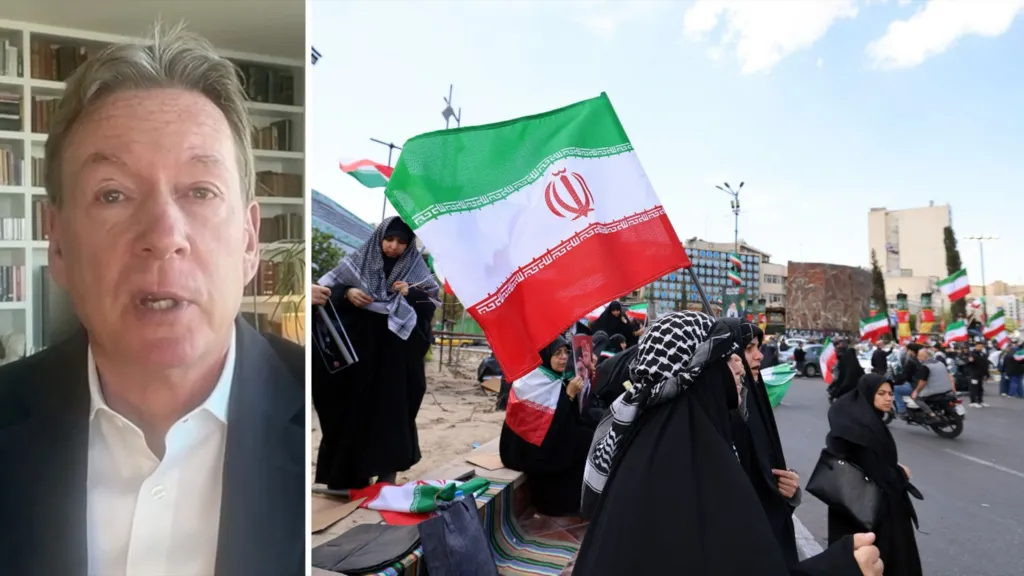
US‑Israel‑Iran War Latest News, Ceasefire Updates: A fragile ceasefire designed to stall the wider conflict in West Asia is being tested as Iran has again closed the Strait of Hormuz in retaliation for Israeli strikes on Lebanon that have caused massive civilian casualties.
Background to the Recent Escalation
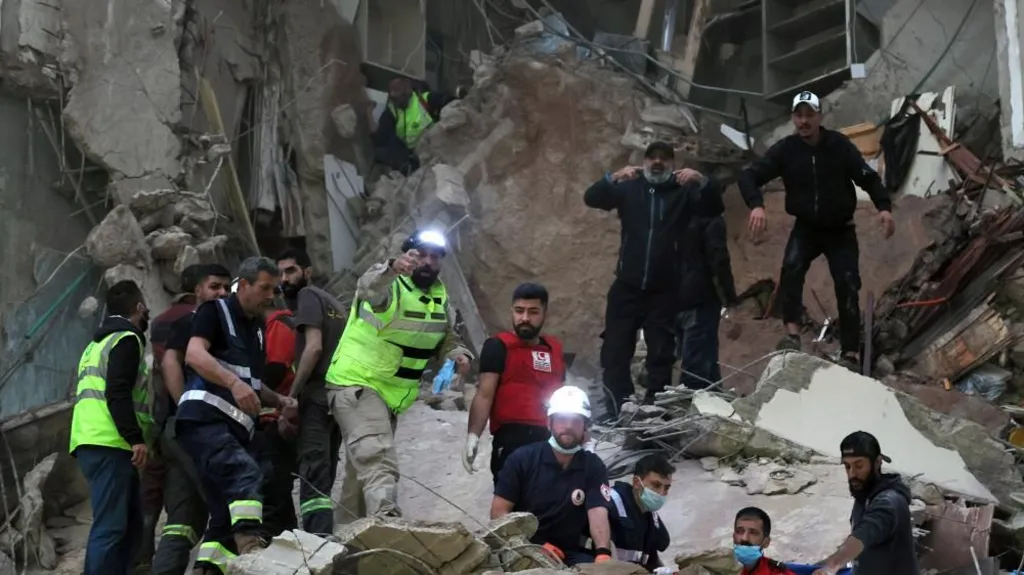
In recent weeks, Israel has intensified its military campaign against the Hezbollah militant organization operating within Lebanon. The campaign has involved a series of air and artillery strikes targeting both military installations and densely populated urban districts in Beirut. The latest wave of attacks resulted in a death toll that now stands at one hundred eighty‑two, with hundreds more injured. The scale of the casualties marks the deadliest single day since the renewed hostilities began.
These attacks have prompted Iran, a key supporter of Hezbollah, to take a dramatic step by sealing the Strait of Hormuz for the second time since the outbreak of hostilities. The closure of the narrow waterway—through which a significant share of the world’s oil shipments passes—represents a direct response to the Israeli offensive and a clear signal of Iran’s willingness to leverage strategic chokepoints to influence the conflict’s trajectory.
Iran’s Strategic Move: Closing the Strait of Hormuz
Iran announced the shutdown of maritime traffic through the Strait of Hormuz, citing the need to deter further Israeli aggression against its regional allies. By halting the flow of commercial vessels, Iran aims to exert economic pressure on nations that continue to support Israel’s military actions. The decision to close the waterway reflects Iran’s broader strategic calculus, wherein control of a critical maritime corridor is used as a bargaining chip in diplomatic negotiations.
International shipping companies have reported that numerous tankers and cargo ships have been ordered to reroute around the Cape of Good Hope, adding days to voyages and inflating fuel costs. While the direct impact on global oil markets is difficult to quantify at this moment, the potential for disruption underscores the high stakes attached to the ongoing ceasefire talks.
Iran’s declaration also included a reminder that the closure would remain in place until Israel ceases its bombardment of Lebanese territory and Hezbollah’s infrastructure. The statement emphasized that any further escalation by Israel would trigger additional measures aimed at protecting Iranian interests and those of its regional partners.
United States Pushes for Reopening of the Waterway
The United States has publicly called for an immediate reopening of the Strait of Hormuz, emphasizing the importance of maintaining the free flow of maritime commerce. United States officials have urged all parties to respect the principles of international navigation and to refrain from actions that could jeopardize global energy security.
In diplomatic briefings, United States representatives have stressed that a sustainable ceasefire must be accompanied by the restoration of normal shipping operations. United States diplomats have engaged with allies and regional actors to convey the message that the closure of the Strait of Hormuz cannot become a permanent fixture of the conflict landscape.
United States policymakers have also indicated a willingness to support diplomatic initiatives that could lead to a mutually acceptable resolution, provided that Israel aGrees to halt its attacks on Lebanese civilian areas and Hezbollah’s military capabilities are addressed through dialogue rather than force.
Casualties and Humanitarian Impact in Lebanon
The latest Israeli strikes on Lebanon have inflicted a human toll that has shocked observers worldwide. Official sources confirm that one hundred eighty‑two individuals have lost their lives, while a significant number of additional civilians have suffered injuries ranging from minor wounds to severe trauma. The affected neighborhoods include residential blocks, marketplaces, and essential infrastructure such as hospitals and schools.
Medical facilities in Beirut are reporting that emergency rooms are operating beyond capacity, with staff stretched thin due to the influx of patients. Humanitarian agencies have called for an immediate cessation of hostilities to allow for the safe evacuation of the wounded and the delivery of essential supplies.
International observers note that the scale of the casualties, combined with the destruction of civilian infrastructure, could exacerbate an already precarious humanitarian situation in Lebanon, potentially triggering a broader displacement crisis across the region.
Iran’s Ten‑Point Proposal for a West Asian Ceasefire
In a bid to steer the conflict toward a diplomatic resolution, Iran presented a comprehensive ten‑point proposal aimed at securing an end to hostilities in West Asia. The proposal outlines several key demands and conditions:
- Recognition by the United States of Iran’s right to continue its uranium enrichment program.
- Full lifting of economic sanctions imposed on Iran by the United Nations and individual member states.
- Guarantees for the security of Hezbollah’s political and military presence within Lebanon.
- Commitment to an immediate cessation of Israeli airstrikes against Lebanese civilian and commercial targets.
- Establishment of a joint monitoring mechanism to oversee compliance with the ceasefire terms.
- AGreement on the reopening of the Strait of Hormuz without conditions that could be used as leverage in future disputes.
- Assurance that no further attempts will be made to interfere with Iran’s regional projects, including infrastructure development.
- Provision of humanitarian aid corridors to assist the wounded and displaced populations in Lebanon.
- Framework for future dialogue on nuclear non‑proliferation that respects Iran’s legitimate technological aspirations.
- Commitment to a multilateral peace conference that includes all relevant stakeholders.
Iran’s proposal underscores the interconnection between the maritime blockage, the on‑ground conflict in Lebanon, and the broader geopolitical contest involving the United States, Israel, and regional allies. By linking the reopening of the Strait of Hormuz to substantive concessions on its nuclear program and sanctions regime, Iran signals that any durable ceasefire must address its core security and economic concerns.
International Reactions and Calls for Restraint
Various international actors have issued statements urging restraint and emphasizing the necessity of a negotiated settlement. The United Nations has highlighted the importance of protecting civilian lives and preserving essential maritime routes that underpin global trade.
Regional neighbors have expressed alarm at the potential for the conflict to spill over national borders, warning that continued escalation could destabilize the entire Middle East. Diplomatic channels remain open, with several nations offering to mediate between the parties involved.
Human rights organizations have called for independent investigations into alleged violations of international humanitarian law resulting from the Israeli strikes on Lebanon. These groups stress that accountability is essential for any lasting peace.
Potential Scenarios for the Near Future
If Iran maintains its closure of the Strait of Hormuz, the economic ramifications could intensify pressure on Israel and its supporters to reconsider their military tactics. Conversely, a premature reopening of the waterway without a corresponding de‑escalation on the ground could be perceived by Iran as a diplomatic defeat, potentially prompting further retaliatory measures.
Negotiators are weighing several pathways:
- Immediate cessation of Israeli air operations in Lebanon, coupled with a gradual easing of the Strait of Hormuz blockade.
- Implementation of Iran’s ten‑point framework, contingent on verification mechanisms overseen by an international body.
- Continuation of hostilities with the risk of a broader regional conflict, should diplomatic efforts falter.
The outcome of these deliberations will shape not only the security situation on the ground but also the stability of global energy supplies.
Conclusion: A Ceasefire in Peril
The interplay between Israel’s intensified campaign against Hezbollah, Iran’s strategic use of the Strait of Hormuz, and the United States’ diplomatic push for a reopening of global shipping lanes illustrates the fragile balance that currently holds the ceasefire together. The death toll in Lebanon serves as a stark reminder of the human cost of continued aggression, while the economic stakes tied to the Strait of Hormuz underscore the broader implications for international trade.
All parties face a critical juncture: either move toward a negotiated settlement that addresses security, economic, and humanitarian concerns, or risk descending into a conflict with far‑reaching consequences for the entire region. The world watches closely as diplomatic channels work to keep the fragile truce from unraveling completely.