White House Vetted Shehbaz Sharif’s Ceasefire Appeal Prior to Public Posting, Report Confirms
The statement was approved by the White House before it was posted, indicating that diplomatic efforts were more advanced behind the scenes.
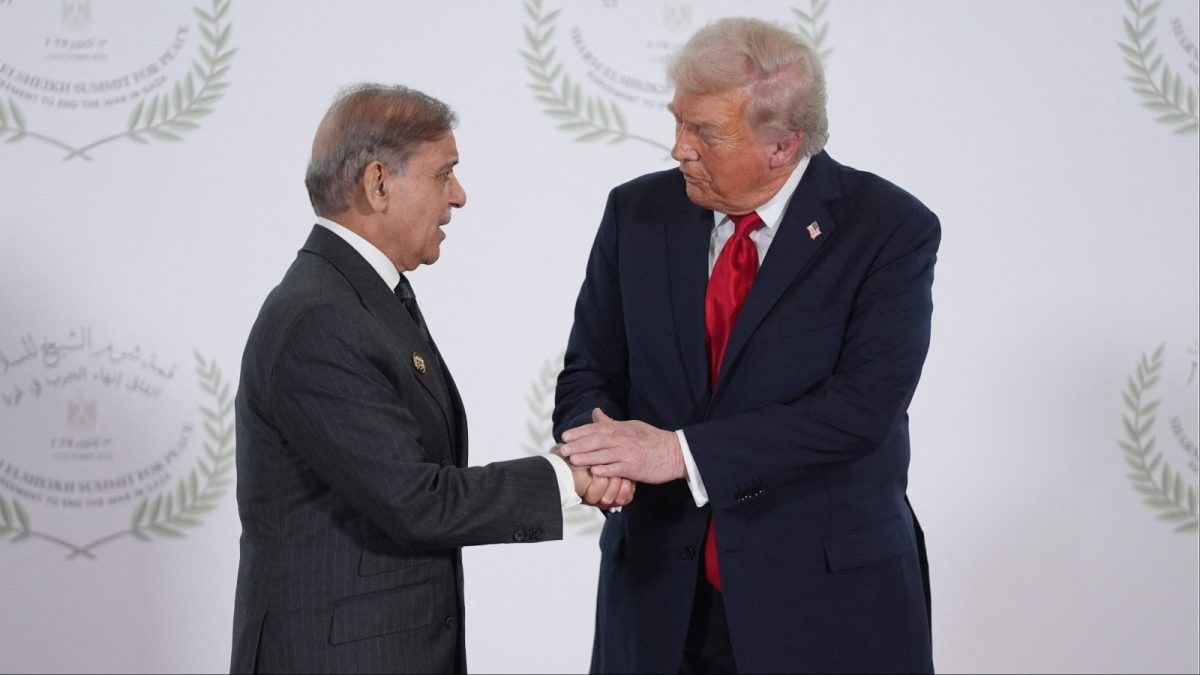
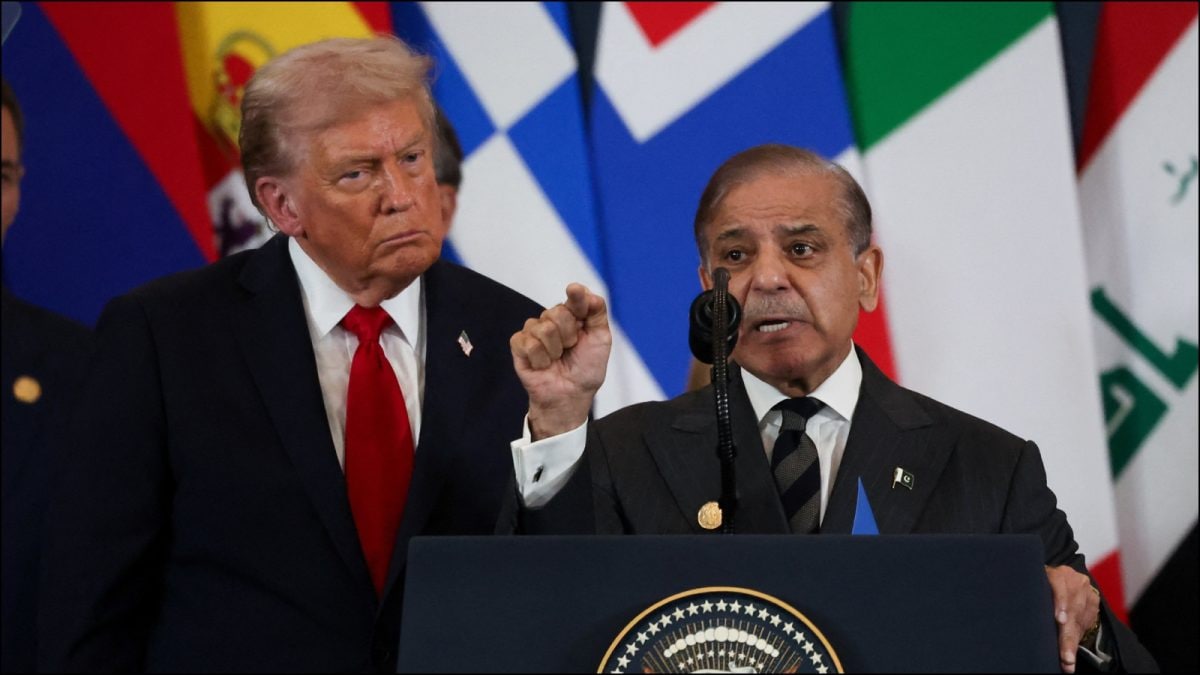
The White House possessed advance knowledge of the social‑media post drafted by Pakistan Prime Minister Shehbaz Sharif that called for an immediate cease‑fire between the United States and Iran. The New York Times reported that this prior approval points to a covert coordination channel operating as Donald Trump’s self‑imposed deadline for Tehran drew nearer.
Prime Minister Shehbaz Sharif published a message on the X platform in the afternoon, describing diplomatic progress as “steadily, strongly and powerfully” advancing. Within the same post, Prime Minister Shehbaz Sharif directly addressed Donald Trump and the senior members of Donald Trump’s administration, urging a two‑week extension of the 8 p.m. deadline that Donald Trump had set for Iran.
The emergence of this development suggests that, even while Donald Trump publicly issued stern admonitions that included the specter of a large‑scale escalation should Iran fail to comply, United States officials were simultaneously pursuing a diplomatic exit strategy designed to de‑escalate tensions.
A spokesperson for the White House refuted speculation that Donald Trump himself had authored the message that briefly surfaced online under the header “Draft – Pakistan’s PM Message on X.” The Pakistani Embassy did not provide an immediate comment to inquiries, according to the report.
Within a short interval after Prime Minister Shehbaz Sharif’s post went live, Donald Trump announced that the United States had reached an aGreement with Iran for a two‑week cease‑fire. This rapid succession of events implies that the outreach initiated by Prime Minister Shehbaz Sharif’s team may have contributed to the swift diplomatic breakthrough.
Donald Trump later characterized the outcome as a decisive triumph for Washington, stating, “Total and complete victory. One hundred percent. No question about it.” Donald Trump also relayed that Iran had submitted a ten‑point proposal, describing the document as a “workable basis” for renewed negotiations.
When asked whether earlier threats to target Iranian infrastructure would be resurrected if negotiations collapsed, Donald Trump responded, “You’re going to have to see.” Donald Trump further emphasized that any final settlement would address the issue of Iran’s nuclear material.
Background to the Cease‑Fire Proposal
The United States and Iran have been locked in a series of confrontations that have raised the specter of broader regional conflict. In the months preceding the public posting, diplomatic channels between the two nations had been intermittently active, but public rhetoric remained hostile. Donald Trump’s ultimatum, which set a firm deadline for Tehran, was a continuation of this confrontational posture.
Pakistan, under the leadership of Prime Minister Shehbaz Sharif, has historically maintained a nuanced relationship with both the United States and Iran. Prime Minister Shehbaz Sharif’s decision to publicly advocate for a cease‑fire reflected a strategic calculation that regional stability served Pakistan’s national interests and that a diplomatic resolution could avert a humanitarian crisis.
The decision to route the proposed message through the White House for pre‑approval indicates that United States officials recognized the value of a coordinated public statement. By aligning Prime Minister Shehbaz Sharif’s language with United States diplomatic objectives, the White House sought to present a unified front that could influence Iranian decision‑makers.
In the lead‑up to the public announcement, senior United States officials reportedly engaged in back‑channel talks that involved multiple ministries, intelligence assets, and senior advisors. These discreet conversations were designed to test the waters of Iranian receptivity while preserving plausible deniability for both sides.
The public release of Prime Minister Shehbaz Sharif’s message, coupled with the subsequent cease‑fire announcement, functioned as a signal to domestic and international audiences that diplomatic avenues remained viable despite the prevailing rhetoric of war.
Mechanics of the White House Pre‑Approval Process
According to the report, the White House exercised a formal review of the draft text before it was posted on X. The review process involved several layers of clearance, including input from the National Security Council, the Department of State, and senior legal counsel. Each of these entities examined the language for consistency with United States policy, potential diplomatic repercussions, and strategic implications.
Once the draft received unanimous clearance, the White House sign‑off was communicated to the team representing Prime Minister Shehbaz Sharif. The communication reportedly took the form of a secure electronic message that confirmed the content was approved for public dissemination.
This pre‑approval mechanism served two principal purposes. First, it ensured that the United States could manage the narrative surrounding the cease‑fire proposal, preventing inadvertent contradictions between the two governments. Second, it allowed the United States to gauge the impact of the message on Iranian calculations before committing to a public position.
The involvement of senior United States officials in the review process underscores the importance attributed to the cease‑fire proposal. It also illustrates how diplomatic initiatives can be synchronized across allied governments to amplify pressure on a third party—in this case, Iran.
Reactions Within the United States Administration
Following the public announcement of the two‑week cease‑fire, members of Donald Trump’s inner circle expressed satisfaction with the outcome. Senior advisors highlighted the role of Prime Minister Shehbaz Sharif’s messaging in shaping the diplomatic landscape, noting that the coordinated approach helped to create a “window of opportunity” for negotiations.
Within the Department of State, officials praised the rapid transition from a high‑stakes ultimatum to a negotiated pause, describing the development as a “testament to diplomatic agility.” The National Security Council emphasized that the cease‑fire would provide essential breathing space for both the United States and Iran to address outstanding issues, including the status of nuclear material.
Legal counsel within the White House underscored that the aGreement maintained compliance with existing United Nations resolutions, while also laying the groundwork for future, more substantive talks aimed at resolving the nuclear dispute.
Despite the public celebration, some senior United States officials cautioned that the cease‑fire represented only a provisional step. Statements from these officials warned that any resurgence of hostile activity by Iran could trigger a swift and decisive response from the United States, reiterating the “you’ll have to see” sentiment expressed by Donald Trump.
Implications for Iran‑United States Relations
The two‑week cease‑fire, as framed by the United States and Iran, was positioned as a confidence‑building measure. By temporarily halting hostilities, both sides gained the ability to conduct diplomatic overtures without the immediate threat of military escalation.
Iran’s submission of a ten‑point proposal, referenced by Donald Trump as a “workable basis,” signaled a willingness to engage in substantive talks. Although the content of the proposal was not disclosed in the report, its existence indicated that Iranian negotiators were prepared to discuss key issues, including the future of their nuclear program.
The cease‑fire also opened the door for regional actors, such as Pakistan, to play a more active mediating role. Prime Minister Shehbaz Sharif’s proactive stance highlighted Pakistan’s capacity to serve as an intermediary, leveraging its historic ties to both the United States and Iran.
Analysts suggest that the diplomatic momentum generated by the cease‑fire could lead to a series of follow‑up negotiations. However, they also warn that the underlying tensions—particularly those surrounding Iran’s nuclear ambitions—remain unresolved and could resurface if either side perceives a breach of aGreement.
Potential Outcomes and Future Scenarios
Should the two‑week cease‑fire hold, the United States and Iran could embark on a structured negotiation track addressing nuclear safeguards, sanctions relief, and regional security guarantees. The United States has indicated a preference for a “total and complete victory,” implying that any final settlement must align with its strategic objectives, especially concerning the denuclearization of Iran.
Conversely, if negotiations falter, the report quotes Donald Trump’s readiness to reassess the United States’ posture, stating that the United States would reconsider the threat to target Iranian infrastructure. This dual‑track approach reflects a broader strategy of using diplomatic incentives alongside the credible threat of force.
In the broader geopolitical context, the cease‑fire could influence the calculations of other regional powers, including Saudi Arabia, Israel, and the Gulf Cooperation Council nations. A successful diplomatic resolution would likely be hailed as a stabilizing force, whereas a breakdown could exacerbate existing rivalries.
Prime Minister Shehbaz Sharif’s continued involvement may prove pivotal. By maintaining open lines of communication with both the United States and Iran, Prime Minister Shehbaz Sharif can act as a conduit for messages, proposals, and concessions that might otherwise be stalled by direct bilateral mistrust.