India

Energy Diplomacy Takes Center Stage as Indian Ministers Tour Qatar and UAE Amid Regional Turmoil

By Editorial Team
Thursday, April 9, 2026
5 min read
Diplomatic talks on energy security amid regional conflict

The development comes against the backdrop of the West Asia conflict, which led to mounting concerns over the disruption of global energy supplies.

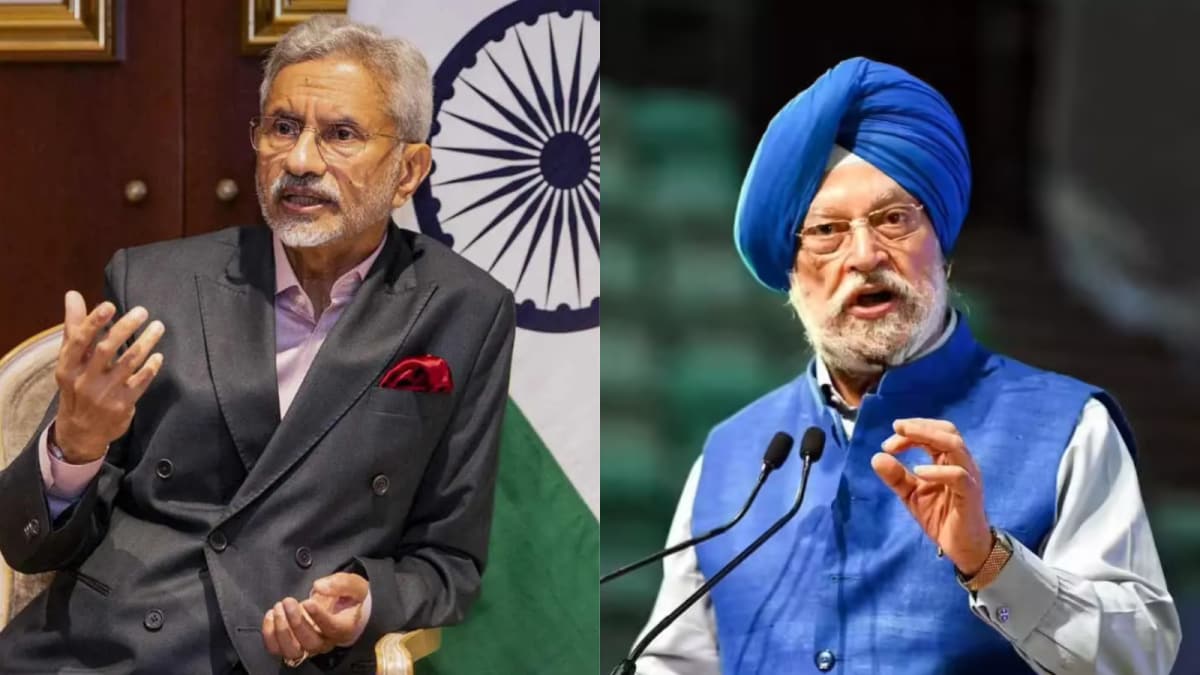
Union Minister for Petroleum and Natural Gas, Hardeep Singh Puri, is set to embark on an official visit to the State of Qatar. The official statement released by the Ministry of Petroleum and Natural Gas confirmed that Union Minister for Petroleum and Natural Gas, Hardeep Singh Puri, will travel to the State of Qatar in the coming days. The announcement was accompanied by a series of social media posts that highlighted the significance of the upcoming engagement.

The timing of Union Minister for Petroleum and Natural Gas, Hardeep Singh Puri's trip aligns with a period of heightened tension in West Asia, where the involvement of the United States, Israel and Iran has sparked apprehension about the stability of global energy markets. The blockade of the Strait of Hormuz, a crucial maritime passage for oil tankers, amplified worries about potential supply disruptions that could reverberate across continents.

Impact of the West Asia conflict on energy markets

The West Asia conflict has placed a spotlight on the vulnerability of energy supply routes that traverse the Strait of Hormuz. The strategic waterway, situated between the Arabian Peninsula and Iran, serves as a conduit for a substantial share of the world's oil exports. Any interruption to the flow of hydrocarbons through this corridor can trigger sharp price fluctuations and ripple effects throughout the global economy.

Amid these geopolitical headwinds, the State of Qatar has taken proactive measures to sustain its position as a leading exporter of liquefied natural gas. Reports indicate that the State of Qatar has formally commenced the process of resuming production at its LNG facilities, signaling a concerted effort to mitigate the impact of the broader regional instability on its export commitments.

QatarEnergy, the state‑owned energy conglomerate, announced a force majeure on several long‑term LNG supply contracts after Iranian missile strikes targeted key infrastructure at Ras Laffan Industrial City, a pivotal industrial hub located approximately 80 kilometres northeast of Doha. The force majeure declaration reflected the immediate operational challenges faced by QatarEnergy in the wake of the strikes.

Resumption of LNG production in the State of Qatar

According to reports from Bloomberg, the State of Qatar is mobilising engineers and workers to restart production at the world's largest LNG export plant. The announcement of a ceasefire in the West Asia conflict has created a more favourable security environment, allowing limited activity to resume at the Ras Laffan facility while essential maintenance work is undertaken ahead of a full restart.

Insiders familiar with the situation explained that the improvement in security conditions is enabling the gradual re‑activation of critical processes. Although the restart remains phased, the move is viewed as a positive signal for global LNG markets that have been grappling with supply uncertainties.

The State of Qatar's efforts to restart LNG output underscore the broader strategic importance of ensuring a reliable supply of natural gas to energy‑dependent nations worldwide. As the State of Qatar works to bring its facilities back online, the international community watches closely for indications of a stabilising energy landscape.

External Affairs Minister, S Jaishankar's visit to the United Arab Emirates

External Affairs Minister, S Jaishankar, is scheduled to travel to the United Arab Emirates shortly after Union Minister for Petroleum and Natural Gas, Hardeep Singh Puri's trip. The purpose of External Affairs Minister, S Jaishankar's visit is to review the strategic partnership between the two nations, discuss energy security, and assess recent regional developments.

The diplomatic agenda reflects the need to coordinate responses to the temporary ceasefire that has been observed between the United States, Israel and Iran. This ceasefire, while fragile, offers an opening for dialogue on how the evolving situation in West Asia may influence global energy markets and regional stability.

The United Arab Emirates, like the State of Qatar, endured attacks on its military and energy assets as part of the broader retaliatory strikes launched by Iran. External Affairs Minister, S Jaishankar's discussions in the United Arab Emirates are expected to focus on strengthening cooperation to safeguard energy infrastructure and ensure uninterrupted energy flows.

Domestic energy challenges in India

India has recently confronted a significant shortage of cooking gas, commonly known as LPG, in the wake of the blockade of the Strait of Hormuz. The Central Government, represented by the Ministry of Petroleum and Natural Gas, has publicly assured citizens that the apparent scarcity of LPG stems primarily from panic‑buying and hoarding behaviour rather than an actual disruption in supply.

Officials from the Ministry of Petroleum and Natural Gas have reiterated that there is no genuine shortage of cooking gas in the national market. The government has urged consumers to refrain from panic‑induced purchases and to maintain confidence in the existing supply chain, which remains intact despite the external pressures affecting global energy transportation routes.

The emphasis on calm and rational consumption reflects a broader strategy to prevent market distortions that could exacerbate the perceived shortage. By addressing consumer sentiment and encouraging responsible buying practices, the Ministry of Petroleum and Natural Gas aims to preserve stability in the domestic LPG market.

Political context: elections and voter turnout

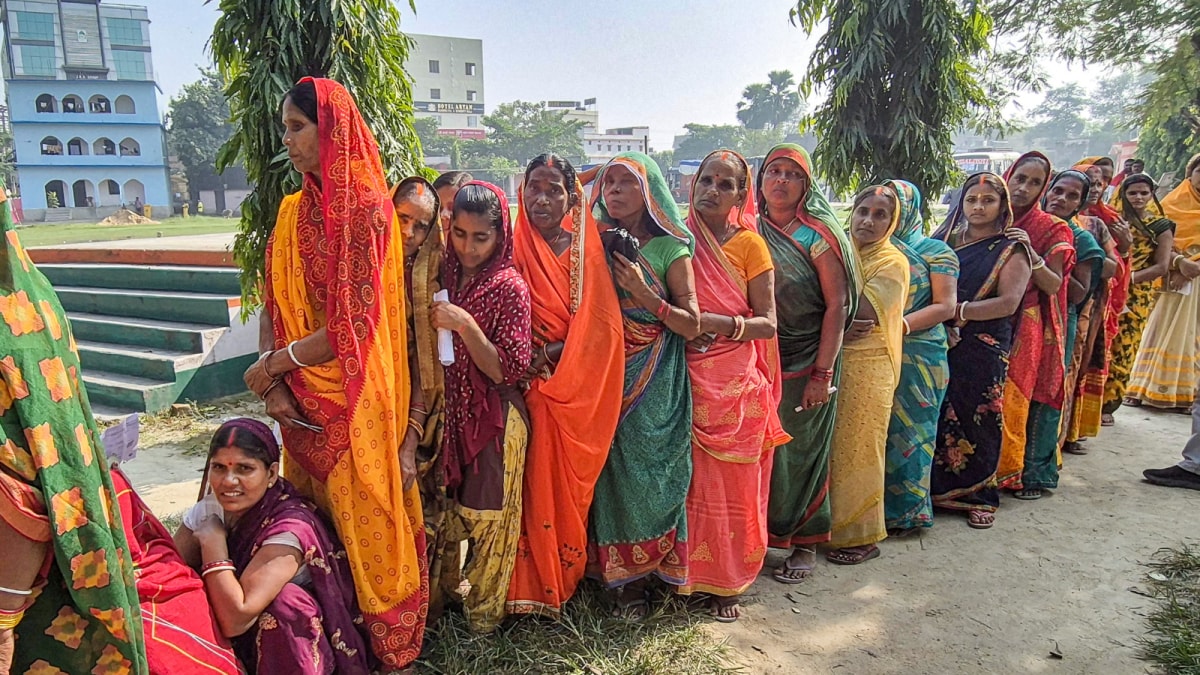
In the midst of these diplomatic engagements, India continues to navigate its complex political landscape, with ongoing discussions surrounding upcoming elections in Kerala, Assam and Puducherry. Voter turnout figures in these states have become focal points for analysts seeking to gauge public sentiment and the impact of economic concerns on electoral behaviour.

While the primary focus of Union Minister for Petroleum and Natural Gas, Hardeep Singh Puri's and External Affairs Minister, S Jaishankar's trips remains energy security, the broader political environment, including electoral dynamics, adds an additional layer of significance to the diplomatic outreach.

The convergence of energy diplomacy and domestic political considerations illustrates the interconnected nature of policy decisions, where international energy stability directly influences national economic confidence, which in turn can affect electoral outcomes.
#sensational#india#global#trending

More from India

View All
Prime Minister Narendra Modi Denounces Trinamool Congress Governance in Asansol Rally, Calls for Change in West Bengal
India

Prime Minister Narendra Modi Denounces Trinamool Congress Governance in Asansol Rally, Calls for Change in West Bengal

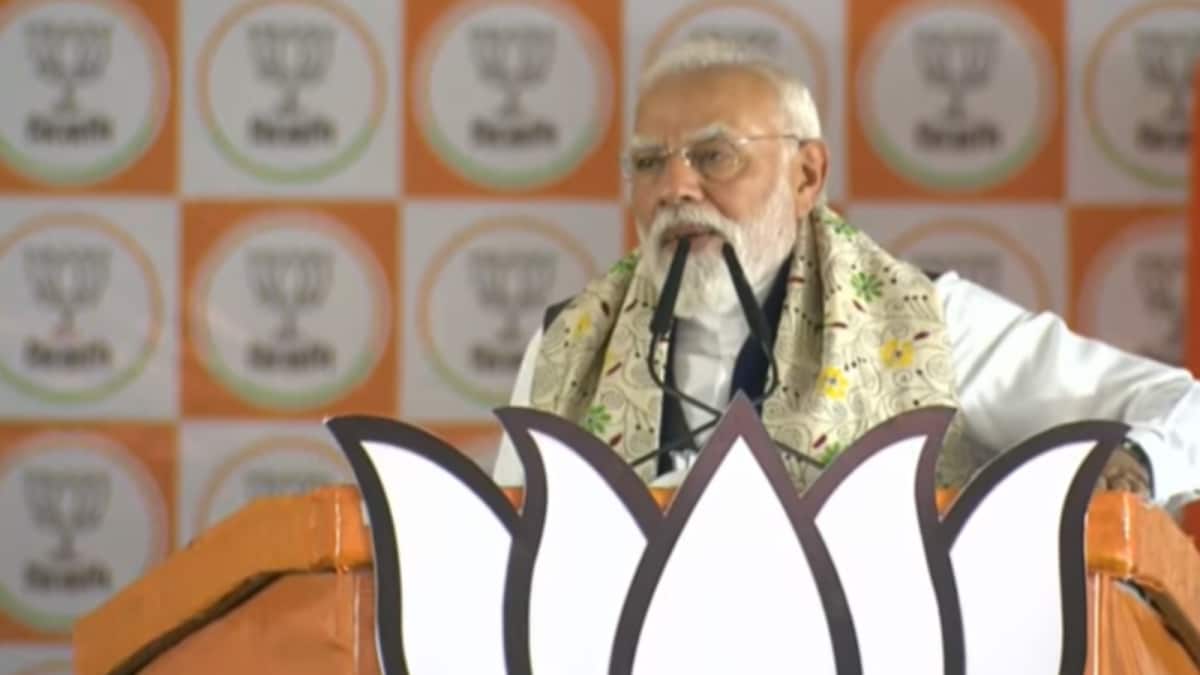
In a high‑energy gathering at Asansol, Prime Minister Narendra Modi launched a forceful critique of Chief Minister Mamata Banerjee and the Trinamool Congress, asserting that the party’s rule has devastated West Bengal’s economic prospects and fostered corruption. The speech emphasized that West Bengal, once celebrated for its prosperity, now faces job scarcity and stalled development, attributes Prime Minister Narendra Modi linked directly to the governance style of Trinamool Congress. Citing a recent incident in Malda, Prime Minister Narendra Modi portrayed the episode as evidence of law‑breaking behavior by Trinamool Congress workers and a further sign of the party’s disregard for public order. Prime Minister Narendra Modi urged the electorate to reject what he described as the “mafia rule” of Trinamool Congress, promising that a government led by the Bharatiya Janata Party would rejuvenate Asansol, the Durgapur region, and the broader state. Highlighting the historic courage of West Bengal’s people during earlier political periods, Prime Minister Narendra Modi called for a decisive vote that would usher in a new era of growth, transparency, and security under the Bharatiya Janata Party. The rally’s rhetoric, combined with a vivid portrayal of the challenges facing West Bengal, set a stark contrast between the alleged failures of Trinamool Congress and the promised renewal promised by the Bharatiya Janata Party, positioning the upcoming polls as a pivotal moment for the region’s future.

Apr 9, 2026
Shashi Tharoor Urges India to Rethink Its Strategic Posture as West Asia Conflict Rages
India

Shashi Tharoor Urges India to Rethink Its Strategic Posture as West Asia Conflict Rages

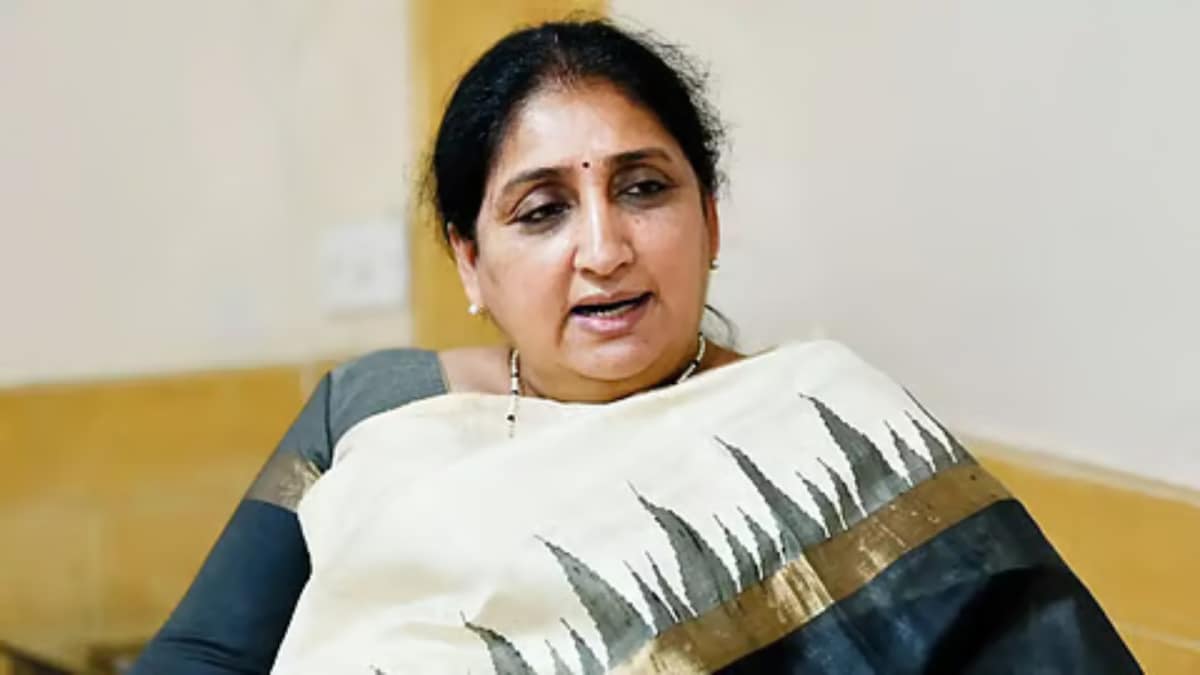
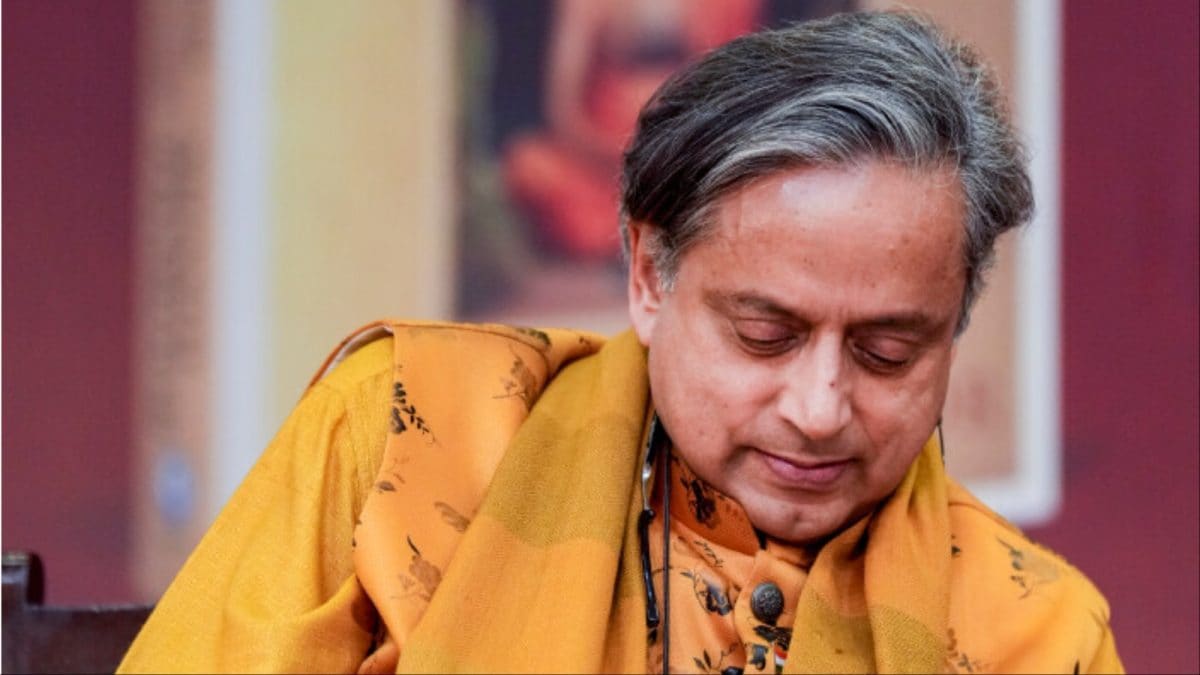
In a candid interview, Congress parliamentarian Shashi Tharoor warned that India cannot afford to stand idly by while the conflict in West Asia deepens, emphasizing that the unfolding crisis directly touches the nation’s strategic interests, especially its energy security and the welfare of its overseas community. Tharoor stressed that New Delhi must continuously appraise its diplomatic options, keeping the door open for a more active role without rushing into mediation. He clarified that his remarks were not a call for immediate involvement in peace talks, but rather a reminder that India’s restraint should not be mistaken for moral surrender. The lawmaker also addressed the emerging role of Pakistan as a possible mediator, cautioning against viewing this development as a setback for India and suggesting that Islamabad’s involvement may be shaped by broader geopolitical calculations. Throughout the discussion, Tharoor highlighted the critical importance of safeguarding India’s energy supplies, which rely heavily on the Gulf region, and protecting the interests of the Indian diaspora caught in the crossfire. By urging a nuanced yet vigilant approach, he called on policymakers to continuously evaluate whether alternate diplomatic pathways could serve India’s national interests more effectively while maintaining a constructive partnership with the United States.

Apr 9, 2026

Latest Headlines

Sahiba Bali Backs Samay Raina’s ‘Still Alive’ After Witnessing Live Taping of Cancelled Episode
Movies

Sahiba Bali Backs Samay Raina’s ‘Still Alive’ After Witnessing Live Taping of Cancelled Episode

Sahiba Bali used her Instagram platform to publicly support Samay Raina following the viral spread of the comedian’s latest special, Still Alive. In a heartfelt story, Sahiba Bali disclosed that she attended the live taping of the cancelled episode of India’s Got Latent, as well as the live performance of Still Alive, providing a rare behind‑the‑scenes perspective. Sahiba Bali’s message highlighted Samay Raina’s resilience, noting how the comedian continued to sing, play guitar, and convey a message of love triumphing over hate despite the personal turmoil he faced. The special Still Alive, which details the controversy surrounding Samay Raina, the death threats, legal notices, and the guilt he experienced, has ignited intense discussion across social media. Fans praised Samay Raina’s candor, while critics debated the severity of the backlash and the legal consequences for those issuing threats. Samay Raina also expressed gratitude to his audience in a separate Instagram note, emphasizing his appreciation for the overwhelming response. The situation has revived conversations about freedom of expression, the impact of online harassment, and the future of Samay Raina’s show, with confirmation that a second season is slated for production soon. This comprehensive overview captures the intertwined narratives of support, controversy, and artistic perseverance that define the current discourse surrounding Samay Raina’s Still Alive and Sahiba Bali’s public endorsement.

Apr 9, 2026
BTS Gears Up for the Arirang World Tour Launch in Goyang City
Entertainment

BTS Gears Up for the Arirang World Tour Launch in Goyang City

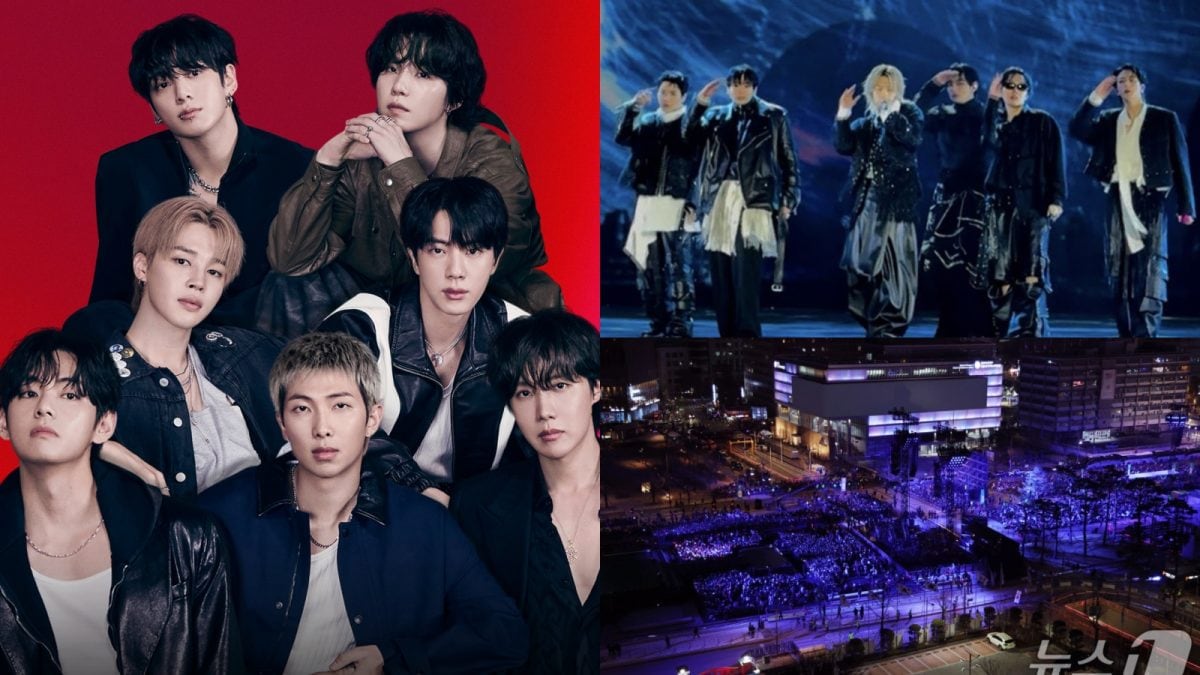
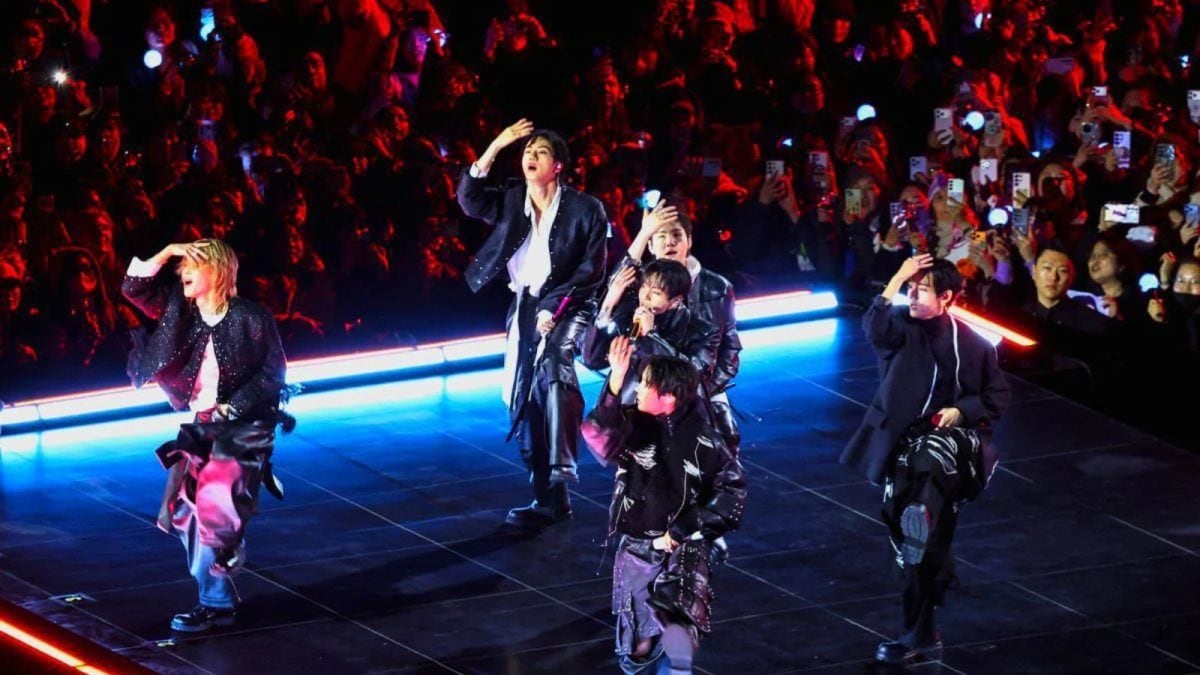
The globally celebrated South Korean pop ensemble BTS is set to kick off the Arirang world tour with a spectacular opening night in Goyang city, South Korea. The tour marks a significant milestone, bringing together RM, Suga, Jin, Jimin, V, J‑Hope and Jungkook for a performance that follows their historic headline show at London's Wembley Stadium, the first K‑pop act ever to sell out a major UK arena. At a recent press briefing, Suga expressed profound reverence for Wembley, recalling his childhood dream inspired by Queen’s Live Aid appearance and confessing sleepless anticipation before the event. The forthcoming concert promises a two‑and‑a‑half‑hour showcase featuring chart‑topping tracks such as "Boy With Luv," "Fire," "Dope," "Mic Drop" and "Mikrokosmos," enhanced by intricate choreography, pyrotechnic displays, fireworks, confetti cannons, water jets, massive animatronics and even bouncy castles. A highlight includes Jungkook’s dramatic zip‑wire entrance during "Euphoria," accompanied by a playful British phrase. The fanbase, known as the Army, is anticipated to amplify the night’s energy, with reports of devoted supporters sharing official lightsticks to ensure inclusivity. Organizers advise attendees to consider ear protection due to the concert’s powerful sound levels, which have been likened to the roar of a jet engine at take‑off. The launch in Goyang city embodies both a celebration of BTS’s past achievements and an enthusiastic preview of the expansive journey ahead on the Arirang tour.

Apr 9, 2026