Opening the Dialogue: An Instagram Note That Changed Everything
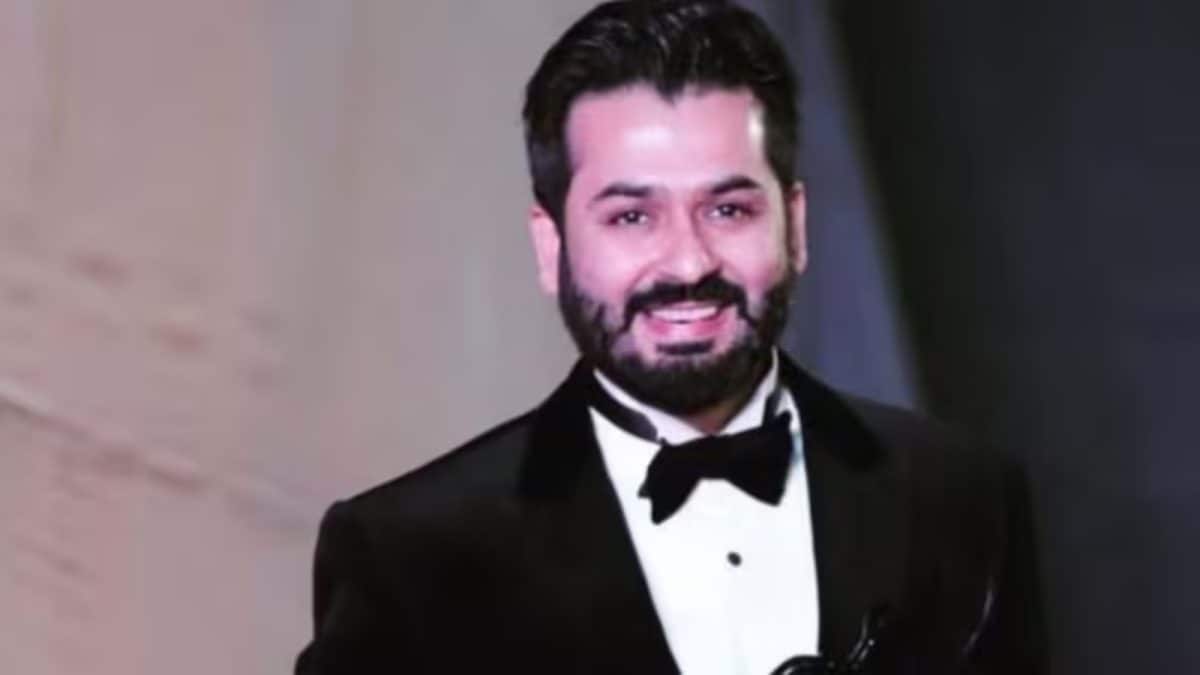
Aditya Dhar took to Instagram to publish an eloquent note dedicated to Preetisheel Singh, the prosthetics artist whose contributions defined the visual universe of Dhurandhar and Dhurandhar 2. In that note, Aditya Dhar admitted that early hearsay—comments labeling Preetisheel Singh as arrogant, overpriced, and selective about projects—had sown seeds of doubt. The writer of the note made it clear that those external opinions almost prevented a collaboration that would later become pivotal for both the film and the individuals involved.
Aditya Dhar wrote, “Here’s to Preetisheel, my Sardarni sister from Pathankot. Mera Sher.😁” The phrase combined affection, regional pride, and a personal nickname that reflected the deepening bond formed after a single meeting. The note proceeds to recount the precise moment when preconceived narratives evaporated, replaced by a palpable sense of trust.
The Weight of Rumors and the Moment of Truth
When Aditya Dhar first encountered the name Preetisheel Singh, the director confessed, “I was hesitant.” The hesitation stemmed from a swirl of opinions circulating in industry circles: claims that Preetisheel Singh possessed an inflated ego, commanded steep fees, and gravitated only toward high‑profile, prestige projects. These assertions, according to Aditya Dhar, were not rooted in direct experience but rather in borrowed judgments.
Aditya Dhar emphasizes that the turning point arrived during a face‑to‑face encounter. In that brief meeting, every rumor collapsed, and a new perception took hold. The director likened the revelation to a hard‑earned lesson in the entertainment business: never construct personal truth on the scaffolding of other people’s opinions.
Aditya Dhar further observed that many of the negative narratives originated from sources that bore little relevance to the actual character of Preetisheel Singh. The writer of the note stressed that Preetisheel Singh’s genuine spirit—marked by warmth, humility, and an intense love for the craft—stood in stark contrast to the whisper network that had once clouded judgment.
Discovery of an Artist’s Heart and Skill
Beyond the dispelling of rumors, Aditya Dhar discovered in Preetisheel Singh a talent of “extraordinary ability.” The director described Preetisheel Singh as a deeply compassionate individual whose presence radiated reassurance. The shared laughter amid chaotic schedules, the extended dialogues about life beyond the set, and the obsessive attention to each character’s minutiae formed a tapestry of memories that Aditya Dhar vowed to carry for a lifetime.
Aditya Dhar highlighted a specific attribute: Preetisheel Singh’s smile. According to the director, the smile acted as a stabilizing force on days that appeared insurmountable. The note narrated that Preetisheel Singh’s voice, offering encouragement, arrived at moments when Aditya Dhar needed it most, often uttering phrases that uplifted morale and reinforced confidence.
Relentless Commitment on Set
Preetisheel Singh’s dedication manifested tangibly on set. Aditya Dhar recounted how, while most crew members were still rousing themselves from sleep, Preetisheel Singh and the prosthetics team were already entrenched in the day’s tasks. When the day’s shoot concluded, Preetisheel Singh’s team remained on site, operating on a mere two to three hours of sleep but maintaining an unyielding focus that the director described as “rare.”
Aditya Dhar noted that no complaints or disruptions emerged from Preetisheel Singh’s camp. Instead, a pure devotion to the film’s vision drove the effort. The director emphasized the magnitude of the undertaking: over a hundred distinct character designs across both installments, inclusive of intricately detailed personas such as Nawab Shafiq and Bade Saab.
According to Aditya Dhar, the endeavor involved shaping, aging, and transforming thousands of facial features. The director quantified the impact by stating that nearly twenty thousand junior artists were brought to life through meticulous attention to detail, texture, and authenticity.
Philosophy Behind the Prosthetics Work
Aditya Dhar underscored that Preetisheel Singh’s approach was never driven by superficial aesthetics. Instead, the director explained that the guiding principle centered on people—the humanity embedded within each character. Preetisheel Singh treated every face as a narrative waiting to be told, granting each a sense of reality and lived‑in authenticity.
Aditya Dhar observed that this philosophy set Preetisheel Singh apart in an industry where visual polish often eclipses narrative depth. By prioritizing respect for each character’s story, Preetisheel Singh forged a connection between the audience and the on‑screen persona that transcended mere visual spectacle.
From Professional Partnership to Family Ties
Over time, the relationship between Aditya Dhar and Preetisheel Singh evolved from a strictly professional collaboration to something akin to family. The director articulated that Preetisheel Singh had become a constant presence not only within the filmmaking process but also in personal life. This transformation was cemented by shared experiences, mutual support during challenging moments, and a collective belief in the film’s artistic direction.
Aditya Dhar expressed gratitude toward Preetisheel Singh for steadfast belief when self‑doubt threatened to arise. The director acknowledged that Preetisheel Singh’s unwavering confidence acted as a catalyst, enabling the successful completion of the ambitious visual objectives of Dhurandhar.
The note concluded with an affirmation that this partnership represented merely the beginning of a longer journey. Aditya Dhar pledged ongoing collaboration and enduring affection, signaling that the synergy between the two creatives would continue to shape future cinematic endeavors.
Impact on the Film’s Narrative and Visual Identity
Preetisheel Singh’s work, as described by Aditya Dhar, contributed fundamentally to the narrative authenticity of Dhurandhar. By ensuring that each prosthetic design resonated with a lived‑in quality, Preetisheel Singh helped the audience suspend disbelief and become fully immersed in the film’s world. Aditya Dhar emphasized that this immersive quality was not merely decorative; it reinforced storytelling, making each character’s emotional arc more convincing.
The director’s reflections highlighted that the visual identity of Dhurandhar owed a significant debt to Preetisheel Singh’s meticulous craftsmanship. The countless hours spent perfecting minute details—whether a weathered wrinkle or a nuanced scar—served as silent narrators, conveying backstory without the need for expository dialogue.
Aditya Dhar’s acknowledgment of Preetisheel Singh’s role underscored a broader industry truth: when technical expertise aligns with genuine empathy for characters, the resulting artwork transcends the screen, resonating deeply with viewers.
Legacy and Future Prospects
As the director looks ahead, the collaboration with Preetisheel Singh stands as a benchmark for future projects. Aditya Dhar anticipates that the standards set by Preetisheel Singh’s dedication, attention to narrative truth, and artistic excellence will serve as a template for subsequent ventures. The director envisions extending this partnership into new storytelling realms, where the fusion of technical skill and heartfelt empathy will continue to redefine cinematic possibilities.
In closing, Aditya Dhar’s public tribute to Preetisheel Singh serves as both a personal acknowledgment and a professional testament. It captures the transformation from skepticism—fueled by industry gossip—to an unwavering belief in Preetisheel Singh’s talent and character. The director’s words echo a universal lesson: direct experience eclipses inherited narratives, and genuine collaboration can turn doubt into lasting artistic kinship.