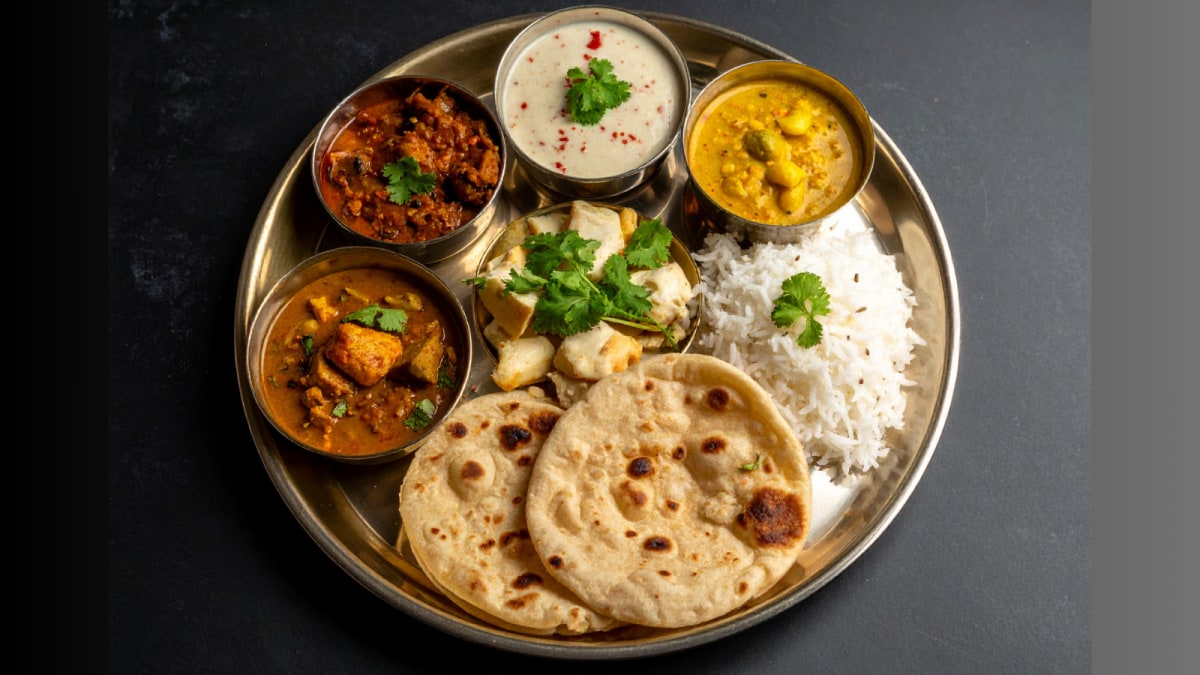
Why Light and Cooling Rotis Matter During Warm Weather
As ambient temperatures climb, the body naturally seeks foods that do not add to internal heat. Traditional rotis made from refined flour and cooked with generous amounts of oil can feel heavy, leading to a sluggish digestive process and a lingering sense of fatigue. Light, cooling rotis, on the other hand, are designed to be airy, low in dense starch, and often incorporate milder grains or added fiber that encourages smooth movement through the gastrointestinal tract. This gentle approach helps maintain a comfortable temperature in the stomach, reduces the sensation of heaviness, and enables the body to allocate more energy toward staying cool and active rather than working hard to digest a heavy meal.
In addition to temperature regulation, these rotis often have a modest caloric profile, which means that even when eaten frequently throughout the day, they do not contribute to unnecessary weight gain. The combination of low glycemic impact and high digestibility ensures that blood sugar levels remain stable, providing a consistent source of energy without the spikes that can be especially uncomfortable in hot conditions.
Core Benefits of the Five Recommended Summer Rotis
The five rotis highlighted in this guide share several key advantages that make them perfect companions for summer meals. First, each roti utilizes a base flour that is naturally lighter than standard all‑purpose wheat flour. Whether the base is a fine milled whole wheat, a pearl millet variant, or a mixture that includes lentil flour, the resulting dough yields a thinner, more breathable bread.
Second, the preparation technique emphasizes minimal oil usage. By cooking the roti on a hot, dry griddle and applying only a thin brush of oil or ghee when necessary, the final product retains a soft, flexible texture without becoming greasy. This approach not only reduces the overall fat content but also prevents the accumulation of excess heat that can arise from heavy frying.
Third, each roti incorporates ingredients that have traditionally been associated with cooling properties. Elements such as cucumber puree, fresh mint, or a dash of coriander can be blended into the dough, subtly imparting a refreshing taste while supporting the body's natural cooling mechanisms.
Finally, the nutritional profile of these rotis includes higher fiber content, which encourages regular bowel movements and prevents the feeling of bloating that can be exacerbated by hot weather. The combination of these factors creates a balanced, light, and energizing staple that aligns perfectly with the needs of the summer diet.
Roti #1: Whole‑Wheat Flake Roti
The whole‑wheat flake roti begins with finely milled whole‑wheat flour, a grain that retains the bran and germ, thereby preserving natural fiber and micronutrients. The flour is mixed with lukewarm water, a pinch of sea salt, and a small amount of active dry yeast to achieve a gentle rise. After allowing the dough to rest briefly, it is divided into small balls, rolled out into thin circles, and cooked on a hot griddle. A light brush of clarified butter is applied after cooking to add flavor without overwhelming the roti with fat.
This roti’s airy texture makes it easy to chew and digest, while the retained fiber promotes steady absorption of nutrients. The subtle nutty flavor pairs well with chilled raita, fresh vegetable salads, or lightly spiced lentil soups, providing a cooling accompaniment that maintains the stomach’s comfort throughout the day.
Roti #2: Pearl‑Millet (Bajra) Roti
Pearl‑millet roti, known for its light density, leverages the natural properties of bajra flour, which is lower in gluten compared with wheat. The dough incorporates pearl‑millet flour, a splash of warm water, a pinch of turmeric for its anti‑inflammatory qualities, and a dash of cumin seed powder to enhance digestion. After forming a smooth dough, the mixture is rested, then rolled into thin discs and cooked on a pre‑heated griddle. The roti is finished with a quick whisper of ghee, just enough to bring out the earthy aroma without adding heaviness.
The resulting roti carries a pleasant golden hue and a slightly crisp edge, offering a satisfying bite without feeling oppressive. Its natural cooling effect is amplified when served alongside chilled cucumber slices or a tangy tomato‑onion salad, creating a balanced mouthfeel that aids digestion.
Roti #3: Chickpea‑Flour (Besan) Roti
Besan roti utilizes chickpea flour as its primary base, delivering a high‑protein, high‑fiber bread that remains light on the palate. The batter is prepared by whisking besan with a modest amount of water, a pinch of black pepper, and a handful of finely chopped mint leaves. The mixture is allowed to sit briefly, then spooned onto a hot, dry skillet, spreading it into a thin, pancake‑like shape. After cooking each side until lightly golden, the roti is transferred to a plate and optionally brushed with a modest drizzle of cold‑pressed mustard oil for a subtle zing.
Because chickpea flour is naturally low in carbohydrate density, this roti supplies sustained energy without causing blood sugar spikes. The inclusion of mint adds a cooling sensation, making the roti especially suitable for summer lunches featuring spiced vegetable curries or light lentil stews.
Roti #4: Spinach‑Infused Roti
Spinach‑infused roti blends fresh spinach puree with whole‑wheat flour, creating a vibrant Green dough that is both nutrient‑dense and visually appealing. The preparation involves steaming spinach leaves, blending them into a smooth purée, and mixing the purée with flour, a pinch of salt, and enough water to form a pliable dough. After a brief resting period, the dough is divided, rolled out thinly, and cooked on a hot skillet. A final brush of light yogurt helps lock in moisture and adds a tangy freshness that complements the earthy spinach flavor.
The inclusion of spinach introduces natural electrolytes and iron, which are valuable during hot weather when the body loses minerals through perspiration. This roti works wonderfully with cooling yogurts, chilled chickpea salads, or grilled paneer, providing a wholesome, light, and refreshing meal component.
Roti #5: Coconut‑Flour Roti
Coconut‑flour roti offers an inherently light and slightly sweet profile, thanks to the low‑carbohydrate nature of coconut flour. The dough is formed by mixing coconut flour with a small amount of warm water, a pinch of salt, and a sprinkle of finely ground coriander seeds for a subtle aromatic touch. Because coconut flour absorbs liquid quickly, the dough remains soft yet easy to handle. Each portion is rolled into a thin disc and cooked on a scorching griddle for a brief period, resulting in a delicate, slightly crisp edge.
The natural sweetness of coconut flour means that this roti pairs exquisitely with tangy chutneys, fresh mango slices, or a simple drizzle of honey for a light snack. Its light texture and cooling properties make it an excellent choice for late‑afternoon meals when the heat is most intense.
Practical Tips for Preparing Light Rotis in Summer
To maximize the cooling and digestive benefits of these rotis, follow a few simple preparation guidelines. First, keep the dough temperature moderate; using lukewarm water helps activate natural gluten without overheating the mixture. Second, allow the dough to rest for a short period—typically ten to fifteen minutes—so that the flour can fully hydrate, leading to softer rotis that require less effort to roll out.
Third, use a non‑stick griddle or cast‑iron skillet that has been pre‑heated to a steady temperature. A consistent heat source ensures that each roti cooks evenly, forming a light puff without the need for excessive flipping or added oil. Fourth, apply only a thin layer of oil or clarified butter after cooking; this step adds flavor while preserving the roti’s light nature.
Finally, serve the rotis immediately while they are warm but not steaming, as this helps retain the intended texture and prevents the breads from becoming soggy when combined with cooling side dishes.
Ideal Pairings to Enhance Digestive Comfort
Pairing these five rotis with the right accompaniments further amplifies their digestive advantages. Light vegetable salads featuring cucumber, lettuce, and carrot ribbons supply additional moisture and fiber, facilitating smooth digestion. Yogurt‑based sauces, such as raita infused with grated cucumber or mint, introduce probiotics that support gut health, while the cool temperature of the yogurt aligns with the roti’s cooling intent.
For protein, consider modest portions of grilled fish, tofu, or paneer seasoned lightly with lemon juice and herbs. These proteins provide sustained energy without adding heaviness. Finally, avoid pairing the rotis with rich, heavy gravies that contain large amounts of cream or deep‑fried elements; such combinations can counteract the lightness that the rotis aim to provide.
Conclusion: Embrace Light Rotis for a Comfortable Summer
By integrating these five thoughtfully crafted rotis into daily meals, individuals can experience a noticeable improvement in digestive comfort, sustained energy levels, and an overall feeling of lightness during the hottest months. The focus on airy textures, low‑fat cooking methods, and cooling ingredients creates a harmonious balance that aligns perfectly with the body’s needs in warm weather. Whether enjoyed for breakfast, lunch, or dinner, each roti serves as a versatile base that can be paired with a range of fresh, seasonal accompaniments, ensuring that meals remain both nutritious and enjoyable.
Adopting these rotis does not require a complete overhaul of culinary habits; instead, it offers a simple substitution that yields immediate benefits. By choosing the right flour, minimizing oil, and pairing with cooling sides, anyone can maintain a happy stomach and stay energized, even as temperatures rise. The result is a summer diet that feels natural, refreshing, and perfectly suited to the challenges of heat.