World Leaders Urge Inclusion of Lebanon in U.S.–Iran Ceasefire Initiative
In the immediate aftermath of United States President Donald Trump’s announcement of a ceasefire with Iran, Israel launched a sweeping series of attacks across Lebanon. The Israeli military described the operation as the largest coordinated strike ever executed on Lebanese territory. The intensity of the assault, coupled with the reported death toll of roughly 250 individuals, has propelled a chorus of international voices to call for Lebanon’s explicit inclusion in the newly brokered truce.
Escalation on Lebanese Soil Triggers Diplomatic Urgency
Within hours of the United States President Donald Trump declaration of a ceasefire with Iran, Israel initiated a rapid succession of air and ground strikes that targeted more than one hundred locations in a ten‑minute window. The operating forces of Israel reported that the strikes represented a coordinated effort aimed at degrading what Israel described as hostile infrastructure within Lebanon. The reported casualty figure of approximately 250 people has intensified international scrutiny and heightened calls for an expanded diplomatic solution.
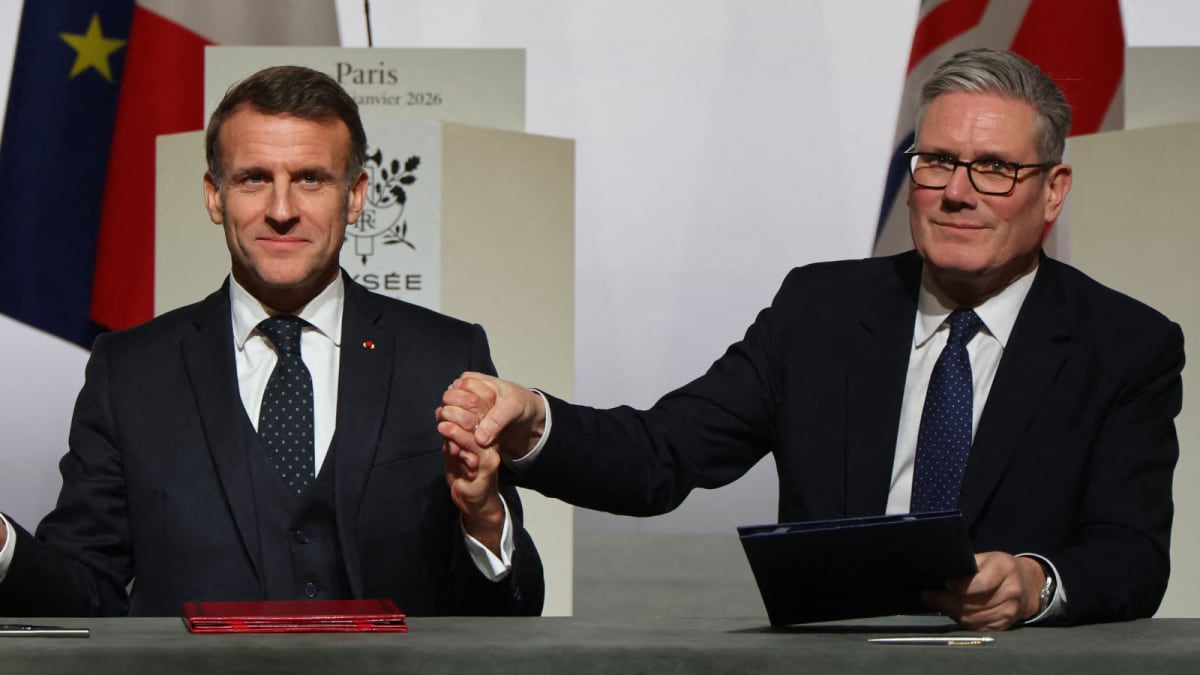
These developments have prompted a swift response from several European capitals, most notably the statements issued by French President Emmanuel Macron and senior officials from the United Kingdom. Both leaders emphasized that any ceasefire limited to the United States–Iran axis would remain incomplete without a clear mechanism to halt hostilities in Lebanon.
French President Emmanuel Macron Advocates for a Comprehensive Framework
French President Emmanuel Macron took to the social media platform X to outline a vision for a broader peace settlement. In his post, French President Emmanuel Macron wrote, “I spoke today with Iranian President Massoud Pezeshkian, as well as with United States President Donald Trump. I told both of them that their decision to accept a ceasefire was the best possible one.” The statement underscored French President Emmanuel Macron’s belief that the United States President Donald Trump decision represented a pivotal step toward de‑escalation.
French President Emmanuel Macron continued, “I expressed my hope that the ceasefire will be fully respected by each of the belligerents, across all areas of confrontation, including in Lebanon. This is a necessary condition for the ceasefire to be credible and lasting.” The emphasis placed on Lebanon reflects French President Emmanuel Macron’s assessment that any durable peace must address the full spectrum of regional flashpoints.
Further elaborating on the broader objectives, French President Emmanuel Macron noted, “It must open the way to comprehensive negotiations capable of ensuring security for all in the Middle East. Any aGreement will have to address the concerns raised by Iran’s nuclear and ballistic missile programs, as well as its regional policy and its actions obstructing navigation through the Strait of Hormuz.” By linking the ceasefire to wider security concerns, French President Emmanuel Macron framed the Israeli‑Lebanese conflict as an integral component of a larger geopolitical puzzle.
French President Emmanuel Macron concluded his message with a pledge of French involvement, stating, “This is how a strong and lasting peace can be built, with the support of all those who are able to contribute to it. France will play its full part, in close coordination with its partners in the Middle East. This is also what I discussed today in my exchanges with the leaders of Qatar, the United Arab Emirates, Lebanon, and Iraq.” The articulation of a multilateral approach highlights French President Emmanuel Macron’s intention to marshal regional actors around a unified peace initiative.
United Kingdom Calls for Lebanon’s Direct Participation
Following the wave of Israeli strikes, officials from the United Kingdom publicly urged that the ceasefire aGreement incorporate Lebanon as a central element. The United Kingdom’s statement stressed that excluding Lebanon would undermine the credibility of the truce and leave a significant source of tension unattended.
The United Kingdom’s position aligns with the broader European consensus that a ceasefire limited solely to United States President Donald Trump and Iranian President Massoud Pezeshkian would be insufficient. By calling for Lebanon’s direct participation, the United Kingdom emphasized that any sustainable cessation of hostilities must encompass all active combat zones, including those in the north where Israel’s forces have concentrated their recent operations.
In addition to urging the inclusion of Lebanon, the United Kingdom highlighted the humanitarian impact of the Israeli offensive, noting the reported toll of roughly 250 casualties and the extensive damage inflicted on residential and civilian infrastructure. The United Kingdom’s call for a comprehensive ceasefire reflects an intent to mitigate further loss of life and to create conditions conducive to diplomatic negotiations.
Implications for Regional Stability and Future Negotiations
The joint advocacy by French President Emmanuel Macron and the United Kingdom signals a growing consensus among Western capitals that a narrow ceasefire will not resolve the underlying tensions that have long plagued the Middle East. By insisting that Lebanon be explicitly covered, both French President Emmanuel Macron and the United Kingdom are attempting to broaden the scope of the negotiation table to incorporate the intricate web of alliances, rivalries, and security concerns that characterize the region.
In particular, the emphasis on the Strait of Hormuz underscores the strategic importance of maritime security to global trade and energy markets. French President Emmanuel Macron’s reference to navigation challenges in the Strait of Hormuz places the ceasefire within a larger framework that includes not only land‑based conflicts but also critical sea lanes whose safety is vital for international commerce.
The potential inclusion of Lebanon in the ceasefire could serve as a catalyst for renewed dialogue among a range of regional actors, including Qatar, the United Arab Emirates, Iraq, and other stakeholders that French President Emmanuel Macron cited as partners in peacebuilding efforts. By inviting these actors to participate, the proposed comprehensive approach aims to address the myriad grievances that have fueled cycles of violence for decades.
Calls for Immediate Implementation and Monitoring
Beyond the political declarations, both French President Emmanuel Macron and the United Kingdom stressed the necessity of robust monitoring mechanisms to ensure compliance. French President Emmanuel Macron asserted that the ceasefire must be “fully respected by each of the belligerents,” a phrase that implies the need for verification processes, possibly under the auspices of international organizations, to track adherence across all fronts, including Lebanon.
The United Kingdom echoed this sentiment, emphasizing that any lapse in the enforcement of the ceasefire would risk reigniting hostilities and jeopardizing the fragile humanitarian situation on the ground. By calling for transparent reporting and accountability, both French President Emmanuel Macron and the United Kingdom aim to create a framework that can sustain the ceasefire beyond its initial declaration.
Conclusion: Towards an Inclusive Path to Peace
The push by French President Emmanuel Macron and the United Kingdom to broaden the United States President Donald Trump‑Iran ceasefire to encompass Lebanon reflects a strategic recognition that peace in the Middle East cannot be achieved through isolated aGreements. The concurrence of these prominent voices underscores a desire to forge a comprehensive, region‑wide settlement that addresses nuclear concerns, missile capabilities, maritime navigation, and the immediate humanitarian crises resulting from recent hostilities.
As diplomatic channels continue to develop, the emphasis on inclusivity, monitoring, and multilateral cooperation remains central to the vision articulated by French President Emmanuel Macron and the United Kingdom. Their collective advocacy for a ceasefire that extends to Lebanon may prove to be a decisive factor in shaping a durable peace blueprint for the entire region.