Admission of a Planned Attack on a Brooklyn Chabad House
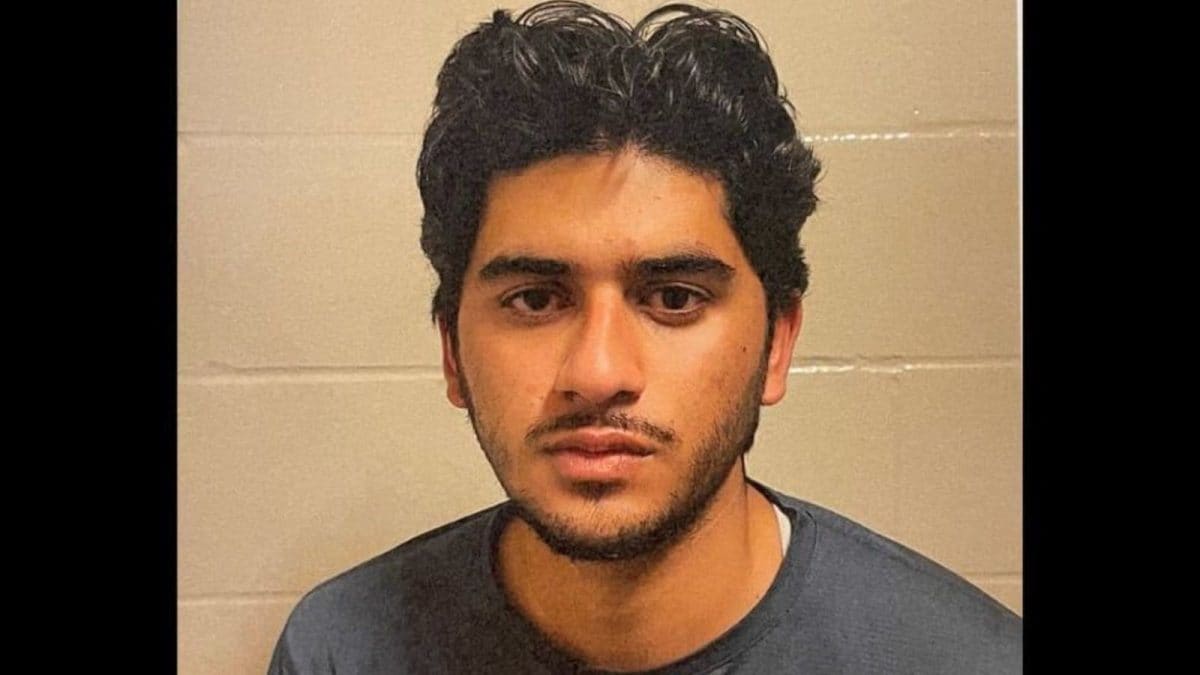
A 21‑year‑old Pakistani national residing in Canada has pleaded guilty in a United States federal court to plotting an ISIS‑inspired terrorist assault on a Jewish centre located in Brooklyn, New York. Muhammad Shahzeb Khan admitted to devising a plan to attack the Chabad House, a well‑known community hub that offers religious services, educational programs and outreach activities. The intended method of attack involved the use of AR‑style rifles, a class of firearms commonly associated with high‑velocity, semi‑automatic fire. The timing of the plot was deliberately aligned with the anniversary of a major incident that occurred in the Middle East, a detail the prosecution highlighted as an effort to maximise psychological impact and media attention.
The confession was obtained after a prolonged investigative operation led by the FBI, which had monitored Muhammad Shahzeb Khan’s online activity for several months. According to the FBI, Muhammad Shahzeb Khan was motivated by extremist propaganda disseminated by ISIS, a self‑styled caliphate that continues to inspire individuals worldwide through an array of digital media. The FBI discovered that Muhammad Shahzeb Khan had engaged in direct messaging with individuals he believed to be fellow extremists, coordinating operational details, weapon procurement strategies, and timeline milestones. These contacts, however, were later revealed to be undercover law‑enforcement agents embedded within an online extremist forum.
Arrest Near the US‑Canada Border and International Cooperation
Law‑enforcement officials reported that Muhammad Shahzeb Khan was apprehended while attempting to cross the United States‑Canada border illegally. The operation involved a human smuggler who was facilitating the movement of Muhammad Shahzeb Khan into United States territory. The interception took place in a remote crossing area, where agents from the FBI, supported by the New York Police Department, executed a coordinated raid with assistance from Canadian authorities. The joint effort reflects a growing trend of cross‑border collaboration aimed at dismantling terrorist networks before they can materialise into violent acts on the ground.
Following the arrest, investigators seized several items that were critical to the plot’s execution. Among the recovered materials were two AR‑style rifles, ammunition magazines, a stockpile of tactical gear, and a series of digital devices containing encrypted communications. The seized evidence corroborated Muhammad Shahzeb Khan’s statements to the FBI and reinforced the narrative that the planned assault was both feasible and imminent. The collaborative nature of the operation underscores the importance of shared intelligence, joint task forces, and diplomatic liaison channels between the United States and Canada.
Legal Proceedings and Potential Penalties
In the courtroom, Muhammad Shahzeb Khan entered a guilty plea to charges that include attempting to provide material support to a foreign terrorist organization, conspiracy to commit a violent crime overseas, and possession of firearms with the intent to use them in a violent felony. The prosecution stressed that these charges carry the maximum statutory penalties, which include the possibility of life imprisonment without parole. During the sentencing hearing, the presiding judge outlined the gravity of the offenses, noting that the pre‑meditated nature of the plot, its intended target, and the symbolic timing all contributed to a heightened level of culpability.
The plea aGreement, negotiated between the defense and the government, avoided a lengthy trial at the expense of a substantial sentencing recommendation. While the final sentence remains pending, the legal framework surrounding terrorism‑related offenses provides for severe punitive measures to serve both retributive and deterrent purposes. The case also sets a precedent for future prosecutions involving individuals who draw inspiration from overseas extremist groups while operating within North America.
‘Lone Wolf’ Dynamics and Ideological Inspiration
Authorities described the scheme as emblematic of the so‑called “lone‑wolf” phenomenon, wherein an individual actor, motivated by extremist ideology, plans and attempts to execute violent acts without direct operational control from a formal terrorist organization. The FBI emphasized that Muhammad Shahzeb Khan’s communication with apparent co‑conspirators was largely superficial, revolving around propaganda consumption and broad tactical advice rather than concrete logistical support from an organized hierarchy.
Despite the lack of direct command from ISIS, the ideological imprint of the group on Muhammad Shahzeb Khan’s mindset was unmistakable. The FBI’s analysis highlighted how ISIS disseminates instructional content, including weapon tutorials, target selection criteria, and timing strategies, which can be accessed by anyone with an internet connection. This digital outreach enables individuals like Muhammad Shahzeb Khan to internalise extremist narratives, develop operational concepts, and feel a sense of belonging to a broader cause without ever meeting a handler in person.
Symbolic Timing and Psychological Impact
The decision to align the planned attack with the anniversary of the October 7 incident was identified as a calculated attempt to amplify the psychological resonance of the act. By selecting a date already associated with a high‑profile, emotionally charged event, Muhammad Shahzeb Khan intended to exploit collective memory, generate heightened media coverage, and inflict deeper societal trauma. Experts in counter‑terrorism stress that such symbolic timing can magnify the perceived reach of a lone actor, making the act appear as part of a larger coordinated effort.
Security analysts also warned that the adoption of symbolic dates may inspire copycat actions, as other individuals observe the media amplification that follows attacks linked to notable anniversaries. This phenomenon adds another layer of complexity to threat assessments, compelling law‑enforcement agencies to monitor not only physical preparations but also the digital narratives that glorify specific dates.
Implications for South Asian Diaspora Communities
The case has ignited discussions about the vulnerability of diaspora communities to radicalisation that stems from geopolitical conflicts in South Asia and the Middle East. Officials from the United States, Canada, and India noted that networks facilitating extremist recruitment increasingly exploit online platforms to reach individuals with cultural or familial ties to conflict‑prone regions. Although Muhammad Shahzeb Khan’s immediate target was a Jewish institution, the broader pattern of cross‑border radicalisation raises concerns about potential threats against Indian diplomatic missions, Hindu temples, and other sites associated with the South Asian diaspora.
Intelligence agencies highlighted past instances where Indian diplomatic properties, religious centres, and community hubs have been threatened or targeted, often by actors citing ideological motivations linked to broader extremist narratives. The emergence of a plot orchestrated by a Pakistani national residing in Canada reiterates the need for vigilant monitoring of transnational ideological flows, particularly as they intersect with diaspora identities and grievances.
Call for Enhanced Scrutiny and Intelligence Sharing
In response to the unfolding case, Indian security agencies have reiterated the importance of meticulous examination of passport holders from Pakistan and other jurisdictions perceived as high‑risk. The agencies argued that a more rigorous screening process, coupled with real‑time information exchange between international partners, could pre‑empt similar attempts in the future. The United States and Canada have expressed willingness to deepen their collaborative mechanisms, ensuring that relevant data on suspected extremists is shared promptly and securely.
Policy experts stress that successful mitigation of such threats depends on a multifaceted approach that includes diplomatic engagement, community outreach, and robust legal frameworks. By fostering trust within vulnerable communities, law‑enforcement can encourage early reporting of suspicious activity, while intelligence agencies can leverage technological assets to track online radicalisation pathways before they evolve into actionable plans.
Broader Context of Global Terror Threats
The thwarted plot underscores a shifting landscape in global terrorism, where traditional hierarchies coexist with decentralized, self‑radicalised actors. The convergence of online extremist propaganda, diaspora networks, and accessible weaponry creates a fertile environment for individuals like Muhammad Shahzeb Khan to conceive and attempt violent acts independently. This evolution challenges conventional counter‑terrorism models that primarily focus on dismantling structured terrorist cells.
Analysts point to the necessity of adapting strategies to address the nuanced realities of modern radicalisation. This includes investing in digital counter‑propaganda initiatives, enhancing community resilience programs, and refining legal tools that can prosecute individuals who act under the influence of foreign extremist ideologies without direct operational links. The case of Muhammad Shahzeb Khan serves as a tangible illustration of these emerging challenges, reinforcing the imperative for an integrated, cross‑jurisdictional response.
Conclusion: Ongoing Vigilance Required
The admission of guilt by Muhammad Shahzeb Khan marks a decisive victory for law‑enforcement agencies operating across North America, but it also serves as a stark reminder that the threat of ideologically motivated violence remains ever‑present. The collaborative effort that led to the interruption of the Brooklyn Chabad House plot demonstrates the efficacy of joint operations, real‑time intelligence sharing, and proactive policing. Nonetheless, the underlying factors that drive individuals toward extremism—online propaganda, identity grievances, and symbolic motivations—continue to demand comprehensive, long‑term solutions.
As governments, community leaders, and security professionals reflect on the lessons learned from this case, the overarching message is clear: sustained vigilance, open channels of communication between allied nations, and resilient community engagement are essential components in safeguarding societies from the evolving spectre of terrorism.