A surprising diplomatic turn from Beijing may have pulled both sides back from the brink, paving the way for a high‑stakes summit in Islamabad
Honestly, I was watching the news the other day like a neighbour checking the marquee of a wedding – you know, waiting to see if anything dramatic would happen. And then, boom, the whole world seemed to be standing on a knife‑edge. After a 38‑day clash, the United States and Iran looked like they were heading for a full‑scale regional war. Donald Trump, the United States president, threw out a harsh warning, saying the United States would bomb Iran’s energy sites unless the Strait of Hormuz was reopened by Wednesday. Tehran didn’t back down either; it told the United States that it would not move a finger until Israel stopped its bombardment of Lebanon. The atmosphere was that tense you feel on a monsoon night when the thunder sounds close but you cannot see the lightning yet.
Just when the deadline was about to hit, something unexpected happened – Beijing, which had been quietly watching the drama, decided to step in. The Chinese side started talking, nudging both Washington and Tehran to take a step back, to breathe, and to think about a possible peace route. This move by Beijing gave a much‑needed breather and set the stage for a critical meeting in Islamabad this Saturday.
Why did the US‑Iran negotiations initially collapse?
The first big reason was simple – there was no trust. The US delegation, led by Vice President JD Vance and the negotiator Steve Witkoff, felt that the talks in Muscat were missing a key player – Iran’s Supreme Leader. They wanted a direct line, a handshake, not a back‑channel. The United States wanted Iran to give up its nuclear enrichment straight away, in exchange for peace and the lifting of sanctions. On the other side, Tehran saw the talks as a stalling game, a way for the United States to keep its forces ready while it tried to steer the negotiations toward a deal that would be “better‑than‑JCPOA”, something that would leave its missile programme out of the discussion.
Adding to the mess was the red‑line the United States kept drawing about Iran’s nuclear facilities, and Tehran’s own red‑line about keeping the Strait of Hormuz closed while Lebanon was under fire. By Tuesday morning, both sides were already preparing for a possible cease‑fire failure and a return to hostilities. It felt like two opposite trains on the same track, each refusing to slow down.
In my own kitchen, I’ve seen similar standoffs when two families argue over a piece of land – each side a bit stubborn, each thinking the other is playing a trick. The US‑Iran talks were just that, but on a far larger, more dangerous scale.
How did China intervene to break the diplomatic deadlock?
Behind the scenes, Beijing started moving. China is Iran’s biggest trading partner, and it also has a strategic friendship with Pakistan. The Chinese leadership realized that a long‑lasting war would hurt global oil supplies – something that would affect Beijing’s Belt and Road projects and its own energy security.
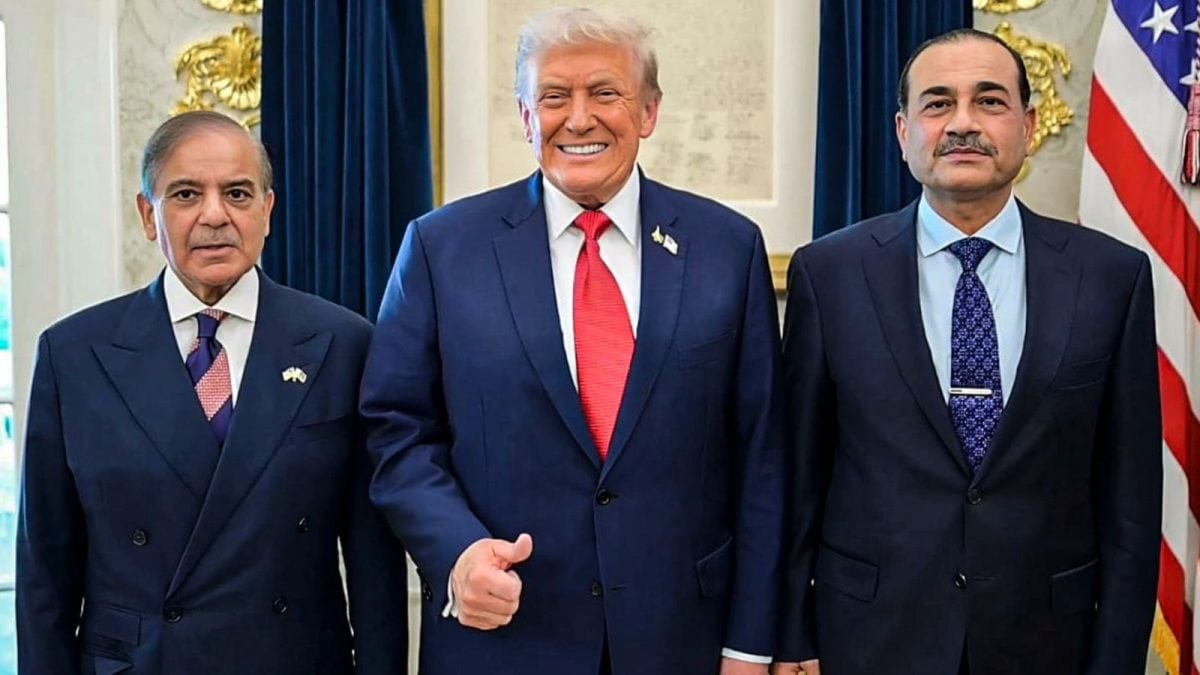
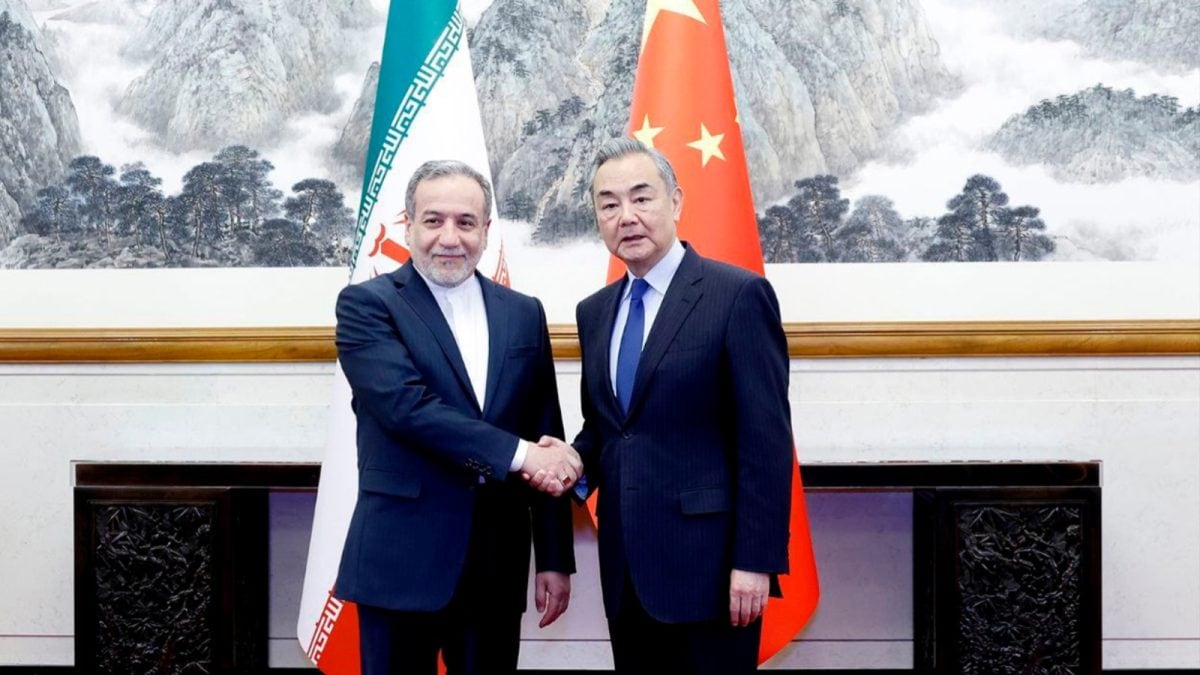
What actually happened was that Chinese diplomats began a flurry of calls, mostly with Pakistan’s prime minister Shehbaz Sharif and the army chief Field Marshal Asim Munir. The goal was to co‑ordinate a five‑point peace plan that would be acceptable to both Washington and Tehran. Wang Yi, the Chinese foreign minister, reportedly held more than twenty high‑level calls in a short span. He used China’s economic muscle over Tehran, reminding Iran that its trade routes, especially those passing through Pakistani ports, were vital for its own economy.
Even Donald Trump, the United States president, publicly thanked President Xi Jinping for helping bring Tehran back to the negotiating table. He said he had “great respect” for President Xi’s role, which is something you hardly hear in a typical Indian newsroom. It was a rare moment when the United States openly praised China’s diplomatic push in the middle of a crisis.
From my own experience, I can say that sometimes a third party stepping in can change everything – just like when a neighbour mediates a family feud over a property line. That’s essentially what Beijing did, but on an international scale.
What role does Islamabad play in this new peace architecture?
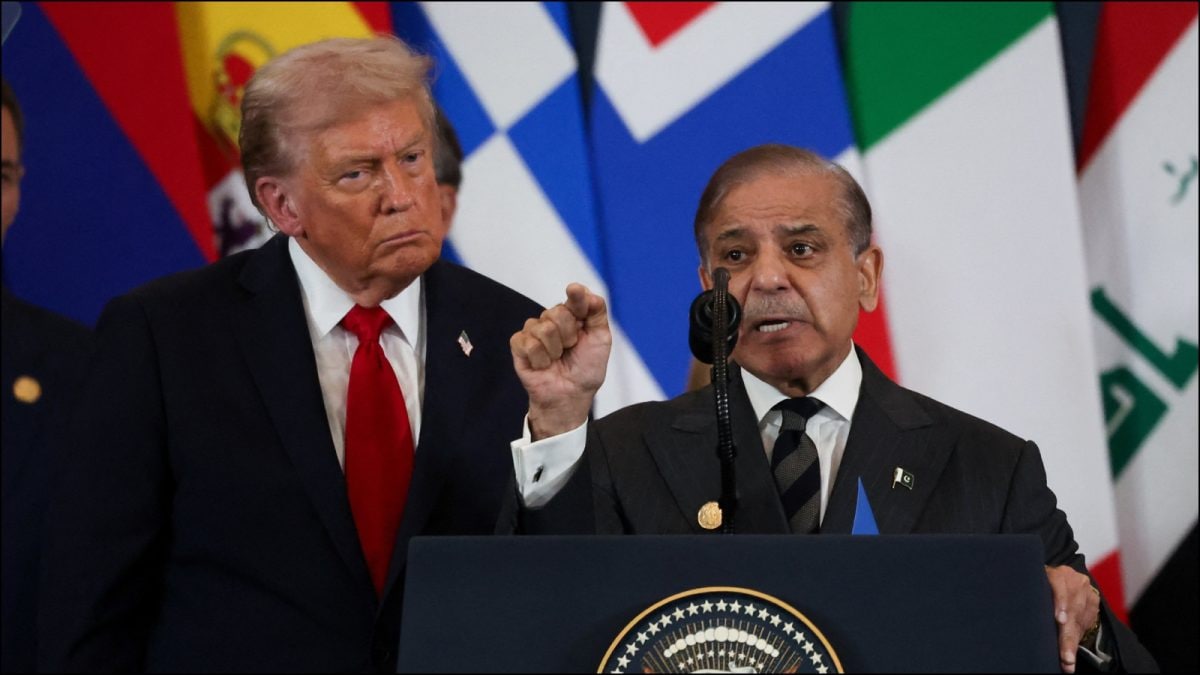
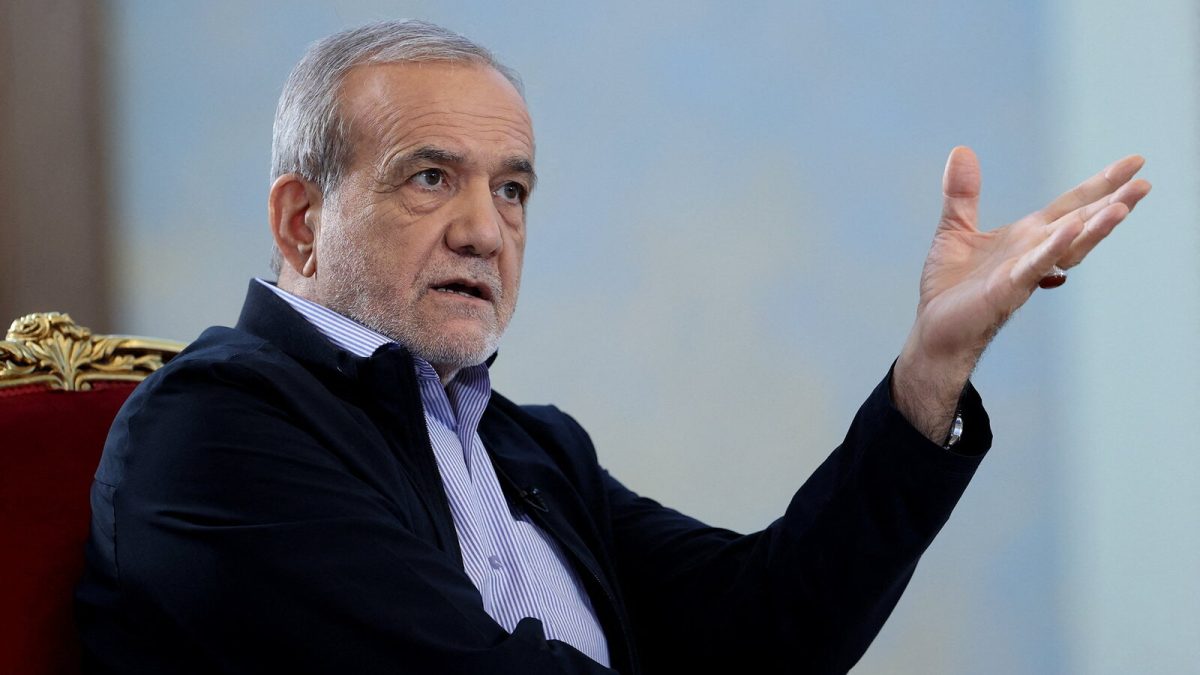
Pakistan turned out to be the perfect neutral ground. The United States and Iran simply could not sit face‑to‑face. Islamabad, being a Muslim‑majority country with deep ties to both Beijing and the United States, offered a venue where Tehran’s delegation, led by Parliament Speaker Mohammad Bagher Ghalibaf, could talk without feeling like they were bowing to Western pressure.
The Pakistani side, with prime minister Shehbaz Sharif and the military leadership, acted like a bridge – a sturdy one, at least for now. They provided the security, the logistics, and the symbolic environment that made both sides comfortable enough to at least discuss a cease‑fire.
As JD Vance prepares to head the American team on Saturday, the so‑called “Islamabad Accord” stands as a fragile but hopeful sign. The cease‑fire is still thin – like a paper‑thin curtain you can see right through – but the fact that China managed to create a space for this dialogue is something even the most sceptical observers find noteworthy.
Thinking back to the many peace meetings I have attended in Delhi, the atmosphere in Islamabad feels familiar – a mixture of tension, hope, and the knowledge that any slip could bring everything crashing down.
Looking ahead: What does this mean for the region?
Even though the talks have moved forward, the situation is still delicate. The United States still wants Iran to halt its nuclear enrichment, while Iran wants the United States to stop any military actions against its allies. The five‑point plan that Beijing helped shape includes a temporary reopening of the Strait of Hormuz, a pause on Israeli strikes in Lebanon, and a promise from both sides to engage in further negotiations without pre‑conditions.
If the Islamabad summit goes well, we might see a short‑term cease‑fire turning into a longer‑term framework for dialogue. It could also signal a new kind of triangular diplomacy where China, the United States, and the region’s neighbours work together more closely. From a plain‑living Indian perspective, this feels like the old “chennai‑madras” train route being re‑opened after years of closures – it might be bumpy at first, but the journey becomes possible again.
There are still many questions, though. Will the United States keep its pressure on Iran’s nuclear programme? Will Iran accept any compromise on its missile capabilities? And will Pakistan be able to maintain its neutral stance if the pressures from both neighbours rise?
One thing is clear: the world is watching, and the stakes are high. A war in the Persian Gulf would not just affect oil prices; it would affect everything from the price of diesel in Delhi to the cost of food grains in Kolkata. That is why this surprising intervention from Beijing matters so much – it gave a chance, however small, for diplomacy to win over the drumbeats of war.