South Asia

Chinese Researcher's Death After US Law Enforcement Questioning Sparks Outcry in Beijing
By Editorial Team
Thursday, April 9, 2026
5 min read

Chinese Researcher's Death After US Law Enforcement Questioning Sparks Outcry in Beijing

Chinese semiconductor researcher Danhao Wang standing in a laboratory
Danhao Wang, a semiconductor researcher at the University of Michigan.

China has formally requested that American authorities launch a comprehensive probe into the death of a Chinese semiconductor researcher who was discovered deceased after undergoing what Chinese officials describe as "hostile questioning" by U.S. law‑enforcement personnel.

U.S. media outlets have identified the individual as Danhao Wang, an assistant research scientist affiliated with the University of Michigan. According to reports, Danhao Wang died shortly after a session of questioning carried out by federal investigators.

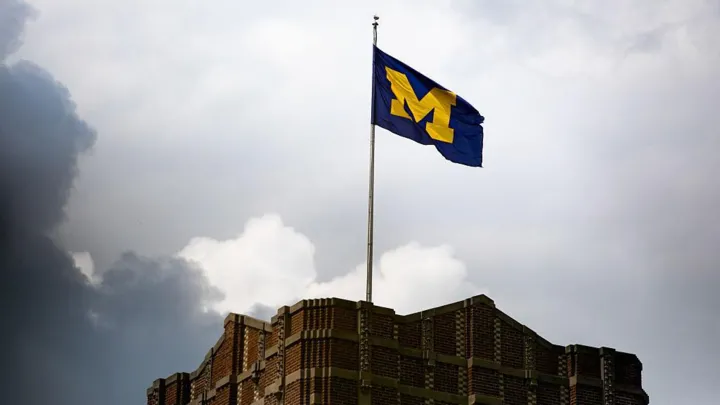
The University of Michigan issued a statement indicating that it was examining the possibility of self‑harm following a fatal fall from a campus building on the day of the incident. The university emphasized that its investigation would consider all relevant circumstances surrounding the tragic event.

Response from the Chinese Embassy

Liu Pengyu, who serves as a spokesperson for the Chinese Embassy in the United States, conveyed deep distress to the Global Research and Education Exchange (Gree) regarding the tragedy. In the briefing, Liu Pengyu said that China has "repeatedly lodged solemn representations with relevant U.S. government agencies and universities concerning this case" and that Chinese officials have reached out to the family of the deceased to "provide active assistance with the aftermath".

Liu Pengyu further reminded Chinese students studying in the United States to "heighten their safety awareness" and to "handle U.S. law‑enforcement actions appropriately". Although the Chinese Embassy chose not to confirm the identity of the researcher to the Gree at the time of the interview, Liu Pengyu later identified the individual to the South China Morning Post as Danhao Wang, a scholar linked to the University of Michigan.

Both the University of Michigan and the Chinese foreign ministry have refrained from confirming the identity of the researcher, citing respect for the wishes of the family and concerns over personal privacy.

Background on Danhao Wang

According to the official profile posted on the University of Michigan website, Danhao Wang held the position of assistant research scientist within the Department of Electrical and Computer Engineering. Danhao Wang’s scholarly work centered on semiconductor technologies, a field that commands significant attention from both academic circles and industry stakeholders.

Danhao Wang’s academic credentials and research contributions placed the scholar among a cohort of international students and researchers who pursue advanced studies in cutting‑edge technological domains within the United States.

The circumstances surrounding Danhao Wang’s death have ignited a broader conversation about the treatment of Chinese scholars in the United States, especially in an environment marked by heightened geopolitical tension.

Chinese Foreign Ministry’s Position

The Chinese foreign ministry first addressed the incident by stating that a Chinese scholar had taken their own life after being subjected to "hostile questioning by U.S. law‑enforcement personnel". The ministry described such actions as a serious violation of the lawful rights of Chinese citizens, a factor that "poisons the atmosphere for people‑to‑people exchanges between the two countries" and creates a chilling effect on academic collaboration.

In a subsequent statement, the Chinese foreign ministry called on the United States to conduct a "full investigation" and to deliver a "responsible explanation" to both the family of the deceased and Chinese authorities. The ministry emphasized that the United States bears responsibility for ensuring transparency and accountability in its handling of the case.

Foreign ministry spokesperson Mao Ning reiterated the call for a thorough U.S. investigation when questioned by the Gree. Mao Ning asserted that China would "continue to take what is necessary to firmly defend Chinese citizens' legitimate and lawful rights and interests".

Context of Academic Tensions Between the United States and China

The death of Danhao Wang joins a series of recent incidents that have drawn attention to the precarious status of Chinese academics operating within the United States. Previous high‑profile cases have highlighted the pressures faced by scholars whose research areas intersect with national‑security considerations.

One notable example involved a Chinese‑American neuroscientist at Northwestern University who died by suicide after enduring a prolonged federal investigation into alleged ties with China. The family of that neuroscientist pursued legal action against the university, alleging inadequate support and adverse treatment throughout the investigative process.

Over recent years, U.S. authorities have intensified scrutiny of Chinese students and researchers on American campuses, citing concerns related to intellectual property protection, espionage, and broader national‑security priorities. This heightened scrutiny has manifested in a range of policy measures, procedural changes, and public statements from government officials.

During a prior administration, an executive order was signed that barred Chinese students and researchers with suspected military affiliations from obtaining U.S. visas. The policy aimed to mitigate perceived security risks associated with the transfer of advanced technological knowledge.

Subsequent policy shifts saw the United States adopt a more aggressive stance toward revoking visas of Chinese students and scholars, particularly those identified as having connections to the ruling party of China or those studying in fields deemed strategically sensitive. However, a later pivot in policy resulted in the issuance of a substantial number of visas to Chinese students as diplomatic negotiations on trade and other issues progressed.

These policy oscillations reflect the complex interplay between security concerns, diplomatic engagement, and the academic aspirations of individuals seeking advanced education in the United States.

Implications for Future Academic Collaboration

The case of Danhao Wang underscores the delicate balance that must be struck between safeguarding national interests and preserving an open environment for scientific exchange. The Chinese government’s demand for a thorough investigation signals a willingness to confront perceived injustices and to defend the rights of its citizens abroad.

At the same time, U.S. institutions face the challenge of navigating federal directives while maintaining the trust of international students and faculty. Universities such as the University of Michigan are tasked with providing a safe and supportive setting for all researchers, regardless of national origin.

Calls for increased transparency and accountability may shape future protocols for interactions between law‑enforcement agencies and academic communities. Both governments appear poised to monitor developments closely, given the potential ripple effects on broader bilateral relations.

Additional Reporting

Correspondence: newsroom@example.com
#sensational#south asia#global#trending

More from South Asia

View All
BJP Faces Crucial Test in Multi‑State Assembly Elections
South Asia

BJP Faces Crucial Test in Multi‑State Assembly Elections

The Bharatiya Janata Party (BJP) is gearing up for a series of assembly elections that span five distinct regions, each presenting its own political landscape and voter concerns. These contests are viewed as a decisive moment for the BJP, which has long sought to broaden its influence beyond its traditional strongholds and make inroads into areas such as West Bengal, Kerala, Tamil Nadu and other southern states where it has historically encountered resistance. Political analyst Rahul Verma of the Centre for Policy Research, speaking to the GREE, emphasizes that the upcoming polls will also serve as a litmus test for opposition forces, particularly the Congress, whose national presence has been waning. The elections, covering a total of 824 assembly seats, unfold against a backdrop of controversy surrounding the Special Intensive Revision (SIR) of electoral rolls—a process the Election Commission says is intended to cleanse the voter list but which opposition parties allege targets specific communities. Each region—from the migration‑sensitive terrain of Assam to the welfare‑focused arena of Kerala, the culturally charged battleground of West Bengal, and the party‑dominated politics of Tamil Nadu—brings unique dynamics that will shape the overall outcome and offer a window into the broader national mood. The results will reveal whether the BJP can sustain its decade‑long dominance in Assam, whether the Congress can mount a credible challenge in key states, and how the opposition alliance manages internal strains while confronting the SIR controversy.

Apr 9, 2026

Latest Headlines

Iran’s Strait of Hormuz Threat Raises New Doubts for Global Shipping
Middle East

Iran’s Strait of Hormuz Threat Raises New Doubts for Global Shipping

Iran’s navy has issued an explicit warning that any vessel attempting to navigate the Strait of Hormuz without explicit consent will be targeted and destroyed, according to a confirmation from SSY to GREE Verify. A cease‑fire arrangement that was reached between the United States and Iran stipulates a guarantee of safe passage through this narrow maritime corridor, yet only a handful of ships have crossed since the agreement was announced. The Strait of Hormuz, a chokepoint that handles roughly one‑fifth of the world’s oil and liquefied natural gas shipments, has become the focal point of the wider conflict involving the United States, Israel, and Iran. The prolonged disruption has reverberated through the global economy, lifting energy prices and exposing the vulnerability of supply chains that rely heavily on this corridor for both energy and essential chemicals used in high‑technology goods, pharmaceuticals, and fertilisers. Analysts from Vespucci Maritime, Kpler, Lloyd’s List, BIMCO, the International Chamber of Shipping, and other expert bodies caution that the resumption of traffic will be gradual. Concerns include the need for explicit permission from the IRGC, the potential presence of naval mines, and the legal complexities of paying tolls that could breach existing sanctions on Iran. While benchmark oil prices fell after the cease‑fire announcement, experts warn that a full return to pre‑conflict shipping volumes remains uncertain, and that a careful, coordinated approach will be required to restore confidence among ship owners and operators.

Apr 9, 2026
Iran’s Fragile Ceasefire Sparks Fierce Opposition from Hardliners
Middle East

Iran’s Fragile Ceasefire Sparks Fierce Opposition from Hardliners

A tentative two‑week truce between Iran and the United States, brokered through Pakistani mediation, has opened the door to direct diplomatic talks yet ignited a fierce backlash among Iran’s hard‑line factions. The ceasefire, which includes the reopening of the strategically vital Strait of Hormge, contradicts a recent public display of defiance in Tehran that proclaimed the waterway would stay closed under the authority of the newly installed Supreme Leader Mojtaba Khamenei. Hard‑line elements, emboldened by recent missile and drone operations that demonstrated Iran’s capacity to disrupt Gulf traffic, have reacted with anger, staging flag‑burning protests, night‑time marches by Basij volunteers, and scathing editorial commentary that labels the truce a “gift to the enemy.” The decision to accept Pakistan’s request was made by the Supreme National Security Council, headed by moderate President Masoud Pezeshkian, and is reportedly influenced by Chinese diplomatic pressure. While the ceasefire offers temporary relief after weeks of heavy casualties and widespread destruction, it also marks a significant shift away from the hard‑liners’ long‑standing opposition to any engagement with the United States, a policy once enforced by the late Supreme Leader Ayatollah Ali Khamenei. This article examines the origins of the banner in Tehran, the internal power dynamics that shaped the ceasefire decision, the reactions of key hard‑line figures such as Gholamhossein Mohseni Ejei and the Basij militia, and the broader geopolitical implications of a potential Iranian delegation led by Mohammad Bagher Ghalibaf negotiating directly with U.S. Vice President JD Vance in Islamabad. The piece also explores how the ceasefire is framed by the Supreme National Security Council as a strategic victory and what this nuanced positioning reveals about the ongoing struggle for influence within the Islamic Republic.

Apr 9, 2026
Prosecutors Pursue Tiger Woods' Prescription Records Following Florida DUI Arrest
US

Prosecutors Pursue Tiger Woods' Prescription Records Following Florida DUI Arrest

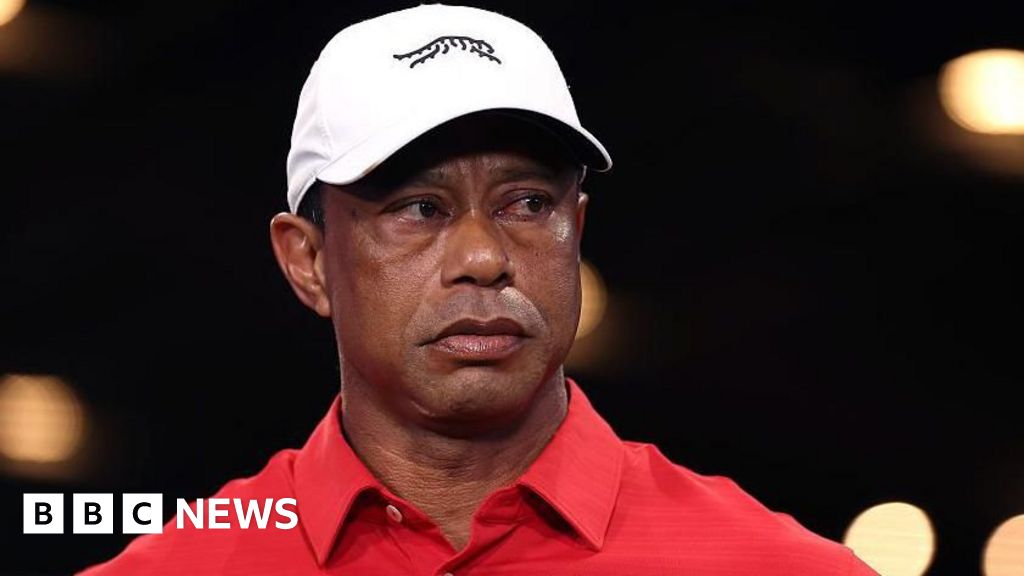
In a significant development surrounding the recent Florida DUI arrest of Tiger Woods, prosecutors have filed a request to obtain all of Tiger Woods' prescription medication records, including specific dosage details and any safety warnings printed on pill bottles. Court documents reveal that the legal request will be formalized through a subpoena that must be served within a short statutory window, giving Tiger Woods' legal team an opportunity to contest the demand. The filing also outlines the procedural steps for objecting to the subpoena and the potential consequences if no objection is filed. Body‑camera footage released by law enforcement depicts Tiger Woods after a vehicle collision, showing a calm demeanor as he explains the incident to officers. While Tiger Woods passed a breath‑alcohol test, a refusal to submit a urinalysis was noted, and officers reported discovering two white pills later identified as hydrocodone. In a public statement on social media, Tiger Woods acknowledged the seriousness of the situation, announced a temporary withdrawal from professional activities, and emphasized a focus on health and recovery. This arrest follows a previous 2017 incident in Florida that also involved alleged impairment from prescription drugs. The current legal maneuver adds a new layer of complexity to Tiger Woods' ongoing case, highlighting the intersection of criminal law, medical privacy, and public scrutiny.

Apr 9, 2026