Euphoria’s Third Season Struggles to Recapture Its Original Edge
Four years after debut, the provocative HBO drama returns with Zendaya, Jacob Elordi and Sydney Sweeney, yet the series now feels notably diminished in its cultural impact.
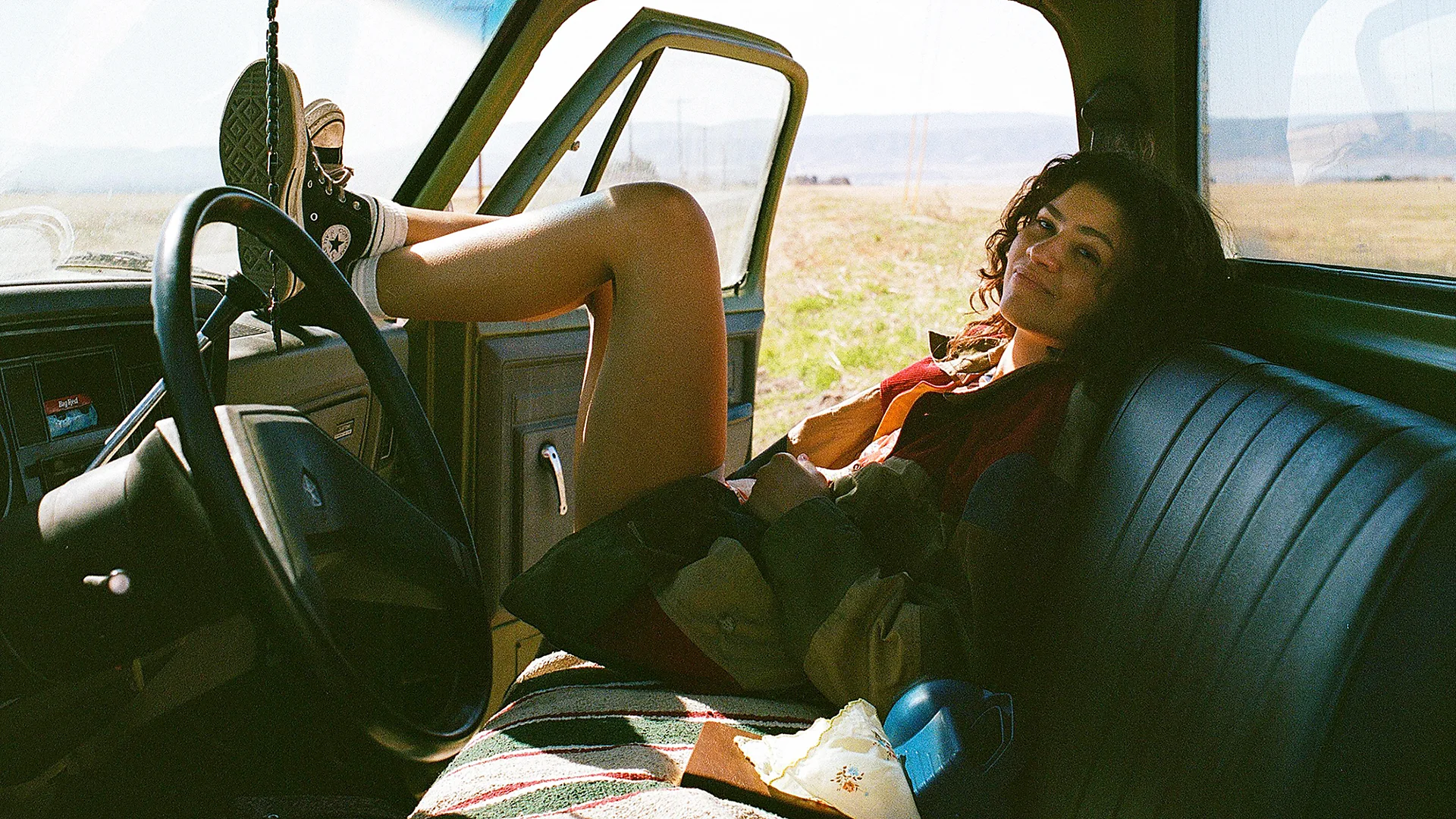
Four years on, the provocative HBO drama is back, with Zendaya, Jacob Elordi and Sydney Sweeney all returning. Unfortunately, though, the series has become a series with very little to say.
Among the many twists that could have been imagined for the third—and potentially final—season of Euphoria, the decision to recast Rue’s (Zendaya) journey as a neo‑Western, complete with desert highways, tumbleweeds and a boss sporting a cowboy hat and a golden pistol, was unlikely to appear on any conventional wish‑list. That creative choice is just one of several surprising turns that may provoke the question, “Why?”
From Zeitgeist to Stagnation
When Euphoria first arrived in 2019, it earned a reputation for being both provocative and deeply in tune with contemporary culture, presenting sex, drugs and fluid gender identities as everyday realities of high‑school life. Since the conclusion of season two, four years later, Zendaya, Jacob Elordi and Sydney Sweeney have each ascended to major film‑star status. Although each of those actors steps back into their respective roles without obvious difficulty, the series appears to have lost the sharp cultural edge that defined its early reputation. Based on the three pre‑released episodes out of eight, the new material feels like a strained attempt to re‑present the close‑knit group of friends—now in their early twenties—as essentially the same circle, merely overlaid with new settings.
Zendaya has justifiably earned two Emmys for the portrayal of Rue, and the performance remains striking. As Zendaya’s public persona has grown more polished and elegant, the stark contrast with Rue’s disheveled, troubled self becomes even more pronounced. Rue continues to drift, fighting for sobriety in Mexico while repaying a debt to Laurie (Martha Kelly), a drug dealer introduced in the previous season. Zendaya delivers Rue’s turmoil convincingly even as the storyline veers into the implausible.
In the new arc, Rue travels to Texas and becomes employed by a man named Alamo (Adewale Akinnuoye‑Agbaje), an ominously charismatic figure who oversees a chain of low‑budget strip clubs marketed as “fully nude, always lewd.” Alamo’s operation runs with ruthless efficiency: drugs flow to the dancers, and every financial transaction is monitored. Zendaya delivers Rue’s lines—such as the absurd declaration, “And that’s how I became a drug mule”—with a dry, credible wit that keeps the audience anchored despite the narrative’s exaggerations.
The series intermittently borrows language and visual cues from classic Westerns, flirting with a tone that brushes close to tongue‑in‑cheek without fully committing. Sam Levinson, the series creator, writer and director, has explained that the Wild West metaphor reflects the feeling of young adults navigating an untamed world. The literal execution of that metaphor, however, feels unnecessary and at times distracts from deeper character development.
Character Trajectories and Missed Opportunities
While Rue’s storyline stretches thin, the arcs of Cassie (Sydney Sweeney) and Nate (Jacob Elordi) echo familiar patterns rather than exploiting the narrative space opened by the time jump. Cassie and Nate appear engaged and residing in an ostentatious mansion. Nate, now bearing greater responsibility after inheriting his father’s construction enterprise, displays heightened duplicity, yet his character remains the most under‑explored in the current season. Cassie, on the other hand, seems even more indulgent and surface‑level, allocating $50,000 toward floral arrangements for an upcoming wedding—a detail that underscores a shallow preoccupation with material display.
Cassie’s strategic plan to embody both a “tradwife” aesthetic and a seductive influencer persona occupies much of her screen time. She spends hours producing content for the internet, and the series attempts to remain culturally relevant by addressing the rise of platforms like OnlyFans. Cassie tells Nate, “It’s not porn, it’s erotica,” a line that captures the show’s awareness of shifting adult‑content economics. Nonetheless, this thematic thread lacks originality; another contemporary series, Margot’s Got Money Troubles, examines a similar subject with greater nuance and imagination.
Other familiar faces reappear, providing a comforting sense of continuity for long‑time viewers. Lexi (Maude Apatow) now works as an assistant to a showrunner portrayed by Sharon Stone, who briefly surfaces in the opening episode. Colman Domingo returns as Ali, Rue’s Alcoholics Anonymous sponsor, offering moments of heartfelt guidance. Eric Dane, who passed away after an ALS diagnosis, appears posthumously as Nate’s disgraced father, lending a bittersweet resonance to his scenes.
Jules (Hunter Schafer), once a central figure, has shifted away from the high‑school setting to attend art school and sustain a lavish lifestyle through relationships with affluent men. Though Jules’s intense romantic connection with Rue has ended, a brief intersection between the two characters hints at lingering emotional undercurrents, leaving viewers to wonder about future developments.
Thematic Stagnation and Cultural Relevance
One of the most noticeable shifts in the new season is the decline of the series’ once‑sharp cultural commentary. The original impetus of Euphoria lay in its unapologetic presentation of youthful experiences that many viewers felt were seldom addressed on mainstream television. By the time the third season arrives, however, the series seems content to re‑hash established motifs without injecting fresh insight. The attempt to address contemporary internet‑driven adult content feels more like a surface nod than an in‑depth exploration.
Moreover, the series’ visual and narrative daring, which previously manifested in bold color palettes and unsettling intimacy, appears muted. Scenes that once lingered on raw vulnerability now glide past with a deGree of detachment, as if the show is cautious about pushing boundaries further. This cautiousness may stem from the passage of time and the elevated star power of its leads, yet it inevitably diminishes the visceral impact that originally set Euphoria apart.
Even the stylistic decision to frame Rue’s journey as a Western adventure, while visually striking, ends up feeling like a thematic distraction. The metaphor of the Wild West, intended to echo the chaos of young adulthood, ends up competing with the core emotional beats, leaving the audience uncertain about the series’ primary focus.
Comparative Observations
When placed alongside other contemporary dramas that tackle similar subjects, the third season of Euphoria appears less daring. While the series continues to benefit from the magnetic performances of Zendaya, Jacob Elordi and Sydney Sweeney, the narrative scaffolding lacks the audacity that once defined the show. The juxtaposition of Euphoria’s handling of influencer culture with that of Margot’s Got Money Troubles underscores a missed opportunity to delve deeper into the complexities of digital intimacy.
Nevertheless, the presence of seasoned actors such as Sharon Stone, Colman Domingo and the late Eric Dane adds layers of gravitas that enrich the viewing experience. Their contributions, though brief, provide poignant moments that remind long‑time fans of the emotional depth that the series is capable of delivering when it chooses to focus on character nuance.
Final Assessment
For viewers hoping to reunite with familiar faces, the third season delivers a deGree of satisfaction. Yet the overarching sense is that the series has exhausted much of its narrative potential, offering only a thin veneer of novelty over an otherwise familiar framework. The talented ensemble cast, anchored by Zendaya’s Emmy‑winning portrayal of Rue, continues to shine, but the surrounding material fails to match that caliber of ambition.
In sum, the latest installment of Euphoria feels like a series with very little to say, presenting storylines that lack the boldness and relevance that once made the show a cultural touchstone. While the creative team may still have a few episodes left to reshape the narrative, the current trajectory points toward a conclusion that mirrors the series’ original promise without fully realizing it.
★★☆☆☆