Salman Khan Stands Up for Rajpal Yadav After Controversial Cheque Bounce Joke Ignites Public Fury
Background of the On‑Stage Remark
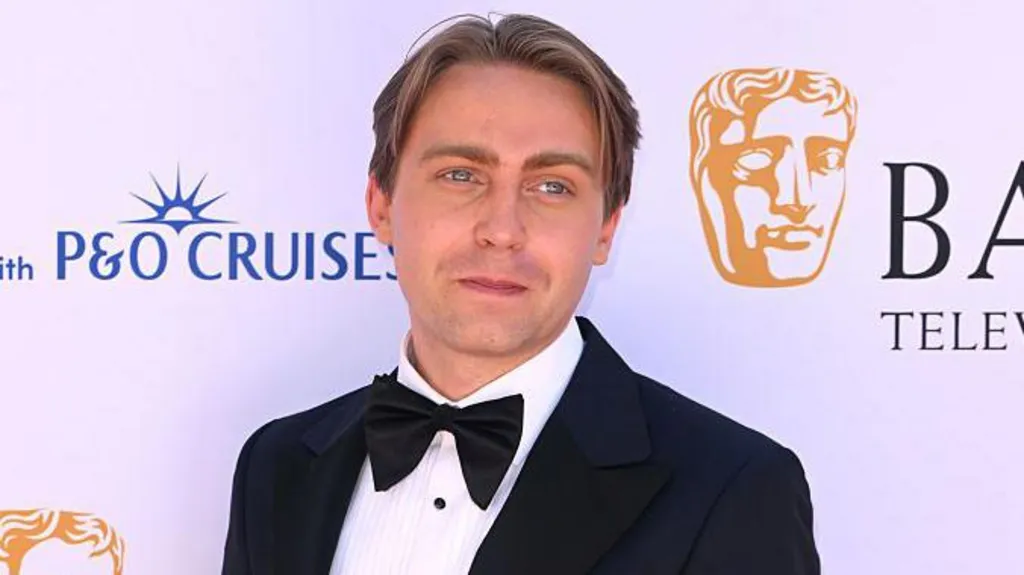
During a high‑profile awards ceremony in Mumbai, senior journalist Saurabh Dwivedi shared the stage with comedian Zakir Khan. While the program was progressing, Saurabh Dwivedi interjected with a comment that directly referenced the ongoing legal matter involving Rajpal Yadav. The remark, framed as a light‑hearted quip about currency fluctuations, suggested that Rajpal Yadav would have to return whatever amount was owed regardless of the dollar‑rupee rate.
The comment elicited laughter from the audience present in the hall, and Rajpal Yadav himself responded with a brief smile. However, once the footage circulated on social platforms, the response shifted dramatically. A broad swath of internet users condemned the statement as highly insensitive, arguing that it trivialized a serious financial and legal issue that has been heavily covered in the media.
Salman Khan’s Public Defense
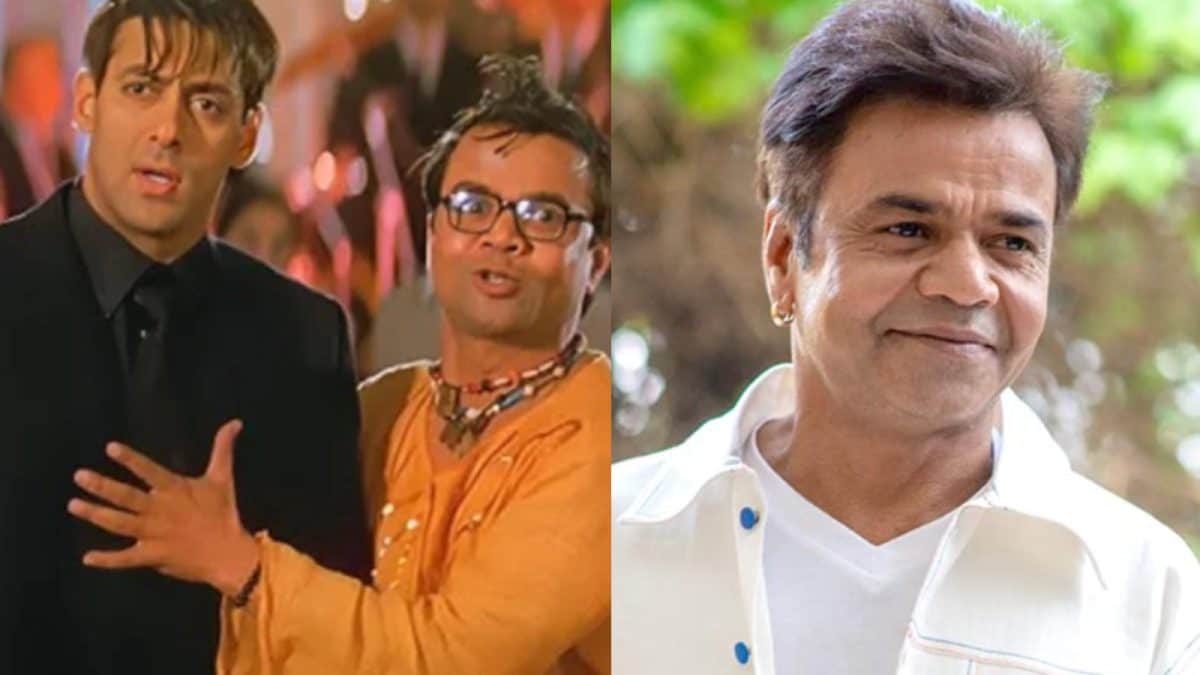
In the wake of the online backlash, Salman Khan took to Instagram to issue a detailed response. Salman Khan explicitly referenced Rajpal Yadav’s career, emphasizing that Rajpal Yadav has been active in the Indian film industry for more than three decades. Salman Khan wrote that Rajpal Yadav’s longevity is a testament to consistent performance and an unwavering commitment to the craft of acting.
Salman Khan’s post also addressed the monetary dimension of the controversy. Salman Khan argued that fluctuations in the dollar‑rupee exchange rate do not alter the legal obligation to repay a debt. Salman Khan highlighted that the responsibility to settle a financial commitment remains unchanged, regardless of whether the dollar is rising or falling. The message underscored the principle that financial accountability is anchored in Indian currency, not in external exchange metrics.
Salman Khan concluded the statement by urging everyone to recognize that temporary lapses in cash flow do not define an individual’s professional worth. Salman Khan asserted that Rajpal Yadav’s skill set and the value he brings to the screen guarantee continued employment, irrespective of monetary fluctuations.
Detailed Look at Rajpal Yadav’s Legal Situation
Rajpal Yadav’s legal entanglement centers on a cheque‑bounce case linked to a loan taken for the production of the film "Ata Pata Laapata". The original loan, extended in 2010, escalated due to accrued interest and applicable penalties, bringing the total liability close to nine crore rupees. The escalation of the debt led to a court ordering Rajpal Yadav’s detention at Tihar Jail when repayment deadlines were missed.
The case has been discussed at length in both mainstream news outlets and industry forums. It serves as a cautionary tale regarding the financial responsibilities that accompany film financing, especially when large sums are involved and repayment schedules are not strictly adhered to. Industry observers have repeatedly highlighted the importance of transparent financial planning for film projects to avoid similar scenarios.
Against this backdrop, Rajpal Yadav’s manager, identified simply as Goldie, disclosed to the trade publication SCREEN that multiple influential personalities have stepped forward to extend assistance. Goldie noted that Sonu Sood, Salman Khan, and Ajay Devgn have all offered support. Goldie further conveyed that David Dhawan, Ratan Nain, and Varun Dhawan have also reached out, reflecting a collective willingness within the Bollywood community to aid a fellow colleague during a challenging period.
Public Reaction and Social Media Discourse
Once the clip of Saurabh Dwivedi’s comment gained traction on social networking sites, a flood of responses poured in. Comments ranged from disappointment in the host’s choice of material to broader discussions about the ethical considerations of referencing personal legal struggles in a public setting. Many users labeled the comment as “grossly insensitive” and called for greater sensitivity when dealing with an individual’s financial hardships.
Critics also pointed out that the jokes seemed to reduce a multi‑year legal battle to a punchline, potentially undermining the seriousness of the judicial process. Others argued that referencing a legal case in a comedic context could influence public perception of the involved parties, thereby affecting the right to a fair trial.
The dialogue extended beyond the immediate incident, prompting conversations about the role of media personalities in shaping narratives around legal matters. Some commentators suggested that hosts and comedians possess a responsibility to balance humor with respect for subjects who are navigating complex personal and legal challenges.
Industry Perspectives on Supporting Colleagues
Salman Khan’s intervention sparked a renewed conversation about solidarity within the Indian film fraternity. The notion that established stars may leverage their influence to support peers facing financial or legal distress was highlighted by numerous industry veterans. Salman Khan’s public endorsement of Rajpal Yadav reinforced the long‑standing tradition of mutual aid among actors, directors, and producers.
When Goldie described the outreach from Sonu Sood, Ajay Devgn, David Dhawan, Ratan Nain, and Varun Dhawan, the narrative emphasized a collective commitment to ensuring that no member of the community is left to navigate hardships alone. These gestures reflect a broader cultural ethos within Bollywood, where personal relationships often translate into professional assistance during moments of need.
The discussion also underscored the importance of maintaining a reputation for reliability and generosity. In an industry where collaboration is essential, the willingness of prominent figures such as Salman Khan to publicly back a colleague can reinforce trust and encourage a supportive environment.
Legal Implications and the Role of Public Opinion
While public opinion can sway the perception of a legal dispute, the ultimate resolution remains subject to judicial processes. The fact that Rajpal Yadav’s case involves a substantial monetary sum and has resulted in custodial measures underscores the seriousness of non‑payment under Indian law. Legal experts note that cheque‑bounce offenses carry penal consequences, including potential imprisonment, when the amount remains unsettled.
Public discourse, however, can impact the broader narrative surrounding a case. Media coverage that frames a dispute in empathetic or critical terms may shape how audiences interpret the responsibility of the parties involved. In the present scenario, Salman Khan’s defense of Rajpal Yadav introduced a counterbalance to the initial criticism, prompting readers to consider the long‑term professional contributions of Rajpal Yadav beyond the immediate financial matter.
Analysts also point out that high‑profile interventions can foster dialogue about systemic issues, such as the challenges of financing independent film projects and the pressures that financial institutions place on filmmakers. By highlighting these broader concerns, the conversation extends beyond individual accountability to the structural dynamics of the entertainment industry.
Conclusion: A Reflection on Sensitivity, Support, and Professional Legacy
The episode involving a stage comment, a cascade of social media backlash, and a prominent star’s defense illustrates the delicate balance between humor and respect in public forums. While Saurabh Dwivedi’s remark was intended as a witty observation, the ensuing criticism highlighted the importance of gauging audience sensitivities, especially when dealing with ongoing legal matters.
Salman Khan’s response served as a reminder that an artist’s worth is measured not by isolated financial challenges but by a cumulative body of work that spans decades. By emphasizing Rajpal Yadav’s three‑decade career and asserting that professional opportunities will persist regardless of market fluctuations, Salman Khan reinforced a narrative of resilience and continuity.
The broader industry reaction, including the outreach from Sonu Sood, Ajay Devgn, David Dhawan, Ratan Nain, and Varun Dhawan, demonstrates a shared commitment to nurturing a supportive ecosystem. In an environment where financial setbacks can quickly become public spectacles, the willingness of respected peers to stand together underscores a fundamental principle: solidarity among artists remains a cornerstone of the cinematic community.
As the dialogue continues across digital platforms and within the corridors of the film industry, the incident serves as a case study in how public statements, legal realities, and interpersonal support intersect. It reinforces the need for conscientious communication, the power of advocacy from influential figures, and the enduring value of a career built on dedication, talent, and mutual respect.