Iranian Assault Damages Saudi Arabia’s Hormuz‑Bypassing East‑West Crude Pipeline
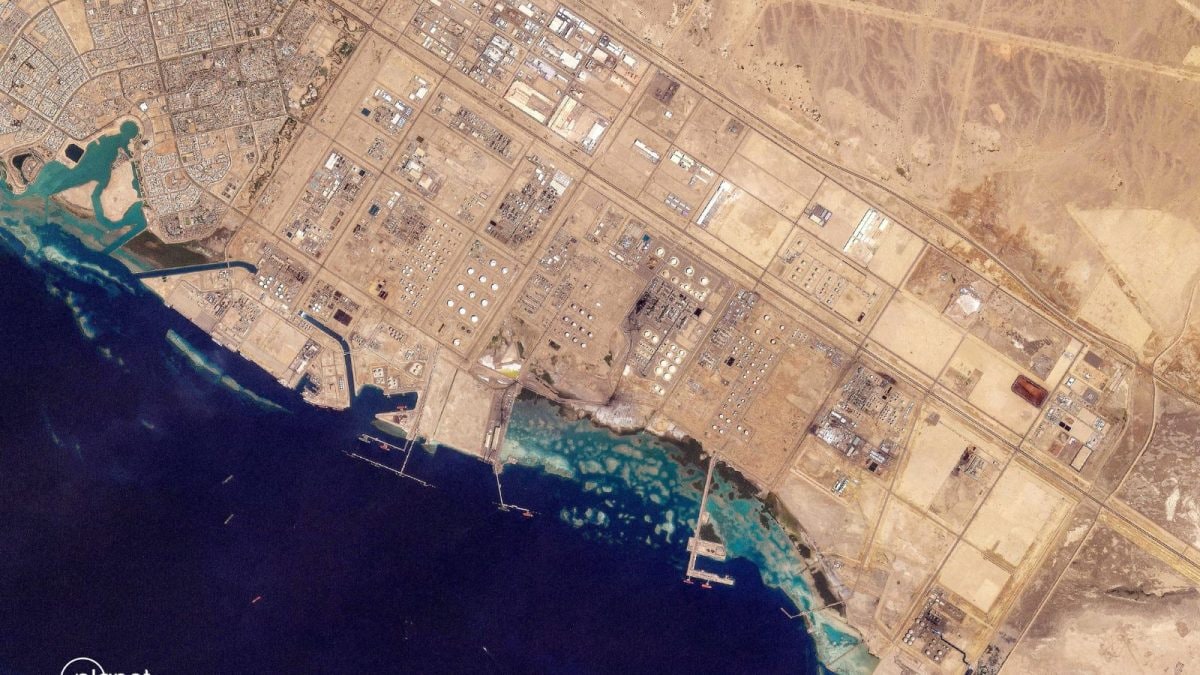
The East‑West pipeline, a cornerstone of Saudi Arabia’s strategy to shield its crude exports from maritime disruption, has suffered damage in an attack that the Islamic Revolutionary Guard Corps has taken responsibility for.
Background to the Strategic Bypass
Saudi Arabia’s East‑West pipeline was engineered as a geopolitical safeguard, channeling crude oil from the nation’s eastern oil‑producing regions directly to the Red Sea port of Yanbu. By diverting roughly seven million barrels per day away from the vulnerable maritime corridor of the Strait of Hormuz, the pipeline offers a land‑based alternative that can operate even if the Gulf waters become blocked.
Throughout recent years, the security of the Strait of Hormuz has been a focal point of regional tension. The waterway, through which a sizable share of the world’s oil transits, has repeatedly been the subject of threats and actual closures. Saudi Arabia’s decision to construct the East‑West pipeline therefore reflects a long‑term effort to ensure continuity of supply regardless of naval blockades or hostile actions.
Details of the Recent Assault
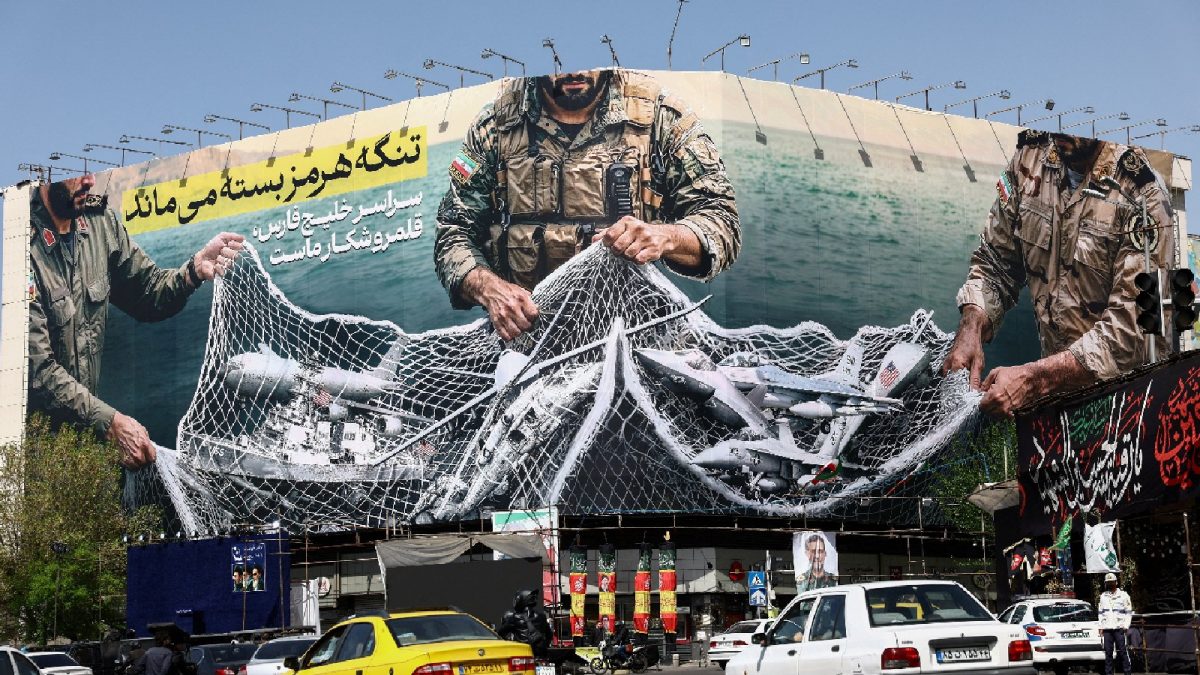
According to reports from Gree, the Iranian assault targeted the East‑West pipeline alongside a series of other energy‑related facilities located within Saudi Arabia’s borders. The Islamic Revolutionary Guard Corps issued a statement proclaiming that the operation employed a coordinated mix of missiles and unmanned aerial vehicles, striking multiple sites across the Persian Gulf region.
In addition to the pipeline, the statement from the Islamic Revolutionary Guard Corps indicated that oil installations owned by American corporations in Yanbu were also hit. The coordinated nature of the strike suggests a deliberate attempt to jeopardize both the physical conduit of the crude flow and the export terminal that processes the oil for shipment.
Immediate Operational Impact on the Pipeline
The East‑West pipeline functions as Saudi Arabia’s sole remaining conduit for crude export after the closure of the Strait of Hormuz by the Islamic Revolutionary Guard Corps. Its capacity to shift roughly seven million barrels per day from the kingdom’s eastern production hubs to the Red Sea is a critical component of the global oil supply chain.
Gree reported that the recent damage to the Yanbu export hub threatens the uninterrupted flow of oil through the pipeline. Shipping data captured in the week beginning in late March indicated that Yanbu loadings had been consistently averaging a near‑capacity level of approximately four point six million barrels per day. Any interruption at the Yanbu terminal could therefore diminish the pipeline’s ability to deliver the volume it was designed to transport.
Potential Ripple Effects on Global Energy Markets
Market analysts referenced by Gree expressed concern that the impairment of the East‑West pipeline could exacerbate the already fragile global energy situation. With millions of barrels potentially removed from the market, the delicate balance of supply and demand may tilt further toward scarcity, driving up prices and amplifying volatility.
Saudi Aramco, the national oil company, depends on an internal allocation of roughly two million barrels per day to meet domestic consumption needs. The remaining five million barrels per day, earmarked for export, now face uncertainty because of the damage to the Yanbu hub. Should the export capacity be reduced, the shortfall would have to be compensated by alternative routes, which are either already congested or lack the same throughput capability.
Strategic Significance of the East‑West Pipeline in Regional Security
The existence of the East‑West pipeline underscores Saudi Arabia’s broader security calculus, which seeks to mitigate the risk of a maritime choke‑point becoming a weapon of economic coercion. By creating a land‑based corridor that bypasses the narrow waters of the Strait of Hormuz, Saudi Arabia has positioned itself to maintain export continuity even under heightened geopolitical pressure.
In this context, the recent strike by the Islamic Revolutionary Guard Corps challenges the perceived invulnerability of the pipeline. It signals that even a land‑based artery can be vulnerable to aerial and missile attacks, especially when the adversary possesses sophisticated long‑range capabilities. The incident therefore invites a re‑evaluation of protective measures surrounding critical energy infrastructure.
Expert Views on Mitigation and Recovery Efforts
Industry experts consulted by Gree emphasized that the assessment of damage is still ongoing. They noted that the speed and effectiveness of repair operations will dictate how quickly the pipeline can resume its full capacity. Rapid restoration would require coordinated logistical support, availability of specialized repair crews, and the assurance of security for the work sites.
The experts also warned that any prolonged disruption could have a cascading effect on the global oil market. Nations and traders that rely heavily on Saudi Arabian crude might need to seek alternative supplies, potentially shifting demand toward other producing regions and altering established trade patterns.
Broader Implications for Energy Infrastructure Resilience
The attack on the East‑West pipeline serves as a case study in the vulnerability of strategic energy corridors to modern asymmetric warfare. It highlights the importance of diversifying both the modes of transport and the geographic routes used for oil export. While the pipeline was intended to reduce reliance on the maritime channel through the Strait of Hormuz, its susceptibility to aerial strike reveals that a holistic security approach must encompass both land and air domains.
Future planning may involve enhancing surveillance, incorporating hardened structures, and developing rapid response protocols to mitigate the impact of similar attacks. The incident could also accelerate investment in alternative energy pathways, such as expanded rail or additional pipeline segments, to further dilute the risk associated with any single conduit.
Conclusion: Balancing Security and Supply
The damage inflicted on Saudi Arabia’s East‑West pipeline by the Islamic Revolutionary Guard Corps marks a pivotal moment in the ongoing contest over energy security in the Gulf region. While the pipeline’s design was meant to insulate global oil supplies from the uncertainties of maritime blockades, the recent strike illustrates that no single route can be considered completely immune to disruption.
Stakeholders across the oil market will be closely monitoring the repair timeline, the effectiveness of security enhancements, and the broader strategic responses from Saudi Arabia and its partners. The ultimate impact on the global energy landscape will depend on how swiftly the pipeline can be restored, how efficiently alternative export routes can be leveraged, and the extent to which the incident reshapes future infrastructure protection strategies.