Donald Trump and Benjamin Netanyahu State Lebanon Excluded From Iran Ceasefire, Tehran Threatens Pull‑out
Overview of Recent Military Activity
Israel executed its most extensive air campaign across Lebanon since the launch of Operation Roaring Lion, a development that has drawn sharp commentary from Iran. Iran has warned it could withdraw from the existing two‑week ceasefire framework if Israel continues to conduct strikes on Lebanese territory.
Clarification from Donald Trump on Ceasefire Scope
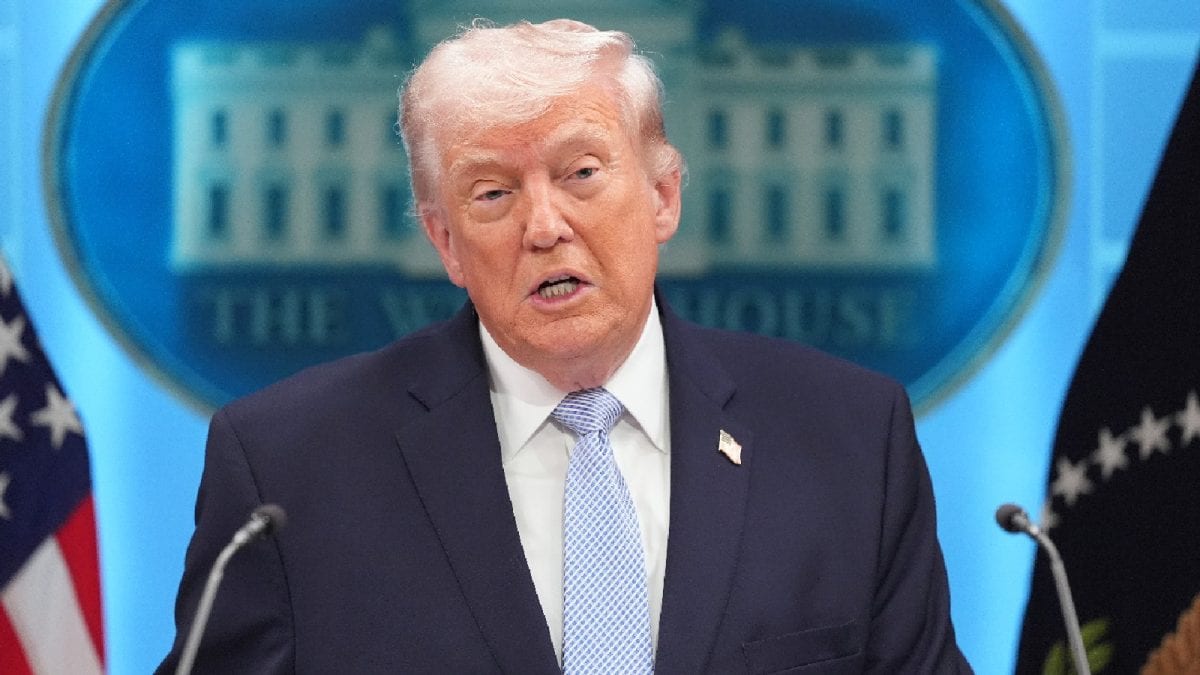
When asked whether ongoing attacks in Lebanon fell under the current ceasefire, Donald Trump responded unequivocally that Lebanon was not part of the aGreement. Donald Trump explained that Lebanon was excluded because of Hezbollah, the Iran‑backed militant organization operating there. Donald Trump further defended Israel’s conduct, stating that the operations were “part of the deal, everyone knows that,” and characterized the hostilities as a separate skirmish from the Iran‑Israel truce.
Benjamin Netanyahu’s Position on the Pause
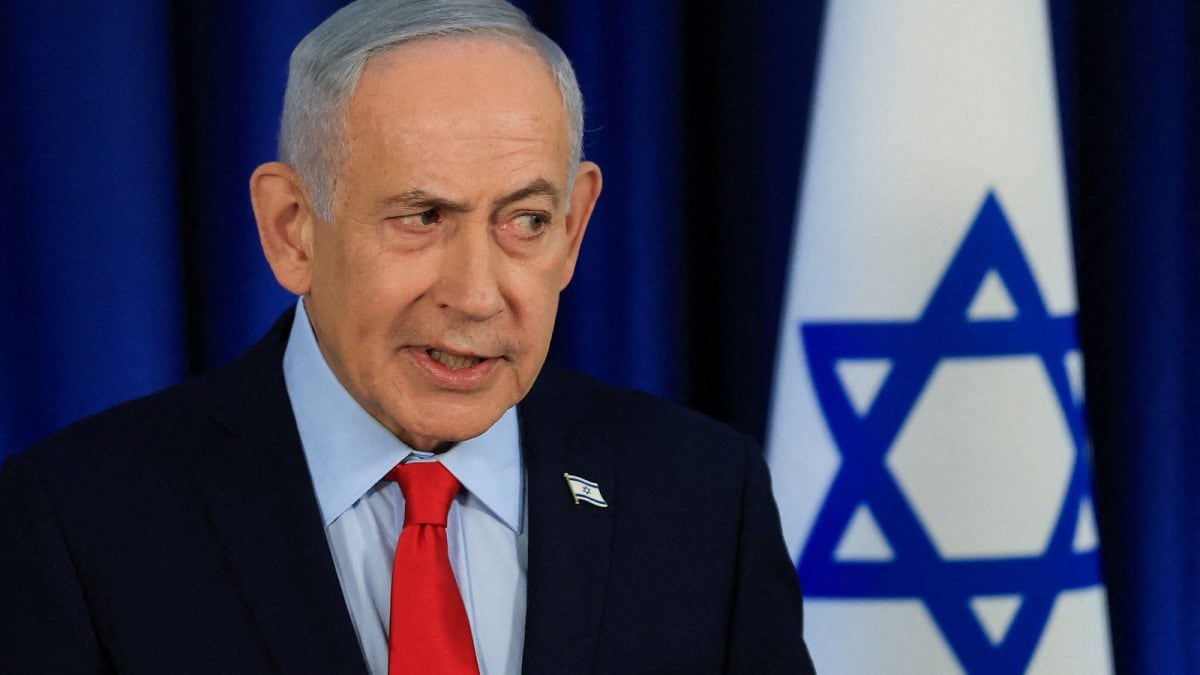
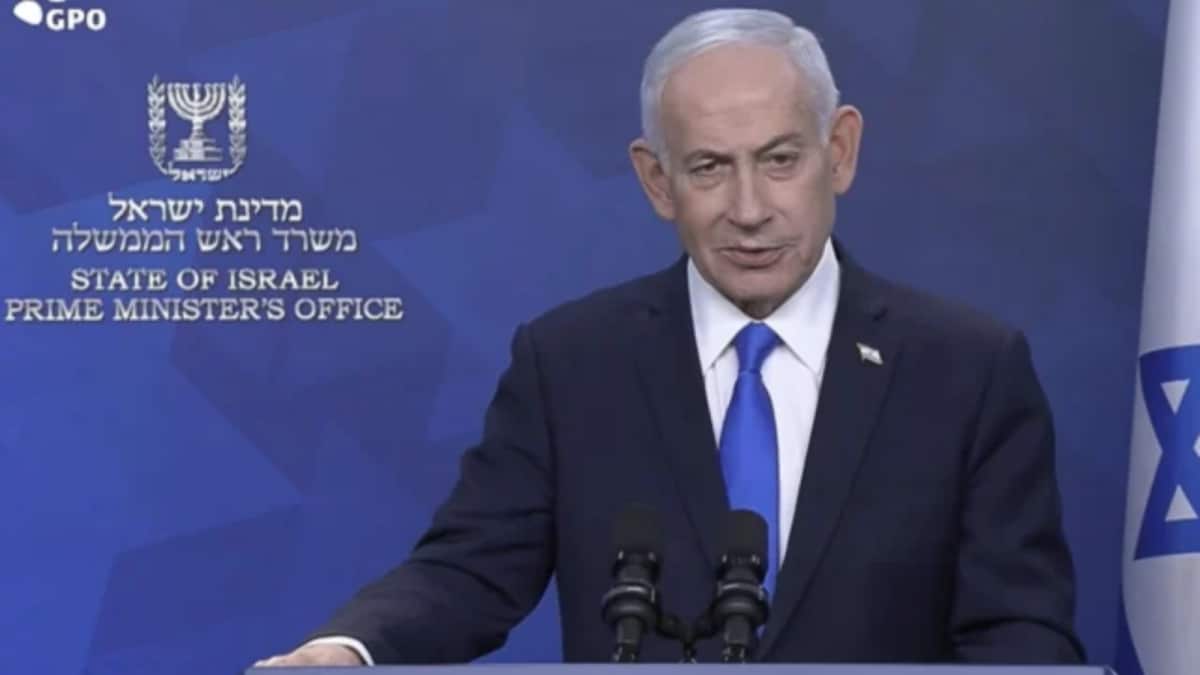
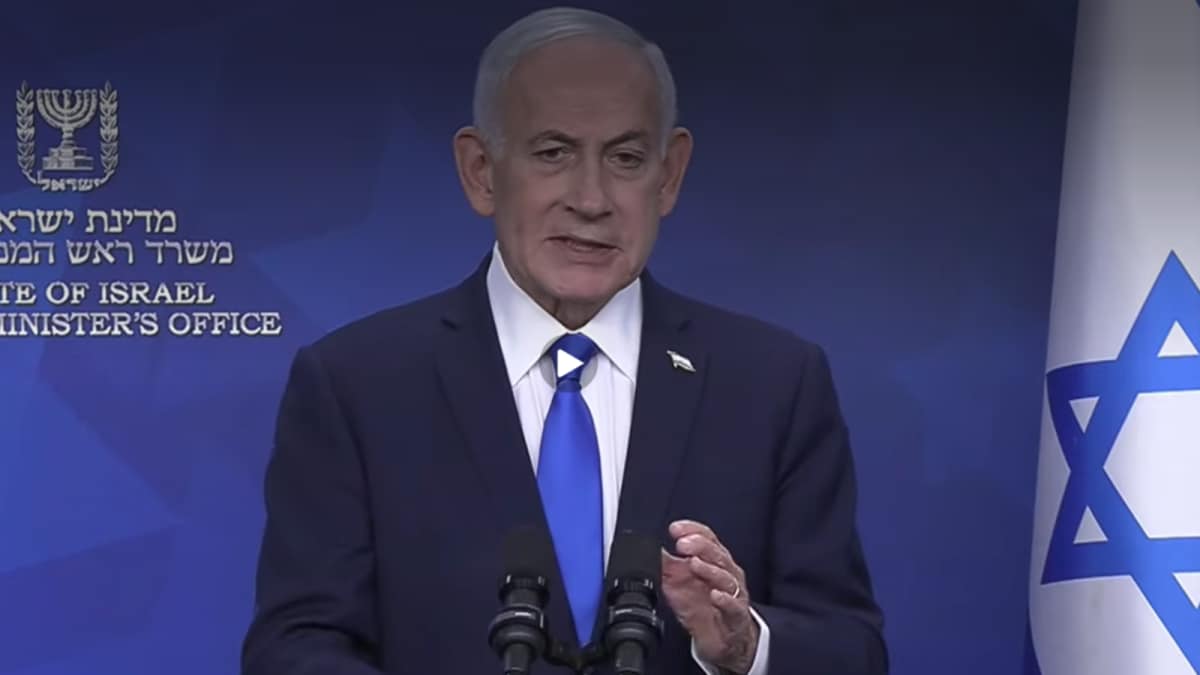
Benjamin Netanyahu reaffirmed Israel’s support for the United States‑led decision to pause strikes against Iran for two weeks. Benjamin Netanyahu emphasized that the pause applies solely to direct military actions involving the United States and Iran and does not extend to the Lebanese front. In a statement posted on X, Benjamin Netanyahu’s office clarified that Israeli operations against Hezbollah in southern Lebanon may proceed without restriction.
Iran’s Warning About Potential Ceasefire Collapse
Iran issued a sterner warning, indicating that any sustainable ceasefire must encompass an end to Israeli military activity in Lebanon. Iran has communicated that if Israel continues to breach the truce by targeting Hezbollah positions, Tehran will consider withdrawing from the two‑week arrangement. The Iranian stance links progress on a broader United States‑Iran truce to a reduction in violence along the Lebanon border.
Hezbollah’s Response to Recent Israeli Strikes
Hezbollah has claimed responsibility for limited retaliatory attacks against Israeli targets following the fresh Israeli airstrikes. Hezbollah’s statements portray the attacks as defensive measures in response to Israeli aggression, reinforcing the group’s narrative that it is protecting Lebanese territory from external incursions.
Details of the Israeli Air Campaign
The Israeli campaign targeted a series of Hezbollah installations in southern Lebanon, employing a combination of precision‑guided munitions and artillery fire. Israeli forces have reported maintaining pressure on Hezbollah positions, citing the necessity of preventing further hostile actions from the militant group. The intensity of the campaign represents the most coordinated effort by Israel in the region since the commencement of Operation Roaring Lion.
Iran’s Ten‑Point Proposal for De‑Escalation
In a documented ten‑point proposal aimed at de‑escalating the broader conflict, Iran called for an immediate halt to Israeli strikes on Hezbollah. The proposal described the Israeli actions as violations of the ceasefire framework and framed Hezbollah’s response as an act of self‑defence. Iran’s outline also tied the success of any United States‑Iran truce to tangible reductions in hostilities along the Lebanon border.
Implications for the Two‑Week Ceasefire
The exclusion of Lebanon from the ceasefire aGreement creates a parallel front where violence may continue unabated. Analysts note that the two‑week pause risks being undermined if Israeli operations in Lebanon persist, as Iran has explicitly linked its participation in the truce to the cessation of Israeli activity on the Lebanese front.
Potential Scenarios Moving Forward
If Israel maintains its current level of engagement against Hezbollah, Iran may follow through on its threat to exit the ceasefire, potentially reigniting direct confrontations between Iran and Israel. Conversely, a reduction in Israeli strikes could create space for diplomatic engagement on the Lebanon front, possibly leading to an expanded ceasefire that includes Lebanon and Hezbollah.
International Reactions and Calls for Restraint
Various international actors have urged both sides to exercise maximum restraint. Statements from multilateral bodies emphasize that continued hostilities risk destabilizing the broader regional security environment. The calls for restraint echo the sentiment that any durable peace settlement must address the underlying tensions between Israel and Hezbollah.