Israeli Diplomat Dismisses Pakistan’s Mediator Role in US‑Iran Ceasefire Talks
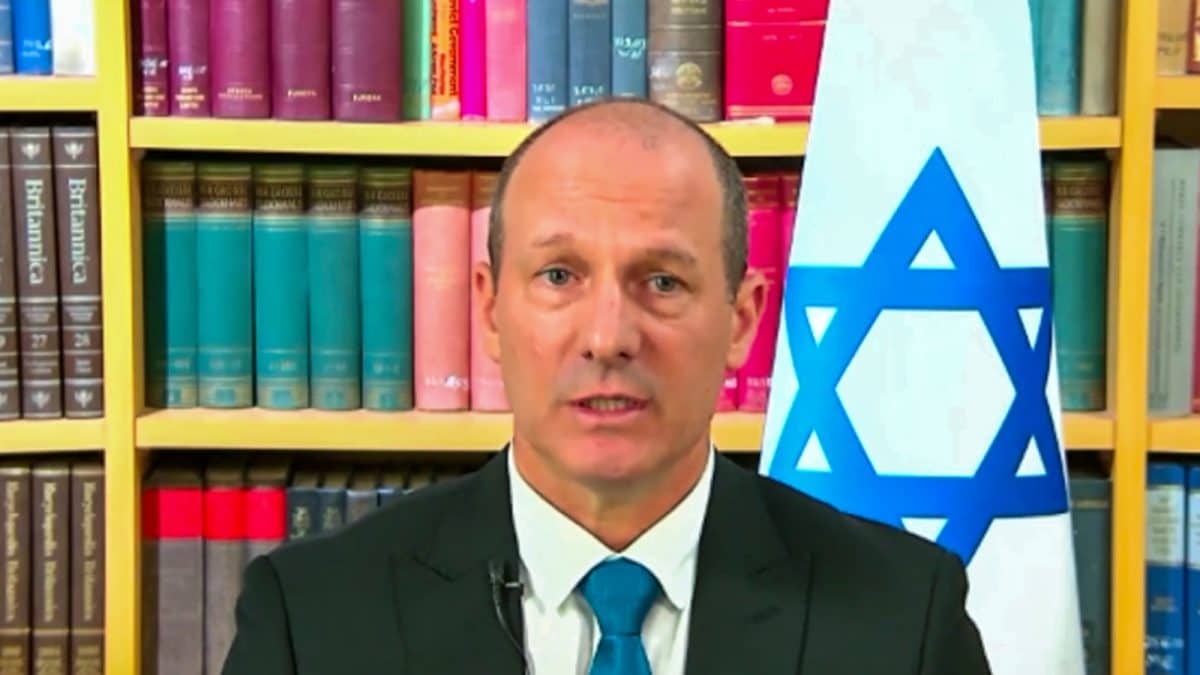
Israel’s envoy rebuffs Pakistan’s claim of a pivotal mediating role between the United States and Iran
In a candid exchange with journalists in Delhi, Reuven Azar, Israel’s Ambassador to India, voiced a stark assessment of Pakistan’s self‑appointed function in recent diplomatic efforts aimed at halting hostilities between the United States and Iran. Reuven Azar articulated that Israel does not regard Pakistan as a trustworthy or effective intermediary in the conflict.
“Israel does not see Pakistan as a credible player,” Reuven Azar asserted, emphasizing that the United States’ choice to consult Islamabad stemmed from strategic calculations distinct from any assessment of Pakistan’s mediation capacity.
Reuven Azar highlighted a pattern of United States diplomacy that has historically involved states such as Qatar and Turkey to broker aGreements, including those related to Hamas. Reuven Azar noted, “The United States has, in the past, worked through problematic states like Qatar and Turkey to achieve outcomes, including aGreements with Hamas. For Israel, what matters most is staying aligned with the United States on the substance and the objectives Israel wants to see realized.”
Pakistan’s Self‑Stated Mediation Initiative
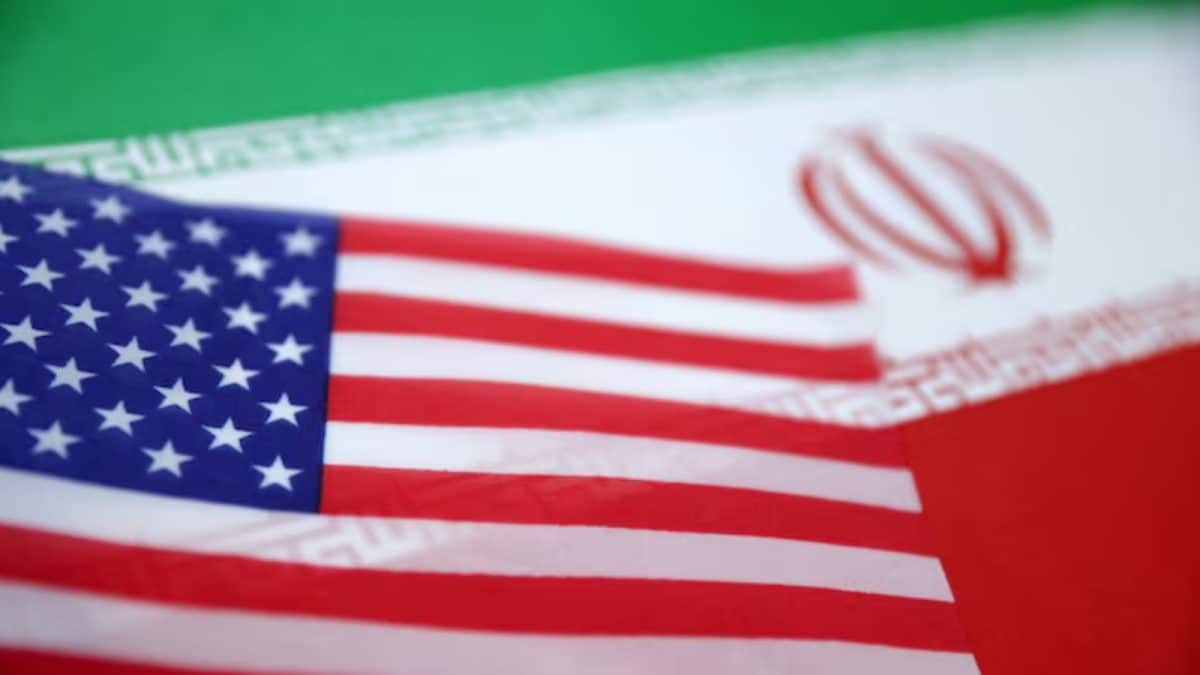
Pakistan positioned itself as a conduit for dialogue after a two‑week ceasefire between the United States and Iran was announced. Field Marshal Asim Munir, serving as Pakistan’s Army Chief, and Prime Minister Shehbaz Sharif each proclaimed roles in orchestrating a cessation of fire and setting the stage for delegation‑level negotiations on Pakistani soil.
Field Marshal Asim Munir spoke of the logistical preparations required to host diplomatic delegations, stressing the strategic importance of a neutral venue. Prime Minister Shehbaz Sharif echoed this sentiment, portraying Pakistan as a bridge capable of bringing the United States and Iran together for constructive talks.
Despite these high‑profile declarations, the narrative surrounding Pakistan’s mediation was quickly eclipsed by a social media incident involving Prime Minister Shehbaz Sharif’s post on the platform X.
The X Post Controversy
Hours before the United States announced the two‑week ceasefire, Prime Minister Shehbaz Sharif uploaded a message on X urging both Washington and Tehran to extend diplomatic engagement and seek a peaceful settlement. In the message, Prime Minister Shehbaz Sharif appealed to the United States to allow the diplomatic process additional time and asked Iran to reopen the Strait of Hormuz for a fortnight as a gesture of goodwill. Prime Minister Shehbaz Sharif also called on all involved parties to observe a temporary ceasefire to facilitate a broader diplomatic resolution.
The post ignited a controversy when users examined the edit history and observed that an earlier draft appeared to contain the line “Draft – Pakistan’s PM Message on X.” Screenshots of the purported original version circulated widely, prompting speculation about whether the final version had been independently composed by Prime Minister Shehbaz Sharif or had been heavily edited by external actors.
Online reactions ranged from amusement to criticism. One commentator wrote, “Learn to post properly first,” while another remarked, “Another prime example of why you should check before copying and pasting.” The episode added a layer of skepticism to Pakistan’s diplomatic overtures.
Reactions from Regional Actors
Reuven Azar’s dismissal of Pakistan’s mediation claim resonated with observers familiar with the complex web of South Asian and Middle Eastern diplomacy. Analysts noted that Israel’s emphasis on alignment with the United States underscores a broader strategic calculus that prioritizes shared security objectives over the inclusion of additional mediators whose reliability remains in question.
India’s foreign policy establishment, hosting Reuven Azar’s remarks, observed the exchange with measured interest, recognizing the implications for regional stability and the balance of influence among neighboring states.
Pakistan’s leadership, represented by Field Marshal Asim Munir and Prime Minister Shehbaz Sharif, maintained confidence in the country’s capacity to serve as a neutral platform, citing historical precedents of successful third‑party facilitation in South Asian conflicts.
Strategic Context and Implications
The United States’ decision to involve Pakistan in ceasefire negotiations reflects a nuanced approach that seeks to leverage geographic proximity, existing diplomatic channels, and the potential for a South Asian venue to host talks away from traditional Middle Eastern arenas. However, Reuven Azar’s comments suggest that Israel remains cautious about extending trust to a mediator whose track record does not align with Israel’s security expectations.
Israel’s historic reliance on a limited set of partners for mediating sensitive regional disputes emphasizes the importance Israel places on predictability and strategic alignment. Reuven Azar’s observations indicate that, while the United States may pursue broader diplomatic outreach, Israel will continue to prioritize coordination with partners that share its core objectives.
Pakistan’s aspiration to be perceived as a constructive player on the international stage is evident in the statements made by Field Marshal Asim Munir and Prime Minister Shehbaz Sharif. The social media controversy, however, illustrates the challenges that arise when high‑profile diplomatic messaging intersects with public scrutiny and digital forensics.
Conclusion
Reuven Azar’s articulation that Pakistan lacks credibility as a mediator underscores a divergence of perspectives among key regional actors regarding the optimal pathway to a lasting ceasefire between the United States and Iran. While the United States appears willing to explore a wider array of diplomatic partners, Israel’s stance, as voiced by Reuven Azar, remains anchored in a desire for alignment with partners whose reliability it can vouch for.
The episode surrounding Prime Minister Shehbaz Sharif’s X post adds a layer of complexity to Pakistan’s diplomatic overtures, highlighting the intricate interplay between public communication, online perception, and the execution of high‑stakes foreign policy. As negotiations continue, the contrasting assessments from Reuven Azar and Pakistan’s leadership will shape the narrative surrounding the role, if any, that Pakistan will ultimately play in facilitating dialogue between the United States and Iran.
Stakeholders across the region will watch closely to see whether the diplomatic overtures evolve into tangible progress or remain symbolic gestures constrained by questions of credibility and strategic alignment.