JD Vance Heads US Delegation for Iran Negotiations in Pakistan, White House Announces
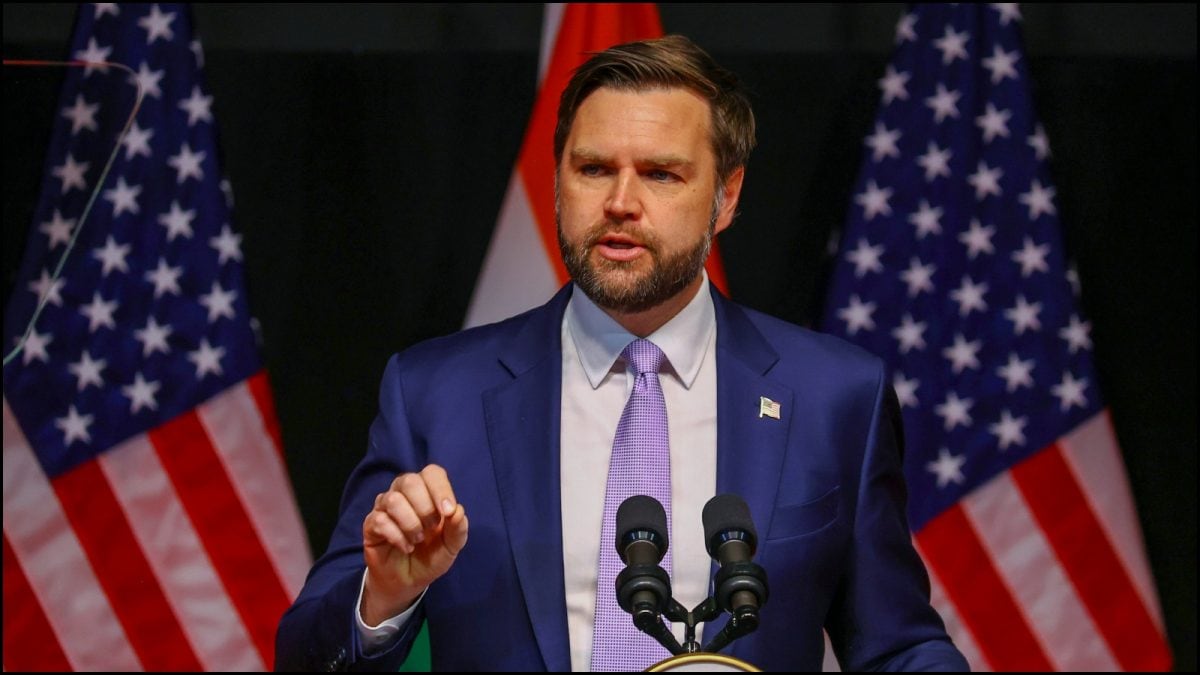
JD Vance, Steve Witkoff, and Jared Kushner will travel to Islamabad as part of the United States negotiating team.
US‑Iran‑Israel Conflict: JD Vance will lead the United States delegation that travels to Islamabad for peace talks with Iran, according to a statement delivered by Karoline Leavitt, the White House press secretary.
During a press briefing, Karoline Leavitt clarified that President Donald Trump is dispatching a specially assembled negotiating team to Pakistan. The team will be headed by JD Vance and will include Steve Witkoff, who serves as the United States Special Envoy, and Jared Kushner, who holds the position of Senior Advisor to President Donald Trump.
Karoline Leavitt announced, "The President is sending his negotiating team, led by JD Vance, accompanied by Steve Witkoff and Jared Kushner, to Islamabad for discussions this weekend. The first round of in‑person meetings is scheduled for Saturday morning, local time, and the United States looks forward to constructive dialogue."
When questioned about security considerations for JD Vance's travel to Pakistan, Karoline Leavitt responded that the United States administration places complete confidence in the United States Secret Service to ensure the safety of JD Vance, Steve Witkoff, and Jared Kushner throughout the mission.
According to state media from Tehran, the Iranian delegation is expected to be headed by Mohammad Bagher Ghalibaf, who serves as the Speaker of the Iranian Parliament. The Iranian delegation will also be joined by Abbas Araghchi, who holds the portfolio of Foreign Minister for the Islamic Republic of Iran.
Reports from Tehran's media indicate that Iranian officials prefer JD Vance to act as the chief negotiator for the United States, expressing criticism toward Steve Witkoff and Jared Kushner for allegedly misrepresenting Tehran's positions. Within United States circles, JD Vance is recognized as one of the few senior officials who have publicly opposed the initiation of a full‑scale war against Iran.
This diplomatic engagement represents the highest‑level contact between the United States and Iran since the 1979 Islamic Revolution. The negotiations occur at a pivotal moment, as the cease‑fire arrangement between the two sides approaches a critical juncture that could either stabilize the region or trigger a renewed escalation of hostilities.
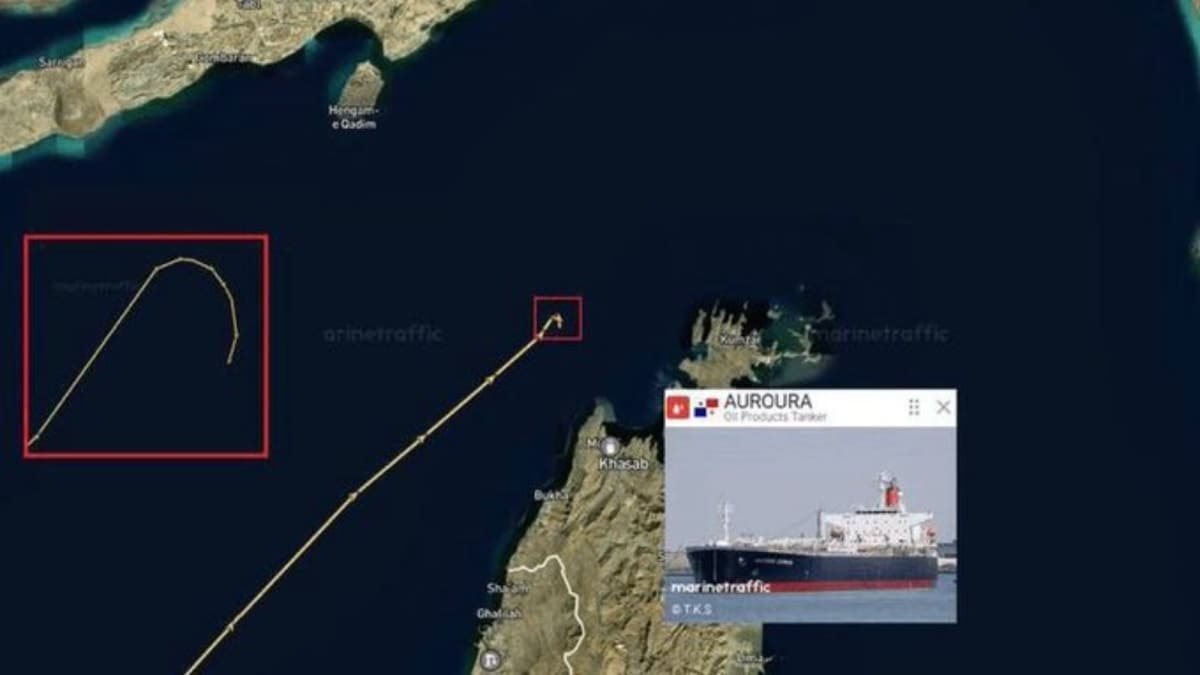
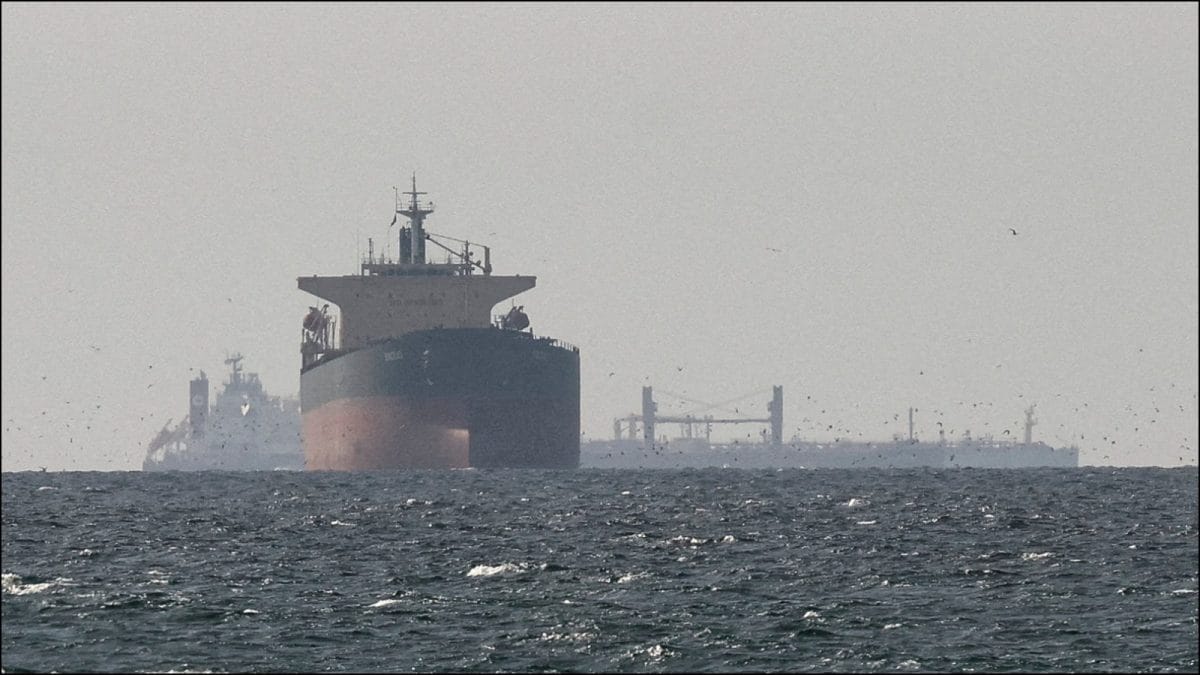
The talks follow President Donald Trump's public declaration of a two‑week cease‑fire, contingent upon Iran’s aGreement to a "complete, immediate, and safe opening" of the Strait of Hormuz. Pakistan has been tasked with mediating the discussions and providing a neutral venue for the delegations.
President Donald Trump communicated on his social platform that "Subject to the Islamic Republic of Iran aGreeing to the COMPLETE, IMMEDIATE, and SAFE OPENING of the Strait of Hormuz, the President aGrees to suspend the bombing and attack of Iran for a period of two weeks." This statement set the parameters for the temporary pause in hostilities.
As of the latest updates, the cease‑fire appears to be holding, with both the United States and Iran reporting compliance with the aGreed‑upon pause. Iranian officials have signaled, however, that a durable peace settlement will depend on the outcome of further negotiations covering broader strategic issues.
One of the immediate outcomes of the cease‑fire is Iran’s brief reopening of the Strait of Hormuz, an action that has contributed to a stabilization of global oil markets and sparked a modest rally in international financial markets. Nonetheless, several core disputes remain unresolved, including the scope of United Nations sanctions on Iran, the status of Iran’s nuclear program, and the long‑term governance of maritime traffic through the Strait of Hormuz.
Beyond the immediate tactical considerations, the negotiations underscore a broader geopolitical context. The United States, under President Donald Trump, has pursued a policy that seeks to combine diplomatic pressure with strategic deterrence, aiming to limit Iran’s regional influence while avoiding a full‑scale military confrontation.
Steve Witkoff, as the United States Special Envoy, brings experience from previous diplomatic missions in the Middle East, and will be responsible for coordinating the technical aspects of the talks, including verification mechanisms related to the Strait of Hormuz opening.
Jared Kushner, serving as Senior Advisor to President Donald Trump, will provide strategic counsel to JD Vance and will be involved in shaping the United States’ long‑term posture toward Iran, taking into account regional alliance considerations and the United States’ broader security objectives.
Mohammad Bagher Ghalibaf, as the Speaker of the Iranian Parliament, is expected to articulate Iran’s legislative perspective on the cease‑fire terms, while Abbas Araghchi, as Foreign Minister, will handle the diplomatic language that governs the interaction with the United States delegation.
The United States delegation’s itinerary includes multiple rounds of dialogue, starting with an opening session in Islamabad where JD Vance will present the United States’ conditions for a sustained opening of the Strait of Hormuz. Subsequent sessions will address the mechanisms for monitoring compliance and will explore confidence‑building measures that could pave the way for a more comprehensive aGreement.
Both delegations have emphasized the importance of maintaining open channels of communication throughout the negotiation process. JD Vance, in particular, has highlighted the need for “clear, transparent, and verifiable steps” that will assure both parties of mutual adherence to the cease‑fire terms.
From a strategic standpoint, the United States views the successful reopening of the Strait of Hormuz as a critical component of global energy security. The waterway channels a significant percentage of the world’s petroleum supplies, and any disruption would have far‑reaching economic consequences.
Iran, on its side, seeks assurances that the United States will lift or ease sanctions that have impacted its economy, while also securing recognition of its right to develop nuclear technology for peaceful purposes, a point that has been a longstanding source of contention in United Nations deliberations.
The upcoming meetings in Islamabad are being closely monitored by regional actors, including Saudi Arabia, the United Arab Emirates, and Israel, all of which have vested interests in the outcome of the United States‑Iran dialogue. While these countries are not direct participants in the Islamabad talks, their diplomatic channels are expected to provide ancillary input that could influence the final aGreement.
Analysts suggest that the presence of high‑level figures such as JD Vance, Steve Witkoff, and Jared Kushner signals the United States’ commitment to a negotiated settlement, rather than a reliance solely on military pressure. The inclusion of Mohammad Bagher Ghalibaf and Abbas Araghchi illustrates Iran’s willingness to engage at a senior political level.
In addition to the core issues of maritime access and sanctions, the United States delegation is expected to raise concerns about Iran’s support for proxy groups across the Middle East. JD Vance is anticipated to request concrete steps from Tehran to curtail activities that the United States deems destabilizing to regional security.
Conversely, Iran’s delegation, led by Mohammad Bagher Ghalibaf and Abbas Araghchi, is likely to demand a reciprocal easing of United States‑led pressures, including the removal of anti‑Iranian legislation that restricts trade and financial flows.
Both sides have indicated a desire to keep the negotiations private, at least during the early phases, to avoid premature public scrutiny that could derail delicate compromises. Nevertheless, the White House has pledged to provide periodic updates through official channels, with Karoline Leavitt serving as the primary spokesperson.
Should the Islamabad talks result in a durable framework, the United States has signaled that it would be prepared to extend the cease‑fire beyond the initial two‑week period, contingent upon verification of Iran’s compliance with the aGreed‑upon maritime opening.
In the event that the negotiations reach an impasse, both JD Vance and President Donald Trump have asserted that the United States retains the option to resume military operations, though such a decision would be weighed against the potential for wider regional destabilization.
Overall, the upcoming diplomatic mission underscores a critical moment in United States‑Iran relations, with JD Vance, Steve Witkoff, and Jared Kushner playing central roles in shaping a possible pathway toward de‑escalation and renewed dialogue.