Unlock a Spotless Microwave in Five Minutes with This Steam Trick
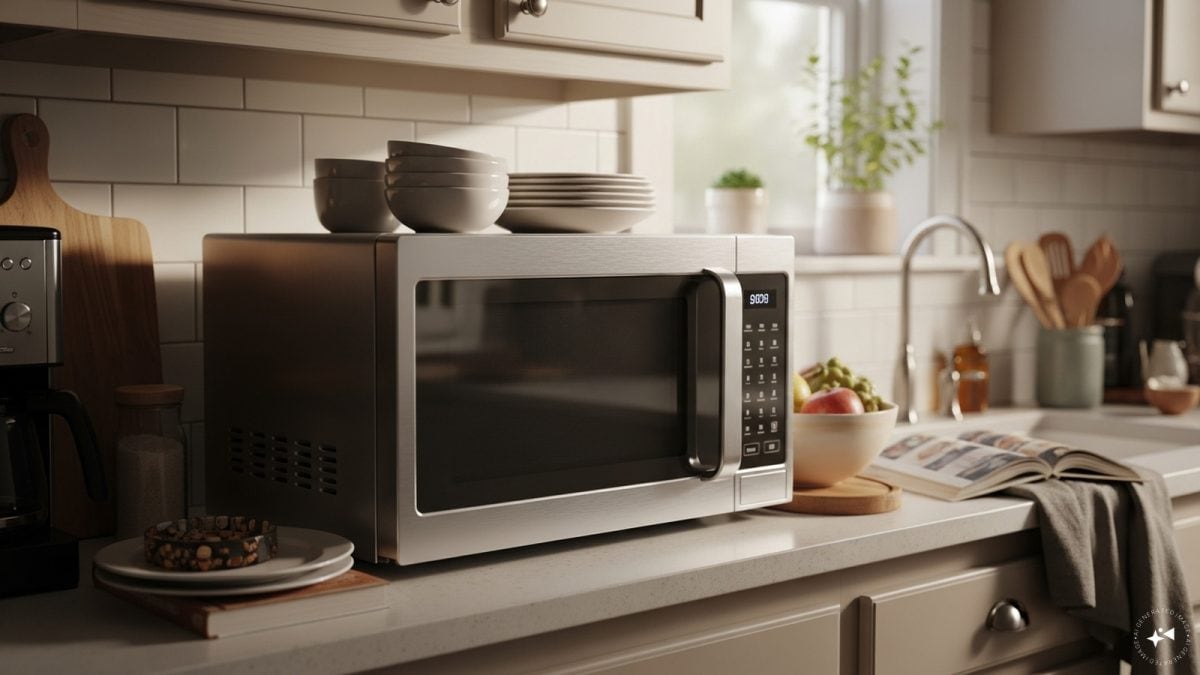
This simple, natural hack uses steam to loosen grime effortlessly.
Every household microwave gathers splatters, dried sauces, and stubborn stains over time. Conventional cleaning often calls for abrasive cleaners, scrubbers, or the tedious task of scraping away softened residue. The method described here replaces those steps with a natural, low‑effort process that relies solely on steam generated inside the microwave. By filling a microwave‑safe container with a modest amount of water, heating it for a short interval, and allowing the resulting vapor to work its magic, grime that once clung stubbornly to walls and the turntable becomes soft enough to wipe away with a simple cloth. The entire cycle, from start to finish, consumes roughly five minutes, making it an ideal quick‑fix for busy kitchens.
Why Steam Works: The Science Behind the Hack
When water is heated, it transitions from a liquid state to a gaseous state, creating steam. Steam carries heat energy far more efficiently than hot air because water vapor has a higher specific heat capacity. As the steam circulates within the microwave cavity, it transfers that heat directly to food particles, sauces, and dried splatters that adhere to surfaces. The elevated temperature of the moisture penetrates the microscopic pores of grime, loosening the molecular bonds that hold particles to the enamel coating of the microwave interior. This process does not rely on chemical agents; instead, it uses pure thermal energy to soften residue, allowing a gentle wipe to remove it without scratching or damaging the surface.
The effectiveness of steam stems from two key factors. First, the enclosed environment of a microwave traps the vapor, ensuring that it remains in contact with the interior walls for the entire heating period. Second, the microwave’s own electromagnetic field heats the water molecules directly, producing steam quickly and evenly. The combination of rapid vapor generation and sustained contact creates an ideal cleaning environment that turns a cluttered microwave into a gleaming appliance.
Step‑by‑Step Guide to a Five‑Minute Microwave Clean
- Gather a microwave‑safe bowl or cup. Choose a container that can withstand the heat generated by the microwave. Ceramic, glass, or microwave‑safe plastic work well. The container should be large enough to hold one to two cups of water without spilling.
- Measure water. Pour approximately one cup of water into the chosen container. The exact volume is not critical; the goal is to produce enough steam to fill the cavity.
- Place the container inside the microwave. Center the container on the turntable so that the water is evenly heated.
- Heat for three minutes. Activate the microwave at full power and let it run for about three minutes. During this period, the water will come to a boil, and steam will begin to fill the interior. The three‑minute duration is sufficient to generate a dense cloud of vapor while keeping the total cycle under five minutes.
- Allow the steam to sit. Once the timer ends, keep the microwave door closed for an additional one to two minutes. This pause lets the steam continue to work on grime, ensuring that dried particles become thoroughly softened.
- Remove the container carefully. Open the microwave door slowly to avoid a sudden rush of hot steam. Use a kitchen towel or oven mitts to lift the hot container, placing it on a heat‑proof surface.
- Wipe the interior. Take a soft, lint‑free cloth, a sponge, or a paper towel and begin wiping the walls, ceiling, floor, and turntable of the microwave. The grime that was previously stuck should lift away with minimal effort. For stubborn patches, a gentle circular motion can help release remaining residue.
- Dry and finish. Use a dry portion of the cloth or a fresh paper towel to remove any remaining moisture. The microwave is now ready for use, looking clean and fresh.
The entire routine, from preparation to the final wipe, comfortably fits within a five‑minute window, making it a practical solution for daily kitchen maintenance.
Safety Considerations While Using Steam
Although the steam method relies on simple household items, it is essential to follow safety guidelines to prevent burns or damage. Always use a microwave‑safe container; metal or containers with metallic trim can cause arcing and damage the appliance. When removing the hot container, protect hands with a towel or mitt, as the water inside may be near boiling temperature. Opening the microwave door immediately after heating releases a burst of hot vapor; pausing for a brief moment reduces the risk of steam burns. Finally, ensure that the microwave interior is completely dry after wiping to avoid streaks or residual moisture that could affect subsequent cooking cycles.
Benefits of the Natural Steam Approach
- No chemical cleaners required. The method uses only water, eliminating the need for harsh detergents or commercial degreasers that may leave residues or strong odors.
- Gentle on surfaces. Steam lifts grime without abrasive scrubbing, preserving the enamel coating of the microwave interior and extending the lifespan of the appliance.
- Time‑efficient. Completing the whole process in approximately five minutes fits easily into a busy schedule.
- Cost‑effective. The only required resource is tap water, making the routine inexpensive.
- Environmentally friendly. By avoiding disposable cleaning wipes and chemical solutions, the steam hack reduces waste and chemical runoff.
Common Questions About the Five‑Minute Microwave Hack
Will the steam remove burnt-on food?
Steam can significantly soften burnt residues, especially if the burnt material is not deeply charred. For heavily carbonized spots, a second steam cycle or a brief manual scrape with a non‑abrasive tool may be necessary, but the majority of everyday splatters become easy to wipe away after the initial steam session.
Can I add lemon or vinegar to the water?
The core technique relies on steam alone; adding lemon, vinegar, or other aromatics does not enhance the steam’s cleaning power. However, if a pleasant scent is desired, a few drops of lemon juice can be mixed with the water without changing the fundamental fact that steam is the primary cleaning agent.
Is it safe to use this method daily?
Because the routine uses only water and avoids chemicals, it is safe for frequent use. Repeating the process regularly prevents buildup, keeping the microwave interior consistently clean.
What type of cloth works best?
A soft, lint‑free microfiber cloth or a non‑scratching sponge provides the best results. These materials are gentle on the surface while effectively picking up loosened grime.
Top Videos
Swipe Left For Next Video