Iran Crafts Diplomatic Reply, Dismisses U.S. Fifteen‑Point Initiative and Labels Isfahan Strike a Uranium Heist Plot
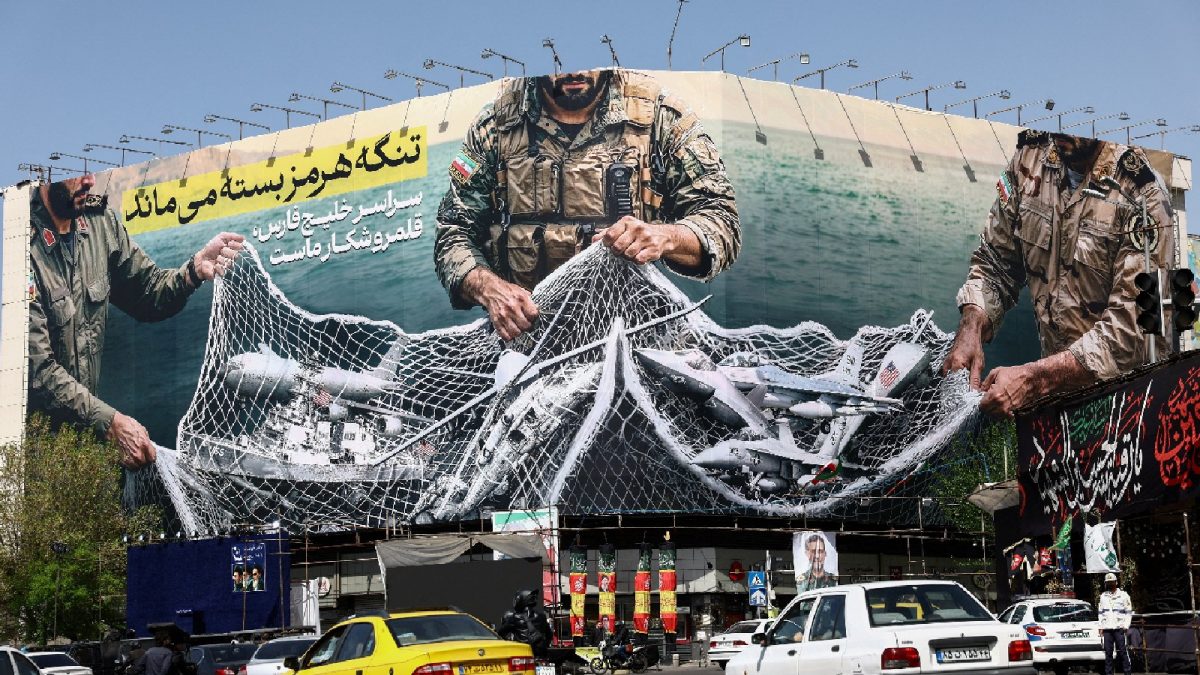
Iran Announces Draft of Formal Diplomatic Response
Iran has confirmed that a formal diplomatic response to the latest set of proposals conveyed by the United States through intermediary channels is now complete. The response, according to the Foreign Ministry spokesperson Esmail Baghaei, reflects a collection of demands that are anchored in Iran’s strategic interests and non‑negotiable red lines.
Esmail Baghaei stated, "Based on Iran’s own interests and considerations, Iran has codified Iran’s demands, and Iran will communicate Iran’s position at the appropriate moment." This declaration underscores Iran’s intention to present a meticulously prepared position before any further dialogue proceeds.
The timing of Iran’s announcement coincides with widespread reporting of a United States‑backed proposal that has been described in international media as a fifteen‑point plan aimed at ending the ongoing hostilities. Iran’s foreign ministry has categorically rejected the plan, labeling it as "extremely ambitious, unusual, and illogical."
Esmail Baghaei further emphasized that Iran’s swift articulation of its standpoint should not be interpreted as a sign of weakness or capitulation. "Presenting Iran’s views promptly and clearly must not be taken as an indication of surrender," Esmail Baghaei asserted.
Accusations Concerning the Isfahan Operation
Iran has leveled serious accusations against the United States, claiming that a recent military maneuver in the city of Isfahan was a covert attempt to seize nuclear material. The Foreign Ministry argued that the operation could not be dismissed as a routine strike and suggested that the United States might have intended to pilfer enriched uranium.
According to the Foreign Ministry, the possibility that the Isfahan operation was a deception intended to obtain uranium “cannot be ruled out.” The ministry described the episode as a “disaster” for the United States and an “embarrassment” that should prompt the United States to reassess its tactics.
Iran’s armed forces echoed the diplomatic condemnation, characterising the Isfahan mission as a “deception and escape operation” that was thoroughly foiled. The military further insinuated that United States President Donald Trump sought refuge behind misleading actions after experiencing setbacks on the battlefield.
Esmail Baghaei highlighted lingering uncertainties surrounding the operation. He noted that the area in Kohgiluyeh and Boyer‑Ahmad Province where the United States claimed its pilot was present is “a long way from the area where the United States attempted to land or intended to land its forces in central Iran.” This geographic discrepancy, according to Esmail Baghaei, reinforces the notion that the operation may have been a deceptive ploy.
"The possibility that this was a deception operation to steal enriched uranium should not be ignored at all," Esmail Baghaei declared, reiterating Iran’s stance that the United States’ actions were both reckless and strategically unsound.
Rejection of a Temporary Ceasefire and Assertion of a Hard Line
Iran has also rebuffed proposals for a temporary ceasefire, arguing that such a pause would merely serve as a prelude to renewed hostilities. The Foreign Ministry articulated that a temporary cessation of fighting would effectively amount to "preparing to resume the crime," and emphasized that Iran seeks an unequivocal end to all combat operations, accompanied by guarantees that the conflict will not recur.
In addition to dismissing the ceasefire concept, Iran accused the United States of abandoning diplomatic avenues. The Foreign Ministry claimed that recent United States actions demonstrate a clear intention to remove diplomacy from the negotiation agenda, thereby undermining any prospects for a peaceful resolution.
Esmail Baghaei warned that any suggestion of a limited pause in fighting would be interpreted by Iran as a strategic maneuver by the United States to regroup and launch further aggression. Iran’s position remains steadfast: only a comprehensive, durable settlement that addresses Iran’s core security concerns will be deemed acceptable.
Summary of Iran’s Stated Demands and Red Lines
While Iran has not disclosed the full list of its demands, the Foreign Ministry conveyed that the demands are anchored in Iran’s sovereign interests and are non‑negotiable. The statements from Esmail Baghaei indicate that Iran’s forthcoming diplomatic communication will outline these demands in detail, providing a framework for any future negotiations.
Key elements of Iran’s position, as extrapolated from the public statements, include:
- A firm guarantee that any settlement will not compromise Iran’s nuclear programme or its right to peaceful nuclear development.
- Recognition by the United Nations’s ally of Iran’s territorial integrity and sovereignty.
- An unequivocal end to any military operations targeting Iranian infrastructure, particularly those alleged to be aimed at nuclear facilities.
- A commitment to a durable, not merely temporary, cessation of hostilities.
- Assurances that diplomatic channels will remain open and will not be sidelined by unilateral actions.
Iran’s articulation of these points signals a determination to engage on its own terms, emphasizing that any compromise must respect Iran’s red lines.