Iran Signals Conditional Limited Opening of Hormuz Ahead of US‑Iran Talks in Pakistan
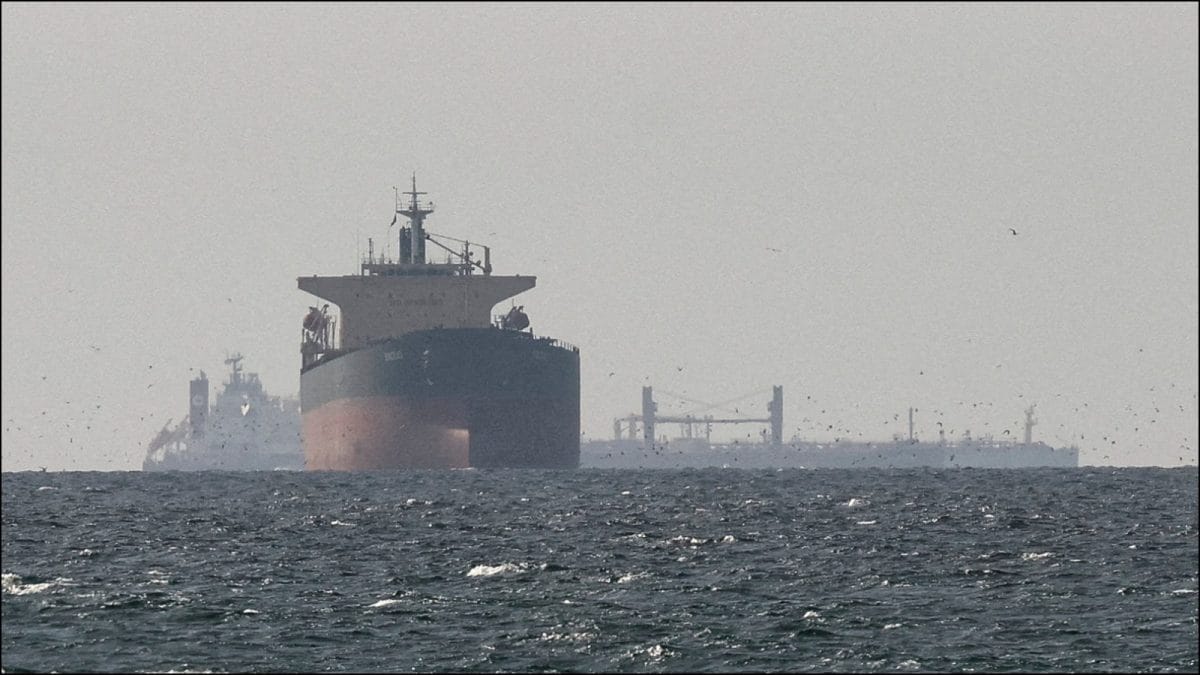
The Iranian senior official’s remarks suggest a possible, tightly‑controlled reopening of the waterway contingent upon a diplomatic understanding.
Background and Strategic Importance
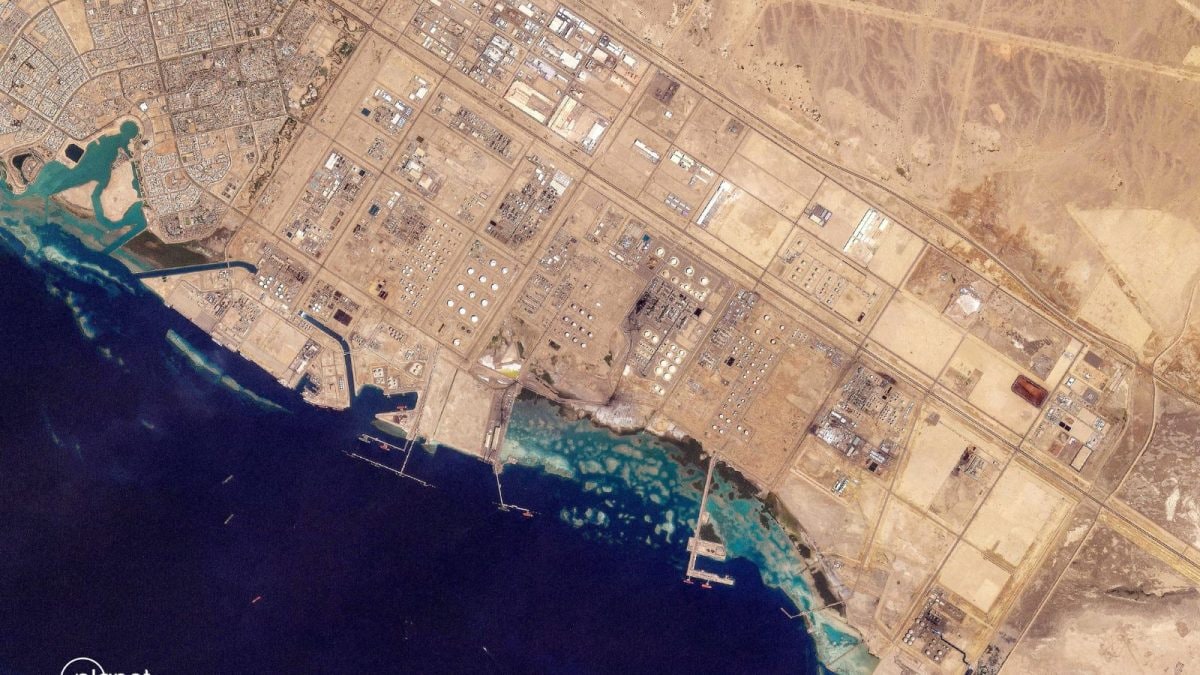
The Strait of Hormuz occupies a central place in global maritime routes, linking the Persian Gulf with the broader oceanic network. Because a substantial share of the world’s petroleum passes through this narrow passage, any alteration in its status reverberates across international markets and diplomatic circles. The corridor’s strategic relevance amplifies the weight of any announcement concerning its accessibility, particularly when made by an official representing Iran, the nation that exercises primary authority over the strait.
Within this context, statements about a limited opening acquire heightened significance. They imply not only a shift in the operational posture of the Iranian authorities but also a tentative step toward de‑escalation in a region where tensions have periodically resurfaced. The timing of the remarks, aligning with a forthcoming bilateral discussion in Pakistan, further underscores their diplomatic nuance.
The Iranian Official’s Declaration
In an interview with the news outlet Gree, a senior figure from Iran conveyed that the nation could permit the Strait of Hormuz to function on a restricted basis as early as Thursday or Friday, preceding a high‑level meeting between United States and Iranian representatives scheduled to take place in Pakistan. The spokesperson emphasized that any such allowance would be “under Iran’s control,” underscoring the central role Iran intends to maintain over maritime movements in the area.
The official articulated that the limited reopening would hinge on the achievement of an understanding regarding a framework for forthcoming talks. In essence, the Iranian side signaled that diplomatic progress could translate directly into operational adjustments on the waterway, linking the two arenas in a cause‑and‑effect relationship.
Conditions Governing a Limited Opening
The proposed limited operation is not envisioned as a blanket restoration of normal traffic. Instead, the Iranian official outlined a set of conditions that would define the scope and character of the reopening. Central among these is the stipulation that all vessels navigating the strait must coordinate directly with the Iranian military. This requirement reflects Iran’s desire to maintain real‑time oversight of maritime activity, ensuring that each ship’s passage aligns with the parameters set by Iranian authorities.
Such coordination is expected to involve communications protocols, pre‑registration of vessels, and adherence to prescribed transit windows. While the exact mechanics were not detailed, the emphasis on mandatory military liaison suggests a tightly monitored environment, designed to mitigate risks and preserve the fragile equilibrium that currently exists.
Ceasefire Fragility and the Pursuit of Peace
When pressed on the broader security landscape, the Iranian representative acknowledged that the ceasefire in place remains delicate. The official expressed a clear preference for a durable peace, indicating that the limited opening of the strait could serve as a confidence‑building measure within a larger diplomatic framework.
Nevertheless, the spokesperson conveyed a resolute tone, stating that Iran does not fear reverting to armed confrontation should the United States pursue a course perceived as hostile. This dual messaging—advocating peace while retaining the option of renewed hostilities—mirrors a strategic posture aimed at preserving flexibility while encouraging constructive dialogue.
Implications for International Shipping
Even a constrained reopening of the Strait of Hormuz would have material implications for commercial shipping. Vessels that meet the coordination requirements could anticipate a narrowly defined passage, potentially reducing the need for longer, alternative routes that add time and cost. However, the limited nature of the allowance means that not all ships would automatically benefit; eligibility would be determined by compliance with the outlined protocols.
The broader maritime community is likely to monitor the development closely, weighing the operational benefits against the uncertainties inherent in a situation where the ceasefire’s stability is described as fragile. Shipping companies may adjust itineraries accordingly, balancing risk management considerations with the opportunity to maintain more direct access to the Persian Gulf’s resources.
Anticipated United States‑Iran Dialogue in Pakistan
The prospective meeting in Pakistan, involving senior officials from the United States and Iran, serves as the diplomatic backdrop against which the Iranian official’s comments were made. While specific agenda items were not disclosed, the reference to a “framework for talks” suggests that the parties aim to establish a baseline set of principles that could guide subsequent negotiations.
By linking a possible limited opening of the strait to the outcome of these talks, Iran signals that tangible concessions on the maritime front are contingent upon progress in the broader diplomatic arena. This approach positions the strait as both a bargaining chip and a barometer of mutual confidence.
Historical Context of Iranian Control
Iran’s longstanding authority over the Strait of Hormuz has meant that any decision to alter its operational status carries weight beyond the immediate geographic region. Historically, Iran has exercised the right to regulate ship movements, citing security concerns and sovereign prerogatives. The current statement reaffirms that tradition, emphasizing that any limited opening would occur “under Iran’s control” and would necessitate direct coordination with Iranian military forces.
This reiteration underscores Iran’s intention to preserve its strategic leverage while simultaneously offering a measured concession that could facilitate diplomatic outreach.
Potential Scenarios Moving Forward
Given the conditional nature of the Iranian announcement, several scenarios emerge. In the most optimistic view, the United States and Iran could reach a consensus on the negotiation framework, leading to the implementation of the limited opening as described. This would allow a subset of commercial vessels to transit the strait under monitored conditions, thereby easing some of the pressure on global shipping routes.
Alternatively, if the parties fail to secure an understanding, the strait could remain closed to most traffic, compelling ships to seek alternative passages. The fragile ceasefire would continue to shape the environment, with the possibility of renewed hostilities remaining a factor in strategic calculations.
Conclusion
The senior Iranian official’s remarks outline a carefully calibrated proposition: a limited, Iran‑controlled reopening of the Strait of Hormuz contingent upon progress in diplomatic negotiations with the United States in Pakistan. By mandating coordination with the Iranian military for all vessels and emphasizing the delicate nature of the existing ceasefire, Iran signals both willingness to engage constructively and readiness to resume conflict if provoked.
The international community, particularly stakeholders reliant on the uninterrupted flow of maritime trade through the strait, will be watching the outcome of the upcoming talks closely. The eventual decision on whether a limited opening materializes will hinge on the ability of both sides to forge a mutually acceptable framework, a task that requires balancing strategic interests, security concerns, and the broader desire for lasting peace.