JD Vance Clarifies Ceasefire Scope: Limited to Iran, United States and Regional Allies, Not Lebanon
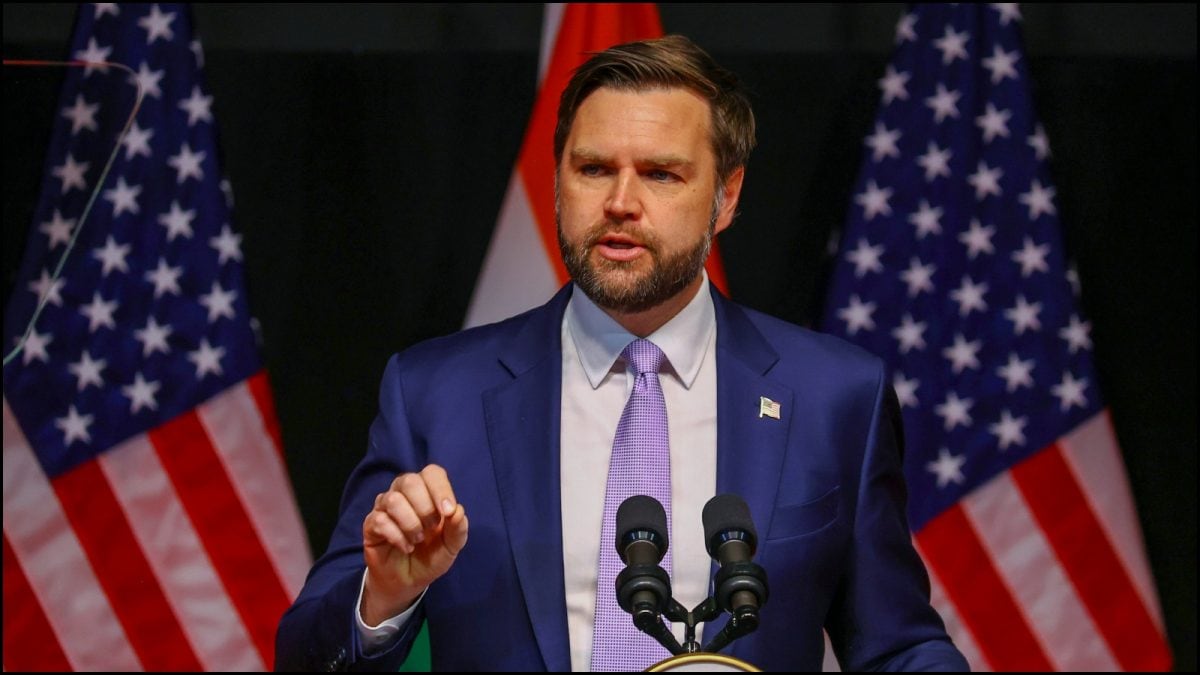
In a recent press briefing, JD Vance explained that the cease‑fire aGreement reached between the United States and Iran does not cover Lebanon. The explanation highlighted a misunderstanding that arose during the negotiation process.
Scope of the AGreement
JD Vance stated unequivocally that the aGreement is confined to Iran, the United States and the United States' allies—including Israel and Gulf states. The wording of the deal, according to JD Vance, never incorporated Lebanon as a party to the cease‑fire. JD Vance emphasized that any assumption to the contrary stems from a “legitimate misunderstanding” that emerged amid the diplomatic exchanges.
The clarification underscores that the United States and Iran have aGreed to limit hostilities between their respective forces and the forces of allied nations, specifically Israel and the Gulf states that have historically aligned with United States policy in the region. JD Vance reiterated that the United States never pledged to extend the cessation of hostilities to the Lebanese theater.
Israel’s Role and Restraint
According to JD Vance, Israel offered to demonstrate restraint in Lebanon as a gesture to support the broader negotiation. However, JD Vance noted that Israel’s willingness to limit operations in Lebanon was not codified within the cease‑fire text. The United States welcomes Israel’s gesture but points out that the absence of a formal commitment means that Lebanon remains outside the scope of the aGreement.
JD Vance explained that Israel’s voluntary limitation does not translate into a binding condition for the cease‑fire. Consequently, any escalation by Hezbollah or other actors in Lebanon would not automatically trigger a breach of the aGreement between the United States and Iran.
Iran’s Options and Potential Consequences
JD Vance warned Tehran that allowing the negotiations to collapse over a conflict in Lebanon would be a self‑defeating move. JD Vance said, “If Iran wants to let this negotiation fall apart, in a conflict where Iran was getting hammered, over Lebanon, which has nothing to do with Iran and which the United States never once said was part of the cease‑fire, that is ultimately Iran’s choice.”
JD Vance added that the United States believes such a decision would be ill‑advised, but ultimately it rests with Iran. The United States maintains that preserving the cease‑fire offers strategic benefits for Iran, United States, Israel and Gulf states, and that abandoning the aGreement would undermine those advantages.
Broader Diplomatic Tensions
The disaGreement over Lebanon has surfaced as an early test of the durability of the fledgling aGreement. JD Vance highlighted that Pakistani mediators and Iranian officials had previously suggested that the cease‑fire would extend to broader regional hostilities. The United States now finds itself at odds with those expectations, creating a diplomatic friction point that could influence future negotiations.
JD Vance emphasized that the United States respects the role of Pakistani mediation but maintains that the factual content of the cease‑fire does not encompass Lebanon. This stance creates a nuanced diplomatic environment where the United States must balance respect for regional partners with the integrity of the negotiated text.
Continued Engagement and Upcoming Talks
Despite the current tension, JD Vance confirmed that a United States delegation will travel to Pakistan for additional discussions. The purpose of the trip, as outlined by JD Vance, is to address lingering concerns, refine the implementation mechanisms of the cease‑fire and explore possibilities for widening the scope of cooperation in the future.
JD Vance assured that the United States remains committed to dialogue with all parties involved and will continue to seek pathways that reduce the risk of escalation across the region. The upcoming talks in Pakistan are expected to provide a platform for clarifying misunderstandings and reinforcing the core commitments of the cease‑fire.
Israeli Operations Against Hezbollah
While diplomatic efforts proceed, JD Vance noted that Israel continues its operations against Hezbollah in Lebanon. The United States observes these operations closely and reiterates that they are not covered by the cease‑fire aGreement. JD Vance emphasized that the United States monitors the situation but does not consider Israeli actions in Lebanon as a violation of the United States‑Iran cease‑fire.
The ongoing Israeli‑Hezbollah engagements underscore the complex security environment in which the cease‑fire operates. JD Vance highlighted that the United States will continue to assess the impact of such operations on regional stability while maintaining the distinct boundaries of the cease‑fire aGreement.
Implications for Regional Stability
The clarification offered by JD Vance carries significant implications for the broader Middle‑Eastern security architecture. By delineating the precise parameters of the cease‑fire, JD Vance seeks to prevent misinterpretations that could lead to inadvertent escalations. The United States' explicit stance on Lebanon aims to contain the conflict within the aGreed‑upon corridors.
Moreover, JD Vance’s comments serve as a signal to regional actors that the United States expects all parties to respect the textual limits of the aGreement. The United States hopes that this clarity will reduce the likelihood of accidental spillover into Lebanese territory, thereby preserving the fragile peace achieved in the negotiations.
Future Prospects and Potential Extensions
Looking ahead, JD Vance indicated that the United States remains open to the possibility of expanding the scope of the cease‑fire, but only through a transparent and mutually aGreed process. Any future inclusion of Lebanon would require explicit language in a revised aGreement, with the consent of all involved parties.
JD Vance stressed that the United States will not assume any extensions without clear, written commitments. This approach is intended to safeguard the integrity of the original deal and to prevent the “legitimate misunderstanding” that arose in the first place.