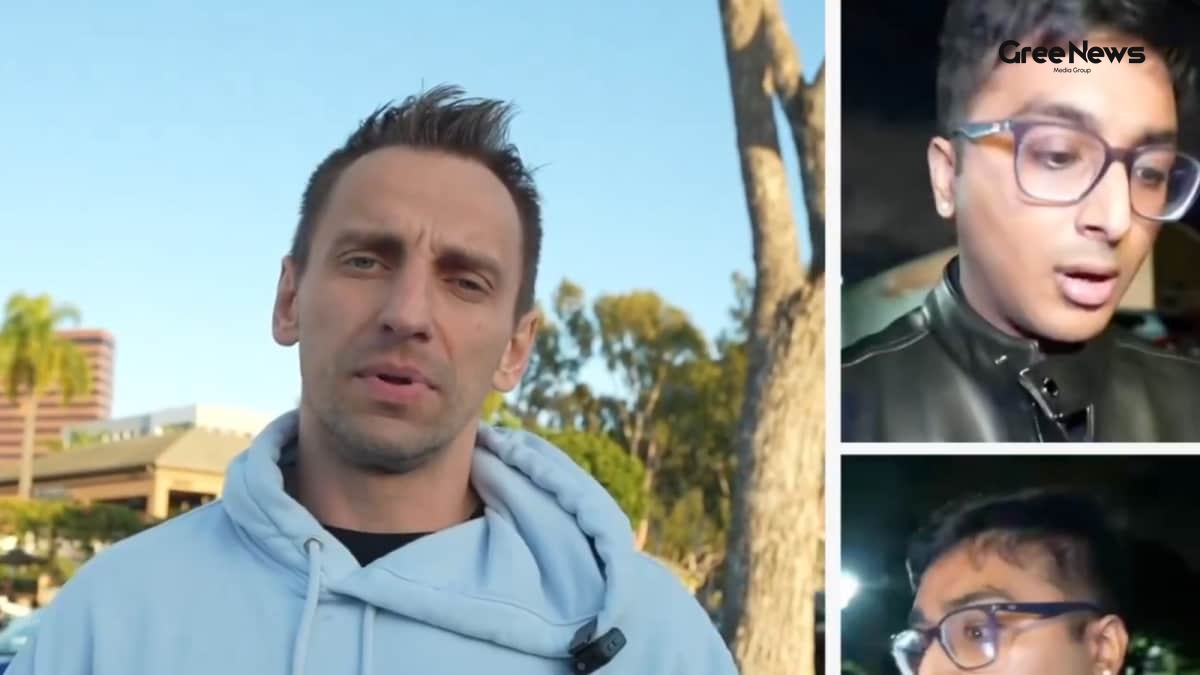
How Akash Singhania’s World Got Turned Upside Down
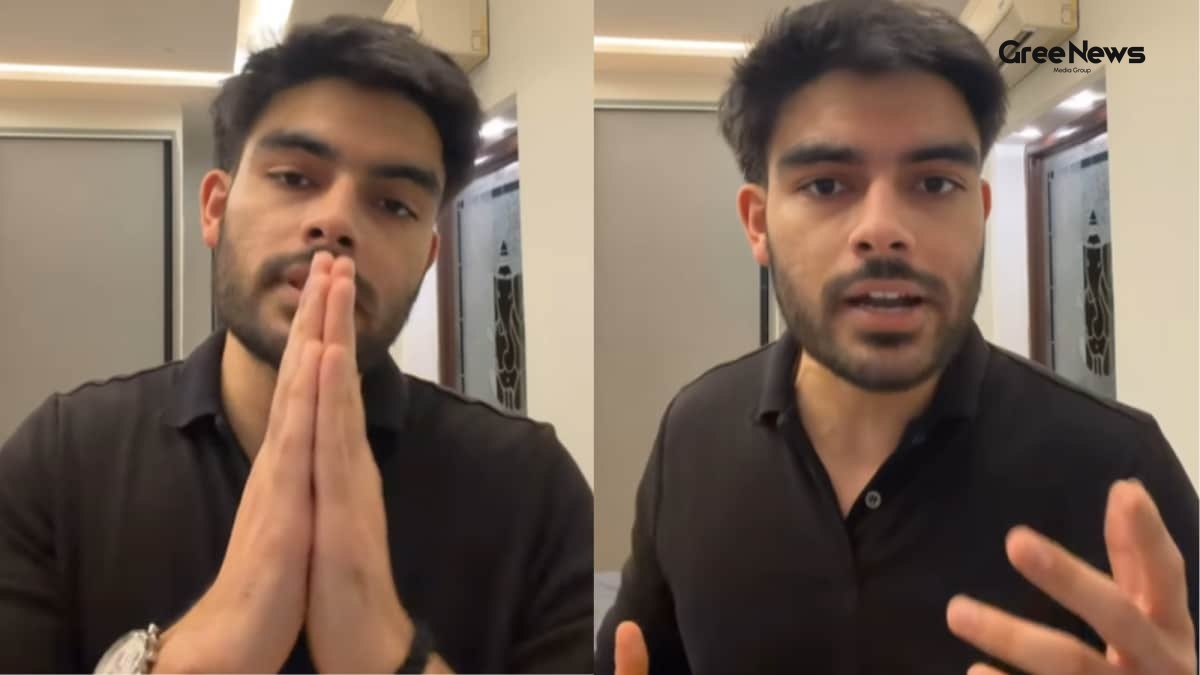
Honestly, when I first heard about a guy named Akash Singhania being shoved into a child predator drama on a YouTube livestream, I thought it was just another click‑bait story in the sea of latest news India. But then I read his own post on X, and the whole thing felt way more personal. Akash, an Indian‑American based in California, opened up about how his life was literally turned upside down after being wrongly accused by Vitaly Zdorovetskiy’s crew. He said the whole episode made his world feel like it was on a roller‑coaster that never stopped.
He wrote, “My world was turned upside down this weekend. As some of you may have seen, I was featured on a recent episode of Vitaly Zdorovetskiy’s live series, where I was wrongfully portrayed as someone attempting to engage in an inappropriate conduct. This accusation is completely false.” The statement went viral, and it wasn’t long before people across India started sharing the clip under the tag #viralnews, asking whether it was a prank or an actual crime.
What happened next is interesting the backlash wasn’t just limited to the YouTube comment section. Friends, family, even distant relatives in Delhi and Mumbai started calling him, some offering support, others doubting. It felt like a classic case of breaking news spiralling into a full‑blown social media storm, and Akash’s own words captured the confusion perfectly.
How the Incident Unfolded A Live‑Sting Gone Wrong
According to Akash Singhania’s own recount, Vitaly Zdorovetskiy and his team approached him in a quiet residential neighbourhood, pretending they were part of a serious investigation. They claimed he was involved with a 16‑year‑old girl they had been chatting with on Snapchat. The crew set up a livestream a typical “sting operation” style video that they say would raise awareness about child predators.
In most cases, such videos are edited to look smooth, but this one went live, and the audience could see every raw reaction. Akash said he immediately denied any wrongdoing, insisting he thought the girl was 18. He asked the crew to show the Snapchat chats on his phone to clear the doubt. The tension was palpable you could almost hear the hum of the camera, the distant traffic, and the nervous breaths of everyone involved.
It escalated quickly. Akash decided to involve the authorities. He called the Santa Ana Police Department, and within minutes officers arrived. The police did an on‑the‑spot examination, looked at the phone records, and after a short but thorough check, they concluded that Akash Singhania had not committed any crime. The officers told him he was simply at the “wrong place at the wrong time”.
Many people were surprised by how fast the police cleared him. It’s not often you see such a swift resolution in a viral video scenario. The whole episode reminded me of a time when my cousin in Bangalore got caught up in a similar online misunderstanding the damage to reputation can linger even after the truth comes out.
The Aftermath Harassment, Judgment, and a Struggle to Rebuild
Even though the police cleared him, the impact on Akash’s life was already huge. He confessed that the false charge had damaged his personal and professional reputation. People started sending him hateful messages, and some of his colleagues at work began treating him differently. He said, “I have experienced harassment, judgment, and damage to my personal and professional relationships based on something that has now been proven false.”
This part of his story really hit home for me because it shows how a single viral clip can become breaking news that spreads faster than any fact‑check. In India, trending news India often moves at the speed of a tweet, and once a narrative sticks, it’s hard to shake off.
Akash also reflected on the broader implication: “At the same time, this experience has shown me how important due process and verification are because mistakes, when made publicly, can have serious consequences on innocent lives.” He emphasized his support for real efforts to protect vulnerable children, but he warned that the method of exposing them should never compromise an innocent person’s life.
He added a personal touch, saying that his family’s reaction was a mix of anger and worry. “My mother called me late at night, crying, asking if I was okay. My sister stopped talking to me for a day because she was scared of the social media hysteria.” It’s a tiny glimpse into the human side of what many call “viral news”.
Vitaly Zdorovetskiy’s Apology A Public Mea Culpa
After the police cleared Akash, the backlash against Vitaly Zdorovetskiy was intense. Fans and critics alike demanded an apology. Finally, Vitaly posted a statement that read, “We wrongly identified and accused Akash Singhania. We were completely wrong and made a terrible mistake.” He also said, “Our team and I messed up, and we are deeply sorry to Akash. Whoever has those videos, delete it. The Snapchat messages got messed up, it was the wrong time, wrong place.”
This apology went viral as well, trending under “India updates” and “latest news India”. Many people praised the gesture, while others felt it was too little, too late. The incident sparked a discussion on many Indian forums about the ethics of online sting operations and the fine line between raising awareness and ruining lives.
What caught people’s attention most was the phrase “wrong time, wrong place”. It sparked memes, some mocking the whole scenario, others using it as a cautionary tale. The whole saga became a classic example of how a single livestream can create a new wave of trending news India, affecting not just the participants but the entire viewer base.
Personal Reflections What I Learned From Akash’s Story
Reading Akash Singhania’s experience made me think about how quick we are to believe what we see online. In most cases, we assume a YouTuber’s content is authentic, but this story teaches us to pause and verify. I remember when I once shared a WhatsApp forward about a celebrity’s alleged scandal it turned out to be a hoax. The regret I felt was nothing compared to what Akash described.
His courage to speak out, despite the harassment, is something I admire. He didn’t just sit back; he called the police, posted his side of the story, and even thanked the officers who helped him. This shows that even when we feel isolated, there are channels law enforcement, social media platforms that can support us, provided we use them correctly.
One small but important detail Akash mentioned was how he asked his accusers to show the Snapchat chat on his phone. That tiny request could have saved him a lot of trouble if the team had cooperated. It’s a reminder: never be afraid to ask for evidence, especially in a situation that could become viral news.
And for all of us who follow trending news India, it’s a lesson in empathy. Behind every headline is a real person sometimes an Indian-origin individual like Akash, living thousands of kilometres away, dealing with the same kind of judgment we see in our own neighbourhoods.
Broader Implications The Responsibility of Content Creators
The whole incident raises a larger question about the responsibility of YouTubers and content creators in the age of viral news. When a creator decides to film a “sting operation”, they must think about the possible collateral damage. In Akash’s case, the mistake was not just a misidentification; it became a nationwide discussion about child safety, media ethics, and the speed with which breaking news spreads.
For Indian audiences, this story hit close to home because many of us consume digital content on mobile data, often on the go. We rarely have the time to fact‑check, and the algorithms push the most sensational clips to the top. This creates a perfect storm where an innocent person can become the centre of a media frenzy.
Many legal experts in India have started warning about the need for stricter guidelines on online investigations. The Indian Ministry of Information and Broadcasting is reportedly looking into cases like this to draft a policy that balances public interest with personal rights.
So, the next time you see a video that claims to expose a crime, ask yourself: is there a verifiable source? Has the police been involved? Or is it just another piece of viral content waiting to be shared?
Conclusion A Cautionary Tale for the Digital Age
Akash Singhania’s ordeal is a stark reminder that in the world of trending news India, the line between awareness and accusation can be razor‑thin. While it’s important to protect children, it’s equally vital to protect innocent lives from misplaced blame. The incident also showcases how quickly a livestream can become breaking news, travel across continents, and turn into a case study for media ethics.
For anyone reading this, especially the Indian diaspora, the key takeaway is simple: Verify before you share, empathise before you judge, and remember that behind every sensational headline is a real human being dealing with real consequences.
If you want to stay updated on the latest developments, keep an eye on trustworthy news portals and official statements. And next time you come across a viral clip, think about the possible ripple effects it might just save someone’s world from being turned upside down.