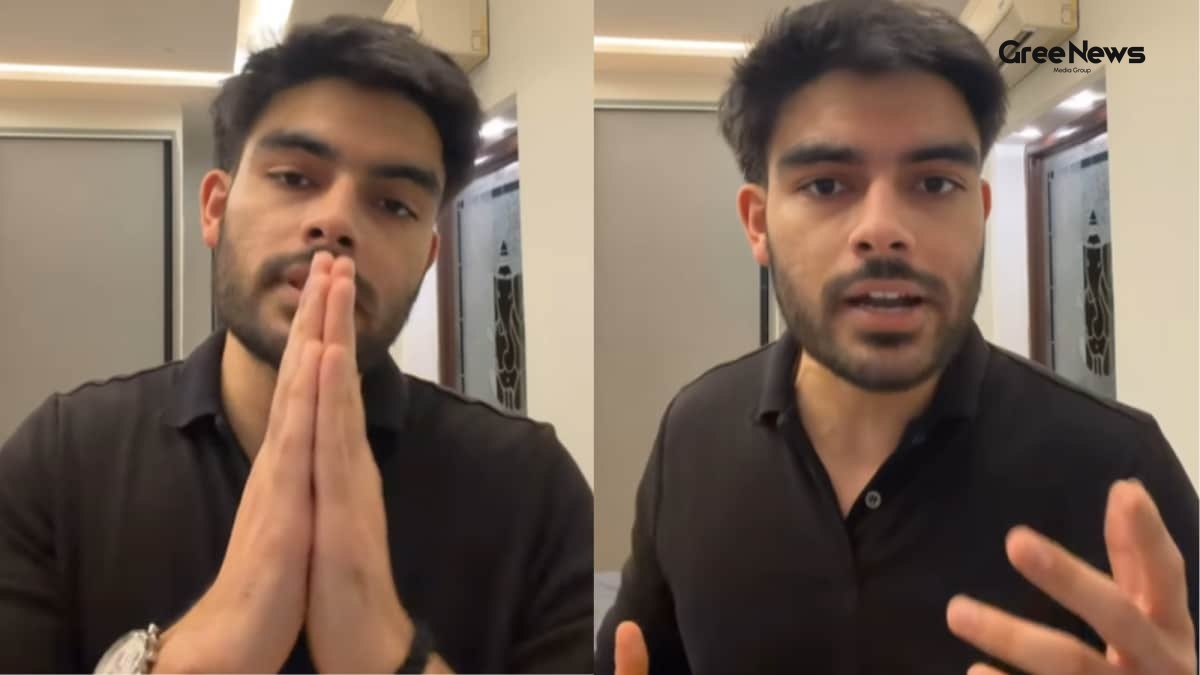
So, picture this I’m leaving my corporate office in Gurgaon right after the clock strikes 5:30 pm. I’ve been counting down the minutes, thinking I’ll be home before the usual rush, maybe catch a quick chai with my family. Instead, the moment I step onto the highway, the sea of cars seems endless. Two hours later, I’m still glued to my seat, the dashboard lights flickering like a reminder that I’m stuck in a time‑warp. I recorded a short video on the spot because, honestly, I needed to vent, and it turned into something that the internet couldn’t stop talking about. This isn’t just my story; it’s a slice of the daily grind for millions of Indians who battle traffic, especially after the pandemic opened the doors to work‑from‑home.
My Rant Why Do I Even Need to Come to the Office?
In my video, I started with a simple line: “I left the office at 5:30. It’s 8:00 now. I had set out thinking that since peak traffic usually hits around 6:00, I’d get home a little earlier today.” I could feel the irritation bubbling as cars crawled forward, sometimes inch‑by‑inch. I reflected on how my love for driving started when I was just a teenager, around 15‑16, taking a tiny scooter on a quiet street. Back then, traffic felt like a gentle breeze. Fast forward to now, and Gurgaon’s roads have turned into a concrete jungle where my hands instinctively rose to my elbows, wanting to surrender to the chaos.
Then the big question slipped out: “Thanks to COVID, we cracked the concept of ‘Work from Home.’ I can handle my entire workload right from my laptop.” It felt a little rebellious, like a school kid challenging the teacher’s rule. I mean, why waste hours in a car when the same tasks can be done in the comfort of my home office? The laptop, the stable Wi‑Fi, the cupboard full of snacks all that makes the commute feel like a relic.
The Traffic Nightmare A Real‑Life Horror Story
Let me paint a picture for those who haven’t been stuck in Gurgaon’s rush hour. Imagine a river of cars, buses, two‑wheelers, and even stray cows occasionally joining the parade. The honks become a constant soundtrack, the exhaust fumes almost tangible. You sit there, adjusting the air‑conditioner, glancing at the clock, feeling the minutes melt away. I stared at my watch, wondering why the world outside seemed frozen while my phone’s battery kept draining. The whole scene felt like a scene from a movie, but there’s no hero coming to the rescue just more vehicles joining the jam.
This isn’t a one‑off incident. It’s a daily rite of passage for many professionals in the NCR region. The traffic has become such a talking point that it often surfaces in the latest news India feeds, especially when a new flyover or metro line is announced. But what’s ironic is that while infrastructure projects promise relief, the vehicle count keeps climbing, making the problem feel almost hopeless. Honestly, the traffic in Gurgaon sends shivers down my spine every single evening.
Office Culture Under the Microscope
Beyond the traffic, I started pondering the whole office culture. “No, no, Samrat, it’s good for team bonding… Sir, for bonding activities, you are the one taking us outside the office anyway!” It struck me how many team‑building events feel like forced outings, where the real bonding happens over a coffee break, not because of some elaborate activity planned by the manager.
Even when we’re physically present in the same building, we still jump onto audio calls for quick updates. “We’re all within the same premises… yet we still end up doing audio calls. So why on earth should I bother coming to the office, man?” The irony isn’t lost on me. It feels like we’re paying extra for a seat that we could just as well have at home. And the office environment itself? The people around me look like the walking dead eyes glued to screens, barely exchanging a smile. The vibe is more about survival than thriving.
Social Media Reaction The Internet Relates
When the video hit the internet, it turned into breaking news India within minutes. Comments flooded in, each echoing my frustration. One user wrote, “This is so real.” Another joked, “Now I am just a zinda laash stuck in Gurgaon traffic.” The phrase “zinda laash” (living corpse) captured the collective sentiment perfectly we’re alive, but the traffic feels like a death sentence.
People also compared my rant to traffic in other metros. “Bahut bol rahe ho aap, zara Bangalore jakar dekho wahan traffic issue bhi zyada hai,” someone replied, pointing out that the problem isn’t just confined to Gurgaon. It’s a nationwide issue, making it a trending news India story across multiple platforms. The resonance was clear the traffic‑to‑office‑debate isn’t just my gripe; it’s a pulse many Indians feel.
Why This Matters A Bigger Picture for India Updates
Beyond my personal exasperation, the whole episode feeds into the larger conversation about how India is evolving post‑pandemic. Companies are now re‑evaluating hybrid models, weighing the cost of office space against employee happiness. The surge in remote work tools, the rise of coworking spaces, and the push for better public transport all form part of the narrative that keeps trending in the digital space.
Moreover, the traffic dilemma forces policymakers to think about sustainable solutions. With increasing urbanisation, the need for efficient mass transit, smarter city planning, and perhaps even a cultural shift towards flexible working hours becomes urgent. If more people start to question the necessity of daily commuting, it could lead to a reduction in peak‑hour congestion a win for everyone.
Personal Takeaway What I Learned
Honestly, after spending those endless hours stuck in my car, I realised that my “office‑only” mindset was outdated. The pandemic taught us that technology can bridge distances, and my own experience proved that many tasks don’t need a physical desk. I also understood that complaining alone won’t solve the problem, but sharing it can spark dialogues that matter.
If you’re reading this and have faced similar traffic nightmares, you’re not alone. The next step might be to talk to your manager about flexible hours, or to push your organization to adopt a permanent work‑from‑home policy where possible. After all, the ultimate goal is to spend more quality time with family, rather than watching the city’s endless line of cars from a cramped driver’s seat.
Conclusion A Call for Change
My little rant turned into viral news, and it’s a sign that many Indians are ready for a shift. Whether it’s the traffic that’s choking our evenings or an office culture that feels stuck in the past, the need for change is loud and clear. Let’s hope that companies, city planners, and everyday commuters start listening, because the solution lies in a mix of better infrastructure, smarter work policies, and a collective will to move forward without getting stuck in traffic for hours on end.