How the Spark Started My First Reaction to the Remark
Honestly, I was sipping my chai in the morning, scrolling through the latest news India on my phone, when a breaking news alert popped up about a BJP MP making a controversial statement. It was Tejasvi Surya, and the headline said he compared the formation of Telangana to the Partition of India and Pakistan. My first thought? "What? That's a massive leap of logic!" I couldn't help but feel that this was going to turn into a full‑blown political row.
What happened next is interesting the clip of the parliamentary debate spread like wildfire, becoming viral news across Twitter, Instagram, and even the local WhatsApp groups. Everyone from my uncle, who works in a tea stall in Hyderabad, to my cousin studying engineering in Vijayawada, started sharing the video with their own take. The reaction was swift, loud, and everywhere you turned you could hear people calling the comparison offensive.
What Exactly Did Tejasvi Surya Say?
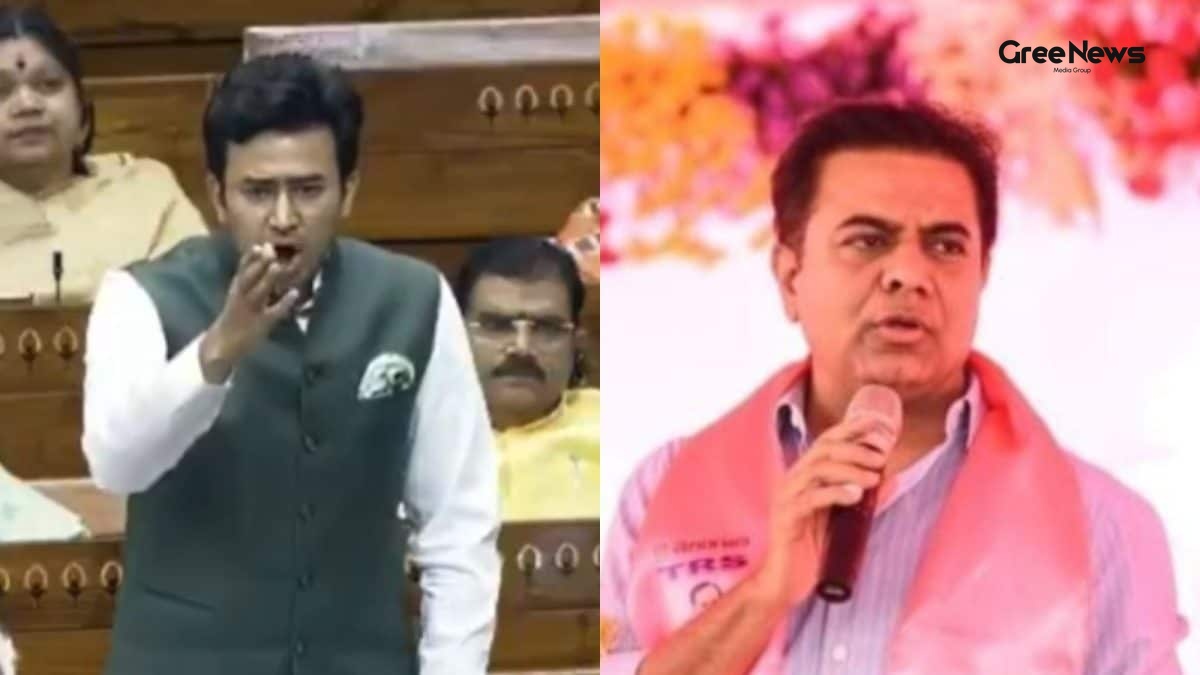
During a heated discussion in Parliament, Tejasvi Surya said that the way the Congress‑led UPA divided the undivided Andhra Pradesh into Andhra Pradesh and Telangana was "worse than how the British did the partition of India and Pakistan." He repeated that the division was done in a "worse fashion" than the historic 1947 Partition.
Listening to the recording, I could hear the tension in the House. It felt like a classic example of a politician throwing a rhetorical punch without thinking about the emotional weight behind the words. In most cases, such a statement can be dismissed as a gaffe, but here the community’s reaction turned it into trending news India within minutes.
Immediately, leaders from every corner started shouting down the remark. The backlash was not limited to any single party; even members of the BJP from Telangana seemed taken aback. The comment seemed to have struck a nerve, especially because the state’s formation is a matter of pride and long‑standing struggle for the people of Telangana.
Why the Comparison Felt Like an Insult
To understand why the comment caused such an uproar, you need to know a bit about Telangana’s journey. For decades, the region fought for separate statehood, with students, farmers, and youth taking to the streets, enduring police action, and even facing arrests. The struggle was marked by long‑lasting protests, hunger strikes, and a strong cultural identity that distinguished Telangana from the rest of Andhra Pradesh.
When Tejasvi Surya likened that movement to the Partition an event that led to massive bloodshed, displacement, and loss of life across the subcontinent many people felt that the comparison trivialised the sacrifices of those who fought for Telangana’s statehood. It was as if a painful chapter of history was being used as a political jab, and that felt completely out of line.
My neighbour in Secunderabad, who participated in the 2014 Telangana movement, told me that such a comparison “stings” because the youth who risked everything for the cause are still alive today, while the Partition left behind generations of families displaced. This personal testimony highlights why the remark was perceived as not just insensitive but downright disrespectful.
Leaders Call for an Apology The Demand Ramps Up
After the statement aired, several senior leaders rushed to demand an unconditional apology from Tejasvi Surya. Telangana BC Welfare and Transport Minister Ponnam Prabhakar was among the first to speak out, saying the remark insulted the identity of Telangana and its long struggle for statehood.
KT Rama Rao, the working president of BRS (formerly TRS), also condemned the statement, stating that it was "unacceptable" and urging Tejasvi Surya to retract his words immediately. K Kavitha, who heads the women’s wing of BRS, added that the comparison was not only factually inaccurate but also a direct attack on the emotional fabric of the state.
The chorus of condemnation grew louder as more politicians joined the call. In most political debates, an apology can sometimes be a formality, but this time the demand was for a clear, unconditional apology, reflecting how deeply the remark had wounded the collective sentiment.
KTR’s Fiery Response Accusations of “Hatred”
On the social media front, KTR posted a series of strong statements on X (formerly Twitter). He accused the BJP of “spitting venom” against the formation of Telangana and called the comparison “utterly foolish.” KTR also highlighted that the BJP’s track record showed “a habit of insulting the sacrifices and self‑respect of the people of Telangana.”
What caught my eye was KTR’s emphasis on the silence of the eight Telangana BJP MPs present in the House. He described their inaction as "shameful" and hinted that their silence could be interpreted as tacit support for Tejasvi Surya’s statement. This angle added another layer to the controversy, making it not just about a single remark but also about the broader party stance.
In my own circle, many friends who follow KTR’s political commentary felt that this was a turning point. They said that the BJP’s failure to quickly distance itself from the comment showed a deeper disconnect with the aspirations of the Telangana people.
“Not a Charity, But a Struggle” KTR’s Emotional Appeal
KTR went further, reminding everyone that Telangana was not granted as a favor or a charity. He emphasized that the state was achieved after “years of struggle and sacrifices by thousands of people, especially the youth.” He stressed that comparing this democratic movement to a tragic division like the Partition reveals a regressive mindset.
He also warned that no one has the right to hurt the sentiments of the people of Telangana. The statement was a plea for respect and for recognizing that the formation of Telangana was rooted in democratic aspirations, not colonial machinations.
While reading KTR’s post, I could feel the weight of his words. It reminded me of stories my grandparents used to tell about the early days of the Telangana movement, where families would gather at night to discuss strategies, sometimes under the dim light of an oil lamp. Those memories made the comparison to Partition feel even more jarring.
Reaction from BJP MPs Silence or Complicity?
The silence of the eight Telangana BJP MPs in Parliament was another flashpoint. Critics argued that their lack of response indicated a tacit endorsement of Tejasvi Surya’s remarks. KTR highlighted this silence, questioning how these MPs could sit in the same house and not object to a statement that hurt the state’s identity.
In the corridors of the Parliament, I heard whispers that some BJP MPs were concerned about party discipline, fearing that a direct rebuke could lead to internal conflicts. This behind‑the‑scenes tension added to the drama, making the whole episode feel like a political thriller.
Meanwhile, supporters of Tejasvi Surya tried to defend the remark as a legitimate political critique of the Congress‑led UPA’s handling of the bifurcation. However, even those defending the statement struggled to separate the political criticism from the emotional offense it caused.
Public Sentiment From Street Chants to WhatsApp Chains
On the ground, the reaction was immediate and vocal. In the streets of Hyderabad, I saw banners and posters demanding an apology from Tejasvi Surya. Youth groups that were instrumental in the 2014 movement organized flash mobs chanting “Respect our struggle!” The energy reminded me of the original protests that led to the state’s creation.
WhatsApp groups in Telangana exploded with messages. One chain message started with, “Did you see what Tejasvi Surya said? This is an insult to our history!” Another version added a short video clip and a call to “share this with everyone you know.” The message spread like a virus, turning the controversy into viral news overnight.
Even in other parts of India, the story became trending news India. People from Delhi to Pune were sharing the clip, curious about why a political remark in Telangana could spark such a strong reaction. It was a vivid illustration of how interconnected Indian politics has become, especially with the rise of social media.
Media Coverage From Television to Online Portals
Television news channels ran breaking news segments, inviting analysts to discuss the implications of the remark. Online portals published op‑eds, some calling the comparison "historically inaccurate," while a few opinion pieces attempted to contextualise Tejasvi Surya’s criticism of the UPA’s handling of the bifurcation.
What caught my attention was the diversity of coverage. While some outlets focused on the political fallout, others highlighted the personal stories of Telangana youth who participated in the movement. These human‑interest pieces added depth, showing that the controversy wasn’t just about a statement but about a lived history that people cherish.
In the age of India updates, such multi‑platform coverage ensures that the story reaches a broad audience. Whether you prefer watching TV or reading articles on your phone, the narrative stays consistent Tejasvi Surya’s comparison was widely regarded as offensive, and many demanded an apology.
Political Implications What Does This Mean for the BJP?
Beyond the immediate outrage, the episode raised questions about the BJP’s strategy in Telangana. Critics argued that the party’s repeated “anti‑Telangana” remarks could alienate a crucial voter base. KTR’s statements suggested that the BJP’s approach might be perceived as “hatred” towards the state’s formation, which could affect future elections.
From a strategic standpoint, the BJP faced a dilemma: either double‑down on the statement, framing it as a critique of Congress, or back‑track and offer a swift apology to mitigate damage. Historically, parties have often opted for quick damage control, but in this case, the silence of the Telangana BJP MPs complicated the equation.
Observing the political landscape, I feel that the BJP will need to engage more sensitively with regional sentiments if it hopes to expand its foothold in the south. A simple apology could help, but deeper outreach might be required to rebuild trust.
Calls for Accountability The Road Ahead
With the controversy still fresh, leaders continue to push for an unconditional apology from Tejasvi Surya. KTR, Ponnam Prabhakar, KT Rama Rao, and K Kavitha have all issued statements demanding that Tejasvi Surya withdraw his remark and apologise publicly.
Many citizens are watching closely, ready to judge any response as a measure of political maturity. The expectation is not just a verbal apology but also an acknowledgement of the pain caused. That, they argue, would signal respect for Telangana’s identity.
In my own view, an apology should be accompanied by a constructive dialogue about how to honour the sacrifices of the Telangana movement. It could be an opportunity for the BJP to bridge gaps, rather than widen them.
Conclusion Reflecting on the Larger Picture
This episode, while centered on a single remark, reflects larger tensions in Indian politics: the balancing act between national narratives and regional identities. The comparison of Telangana’s formation to the Partition was not just a slip of the tongue; it was a flashpoint that reminded us how deeply people care about history, pride, and sacrifice.
As we continue to follow the latest updates, the story serves as a reminder that political discourse must be rooted in respect for lived experiences. Whether you are a political enthusiast, a student, or just someone who watches the news over a cup of chai, this controversy illustrates how powerful words can be, especially when they touch the collective memory of a region.
What will happen next? Will Tejasvi Surya issue an apology that satisfies the aggrieved parties? Will the BJP rethink its approach to Telangana? Only time will tell, but one thing is certain the people of Telangana will keep demanding that their struggle is remembered with the dignity it deserves.