Tourism Numbers Take a Dip as the Fuel Crunch Sets In
Honestly, when I first read the numbers from the Tourism and Sports Ministry, I felt a pinch in my chest. They said there was a 9.6% drop in international arrivals for the week of March 30 to April 5, with only 569,593 visitors compared to the previous week. It’s not a huge collapse, but for a country that lives and breathes tourism, a dip of almost ten percent is enough to make the hotel owners start counting their pennies.
What surprised me most was that this dip happened right before the Songkran festivities, which usually bring a flood of tourists – literally, because of the water‑throwing tradition. The timing feels a bit uncanny, as if the fuel shortage is trying to rain on the parade.
Why the Numbers Are Sliding – Fuel Prices and Short‑Haul Worries
Now, I’m not a fuel analyst, but the story’s pretty clear. Across Southeast Asia, fuel prices have been on a roller‑coaster ride, and that roller‑coaster is now extending its reach into the travel sector. The Tourism and Sports Ministry’s report mirrors what we’re hearing on the streets: people are hesitating to hop on cross‑border buses, especially from Malaysia, because they’re worried about fuel availability at service stations.
In most cases, travellers from Malaysia have scrapped coach tours, and those cancellations have a knock‑on effect on the whole supply chain – from small roadside eateries to large hotels that depend on groups of tourists for occupancy. It’s a chain reaction that feels a bit like when diesel prices surge in India and suddenly the whole logistics network groans.
Even though the domestic market still looks robust – Airports of Thailand (AOT) is still expecting roughly 3.7 million passengers between April 10 and 19, a 2.3% increase from last year – the international side is feeling the pinch, standing at about 2.26 million arrivals for the same period.
Domestic Travel Holds On While International Visitors Waver
What’s interesting is the split between domestic and international movement. Airports of Thailand (AOT) projects 1.44 million domestic passengers, up 9.3% from the previous year, signalling that Indians, Chinese and other tourists who are already within Thailand are still eager to move around, especially to join the water fights.
In my own experience, I’ve seen families from Delhi and Mumbai already booking train tickets to Bangkok and then hopping on domestic flights to Chiang Mai just to enjoy a few days of Songkran before heading back home. The domestic market’s resilience is probably because road travel within Thailand isn’t as fuel‑intensive for short hops, or at least people seem to manage with the fuel prices they have.
For international arrivals, however, the numbers are beginning to show signs of strain. The drop was especially noticeable in short‑haul markets – the kind of trips that usually fill up hotels quickly. The Thai Hotels Association even mentioned that the overall mood feels quieter than last year.
What Hotels Are Saying – A Quieter Songkran, But Not a Cancelled One
The Thai Hotels Association has been quite vocal. They describe the vibe as “quieter” compared to last year, and it’s not just about fewer guests. The rising fuel costs are also making it expensive for hotels to run their back‑of‑house operations. Think about electricity bills that shoot up because of higher generator usage, or supply chains that cost more because trucks are paying more for diesel.
Because of these twin pressures – less inbound traffic and higher operating costs – many hotel operators are stuck in a dilemma. They can’t simply hike room rates, as that would drive away price‑sensitive travellers, especially the backpackers and budget families that form a large chunk of Songkran’s crowd.
Centara Hotels & Resorts, a big name in the hospitality sector, has taken a more reassuring tone. They tell potential guests that everything is running as usual, with no major disruptions to services, safety protocols or guest experiences. Basically, they’re saying, “Come, we’ll welcome you with the same Thai warmth you expect.”
Yet, even with these reassurances, the underlying numbers tell a story – cumulative arrivals from January to early April stand at 9.7 million, generating roughly 474.4 billion baht in revenue. That’s a healthy figure, but the slowdown hint suggests the same momentum might not keep soaring straight through the low‑season months.
Everyday Observations – How the Fuel Issue Shows Up on the Ground
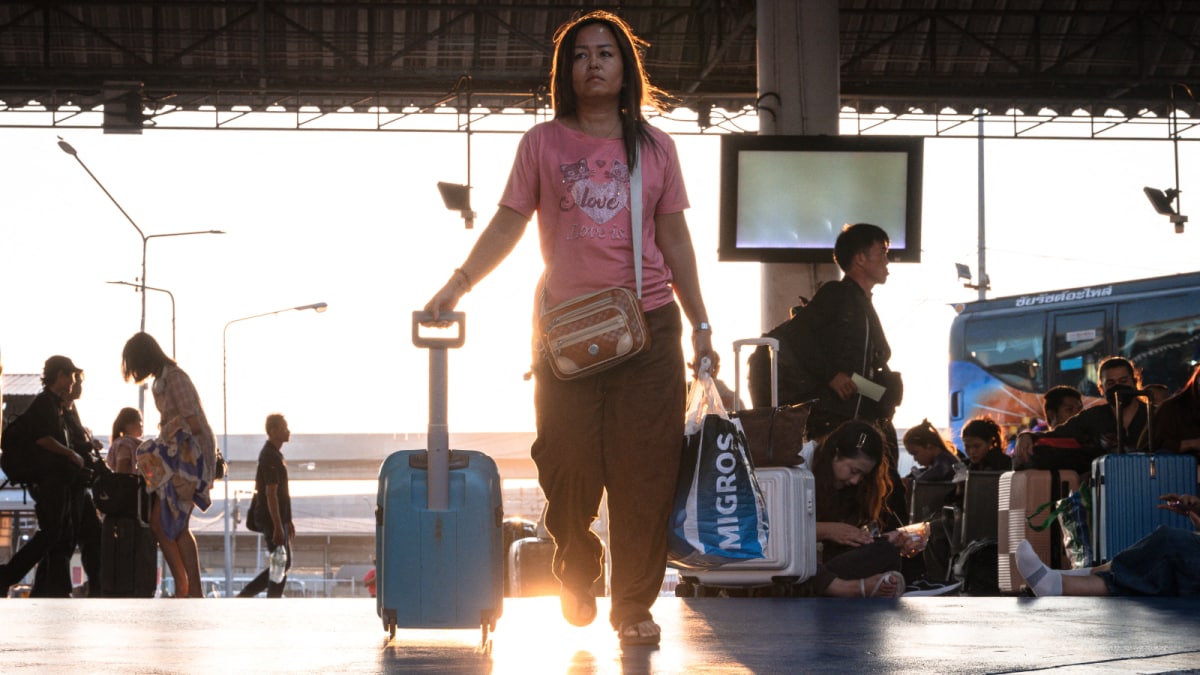
Let me give you a picture that I witnessed while waiting at Suvarnabhumi Airport last week. You could see a line of taxis waiting, and the drivers were chatting about how the cost of a litre of diesel had jumped. Some were even considering switching to motorcycles for short trips to save money. This kind of chatter is the same kind you hear in Delhi when petrol prices rise – everyone feels the pinch.
In the streets of Chiang Mai, you’ll find street food stalls that used to serve roti and fried snacks for a certain price, now slightly upping the price because the oil they use is more expensive. It’s a small thing, but when you add up all these micro‑increases, they create a noticeable impact on the tourist experience.
Even tourists traveling from Malaysia reported that the coach operators cancelled trips abruptly because their fuel tank was half empty. Some of the travelers had to scramble for alternative transport, often at a higher fare. That stress factor can turn a fun holiday into a stressful scramble, which is why many might decide to ditch the journey altogether.
What This Means for Songkran – Still a Festival, Though Slightly Dimmed
All things considered, the Songkran festival will still go on. The water fights, the traditional merit‑making, the street parades – these are still happening. The Tourism and Sports Ministry’s numbers show that we are not seeing a massive collapse, just a slower pace.
Domestic tourists are still flocking to the big cities and coastal towns, making the streets wet and lively. The small decrease in international visitors may mean fewer foreign faces in the crowd, but it also means that the local vibe might shine even brighter – more Thai families, more local vendors, more authentic experiences.
If you ask a local shopkeeper in Phuket, they’ll tell you that they’re preparing for a decent crowd, but they are also keeping an eye on costs. They might offer small discounts on souvenirs to attract the few tourists willing to spend, just like we see small shop owners in Mumbai offering “buy one get one” deals during a rainy season.
So, while the headline reads “fuel crisis could dampen tourism,” the reality on the ground is that the festival’s spirit is resilient. It may not be as “explosive” as the organisers hoped, but the core of Songkran – community, water, and celebration – stays intact.
Looking Ahead – How the Fuel Issue Could Shape the Low Season
One thing we can’t ignore is that the fuel crunch isn’t a short‑term hiccup. If fuel prices remain high, the low‑season tourism – the months after Songkran – could feel a sharper dip. Hotels might have to rethink their pricing strategy, perhaps offering more package deals that combine accommodation with meals to mask operating costs.
For travellers, especially those from neighboring countries like Laos or Vietnam, the fear of fuel shortages may turn them towards rail or train travel, which is traditionally cheaper. This might actually give a boost to Thailand’s railway network if they can maintain reasonable fares.
From a macro perspective, the Tourism and Sports Ministry may need to work closely with the energy ministry to ensure that fuel supply chains are stable, especially in border areas where cross‑border travel is most common. Until then, we may continue to see a cautious approach from short‑haul tourists.
In a nutshell, the fuel crisis is like a mild thunderstorm before a big festival – it dampens a few things but doesn’t stop the parade. The resilience shown by domestic travellers, the proactive stance of Centara Hotels & Resorts, and the adaptive spirit of the Thai Hotels Association all point towards a festival that will still be talked about for years to come.