A Young Boy Breaks Down Shashwat Sachdev‑Style Music Why It Became Viral News
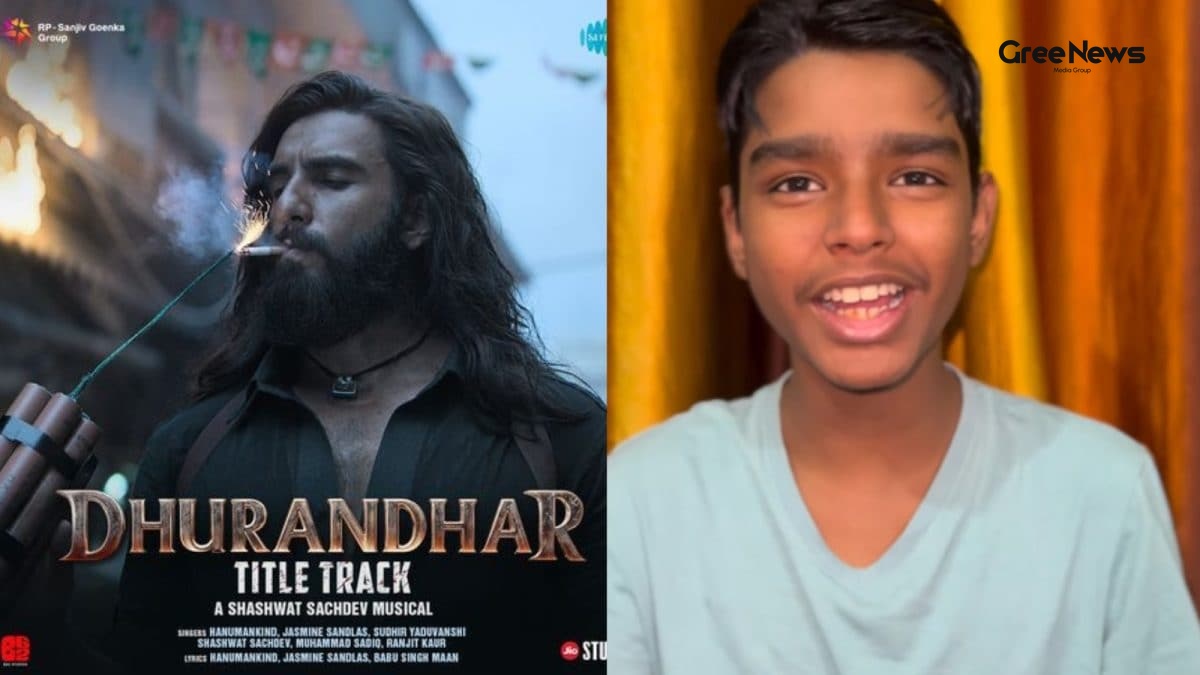
So, let me tell you about this clip I saw on my phone just the other day. It was a short video of a young boy, sitting at a modest home studio, telling us how to make a track that sounds just like the heavy‑hitting scores of Shashwat Sachdev. You know, the music that pumps up the adrenaline in movies like Dhurandhar and Dhurandhar: The Revenge. The moment I clicked play, I could feel the curiosity hook kicking in what exactly was he going to do?
What happened next is interesting. The boy started saying, “How to make music like Shashwat Sachdev. Let’s get to it. First, pick an old song. We’ll split the vocals from it.” He actually opened a classic Bollywood track, used a simple vocal splitter, and showed the isolated voice track. It reminded me of the times I tried to remix old Hindi songs during those long evenings at home in Delhi, using just a laptop and free software.
He then added a muted guitar part, laying down a soft foundation. The sound was barely audible, but you could sense the mood building. Basically, it was like the quiet before the storm in those thriller movies you know the vibe.
After that, the boy moved on to a rap sample. “Grab a rap track. I picked up a sample from Splice. So, let’s listen,” he said. Splice, of course, is that online library where creators get ready‑to‑use clips. I’ve used Splice myself for a few Instagram reels, and it’s a lifesaver when you need that perfect loop.
He continued layering one by one: first a synth, then a kick drum, then a deep bass. Each addition was accompanied by a quick playback, letting us hear how the track grew richer. The way he narrated felt like a friend explaining a new snack recipe casual, enthusiastic, and with a dash of personal flair.
When the final mix was ready, he said, “Once the effects are applied, your track is complete. So, let’s see how the final output turned out. Let’s go.” The moment the full song played, I could tell why this became breaking news on social platforms. The beats hit hard, the synths swirled, and the overall vibe echoed that signature Shashwat Sachdev energy we all love in action films.
But the story didn’t stop at the music. The boy asked viewers, “How did you like my music? Be sure to let me know in the comments! Keep liking, sharing, and commenting, and definitely make sure to tag Shashwat Sachdev Sir.” That call‑to‑action sparked a cascade of comments that turned the reel into a piece of viral news across India.
Online Reactions From Praise to Requests for a Full Song
Looking at the comment section was like watching a live concert of emotions. One user wrote, “Dhurandhar3 tera bade hone ka intezaar karega beta.” Another exclaimed, “Bhai tune toh shashwat ka dhol baja diya.” It’s funny how people instantly connected the boy’s effort to the original composer’s style. Many fans were surprised “Bhai full song mil skta hai kya??” asking if the boy could release a complete version of the track. Another shouted, “Bhai iska full version release krdo plisssss.” The sheer volume of these requests shows how this piece of trending news India resonated with the younger generation, hungry for fresh content that feels both familiar and innovative.
Some comments were more analytical, pointing out how the muted guitar added depth, or how the synth line reminded them of a particular chase scene in Dhurandhar. Others simply appreciated the effort “Brilliant” and “Great work” were common tags. It’s clear that the reel tapped into an appetite for behind‑the‑scenes knowledge, something we rarely see in mainstream coverage of film music.
Why This Tutorial Became Part of the Latest News India
In India, we often hear about big names releasing new albums or scores, but rarely do we get a straightforward, step‑by‑step guide from an amateur. That’s why this clip turned into breaking news across WhatsApp groups, Instagram reels, and even regional news portals. The simplicity of the method using free tools, an old song, and a few samples made the whole thing feel achievable for anyone with a laptop.
It also aligns with the growing trend of DIY music production among Indian youths. You see more and more college friends in Bengaluru or Hyderabad sharing tutorials on TikTok, trying to mimic the sounds of their favorite composers. The boy’s video added a fresh perspective, showing that you don’t need an expensive studio to capture that bold, cinematic vibe that Shashwat Sachdev is known for.
Even some music teachers started referencing the clip in their online classes, saying, “Look at how the young boy structures his track it’s a perfect lesson for beginners.” This crossover into educational circles further amplified its reach, making it part of the ongoing India updates that people share daily.
Personal Take My Own Experience With Music Production
Honestly, watching the tutorial reminded me of the first time I tried to remix a classic Bollywood song for a college fest. I was sitting in my cramped bedroom in Lucknow, using Audacity and a handful of royalty‑free loops. The result was shaky, but the excitement of building something from scratch was the same feeling the young boy described. I remember how I’d spend hours tweaking a single bass line until it felt just right much like how the boy patiently added each element.
What caught people’s attention this time was the clarity of the instructions. No jargon, just plain language. He said things like, “Now we’ll drop in a kick drum” instead of “Insert a percussive low‑frequency impulse,” which made the tutorial feel like a chat over chai rather than a classroom lecture.
The story also made me think about how music can unite us across the country. Whether you’re in the hills of Himachal or the streets of Kolkata, the desire to create something that resonates with the cinematic energy of Shashwat Sachdev is universal. That’s why the reel turned into a piece of viral news, reflecting a shared cultural pulse.
What’s Next? The Possibility of a Full Track Release
Many viewers kept asking for a full version of the track. Some suggested launching it on YouTube or Spotify, while others thought a collaboration with Shashwat Sachdev himself would be a dream come true. The boy hinted that he might work on expanding the piece, saying, “If more people show interest, I’ll try to create a longer version.” That promise kept the conversation alive, and the comment thread stayed active for days.
In most cases, viral content like this leads to further opportunities brand collaborations, sponsorships, or even a feature in a local news segment. It wouldn’t surprise me if we see the young boy featured in a future India updates piece about teenage innovators in music, highlighting how the digital age enables such talent to flourish.
Conclusion A Small Clip That Sparked Big Conversations
All in all, the boy’s simple tutorial managed to hit several notes at once: it educated, entertained, and inspired. It gave us a glimpse into the creative process behind a Shashwat Sachdev‑style track, while also showing how accessible music production has become for the Indian youth. The wave of comments, the flood of shares, and the buzz on social platforms turned this humble clip into breaking news across the country.
If you haven’t seen the reel yet, look it up it’s definitely worth a watch. And if you’re curious about trying it yourself, remember the steps: split vocals, add a muted guitar, pull a rap sample from Splice, layer a synth, drop in a kick drum, and finish with a bass. Who knows, maybe your next project will become the next piece of viral news India talks about!